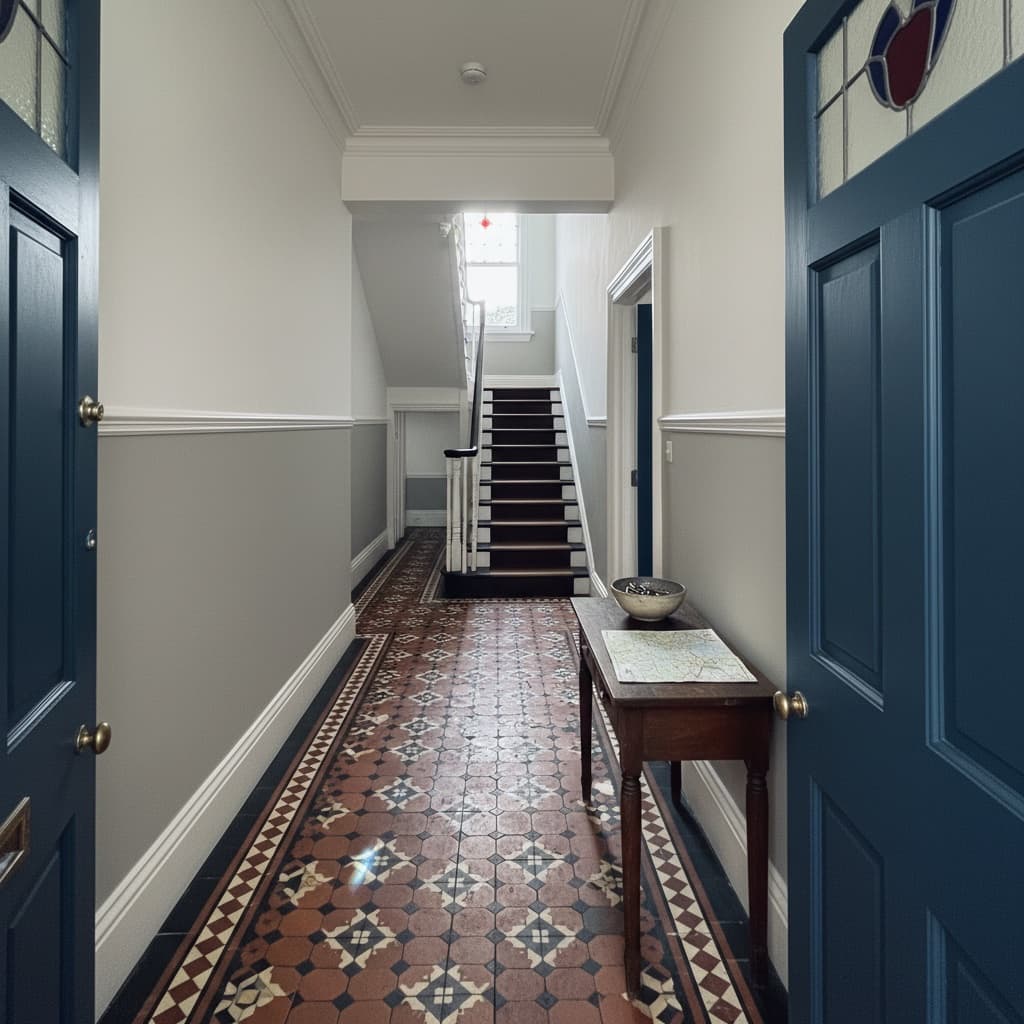
Period Property Renovation in London
Whole-house renovation of Victorian, Edwardian and Georgian properties in London.
All Well Property Services provides professional period property renovation across South East London. I price every project individually after a free site visit, so you get a clear written quote with a week-by-week programme rather than a calculator estimate. All projects include a fixed-price contract, single project manager, and full Building Control sign-off. Call 020 3920 9617 for a free consultation.
What We Offer
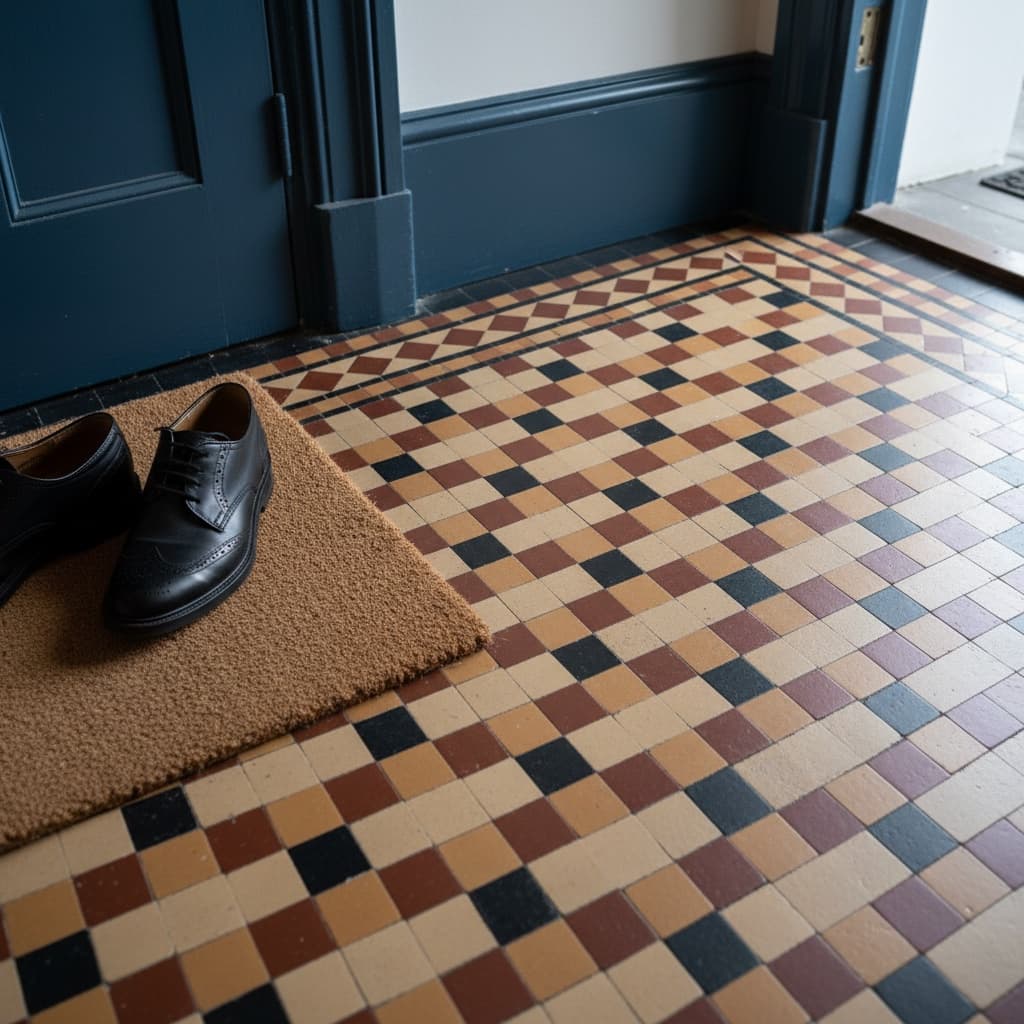
Whole-house renovation of Victorian, Edwardian and Georgian properties in London. Damp diagnosed before it is treated, lime repaired rather than replaced, and services run through solid walls without destroying the plaster.
- ✓Damp diagnosis before any treatment
- ✓Lime plaster and lime mortar repair
- ✓Lath and plaster ceiling retention
- ✓Full rewire through solid walls
- ✓Sash window overhaul and draughtproofing
- ✓Breathable insulation to solid walls
- ✓Structural steel and gallows brackets
- ✓Building Control sign off and certificates
How I price period renovation
I quote every job after a free site visit. The price covers materials, labour and a realistic programme, all fixed in writing before we start. No hidden costs, no mid-job surprises.
Book a free site visitWhat Affects the Cost?
- •Whether earlier repairs used cement pointing or cement render
- •Condition of the lath and plaster ceilings and the cornice runs
- •Wet or dry rot behind panelling, in bay floors and at joist ends
- •Listed status, or an Article 4 direction on the elevation
- •Access for skips and materials on a terraced street
Period property renovation in London
A period renovation is not a modern renovation with older skirting. The building works differently. Solid walls with no cavity move moisture in and out, timber floors are suspended over a ventilated void, and the plaster, mortar and paint were all chosen to let the structure breathe. Almost every serious problem we are called to in a Victorian or Edwardian house traces back to somebody treating it like a modern one. We work mainly on Victorian terraces around Lewisham, Catford and Camberwell and Edwardian semis in Dulwich, Forest Hill and Sydenham, and the same short list of faults comes up again and again.
Damp in a period house is usually a repair that was done wrong
Most of the damp we survey in period houses is not rising damp. It is a modern repair holding water in a wall that was built to release it. The list barely changes between properties: cement pointing over soft London stock brick, a cement render skirt at the base of the wall, a raised patio or path bridging the original slate damp course, and air bricks to the suspended floor blocked, painted or rendered over. An injected chemical damp course in a wall that never had rising damp achieves nothing except a certificate and a guarantee you will not be able to claim on.
How we diagnose it before quoting
A surface moisture meter reads salts as water, and salts are exactly what decades of the wrong repair leave behind, so a high reading on its own proves very little. Where the reading is ambiguous we drill a sample and run a carbide test, which measures the water actually in the masonry rather than the conductivity of the surface. We also look outside before we look in: ground levels, gutters, the render line, and whether the downpipe has been discharging behind the wall for ten years. Tanking a wall without fixing the outside just moves the problem up.
Lath and plaster, lime, and what is worth keeping
The quickest thing a builder can do with a lath and plaster ceiling is pull it down and board it. Sometimes that is right, when the keys have sheared and the ceiling is live above your head. Often it is not. The lath and plaster is usually what the original cornice run is bedded into, and once it comes down the cornice goes with it and never comes back the same. We test the keys, screw and wash back the sound areas, and cut out only the failed bays. On walls we repair with lime rather than skimming everything in gypsum, because gypsum against a damp solid wall goes soft and blows within a couple of years.
Repointing in lime, not cement
London stock brick is softer than the cement mortar people repoint it with. When the wall gets wet the moisture leaves through whichever route is easiest, and if the joint is harder than the brick then the brick face becomes that route. That is why you see spalled, crumbling brick faces on a wall with immaculate looking pointing. We rake out to twice the joint width and repoint in a lime mortar matched by eye and by test patch to the original, then protect it while it carbonates. It is slower and it lasts.
Rewiring and replumbing a house with no cavity
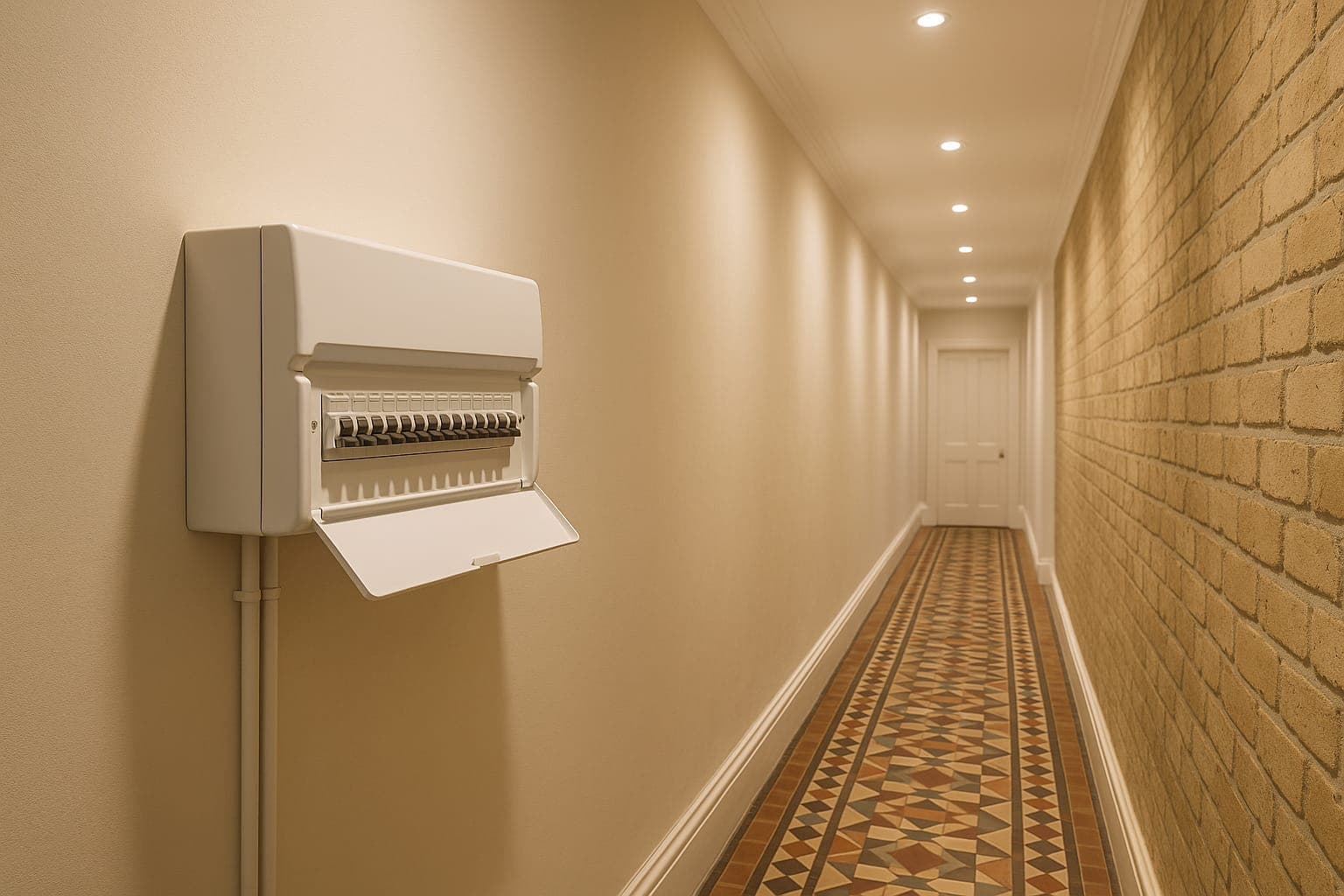
There is nowhere to hide a cable in a solid wall. Chasing one out takes the lime plaster off in sheets, and every chase is a repair you are paying for twice, once to cut it and once to make it good. We plan the first fix around the building instead: circuits run under the suspended floor and dropped down internal studwork, sockets grouped where a chase is unavoidable, and vertical runs kept inside cupboards and chimney breasts where the plaster is already coming off. Radiator pipework goes under the floor rather than across the face of a skirting. On a full rewire we lift and number floorboards rather than snapping them, which is the difference between relaying the original boards and buying new ones.
Insulating solid walls without causing condensation
Internal wall insulation is the most reliable way to create a damp problem in a house that did not have one. Fix an impermeable board and a plastic vapour layer to the inside face of a solid wall and you move the dew point into the masonry, where warm internal air now condenses out of sight behind the board. The wall gets wetter every winter and nobody sees it until the skirting goes. Where insulation is worth doing we use a breathable build-up, wood fibre board bedded in lime with a lime finish, so the assembly can still dry inwards. We will also tell you when the honest answer is draughtproofing, loft insulation and secondary glazing instead, which on most period houses buys more comfort per pound than lining the walls.
Why period programmes run longer, and how we price the unknown
A three bedroom Victorian terrace runs around 18 weeks and a four bedroom Edwardian semi around 22, but the honest figure carries a contingency, because in a period house we always find something. Rot at a joist end where a bay has been leaking, a bressummer beam over the bay that has dropped, a chimney breast removed by a previous owner with nothing supporting the stack above it. We open up and survey what we can before the contract, price the known work fixed, and carry the unknowns as a named provisional sum with the rate agreed in advance. You see what it is spent on. A builder who prices a period house with no contingency at all is either not planning to open anything up, or planning to come back to you later.
Free tools for planning your project
No email required. Get instant estimates and planning answers before you book a consultation.
Best Month
See historic rainfall and temperature for your postcode every month, plus the best window for external work. Live data from the Open-Meteo archive (Met Office and ECMWF).
Listed Check
Check whether your property is a listed building or sits inside a conservation area, and what that means for renovation work. Live data from Planning.data.gov.uk and Historic England.
Planning Risk
Traffic-light check of every planning restriction at your postcode: listed buildings, conservation areas, Article 4 directions, Tree Preservation Orders, flood zones. Live data from Planning.data.gov.uk.
EPC Upgrade
Find your home's current EPC rating and see what it would cost to upgrade to a B. Uses live data from the EPC Open Data register.
Recent Period Renovation Projects
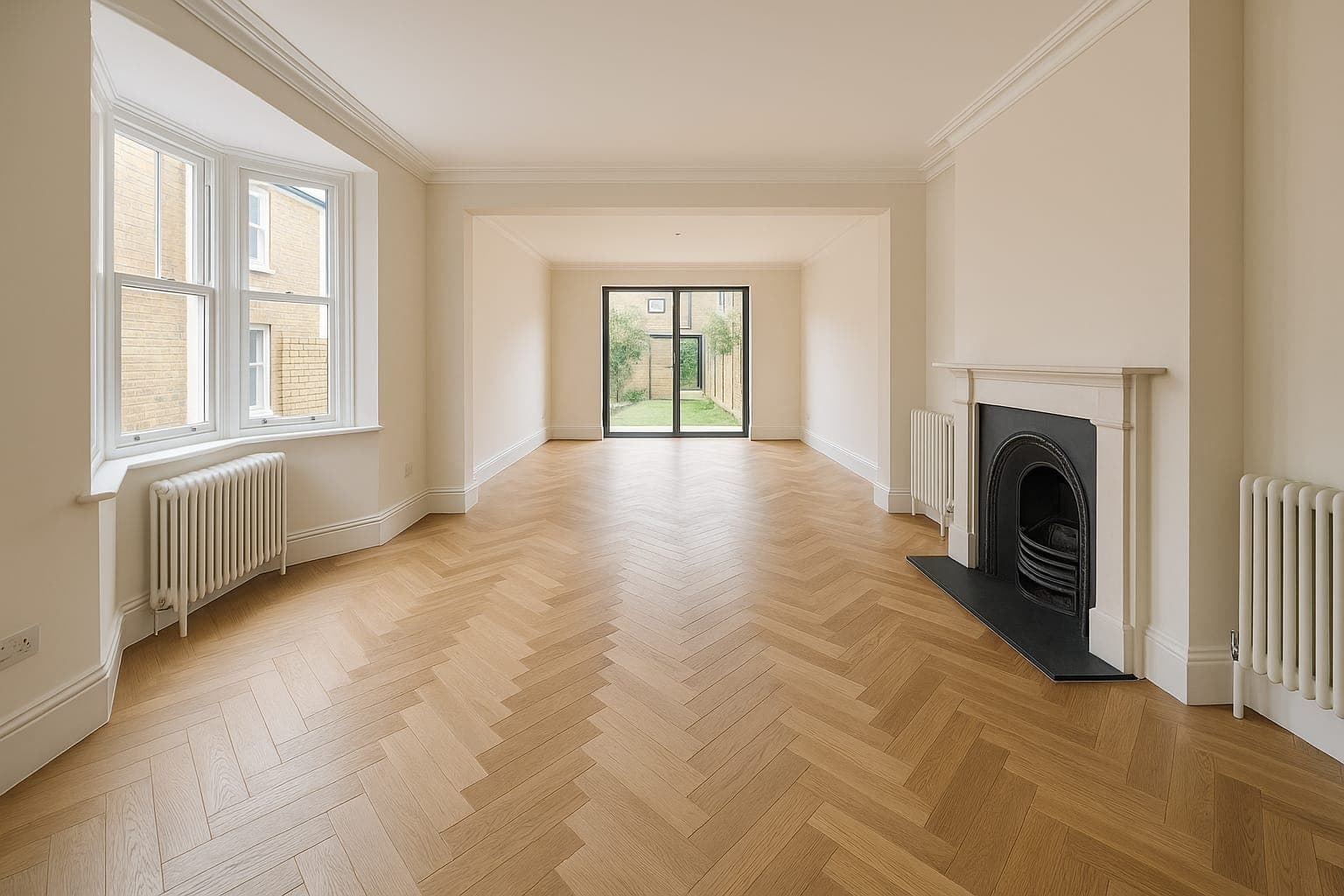
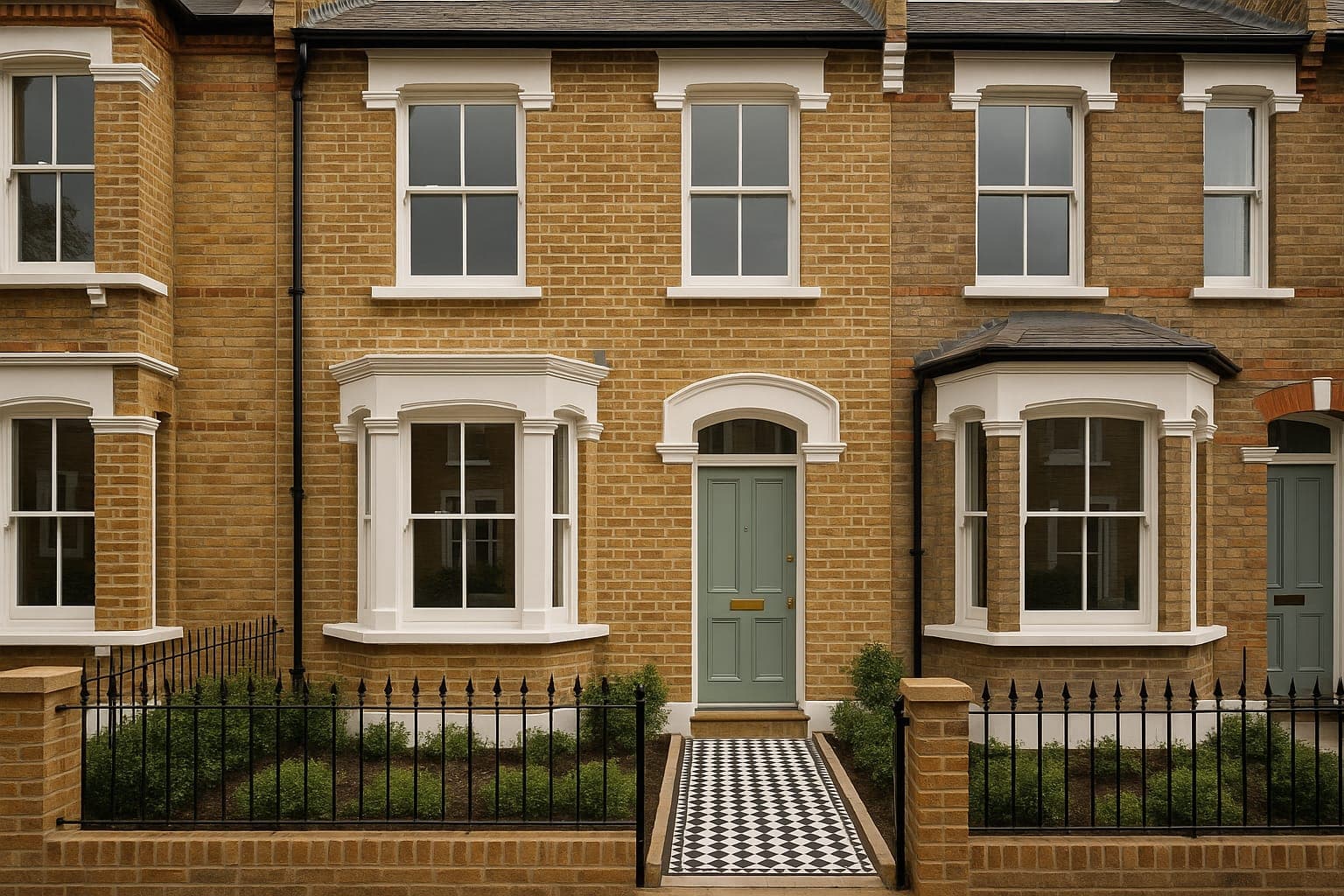
Period Property Renovation across South East London

What Our Customers Say
“So happy with the work done by Les and Richard!! We bought a house that needed new paint, cracks filled, a new bathroom fan and some mold removal and they did it all. The quality of the work is phenomenal; it looks like a brand new house. We’ll definitely be hiring them for our future projects!”

Brenna Bodine
7 months ago
“We've had a media wall put in place with fireplace. Richard was very professional and everything that I had got addressed fast. The medial wall looks great, would def recommend them”

Raluca Andra
3 months ago
“So happy with Joel’s work in refurbishing my flat. There was no job too big or small for him and all done to a high standard. I won’t hesitate to use him again!”

Callum Stone
8 months ago
Accredited & Certified
Frequently Asked Questions
- Do I have rising damp?
- Probably not. Genuine rising damp is far rarer than the treatment industry suggests, and most of what we survey in period houses is a modern repair trapping water: cement pointing or render on a soft brick wall, ground levels raised above the original slate damp course, or air bricks to the suspended floor blocked up. A surface moisture meter reads the salts left behind by years of this as though they were water, which is why so many properties get diagnosed with rising damp. Where a reading is ambiguous we drill a sample and run a carbide test, and we look at gutters, downpipes and ground levels outside before recommending anything at all.
- Can I just skim over the old lime plaster?
- You can, and on a dry internal wall it is often fine. On an external solid wall it usually is not. Gypsum plaster holds water where lime releases it, so against a wall that gets damp seasonally the skim goes soft, loses its bond and blows, generally within two or three years and generally after you have decorated. We test the existing plaster, keep what is sound, and patch in lime where the wall needs to breathe. Where a wall is already dry and has been skimmed by a previous owner, we leave it alone rather than manufacture work.
- Will you have to pull down my lath and plaster ceilings?
- Only where the keys have failed. A lath and plaster ceiling holds its plaster through nibs squeezed between the laths, and when enough of those shear the ceiling starts moving as a sheet, which is a safety issue. We tap and test each room. Where the keys are sound we screw and wash the ceiling back rather than replacing it, because in most Victorian rooms the cornice is bedded into that ceiling and taking one down takes the other with it. Cornice can be recast from a squeeze mould, but it is never quite the original run.
- Should I insulate the walls of a Victorian house?
- Sometimes, and rarely with the products sold for it. Standard internal wall insulation puts an impermeable board and a vapour barrier on the inside of a wall that has no cavity, which moves the dew point into the masonry and lets moisture condense behind the board where you cannot see it. If we do insulate we use a breathable build-up such as wood fibre bedded and finished in lime, so the wall can still dry inwards. On a lot of period houses the better spend is draughtproofing the sash windows, insulating the loft properly and secondary glazing, which costs less and does more for how the house actually feels.
- How much does a period property renovation cost in London?
- Period houses in South London start from around £1,400 per square metre for a full renovation, fixed in writing after a site visit. That sits above a comparable modern house, and the difference is not the finish. It is lime rather than gypsum, repointing rather than repainting, retaining and repairing ceilings rather than boarding them, and running services around a structure with no cavity. We price the known work fixed and carry a named provisional sum for what opening up reveals, with the rate agreed before we start, so you are not exposed to an open-ended bill.
Related Services
Get a Free Period Renovation Quote
Free site visit. No-obligation quote. We respond within 24 hours — usually the same day.
Book Free Consultation