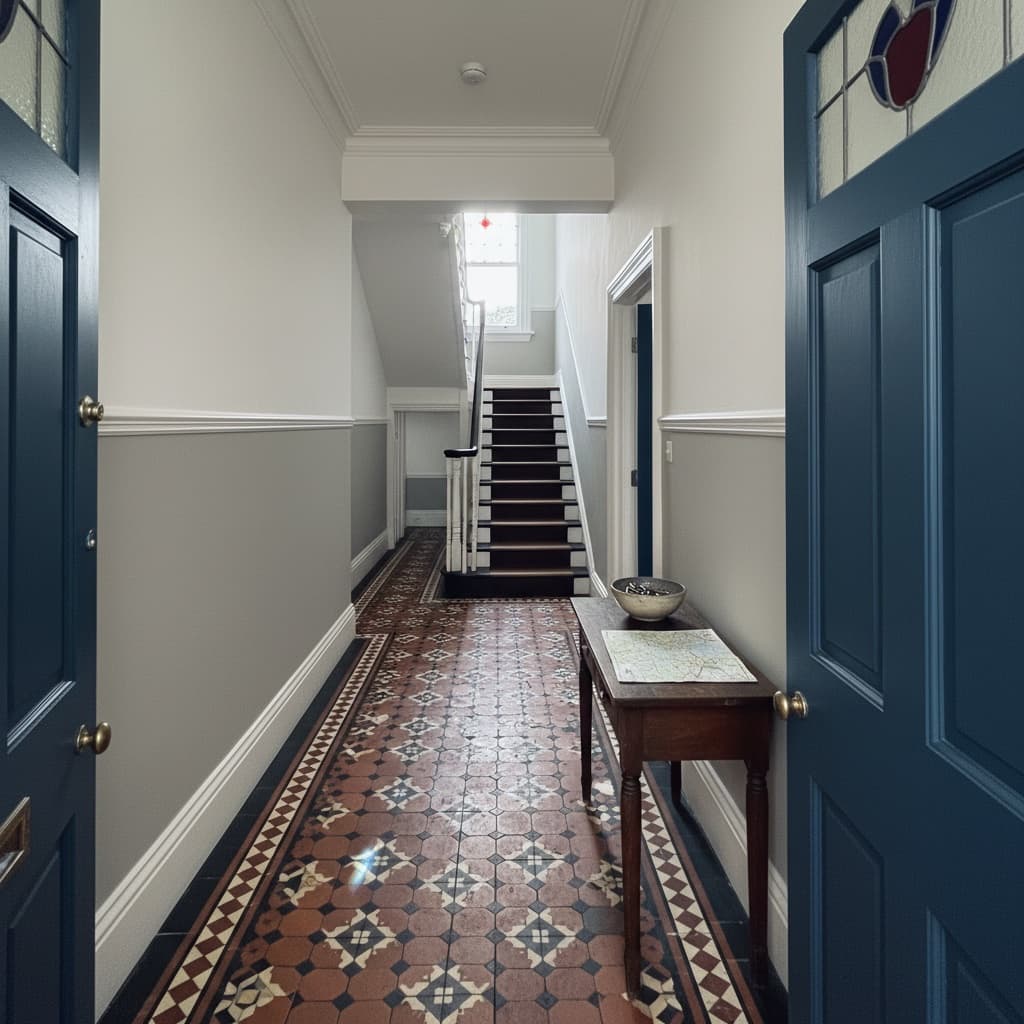
House Renovation in Streatham (SW16)
Professional house renovation in Streatham, South London.
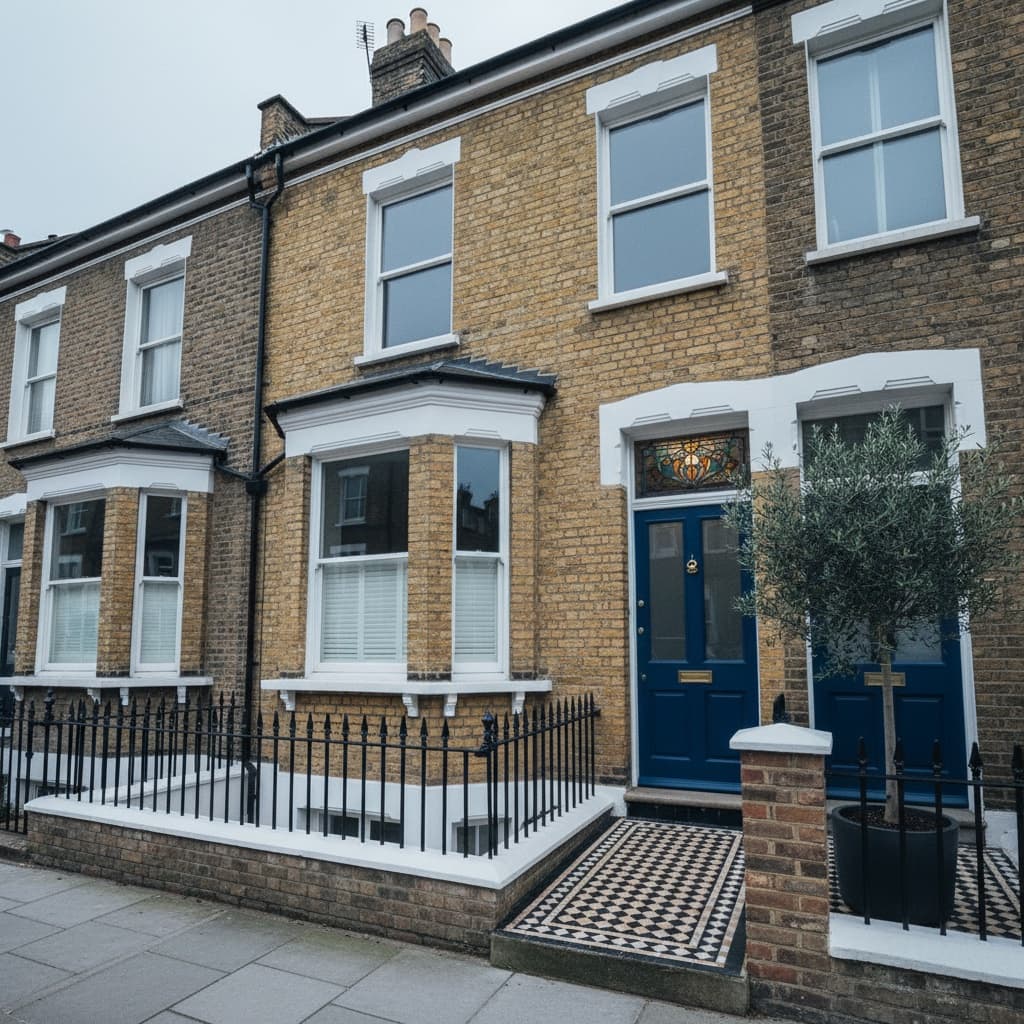
Why Choose All Well for Property Renovation in Streatham?
Streatham is increasingly popular with families who want a period house and are willing to invest in renovation. The Edwardian terraces around Streatham Hill and the larger houses near Streatham Common offer good space, and a well-executed renovation transforms these into proper family homes. We coordinate every trade, electricians, plumbers, plasterers, carpenters, decorators, under one project manager, so you don't spend your weekends chasing different contractors.
Every project comes with a fixed-price contract, single project manager, and full certification including Building Control sign-off.
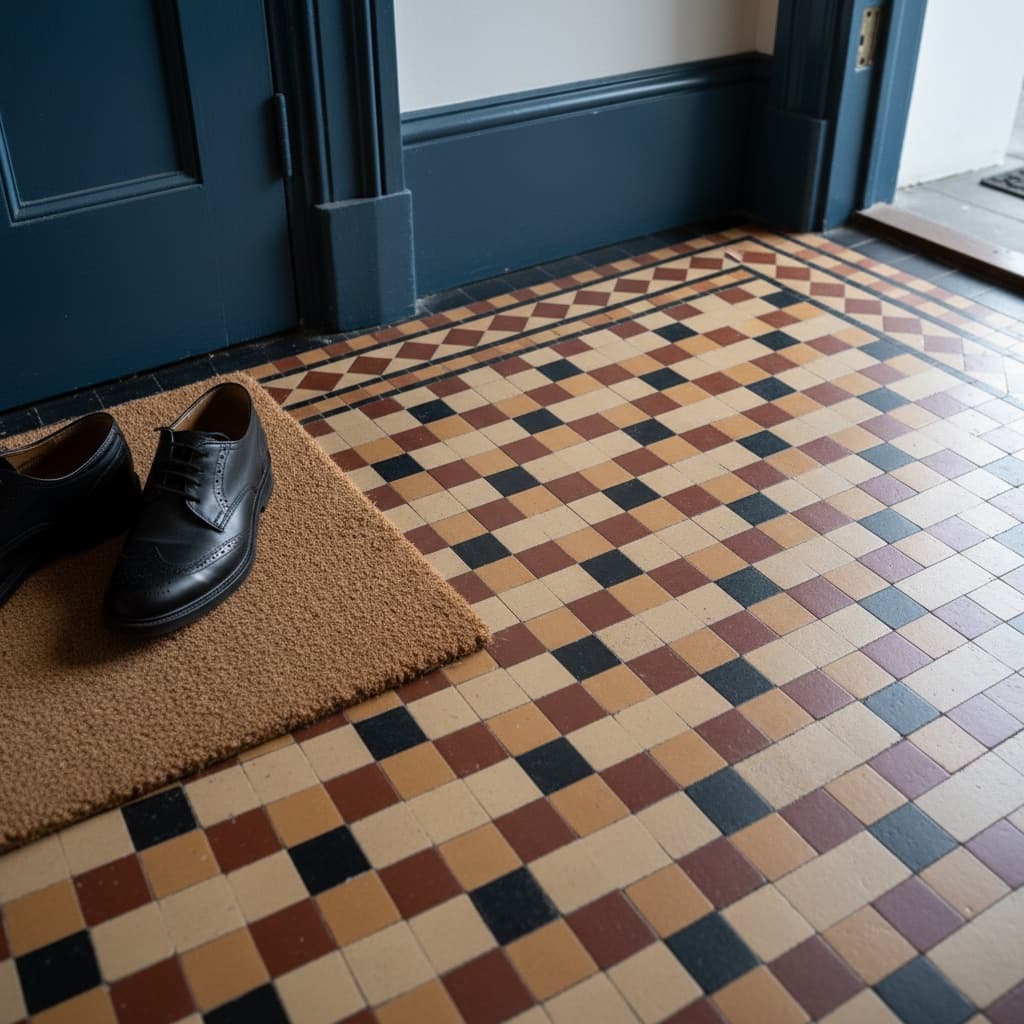
Property Renovation for Streatham Properties
Streatham is known for its edwardian terraces, victorian semis, 1930s houses. Our property renovation services are tailored to these property types, ensuring results that complement the character of your home.
Postcodes we cover: SW16
Property Renovation Tip for Streatham Homeowners
Streatham's housing stock is a mix of construction types, which means renovation approaches vary from house to house. The Edwardian terraces have solid brick walls and slate roofs, while the 1930s houses have cavity walls and concrete tile roofs. The solid-walled Edwardians need different insulation treatment from the cavity-walled 1930s properties. We assess each property on its merits rather than applying a one-size-fits-all approach. The survey determines the spec, not a template.
What a full property renovation covers in SW16
Three project patterns account for most of what we run in Streatham. The one that applies depends on your property type and what you need from the space.
Edwardian terrace renovation on Streatham Hill and surrounding streets
The terraces along Streatham Hill, Mount Nod Road, and the streets running off Streatham High Road have solid 9-inch brick walls (or early cavity walls on the later 1900s to 1910 properties), slate roofs, original sash windows, and high ceilings, typically 2.7 to 2.9 metres on the ground floor. Standard scope includes a full rewire to BS 7671, full replumb replacing original lead supply pipes and corroded cast-iron soil stack, structural opening-up of the ground floor, sash window restoration, lime plaster repairs, new kitchen and bathrooms, and complete decoration. Build time runs to 14 to 20 weeks.
1930s semi renovation near Streatham Common and Streatham Vale
The cavity-wall semis built between 1925 and 1939 around Streatham Common and Streatham Vale have a regular layout, suspended timber ground floors, and concrete-tile roofs. The construction is sound and predictable, a different specification from the solid-walled Edwardians, and typically a 16 to 22 week programme. Combined renovation plus loft conversion is the third pattern, used where a family needs a fourth or fifth bedroom. Running it as a single coordinated project trims 4 to 8 weeks off the total programme and keeps every trade working to one sequence.
Insulation and services on Streatham's mixed housing stock
Streatham housing splits broadly between pre-1910 solid-wall Edwardians and 1925 to 1939 cavity-wall semis. The thermal upgrade approach is fundamentally different for each, and we assess the property at survey rather than applying a template.
Internal wall insulation for SW16 Edwardian solid-brick walls
Pre-1910 Edwardians have solid 9-inch brick walls with no cavity, untreated U-value around 1.7 W/m²K. The practical route is internal wall insulation: typically 50 to 75mm rigid PIR with vapour control layer and plasterboard skim, achieving U-value 0.30 to 0.35 W/m²K. That removes 75 to 90mm of floor area per external wall, so we plan the layout around it. Services on these properties typically also need a full rewire to BS 7671 and a full replumb, with a combi or unvented cylinder upgrade commissioned to BS 7593.
Cavity-fill insulation for 1930s semis and Lambeth planning considerations
Post-1925 semis have cavity walls with an untreated U-value around 1.0 W/m²K. Bonded bead or mineral wool injected through 22mm holes in the mortar joints brings that to 0.30 to 0.40 W/m²K with no internal floor area lost. The Streatham Common conservation area covers a substantial area south-east of the common including some of the larger period villas. Within it, front-facing changes, window replacement, render colour, roof material, need conservation review from London Borough of Lambeth. Internal work is unaffected. We check the boundary on the Lambeth planning portal at survey before quoting any external scope.
How we manage a Streatham renovation project from survey to handover
A full renovation in SW16 typically involves 12 to 16 trades over 14 to 22 weeks: demolition, structural engineering, drainage, electrics (NICEIC), plumbing, gas (Gas Safe), plastering, joinery, kitchen fitting, tiling, flooring, glazing (FENSA), painting, decoration. One project manager runs it from survey through to handover, with photo updates throughout.
Building Regulations and Lambeth Council sign-off for Streatham renovations
Internal renovations do not need planning permission. Lambeth Building Control inspects at structure, drainage, insulation, and completion stages. Regulations apply for the rewire (Part P), structural opening-up (Part A), drainage (Part H), and thermal performance (Part L: U-value 0.18 W/m²K for new walls and roof, with internal wall insulation on existing solid Edwardian walls specified to 0.30 to 0.35 W/m²K). Where streets carry Article 4 directions affecting front-of-property changes, we verify the planning status on the Lambeth portal before quoting. Fixed-price contracts cover labour, materials, all fees, structural engineer calculations, FENSA registration, party wall surveyor coordination, conservation area applications where relevant, and Building Control fees. The price is confirmed after a free site visit and doesn't change unless the specification does.
Property Renovation in Streatham: What's Included
How I price property renovation in Streatham
I price every property renovation job in Streathamafter I’ve seen it. No two properties are the same, so a number here would only mislead you. What you get instead is a fixed-price contract, a week-by-week programme, and no costs that turn up later.
Get a fixed quoteWhat Our Customers Say
“All Well managed our project from start to finish. The fixed-price contract meant no surprises, and the result is stunning.”
Verified Customer
Streatham
“Professional team, clear communication throughout. They handled everything including Building Control sign-off.”
Verified Customer
Streatham
Frequently Asked Questions
- What does a Streatham property renovation involve?
- It depends on the property. Edwardian terrace renovation around Streatham Hill is a full rewire to BS 7671, full replumb, structural opening-up of the ground floor, sash window restoration, lime plaster repairs, new kitchen and bathrooms, and complete decoration. 1930s semi renovation around Streatham Common and Streatham Vale is a different specification because the construction is cavity-wall with suspended timber floors and concrete-tile roofs. Combined renovation plus loft conversion is the third pattern, used where a family needs a fourth or fifth bedroom run as a single coordinated project. Internal wall insulation on solid Edwardian walls and cavity-fill insulation on 1930s semis are both options we spec from the survey. Fixed-price contract confirmed after a free site visit, before any work starts. The price doesn't change unless the specification does.
- How does the thermal upgrade differ between Streatham Edwardians and 1930s semis?
- Fundamentally different approaches because the wall construction is different. Pre-1910 Edwardians have solid 9-inch brick walls (no cavity) with U-value around 1.7 W/m²K. The only practical option is internal wall insulation, typically 50-75mm rigid PIR with vapour control and plasterboard skim, achieving U-value 0.30-0.35 W/m²K. Steals 75-90mm of internal floor area per external wall. Post-1925 semis have cavity walls with U-value around 1.0 W/m²K untreated. Cavity-fill insulation (bonded bead or mineral wool injected through 22mm holes drilled in the mortar joints) achieves 0.30-0.40 W/m²K with no internal floor area lost. We assess each property at the survey rather than applying a template.
- Does the Streatham Common conservation area restrict my renovation?
- Only on external alterations, not internal work. The Streatham Common conservation area covers a substantial area south-east of the common including some of the larger period villas. Within it, front-facing changes (window replacement, render colour, roof material) need conservation review and Lambeth can refuse retrospective consent for inappropriate work. Internal renovations (rewire, replumb, structural opening-up, kitchen, bathrooms, plastering, decoration) are unaffected. Where original sash windows are being restored rather than replaced, the conservation team welcomes the approach. We check the boundary on the Lambeth planning portal at the survey before quoting any external work.
- Why hire All Well for a Streatham property renovation?
- Three reasons. First, we know the SW16 stock: solid-wall Edwardians around Streatham Hill versus cavity-wall 1930s semis around Streatham Common, the different thermal upgrade approaches, and the Streatham Common conservation area boundary. Second, full accreditation: NICEIC for electrical (BS 7671), FENSA for glazing, Gas Safe registered for boiler work, structural engineer calculations included, and Building Control sign-off on every project. Third, fixed-price contracts: the quote doesn't change unless the specification does. Office on Limes Avenue, SE20.
All Well has completed 100+ projects across 25 London boroughs since 2020. We are NICEIC approved for electrical work, FENSA registered for glazing, and CHAS certified for site safety, with Public Liability insurance to £5 million. 57+ Google reviews average 4.9 stars. All Well Property Services® is a UK registered trademark, Companies House no. 12721034, operating from Unit 1 Limes Avenue, Anerley SE20 8QR.
Property Renovation Near Streatham
Get a Free Quote for Your Streatham Property Renovation
Fixed-price quote, no obligation. Call us or fill out our form.