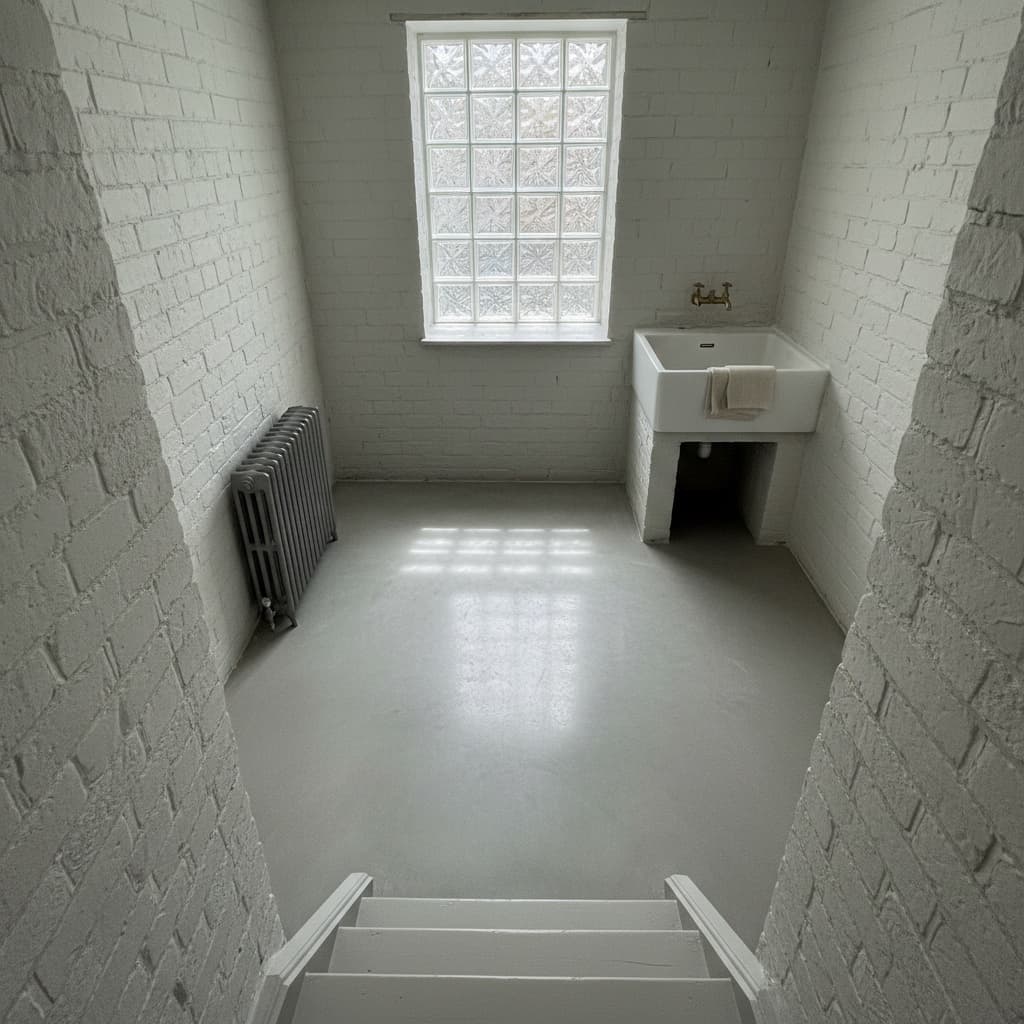
Damp Proofing Specialists in South East London
Damp ruins walls, damages health, and knocks thousands off your property value.
All Well Property Services provides professional damp proofing across South East London. I price every project individually after a free site visit, so you get a clear written quote with a week-by-week programme rather than a calculator estimate. All projects include a fixed-price contract, single project manager, and full Building Control sign-off. Call 020 3920 9617 for a free consultation.
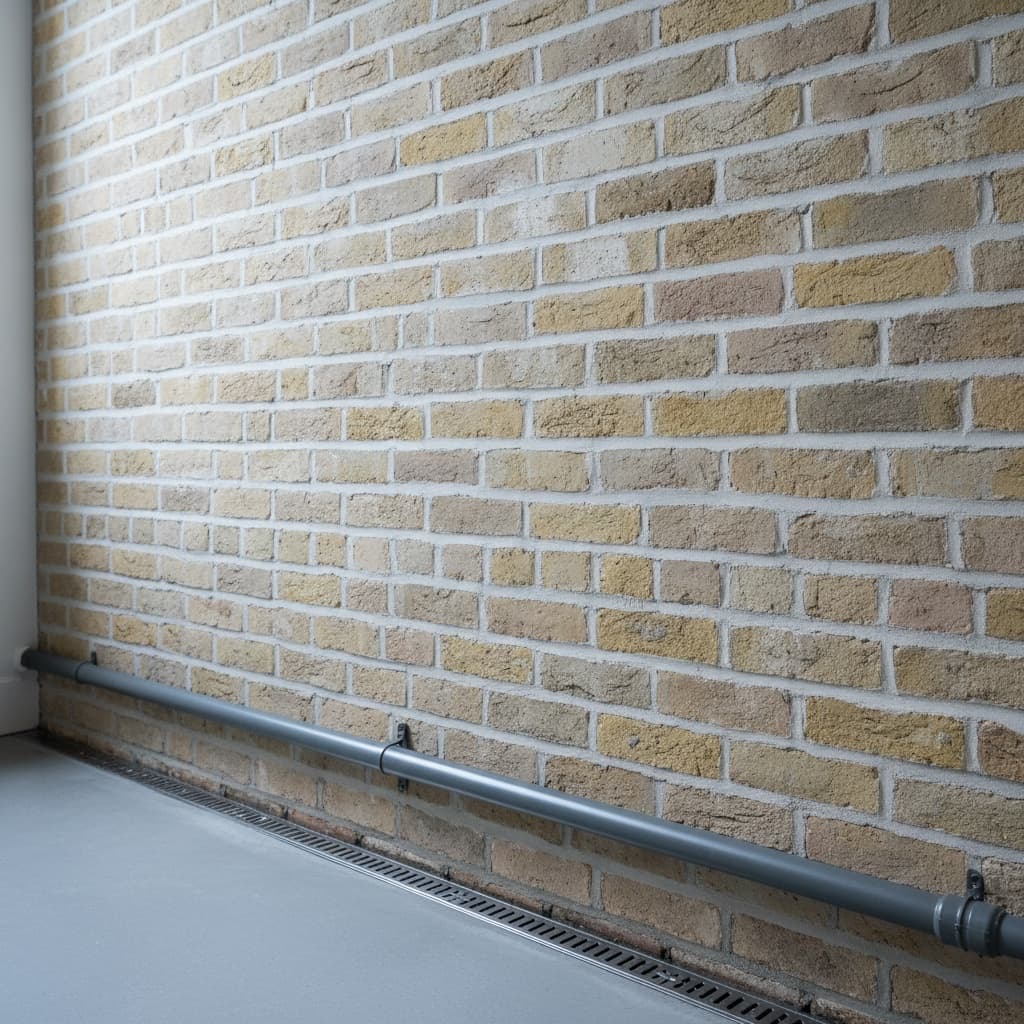
What We Offer
Damp ruins walls, damages health, and knocks thousands off your property value. We diagnose the cause — rising damp, penetrating damp, or condensation — and fix it with guaranteed treatments that last.
- ✓Rising damp treatment
- ✓Penetrating damp solutions
- ✓Condensation management
- ✓Damp surveys and diagnosis
- ✓Chemical DPC injection
- ✓Tanking and waterproofing
- ✓Replastering after treatment
- ✓Long-term guarantee included
How I price damp proofing
I quote every job after a free site visit. The price covers materials, labour and a realistic programme, all fixed in writing before we start. No hidden costs, no mid-job surprises.
Book a free site visitWhat Affects the Cost?
- •Type of damp (rising, penetrating, or condensation)
- •Number of walls and area affected
- •Whether replastering is needed after treatment
- •Basement tanking vs DPC injection
- •Access to external walls
Damp proofing specialists across South London
We are damp proofing specialists working across South London, and I run every job personally. Damp is common in the pre-1930 housing stock here, where the original slate damp-proof courses have failed over the decades. We have diagnosed and fixed rising damp, penetrating damp and condensation across the area since 2020.
A damp specialist who diagnoses before quoting
As a damp specialist I see the same mistake from general builders again and again. They treat the symptom without confirming the cause. We carry calibrated moisture meters and thermal imaging to every survey, and we identify which of the three damp types you actually have. The treatment for rising damp is nothing like the treatment for condensation, so the diagnosis is most of the job.
Where we work and why the ground matters
For damp proofing in London the boroughs we cover most are Anerley, Penge, Crystal Palace, Catford, Lewisham, Bromley, Camberwell, Forest Hill and Sydenham. The lower-lying streets near rivers like the Quaggy, Ravensbourne and the Tyburn-Effra system sit on wetter ground than the higher slopes. When the original DPC fails on those streets, rising damp comes through harder and faster.
Damp proofing near me, done by the director
When you search for damp proofing near me you usually get a salesperson, then a fitter you never meet. With us you deal with me from survey to handover. I am on site, I check the moisture readings myself, and I sign off the work before it gets plastered.
Types of damp work we handle
Damp falls into a handful of distinct problems, and each needs its own fix. Below is the work we take on, from the survey through to the replastering that finishes it. We do not guess between them. We confirm the cause first, then treat it.
Rising damp and DPC injection
Rising damp shows as a tide mark up to a metre high with salt deposits and blown plaster, and it means the damp proof course has failed or was never there. We fix it with chemical DPC injection. We drill 12mm holes at 100 to 120mm centres into the mortar course, then inject a silicone-based cream to form a new barrier. A fresh DPC injection lasts because we install it to the established Code of Practice height, 150mm above external ground or 75mm above internal floor.
Penetrating damp
Penetrating damp comes through the external fabric rather than up from the ground, so it shows as isolated patches that worsen after rain. The cause is usually failed pointing, cracked render, a blocked downpipe or damaged flashing, and we see it most on exposed south-west elevations. We trace the entry point and repair the fabric, because no internal coating holds back water that is still getting in from outside.
Condensation and mould
Condensation treatment is the right answer for the black mould most people find in bathroom corners, behind wardrobes and on cold external walls. It comes from warm, moist air meeting cold surfaces, not from groundwater, so injecting a wall does nothing. For mould removal that lasts we treat the affected surfaces, then fix the ventilation with extractor fans or a PIV system so the moisture has somewhere to go.
Basement and cellar tanking
Basement tanking turns a damp cellar into dry, usable space by holding back water pressure from the surrounding ground. For cellar tanking we use either a cementitious slurry coating bonded to the structure or a cavity drain membrane that channels water to a sump. Basement waterproofing is a different discipline to a wall DPC, and getting it wrong means a flooded room, so we specify the system to the conditions we find on the survey.
Woodworm and timber treatment
Woodworm treatment goes hand in hand with damp work, because the beetle thrives in the damp joists and skirtings that a damp problem leaves behind. We check whether the infestation is active before treating, then apply a timber treatment to the affected wood. Fixing the damp source is part of the job. Leave it wet and the problem comes back.
Damp surveys and diagnosis
A proper damp survey is where every job starts, and it is the step most failed treatments skipped. We take calibrated moisture meter readings on every affected wall, inspect gutters and downpipes externally, and assess internal ventilation. You get a written report telling you which damp type you have and what it needs, not a sales pitch for a treatment you may not require.
Replastering after damp treatment
Damp replastering is the finishing step after a DPC, and rushing it is how the problem returns. We let the wall dry for four to six weeks, then apply a salt-resistant render such as Limelite or a Tarmac salt-resistant base coat so the old salts cannot wick through into your new plaster. Replaster a wall that is still wet and the same tide mark is back within six to twelve months.
Damp proofing standards, certifications and guarantees
Damp work only holds up if it follows the right method and is backed properly. We install chemical DPCs to the established Code of Practice for diagnosing rising damp and fitting a chemical damp-proof course, using silicone-based creams from BSI-approved suppliers such as Permagard. The 3 types of DPC, rising, penetrating and condensation, each have their own signature, and we treat all three.
How we install a chemical DPC
Injection holes are 12mm in diameter at 100 to 120mm centres, drilled into the mortar course at the correct height for the wall. Diagnosis comes first. Calibrated moisture meters such as a Protimeter or Tramex confirm the cause at the survey before we quote a penny. The most common mistake in damp work is treating the wrong cause, and we do not make it.
Guarantee, replastering and insurance
All our DPC work carries a 20-year guarantee against re-occurrence in the treated walls, and that guarantee is transferable to whoever owns the property next. We provide a Property Care Association compliant certificate that solicitors ask for during conveyancing and lenders ask for at valuation. We hold CHAS certification, Public Liability insurance to five million pounds, and Asbestos Awareness training, which matters when we strip old artex or textured ceilings during a damp repair.
How we deliver a damp proofing project
Diagnosis first, then a price you can hold us to. We will not quote a treatment until we have confirmed what is causing the damp.
Survey and fixed-price quote
The survey includes calibrated moisture readings on every affected wall, an external check of gutters and downpipes, and an assessment of internal ventilation. After it we issue a fixed-price quote covering the DPC injection, the drying period, replastering with salt-resistant render, and decoration where included. The quote holds unless the cause turns out to differ from the diagnosis, which is rare and usually traces back to inconclusive meter readings at the survey.
Drying time and transferable guarantee
Walls need four to six weeks to dry after DPC injection before we replaster, so we book a return visit to check the moisture levels with the calibrated meter before the final plaster coat goes on. Rush the drying and the problem resurfaces around six months later. Every DPC job carries a 20-year transferable guarantee, with a certificate handed over for solicitor enquiries at sale. We operate from Unit 1 Limes Avenue, Anerley, London SE20 8QR, Companies House number 12721034.
Free tools for planning your project
No email required. Get instant estimates and planning answers before you book a consultation.
Damp Proofing Calculator
Estimate the cost of damp proofing your property in London. Factor in damp type, number of walls affected, replastering needs, and your borough for a personalised cost breakdown.
Best Month
See historic rainfall and temperature for your postcode every month, plus the best window for external work. Live data from the Open-Meteo archive (Met Office and ECMWF).
Listed Check
Check whether your property is a listed building or sits inside a conservation area, and what that means for renovation work. Live data from Planning.data.gov.uk and Historic England.
Planning Risk
Traffic-light check of every planning restriction at your postcode: listed buildings, conservation areas, Article 4 directions, Tree Preservation Orders, flood zones. Live data from Planning.data.gov.uk.
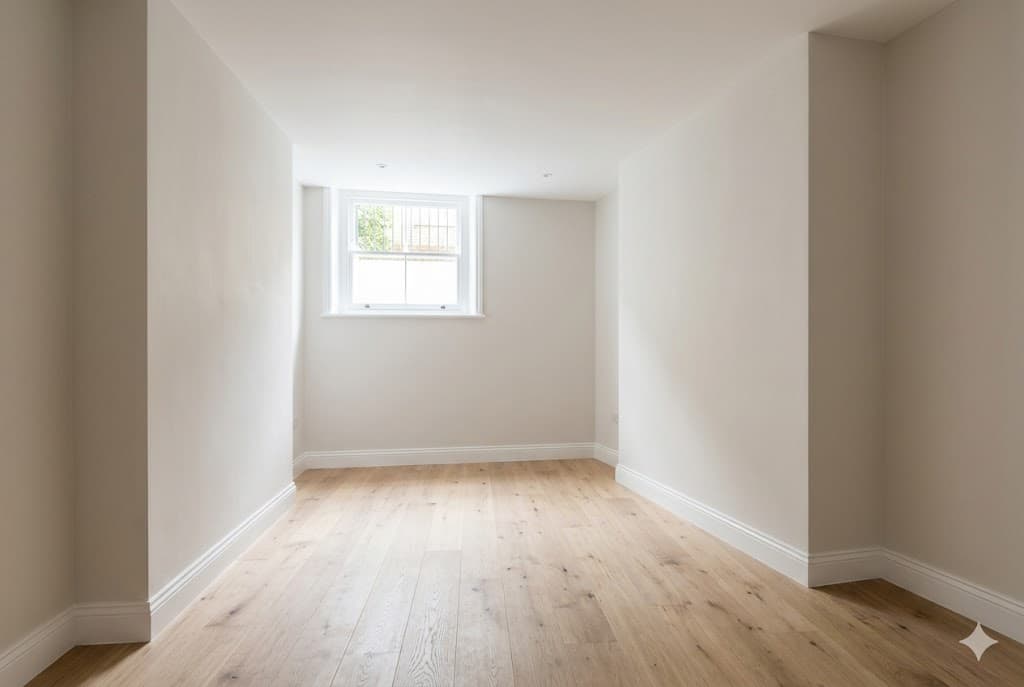
Recent Damp Proofing Projects
Damp Proofing across South East London


What Our Customers Say
“So happy with the work done by Les and Richard!! We bought a house that needed new paint, cracks filled, a new bathroom fan and some mold removal and they did it all. The quality of the work is phenomenal; it looks like a brand new house. We’ll definitely be hiring them for our future projects!”

Brenna Bodine
6 months ago
“We've had a media wall put in place with fireplace. Richard was very professional and everything that I had got addressed fast. The medial wall looks great, would def recommend them”

Raluca Andra
2 months ago
“A totally outstanding experience from Richard and his team. Les did an absolutely amazing job of turning around the much needed re decoration of my apartment at the end of a long tenancy, pulling out all the stops to deliver a first class job on a tight timeframe. The Electrician assigned also turned things around quickly and again to a high standard. Extremely professional and I don’t hesitate to recommend or use again in the future.”

Charlie Watson
2 months ago
Accredited & Certified
Frequently Asked Questions
- What are the different types of damp?
- The three main types of damp in London properties are rising damp, penetrating damp, and condensation. Rising damp occurs when groundwater travels upward through walls by capillary action, usually because the original damp-proof course has failed or was never installed — common in Victorian and Edwardian terraces built before 1920 across boroughs like Lewisham, Southwark, and Greenwich. It typically shows as a tide mark up to 1 metre high with salt deposits (efflorescence) and blown plaster. Penetrating damp enters through external walls, roofs, or around windows due to failed pointing, cracked render, or damaged flashings — we see this frequently in exposed south-west facing elevations. Condensation is caused by excess moisture in the air meeting cold surfaces, and is the most common cause of black mould in bathrooms and kitchens. Each type requires a fundamentally different treatment — we diagnose the cause using professional-grade moisture meters and thermal imaging cameras before recommending a solution.
- How can I tell if my house has a damp problem?
- Common warning signs include peeling or bubbling wallpaper, black mould growth (especially in corners and behind furniture where air circulation is poor), a persistent musty smell, white salt deposits (efflorescence) on walls, damp patches that feel cold to the touch, rotting skirting boards or window frames, and condensation regularly forming on windows during cooler months. In older London properties — particularly Victorian terraces built between 1850 and 1910 across South East London — damp is especially common at ground floor level where the original slate or bitumen damp-proof course may have deteriorated or bridged by raised external ground levels. Moisture readings above 20% on a protimeter-type meter generally indicate an active damp problem requiring treatment. We offer a free damp inspection where we use calibrated moisture meters and thermal imaging to diagnose the type and severity of the problem, then provide a written report with recommended treatments and a fixed-price quote.
- Do you offer a guarantee on damp proofing work?
- Yes, all our damp proofing treatments come with a written guarantee backed by both our company and the product manufacturers. Chemical DPC injection treatments using silicone-based cream systems from suppliers like Safeguard or Sovereign carry a 20-year guarantee as standard. Basement tanking systems using cementitious slurry coatings or cavity drain membranes are guaranteed for 10 years. External waterproofing and penetrating damp repairs are guaranteed for the expected lifespan of the materials used, typically 10-15 years depending on exposure. The guarantee covers both materials and workmanship, and we provide full documentation including a Property Care Association compliant certificate that you can pass on if you sell the property. This documentation is routinely requested by solicitors during conveyancing and by mortgage lenders during valuations, so having a properly guaranteed treatment from a reputable contractor adds measurable value when you come to sell and avoids potential issues with property transactions.
Related Services
Get a Free Damp Proofing Quote
Free site visit. No-obligation quote. We respond within 24 hours — usually the same day.
Book Free Consultation