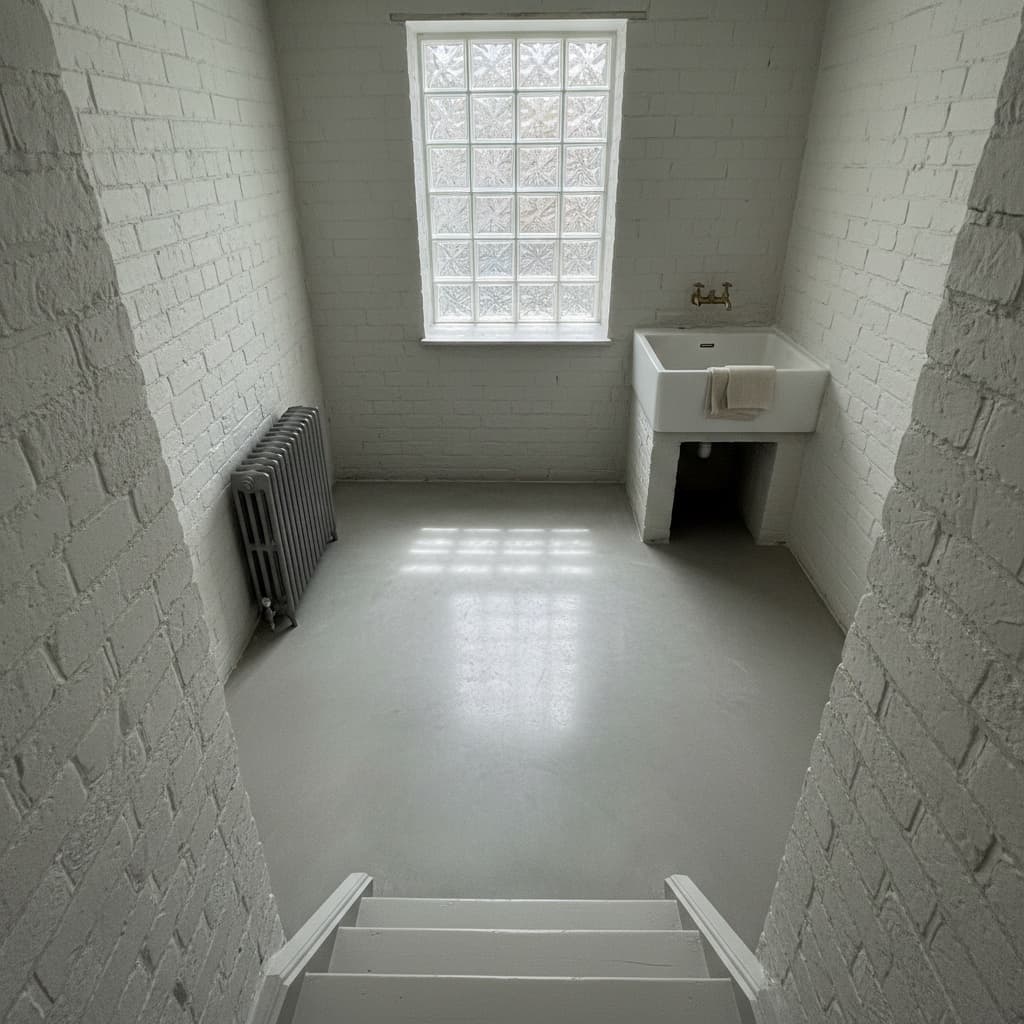
Damp Proofing Specialists in Crystal Palace (SE19, SE20)
Professional damp proofing specialists in Crystal Palace, South East London.
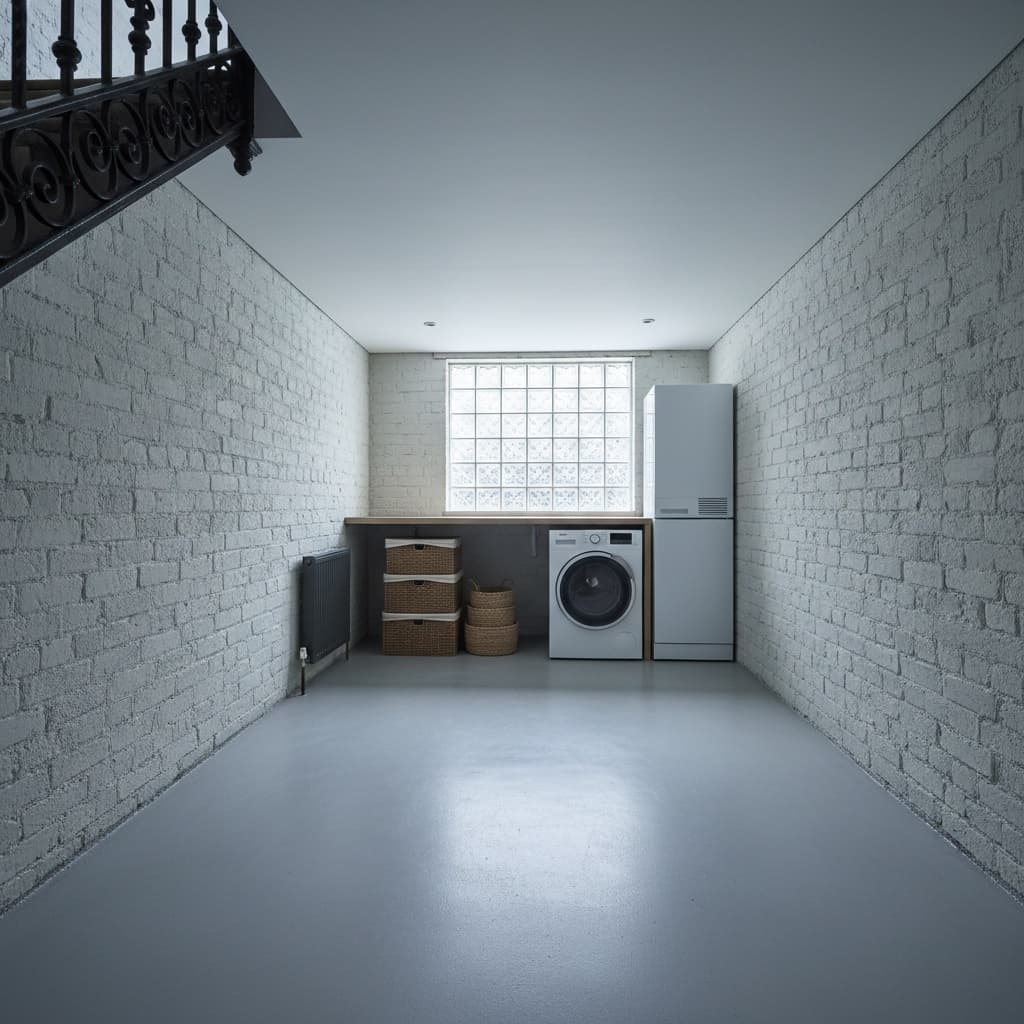
Why Choose All Well for Damp Proofing in Crystal Palace?
Crystal Palace's hillside location creates specific damp challenges. Properties on the lower slopes are prone to rising damp where groundwater levels are higher, while properties higher up can suffer penetrating damp from wind-driven rain hitting exposed elevations. The Victorian terraces here also get condensation problems in bathrooms and kitchens where original ventilation has been blocked up. We diagnose which type of damp you have, they need different treatments, and fix the actual cause rather than papering over it.
Every project comes with a fixed-price contract, single project manager, and full certification including Building Control sign-off.
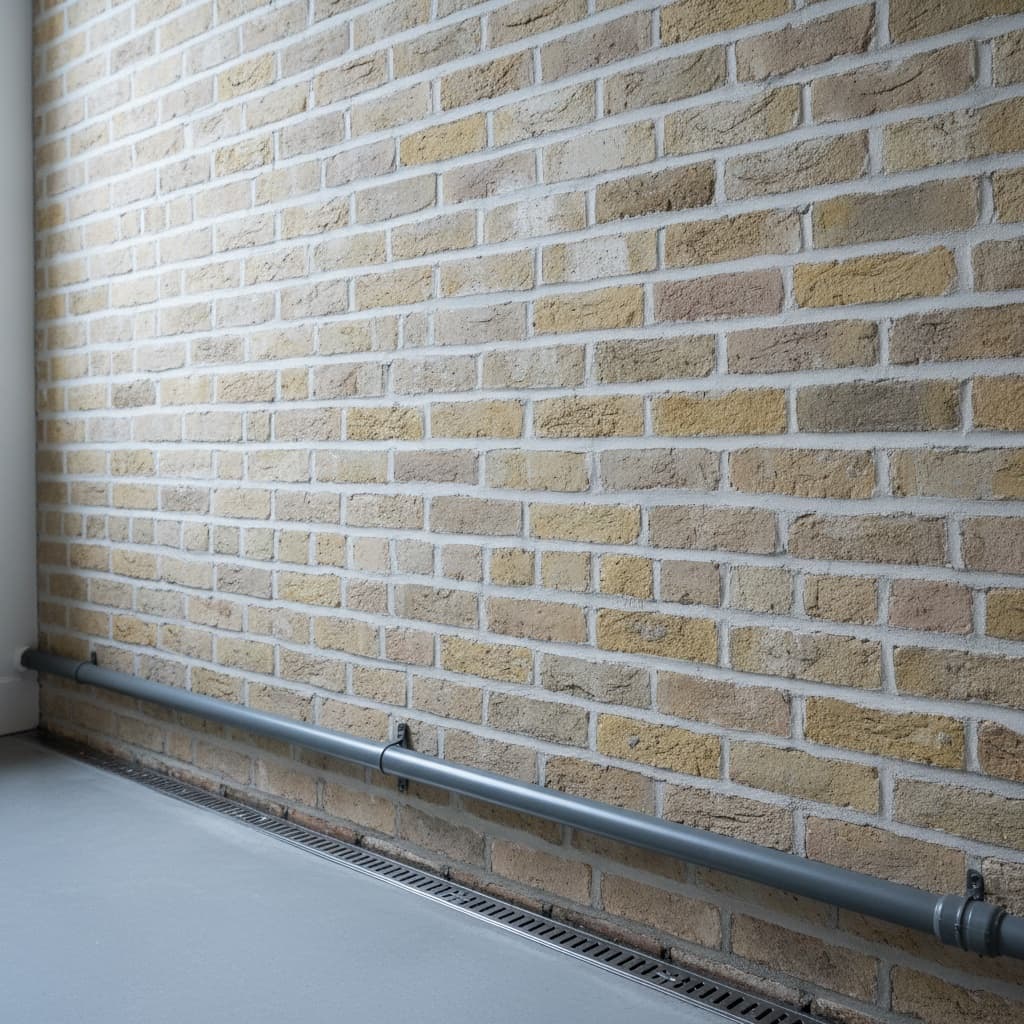
Damp Proofing for Crystal Palace Properties
Crystal Palace is known for its victorian terraces, edwardian semis, period properties. Our damp proofing services are tailored to these property types, ensuring results that complement the character of your home.
Postcodes we cover: SE19, SE20
Damp Proofing Tip for Crystal Palace Homeowners
The hillside topography in Crystal Palace means some properties have retaining walls at the rear where the garden meets the house. These retaining walls are a common source of penetrating damp, water builds up behind the wall and pushes through into the ground floor. The fix is usually external waterproofing of the retaining wall combined with improved drainage to redirect water away from the house. We assess the full picture before recommending treatment, because treating the symptoms (replastering) without fixing the cause (the retaining wall) means the damp comes back.
The three damp types we fix in SE19 and SE20
Three damp issues account for most of what we treat across Crystal Palace. The hillside topography and Victorian housing stock create a distinct pattern, each type needs a different fix, so getting the diagnosis right first matters.
Rising damp in Crystal Palace's lower-slope Victorian terraces
The Crystal Palace ridge runs through SE19, and groundwater tracks down the slope and accumulates at lower levels around Anerley Hill and the streets towards Penge. Properties here have higher persistent groundwater than those on the upper streets, which makes rising damp more aggressive when the original slate damp-proof course, typical of pre-1920 Victorian terraces, fails after 120+ years. Treatment is chemical DPC injection (silicone-based cream into the mortar course) followed by replastering with salt-resistant render after a 4 to 6 week drying period. 20-year transferable guarantee.
Retaining wall and semi-basement damp on Crystal Palace's upper streets
Many Crystal Palace properties have rear gardens that step up above the house with retaining walls along the back, water builds up behind the wall and pushes through into the ground-floor rear room. Properties higher up the slope around Westow Hill and Church Road face exposed front elevations taking wind-driven rain through failed pointing or cracked render. Hillside Victorian terraces sometimes also have semi-basements at the lower side, with brick walls below ground level on one elevation. Treatment for those is internal tanking with a Newton 503/508 or Triton cavity drain membrane.
How we diagnose hillside damp in Crystal Palace, perched water tables and retaining walls
Crystal Palace's topography produces damp patterns that differ from standard flat-ground rising damp. We survey before recommending anything, diagnosis determines treatment, and getting it wrong means the damp comes straight back.
Perched water tables and retaining wall waterproofing near SE19
Near the Crystal Palace Triangle and the upper slopes, the geology creates perched water tables, pockets of groundwater sitting above the natural water table on impermeable clay layers. Standard chemical DPC alone won't fix these; we supplement with French drains around the base of external walls. For retaining walls, the fix is external waterproofing (Type A barrier system to BS 8102) combined with a French drain along the base to redirect water away from the house. Treating only the inside, replastering without fixing the retaining wall externally, means the damp returns within a year. The survey covers calibrated moisture meter readings (Protimeter or Tramex) on every affected wall, external inspection of gutters, downpipes, render, pointing, retaining walls, and ground levels, and assessment of ventilation. Crystal Palace sits across the London Borough of Bromley, Lambeth, and Croydon boundaries, with the line running roughly along Anerley Hill. Building Control under Bromley is involved in structural work where relevant, but standard chemical DPC work doesn't usually require notification. We confirm which council before quoting.
Damp-proofing process and treatment standards for Crystal Palace properties
We follow established codes of practice for diagnosis and installation. Here is what to expect from survey to finished wall on a Crystal Palace property, and what guarantees come with the work.
Chemical DPC injection, replastering timeline, and BS 8102 basement tanking in SE19
Chemical DPC injection uses silicone-based creams from BSI-approved suppliers. Injection holes are 12mm diameter at 100 to 120mm centres, drilled into the mortar course, typically 150mm above ground level externally or 75mm above floor level internally. The wall then needs 4 to 6 weeks to dry before replastering. We return and check moisture levels with the calibrated meter before applying the final coat, using salt-resistant render (Limelite or Tarmac salt-resistant base coat). Rushing the replaster onto a wall that's still damp causes the problem to return within 6 to 12 months, Crystal Palace clients sometimes call us to fix exactly this kind of botched previous job. Total elapsed time from start to redecorated wall is usually 10 to 14 weeks. For basement and semi-basement tanking we follow BS 8102 (waterproofing of below-ground structures). Type C cavity drain systems, Newton 503/508 or Triton, are our default for habitable spaces: the membrane channels any water that gets through the masonry to a sump, which pumps it out. Type A barrier systems (Triton K11 cementitious tanking) suit simpler applications where the wall is fundamentally dry but needs a moisture barrier. All DPC work carries a 20-year guarantee transferable to subsequent owners; basement tanking systems carry 10-year manufacturer guarantees. We hold CHAS certification, Public Liability insurance to £5 million, and provide documentation suitable for solicitor enquiries at sale.
Damp Proofing in Crystal Palace: What's Included
How I price damp proofing in Crystal Palace
I price every damp proofing job in Crystal Palaceafter I’ve seen it. No two properties are the same, so a number here would only mislead you. What you get instead is a fixed-price contract, a week-by-week programme, and no costs that turn up later.
Get a fixed quoteWhat Our Customers Say
“All Well managed our project from start to finish. The fixed-price contract meant no surprises, and the result is stunning.”
Verified Customer
Crystal Palace
“Professional team, clear communication throughout. They handled everything including Building Control sign-off.”
Verified Customer
Crystal Palace
Frequently Asked Questions
- What does damp-proofing in Crystal Palace involve?
- It depends on the type of damp. Single-wall and full ground-floor chemical DPC injection includes replastering with salt-resistant render once the wall has dried. Penetrating damp repairs vary with the cause and the area affected. External retaining wall waterproofing is paired with a French drain to redirect water away from the house. Basement and semi-basement tanking uses a Type C cavity drain system to BS 8102. For condensation we fit PIV ventilation systems. DPC work carries a 20-year transferable guarantee and basement tanking a 10-year guarantee. The fixed price is confirmed in a written contract after a free site visit, before any work starts.
- Why does the Crystal Palace hillside affect damp problems?
- Two ways. First, lower-slope properties around Anerley Hill and towards Penge have higher persistent groundwater than properties higher up, surface water and shallow groundwater track down the slope and accumulate at the lower levels. This makes rising damp more aggressive when the original DPC fails. Second, properties higher up the slope have rear retaining walls where the garden steps up above the house. Water builds up behind the wall and pushes through into ground-floor rear rooms. The fix needs external waterproofing of the retaining wall, not just internal replastering. We assess the full picture before recommending treatment.
- Can a Crystal Palace basement be tanked?
- Yes. Hillside Victorian terraces sometimes have semi-basements at the lower side that need tanking when the original brickwork is letting water through. We follow BS 8102 (waterproofing of below-ground structures) using Type C cavity drain systems (Newton 503/508 or Triton membrane) as the default. The membrane is installed against the inside of the basement walls and creates a dry usable space behind a new internal lining. Any water that does get through the masonry is channelled to a sump and pumped out. The tanked space is suitable for utility rooms, wine stores, home offices, or guest accommodation.
- Why hire All Well for Crystal Palace damp-proofing?
- Three reasons. First, hillside expertise: we know the SE19 topography, the lower-slope groundwater pattern, the retaining wall failures higher up the slope, and the perched water tables near the Crystal Palace Triangle. Second, diagnosis-first approach: we don't quote a treatment without confirming the cause with calibrated moisture meters and external inspection, we often re-diagnose properties where another contractor's treatment was applied to the wrong cause. Third, fixed-price contracts and a 20-year transferable DPC guarantee. We carry CHAS certification and Public Liability insurance to £5 million. Office on Limes Avenue, SE20, 5-10 minutes from any Crystal Palace property.
All Well has completed 100+ projects across 25 London boroughs since 2020. We are NICEIC approved for electrical work, FENSA registered for glazing, and CHAS certified for site safety, with Public Liability insurance to £5 million. 57+ Google reviews average 4.9 stars. All Well Property Services® is a UK registered trademark, Companies House no. 12721034, operating from Unit 1 Limes Avenue, Anerley SE20 8QR.
Get a Free Quote for Your Crystal Palace Damp Proofing
Fixed-price quote, no obligation. Call us or fill out our form.