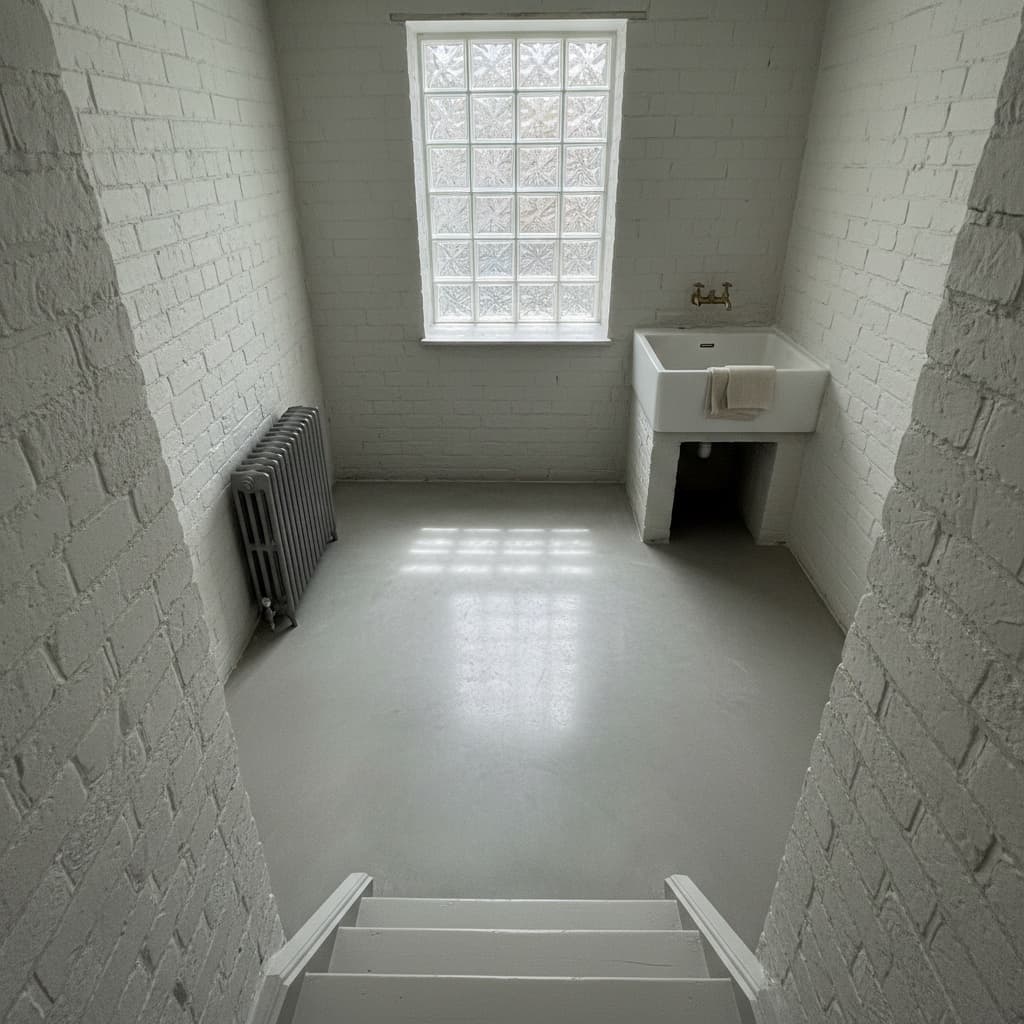
Damp Proofing Specialists in Penge (SE20)
Professional damp proofing specialists in Penge, South East London.
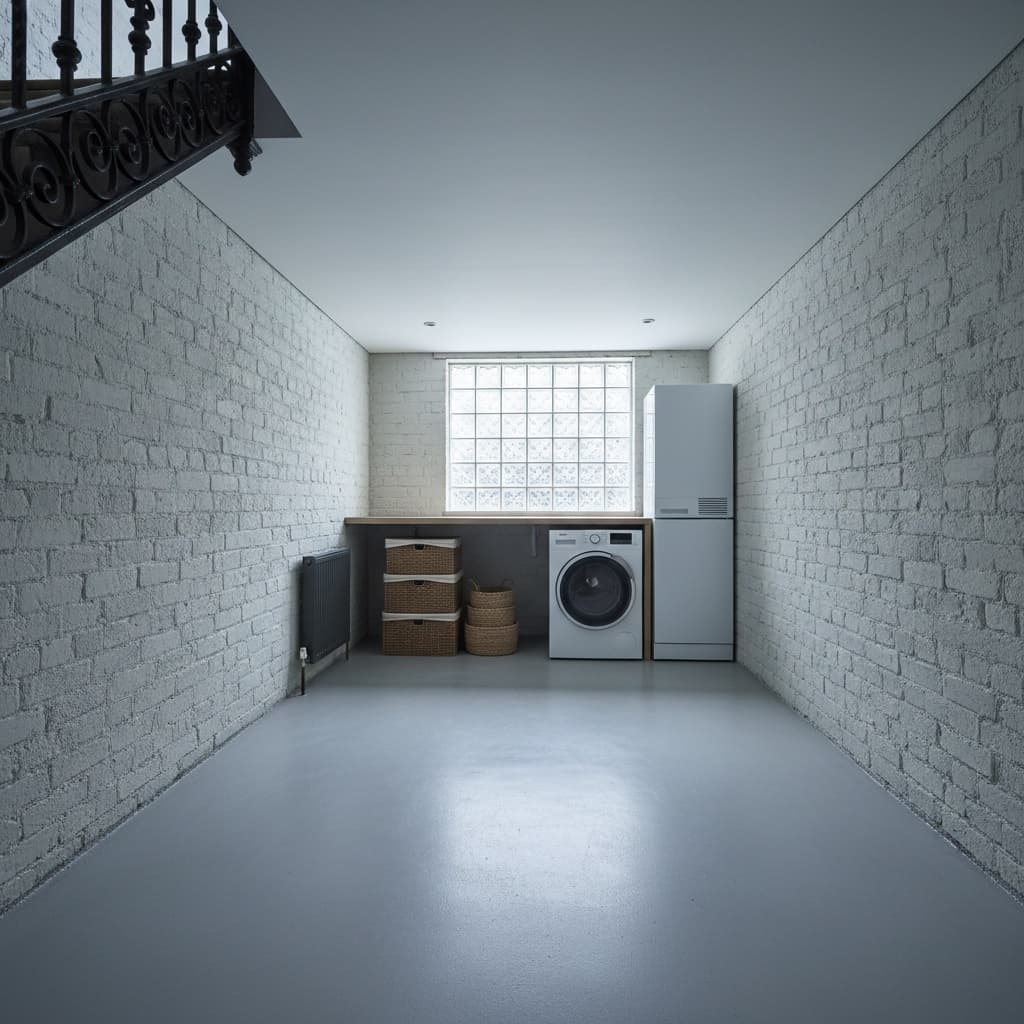
Why Choose All Well for Damp Proofing in Penge?
Penge is one of the areas where we do the most damp proofing work. The Victorian terraces along the lower-lying streets near the railway are particularly affected by rising damp. The original slate damp-proof courses have failed after 120+ years, and the ground-floor walls wick moisture up from the soil below. You see it as a tide mark about a metre above floor level, with peeling paper, salt deposits, and plaster that crumbles when you touch it. We treat this with chemical DPC injection and re-plaster with salt-resistant render. The wall dries out within a few months and stays dry.
Every project comes with a fixed-price contract, single project manager, and full certification including Building Control sign-off.
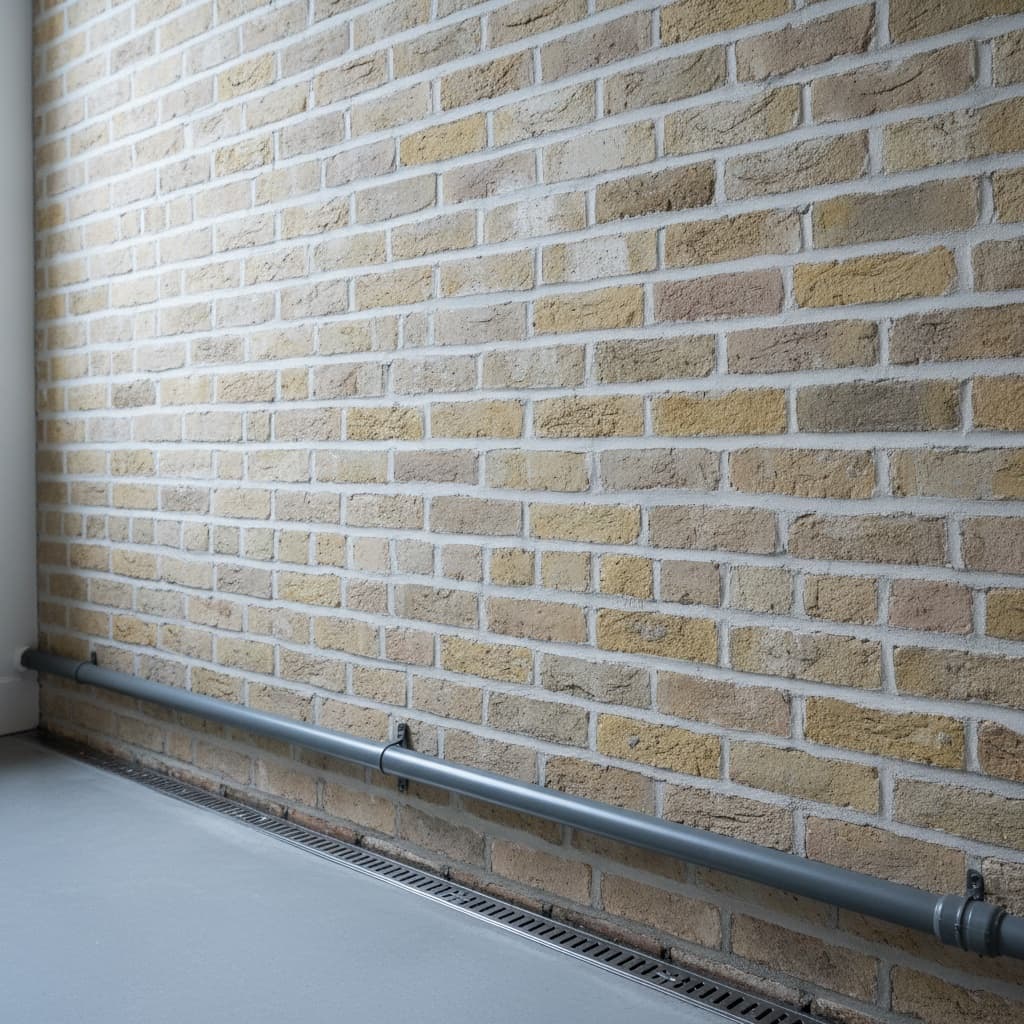
Damp Proofing for Penge Properties
Penge is known for its victorian terraces, edwardian cottages, period properties. Our damp proofing services are tailored to these property types, ensuring results that complement the character of your home.
Postcodes we cover: SE20
Damp Proofing Tip for Penge Homeowners
Being based in neighbouring Anerley means we can get to any Penge property in under five minutes, which is useful for the initial damp survey and for checking the drying progress after treatment. Damp proofing isn't an instant fix. The walls need 4-6 weeks to dry out after DPC injection before replastering, and we schedule a return visit to check moisture levels before applying the final plaster coat. Rushing the replaster onto a wall that's still damp is the single most common mistake in damp proofing, and we never do it.
Damp problems we treat in SE20 Penge properties
Three damp issues account for most of what we treat in SE20. The right fix depends on which one you have, and getting the diagnosis wrong is the worst mistake in damp proofing.
Rising damp in Penge's Victorian terraces near the railway
Rising damp on pre-1920 Victorian terraces is the most common Penge pattern, particularly on the lower-lying streets near Penge West and Penge East stations. The original slate damp-proof course has failed after 120+ years, allowing moisture to wick up through the ground-floor walls. You see it as a tide mark about a metre above floor level, with peeling paper, salt deposits, and plaster that crumbles when you touch it. Treatment is chemical DPC injection followed by replastering with salt-resistant render after a 4-6 week drying period, with the price confirmed after a free site visit. The persistent groundwater on the lower-lying SE20 streets makes proper diagnosis particularly important before any work starts.
Penetrating damp and condensation in SE20 flats and terraces
Penetrating damp from cracked render or failed pointing is the second pattern we see in Penge, common on the older terraces around Penge High Street where original render has cracked and lets water in during heavy rain. Treatment depends on the cause: re-pointing, cutting out and replacing failing render, or replacing blocked downpipes, with the price confirmed after a free site visit. Condensation is the third issue, typically in SE20 conversion flats where original ventilation was blocked during previous renovations. Positive-input ventilation (PIV) systems or improved extractor fans clear the problem within weeks of installation, with the price confirmed after a free site visit.
Why being based in Anerley changes how we do Penge damp work
Damp-proofing isn't a one-visit job. The treatment takes a day or two, but the wall then needs 4-6 weeks to dry before replastering, and we schedule a return visit to check moisture levels with a calibrated meter before applying the final plaster coat.
Follow-up moisture checks without callout fees for Penge properties
Being based in Anerley on Limes Avenue means follow-up visits to Penge properties are a five-minute trip, not a half-day callout. We can drop in on the way past, take a moisture reading, and adjust the timeline if needed. Contractors travelling from across London either charge for return visits or rush the schedule to avoid them, and we don't. After the new plaster, decoration usually waits another 4-6 weeks for full cure. Total elapsed time from start to redecorated wall is typically 10-14 weeks.
Diagnosis first: re-surveying misread damp problems in SE20
Many damp problems we see in Penge start with a misread by another contractor, such as chemical DPC injection applied where the actual problem was a blocked downpipe. We re-survey, re-diagnose, and often find the original treatment was correct in principle but applied without confirming the real cause. The lower-lying streets near Beckenham Place Park can have higher persistent groundwater than the higher-ground streets. In these cases, standard DPC injection sometimes needs supplementing with improved external drainage. We always inspect external ground conditions, gutters, and adjacent boundary walls before recommending treatment, because the fix is often partly outside the house.
What our damp-proofing work includes for Penge homeowners
Chemical DPC injection follows the established Code of Practice for rising damp diagnosis and treatment. We use silicone-based DPC creams from BSI-approved suppliers, injected at 12mm diameter at 100-120mm centres into the mortar course, typically 150mm above ground level externally, or 75mm above floor level internally.
The drying and replastering process for SE20 period properties
After injection, the wall needs 4-6 weeks to dry before replastering. We schedule a return visit to check moisture levels with a calibrated meter (Protimeter or Tramex) before applying the final plaster coat. Rushing the replaster onto a wall that's still damp is the single most common mistake in damp proofing, and it causes the same problem to return within 6-12 months. Replastering uses salt-resistant render applied in a single operation after the drying period. The new plaster needs another 4-6 weeks to fully cure before decoration. All DPC work carries a 20-year guarantee against re-occurrence in the treated walls, transferable to subsequent owners, with a certificate suitable for solicitor enquiries at sale. We carry CHAS certification and Public Liability insurance to £5 million.
Damp Proofing in Penge: What's Included
How I price damp proofing in Penge
I price every damp proofing job in Pengeafter I’ve seen it. No two properties are the same, so a number here would only mislead you. What you get instead is a fixed-price contract, a week-by-week programme, and no costs that turn up later.
Get a fixed quoteWhat Our Customers Say
“All Well managed our project from start to finish. The fixed-price contract meant no surprises, and the result is stunning.”
Verified Customer
Penge
“Professional team, clear communication throughout. They handled everything including Building Control sign-off.”
Verified Customer
Penge
Frequently Asked Questions
- How do I know if I have rising damp in my Penge property?
- The classic signs are a tide mark up to about a metre above floor level on the inside of external walls, with peeling paper, salt deposits (white crystals), and plaster that crumbles when you press it. A musty smell in ground-floor rooms is another indicator. The tide mark should be horizontal. If it's irregular or only in one spot, it's more likely penetrating damp from an external leak rather than rising damp. We carry calibrated moisture meters (Protimeter or Tramex) and confirm the diagnosis at the survey, free of charge. If damp is present, we recommend treating it before any decoration so the new finish doesn't immediately fail.
- Why does Penge have so many damp problems?
- Two reasons. First, age: most Penge Victorian terraces are over 100 years old and the original slate damp-proof courses have failed at scale. Second, geography: the lower-lying streets near the railway and towards Penge West have higher persistent groundwater than properties on higher ground. This makes rising damp more aggressive when the original DPC fails. Standard chemical DPC injection plus salt-resistant replastering is the typical fix, with a 20-year transferable guarantee on the treated walls.
- How long does damp-proofing take in Penge?
- The DPC injection itself is one to two days for most ground-floor jobs. After injection, the wall needs 4-6 weeks to dry out before replastering. The replastering takes one to two days, and the new plaster needs 4-6 more weeks to fully cure before decoration. Total elapsed time from start to redecorated wall is usually 10-14 weeks. We can compress this if the deadline is tight, but rushing the drying creates problems that show up six months later. Being based in neighbouring Anerley means we can drop in for moisture readings during the drying period without charging callout fees.
- Why hire All Well for Penge damp-proofing?
- Three reasons. First, proximity: our office on Limes Avenue is a five-minute drive from any Penge property, which makes follow-up moisture readings during the drying period practical rather than expensive. Second, diagnosis-first approach: we don't quote a treatment without confirming the cause with calibrated moisture meters and external inspection, and we often re-survey and re-diagnose properties where another contractor's treatment was applied to the wrong cause. Third, fixed-price contracts and a 20-year transferable DPC guarantee. We carry CHAS certification and Public Liability insurance to £5 million.
All Well has completed 100+ projects across 25 London boroughs since 2020. We are NICEIC approved for electrical work, FENSA registered for glazing, and CHAS certified for site safety, with Public Liability insurance to £5 million. 57+ Google reviews average 4.9 stars. All Well Property Services® is a UK registered trademark, Companies House no. 12721034, operating from Unit 1 Limes Avenue, Anerley SE20 8QR.
Get a Free Quote for Your Penge Damp Proofing
Fixed-price quote, no obligation. Call us or fill out our form.