Damp Proofing Specialists in Dulwich (SE21, SE22)
Professional damp proofing specialists in Dulwich, South East London.
Why Choose All Well for Damp Proofing in Dulwich?
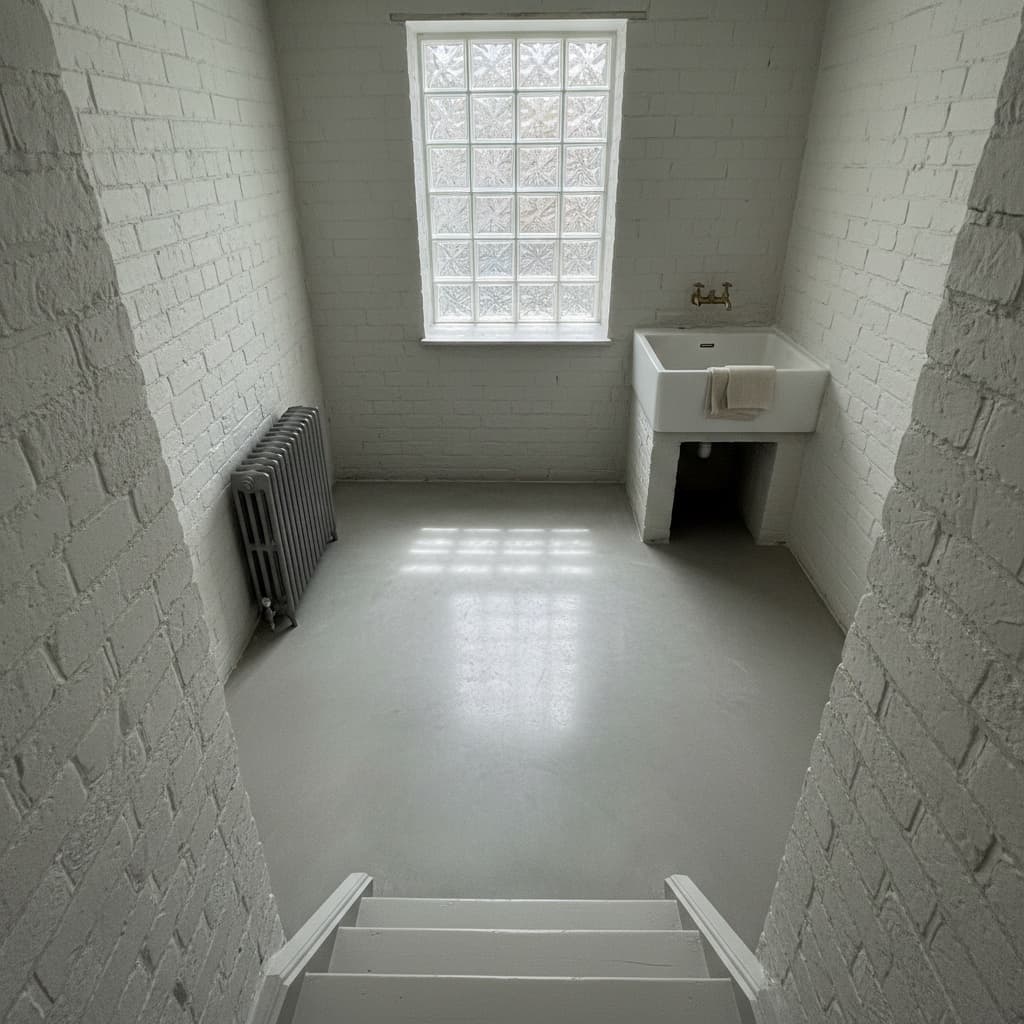
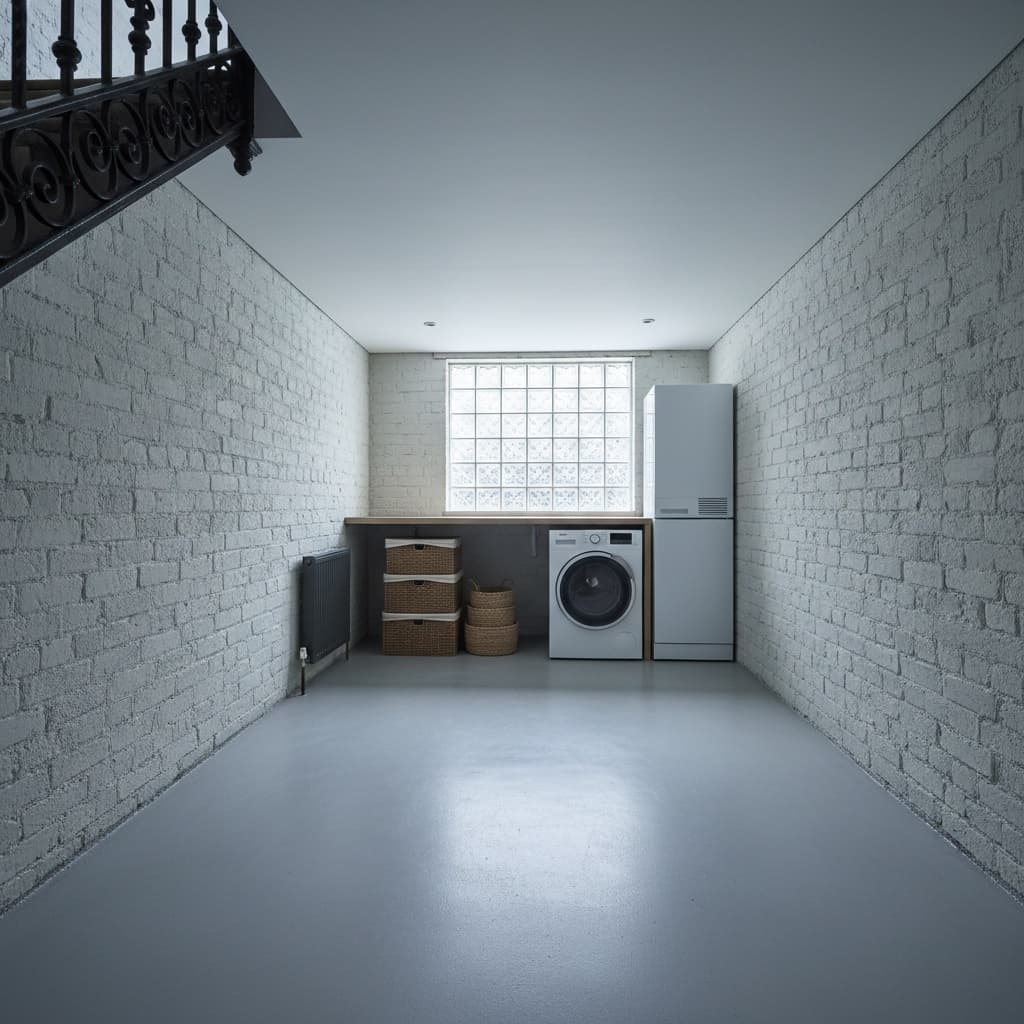
Dulwich's large Victorian villas often have basements or semi-basements that are particularly susceptible to damp. The London Clay beneath Dulwich holds moisture, and groundwater pressure against basement walls can force water through even well-maintained brickwork. We tanking these basements with waterproof membrane systems that create a dry, usable space — turning a damp cellar into a utility room, wine store, or home office. For ground-floor damp, chemical DPC injection deals with rising damp effectively and comes with a 20-year guarantee.
Every project comes with a fixed-price contract, single project manager, and full certification including Building Control sign-off.
Damp Proofing for Dulwich Properties
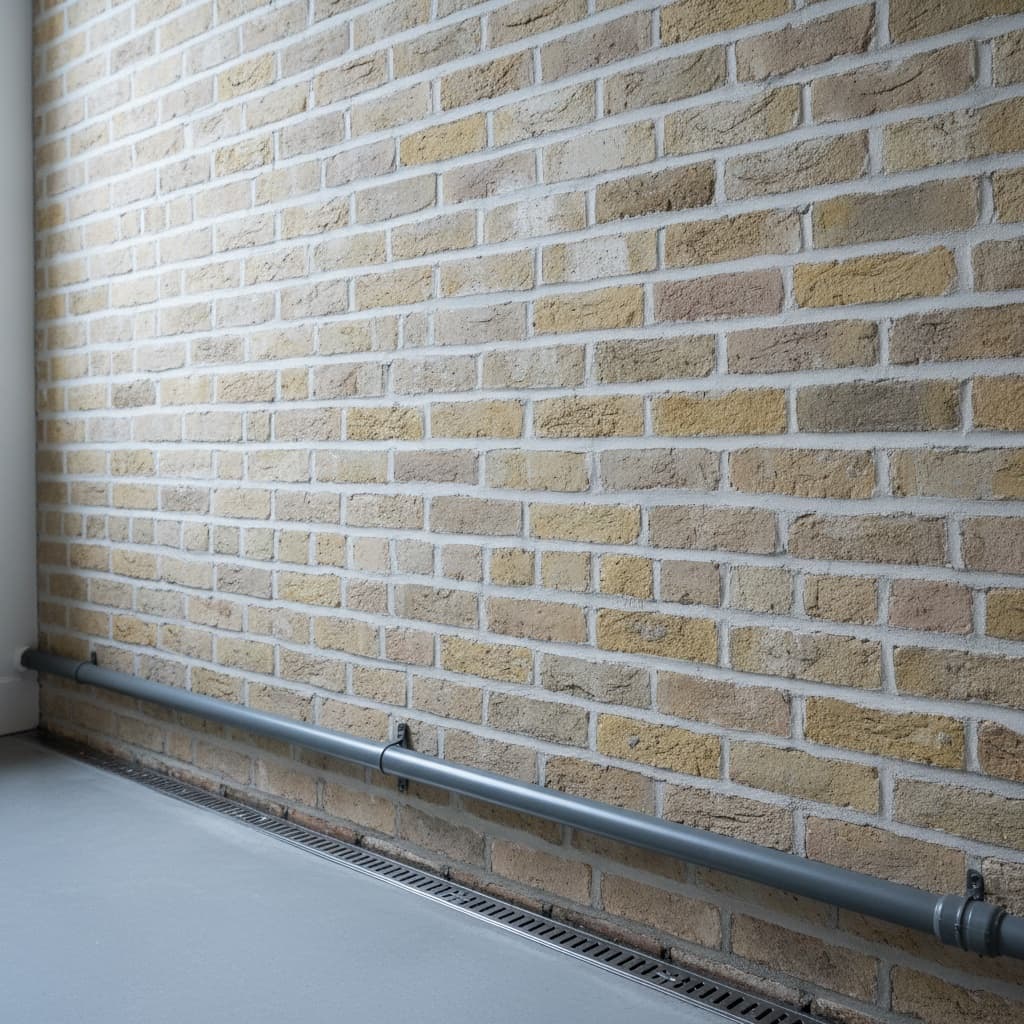
Dulwich is known for its victorian villas, edwardian detached, conservation areas. Our damp proofing services are tailored to these property types, ensuring results that complement the character of your home.
Postcodes we cover: SE21, SE22, SE24
Damp Proofing Tip for Dulwich Homeowners
The Dulwich Estate area has specific requirements about external alterations that can affect damp treatment options. External waterproofing that involves digging a trench around the building may need Estate approval if it changes the ground levels or affects any boundary features. Internal tanking systems avoid this issue entirely and are often the better solution for Dulwich basement waterproofing. We assess both options during the survey and recommend the most effective approach that works within any planning or Estate constraints.
Damp types we treat in SE21 and SE22
Three damp issues account for most of what we see across SE21 and SE22. Each has a different cause and a different fix, which is why diagnosis comes before any recommendation.
Basement tanking for Dulwich's Victorian villas
Properties in East Dulwich and Dulwich Village often have basements or semi-basements with brick walls below ground level. London Clay holds moisture, and groundwater pressure pushes water through brickwork even on well-maintained walls. Treatment is internal tanking with a waterproof membrane system — Newton or Triton cavity drain membrane — creating a dry usable space behind the new internal lining. The tanked space suits utility rooms, wine stores, home offices, or guest accommodation.
Rising damp and penetrating damp on SE22 terraces
Original slate damp-proof courses have failed after 100-plus years on many Victorian and Edwardian terraces in SE22, allowing moisture to wick up through ground-floor walls. Treatment is chemical DPC injection followed by replastering with salt-resistant render after a 4–6 week drying period, with a 20-year transferable guarantee. Penetrating damp on older Georgian and Victorian terraces typically traces to blocked or broken cast-iron guttering, cracked render, failing pointing, or external ground levels raised above the damp-proof course. The fix is usually outside the house — clearing gutters, repointing, lowering external ground levels — rather than inside.
Damp proofing Dulwich Estate and listed properties
Many Dulwich properties carry planning constraints — the Dulwich Estate scheme of management, conservation area controls, or Grade II listed status. Treatment options are constrained, and we factor that in from the first survey.
Estate consent and internal tanking in SE21
Dulwich Estate properties covering most of SE21 and large parts of SE22 require Estate approval for external alterations. External waterproofing that involves digging a trench, lowering ground levels, or installing visible components may need consent if it affects ground levels or boundary features. Internal tanking avoids this issue entirely and is often the better solution for Estate properties. We assess both options at survey and recommend the approach that works within any Estate constraints.
Lime plaster and Listed Building Consent for Georgian properties
Georgian properties — typically Grade II listed — have solid walls designed to breathe. Modern gypsum plaster traps moisture in the wall, causing blistering, salt deposits, and damage to original brickwork. We use lime-based plaster repairs (BS EN 459 Air Lime) and breathable mineral paints. Listed Building Consent is required for internal layout changes during damp work; we apply for consent before work starts. Chemical DPC injection using modern silicone creams is generally acceptable on listed buildings as long as products and methods are sympathetic to the original fabric.
How we survey and guarantee damp work in Dulwich
Diagnosis comes before any recommendation. The survey covers calibrated moisture meter readings on every affected wall, external inspection of gutters, downpipes, render, and pointing, and assessment of internal ventilation. Rising damp shows a horizontal tide mark up to about a metre above floor level; penetrating damp shows localised wet patches at any height; condensation shows black mould on cold walls.
Treatment standards, guarantees, and insurance for SE21 and SE22 properties
Treating the wrong cause, such as applying chemical DPC injection where a blocked downpipe is the actual problem, leaves the original problem unresolved. Chemical DPC injection follows the established Code of Practice; we use silicone-based DPC creams from BSI-approved suppliers, drilled at 12 mm diameter into the mortar course at 100–120 mm centres. Replastering uses salt-resistant render applied after a 4–6 week drying period. Rushing it onto a wall still holding moisture causes the same problem to return within 6–12 months. All DPC work carries a 20-year transferable guarantee against re-occurrence in the treated walls. Basement tanking systems carry 10-year guarantees from the membrane manufacturer (Newton or Triton). We hold CHAS certification and Public Liability insurance to £5 million.
Damp Proofing in Dulwich: What's Included
How I price damp proofing in Dulwich
I price every damp proofing job in Dulwichafter I’ve seen it. No two properties are the same, so a number here would only mislead you. What you get instead is a fixed-price contract, a week-by-week programme, and no costs that turn up later.
Get a fixed quoteWhat Our Customers Say
“All Well managed our project from start to finish. The fixed-price contract meant no surprises, and the result is stunning.”
Verified Customer
Dulwich
“Professional team, clear communication throughout. They handled everything including Building Control sign-off.”
Verified Customer
Dulwich
Frequently Asked Questions
- How do I know if I have rising damp in my Dulwich property?
- The classic signs are a tide mark up to about a metre above floor level on the inside of external walls, with peeling paper, salt deposits (white crystals), and plaster that crumbles when you press it. A musty smell in ground-floor rooms is another indicator. The tide mark should be horizontal — if it's irregular or only in one spot, it's more likely penetrating damp from an external leak or basement groundwater pressure. We carry calibrated moisture meters and confirm the diagnosis at the survey, free of charge.
- Can I tank a Dulwich basement on a Dulwich Estate property?
- Yes, with internal tanking. External waterproofing (digging a trench around the building) may need Estate consent if it changes the ground levels or affects boundary features. Internal tanking — using a waterproof membrane system (Newton or Triton cavity drain membrane) installed against the inside of the basement walls — avoids this issue entirely. The membrane creates a dry, usable space behind a new internal lining without affecting the building's external appearance. The tanked space is suitable for utility rooms, wine stores, home offices, or guest accommodation.
- What about damp on a listed Dulwich Georgian property?
- Treatment options are constrained. Georgian solid walls are designed to breathe, and modern gypsum plaster traps moisture in the wall, causing blistering and damage. We use lime-based plaster repairs (BS EN 459 Air Lime) and breathable mineral paints on the redecorated walls. Listed Building Consent is required for internal layout changes during damp work — we apply for consent before work starts. Chemical DPC injection is generally acceptable on listed buildings as long as the products and methods are sympathetic to the original fabric.
- Why hire All Well for Dulwich damp-proofing?
- Three reasons. First, accuracy: we know the SE21 and SE22 substrates — Georgian breathing walls vs Victorian solid walls vs Edwardian cavity walls — and the right treatment for each. Second, the Dulwich Estate experience: we've handled Estate consent applications and know which treatments work within the constraints. Third, fixed-price contracts and a 20-year transferable DPC guarantee. We carry CHAS certification and Public Liability insurance to £5 million.
All Well has completed 100+ projects across 25 London boroughs since 2020. We are NICEIC approved for electrical work, FENSA registered for glazing, and CHAS certified for site safety, with Public Liability insurance to £5 million. 57+ Google reviews average 4.9 stars. All Well Property Services® is a UK registered trademark, Companies House no. 12721034, operating from Unit 1 Limes Avenue, Anerley SE20 8QR.
Get a Free Quote for Your Dulwich Damp Proofing
Fixed-price quote, no obligation. Call us or fill out our form.