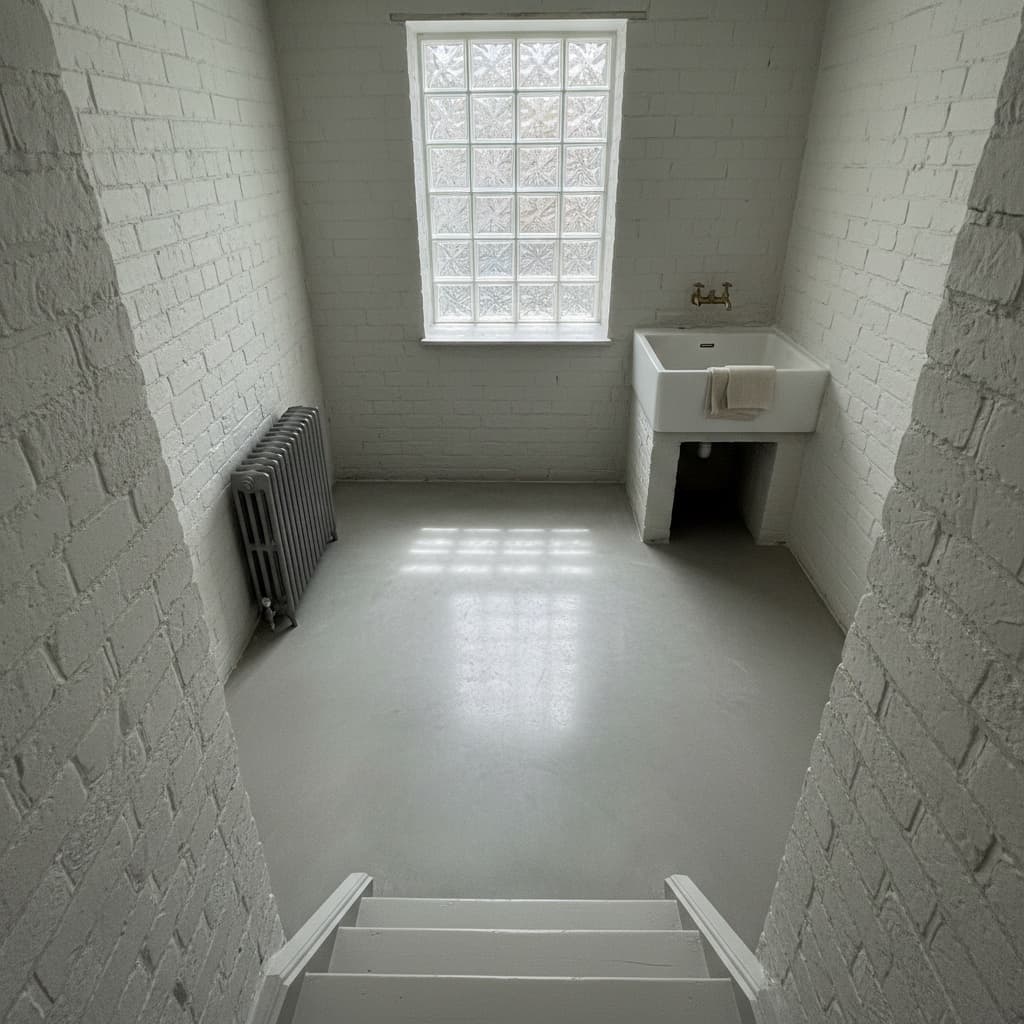
Damp Proofing Specialists in Camberwell (SE5)
Professional damp proofing specialists in Camberwell, South East London.
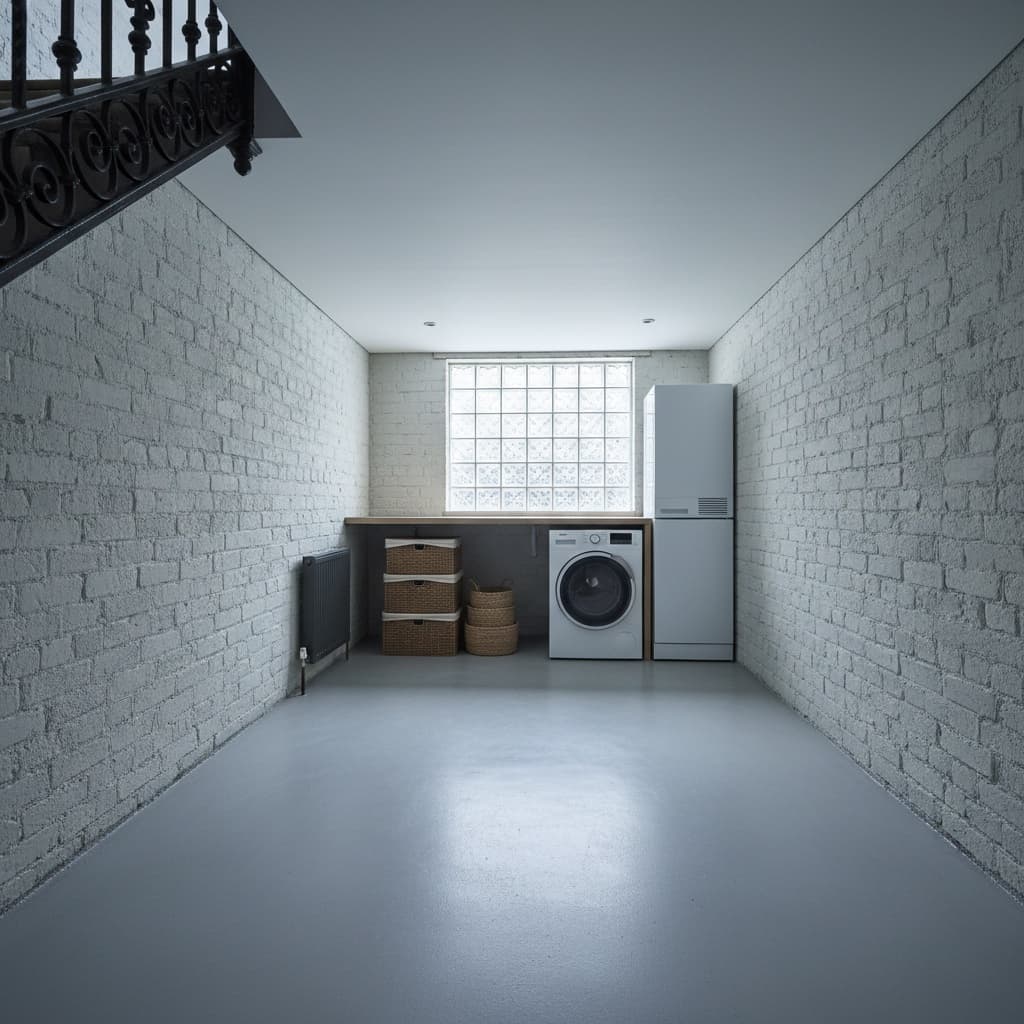
Why Choose All Well for Damp Proofing in Camberwell?
Camberwell's Georgian and Victorian properties are among the most architecturally sensitive buildings we treat for damp. The Georgian terraces around Camberwell Grove have solid walls that were designed to breathe. They manage moisture through evaporation, and any treatment needs to work with that principle rather than against it. We use breathable repair materials and avoid modern gypsum plaster on historic walls, which traps moisture and makes things worse. It's a detail that matters hugely on period properties.
Every project comes with a fixed-price contract, single project manager, and full certification including Building Control sign-off.
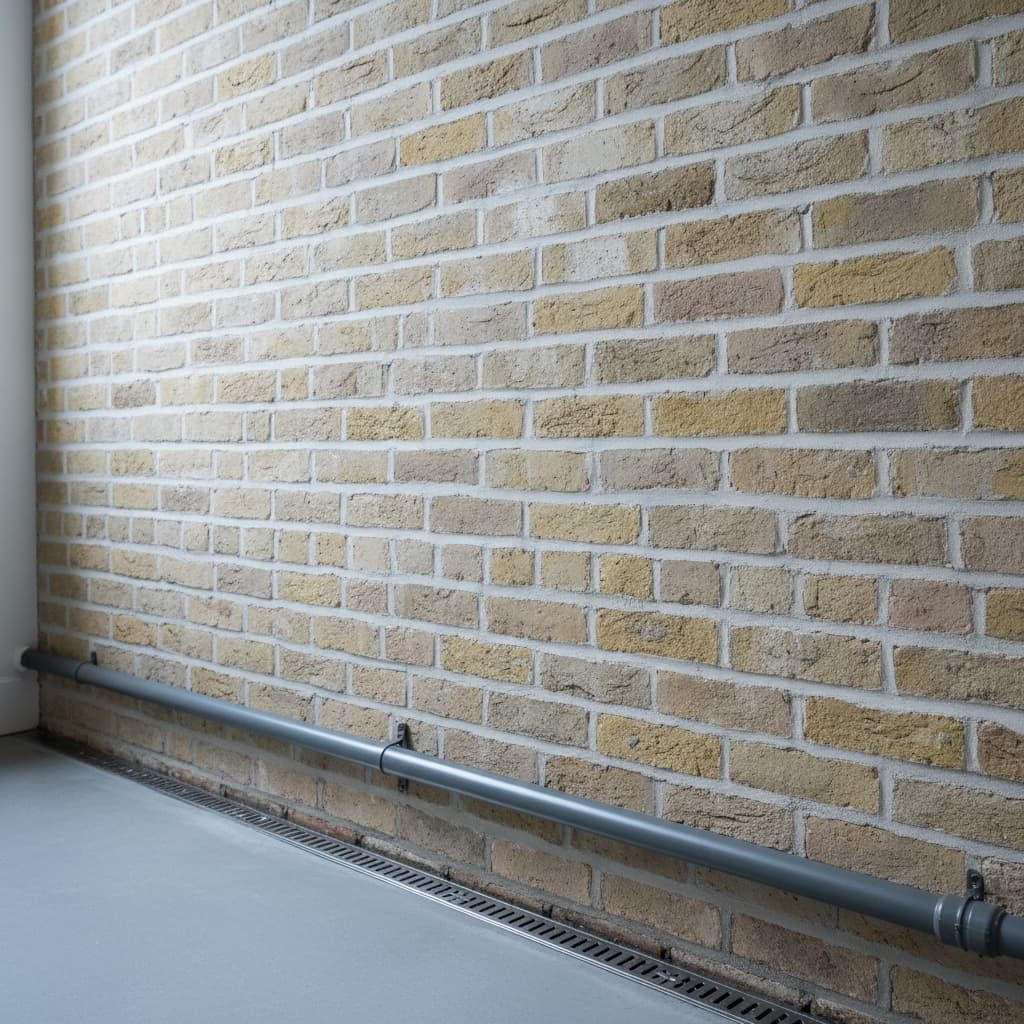
Damp Proofing for Camberwell Properties
Camberwell is known for its georgian terraces, victorian villas, conservation areas. Our damp proofing services are tailored to these property types, ensuring results that complement the character of your home.
Postcodes we cover: SE5
Damp Proofing Tip for Camberwell Homeowners
Damp problems we treat in SE5 Camberwell properties
Three damp issues account for most of what we treat in SE5. Each has a different cause and a different fix. Getting that diagnosis right before any work starts is what determines whether the treatment holds.
Penetrating damp from broken cast-iron guttering on Camberwell Georgian terraces
The most distinctive Camberwell pattern is penetrating damp caused by blocked or broken rainwater goods. The terraces around Camberwell Grove and Camberwell Green have original cast-iron guttering and downpipes, much of it now over 150 years old. Blocked or broken sections cause water to track down the external wall behind the downpipe, soaking the brickwork and causing internal penetrating damp. The fix is usually external, clearing or replacing the gutter section, rather than internal treatment of the symptom.
Rising damp and condensation in Camberwell Victorian terraces and flats
The Victorian terraces between Camberwell Green and Denmark Hill have original slate damp-proof courses that have failed after 100+ years. Treatment is chemical DPC injection, silicone-based cream into the mortar course, followed by replastering with salt-resistant render. For Georgian properties we use lime-based replastering rather than modern gypsum to maintain the breathable wall system. Rising damp treatment includes replastering and a 20-year transferable guarantee. Condensation is the third common issue, particularly in Camberwell flats and bedsits where original ventilation has been blocked up. Treatment is positive-input ventilation (PIV) systems or improved extractor fans.
Lime plaster and breathable materials for Camberwell's Georgian solid walls
Camberwell's Georgian and early Victorian properties have a different wall construction from later Victorian and modern buildings, and this changes damp treatment fundamentally. Getting the material specification wrong on these walls causes more damage than the original damp.
Why modern gypsum plaster fails on SE5 Georgian properties
Georgian solid walls, typically 9-inch or 14-inch brick, were designed to breathe. Moisture from inside the room is absorbed by the lime plaster, moves through the wall by capillary action, and evaporates from the external surface. The system works as long as nothing impermeable interrupts that flow. The most common mistake on these properties is modern gypsum plaster applied internally. Gypsum is impermeable: it traps moisture in the wall and causes blistering, salt deposits, and damage to the original brickwork within 6 to 12 months. We use lime-based plaster repairs (BS EN 459 Air Lime), breathable mineral paint such as Keim on redecorated walls, and lime-based pointing on external brickwork rather than modern cement mortar, which traps moisture in the same way. Most of Camberwell Grove and Grove Lane is Grade II listed. For these properties we apply for Listed Building Consent before work starts and use heritage materials matched to the original.
Victorian properties with later gypsum repairs in Camberwell
Victorian properties built after 1850 share the solid-wall construction but may have later gypsum-plaster repairs already in place. Where gypsum has caused problems, we strip back to original lime where possible and replaster with lime-based materials rather than reinstating with gypsum.
Conservation area planning rules for damp treatment in Camberwell
Most of Camberwell's residential streets fall within conservation areas: Camberwell Grove, Camberwell Green, Sceaux Gardens, and others. This limits some external damp treatment options and affects material choices throughout the project.
Internal damp solutions, material requirements, and Southwark consent process
Digging a trench around a building, the standard approach for external basement waterproofing or French drains, needs consent in conservation areas where it might change ground levels or affect boundary features. On listed properties it requires Listed Building Consent. Internal solutions avoid these requirements entirely: internal cavity drain membrane tanking, chemical DPC injection, and improved ventilation all work within conservation area and listed building constraints. Within conservation areas, visible repair materials must be sympathetic to the original. Cast-iron rainwater goods can be repaired or replaced with new cast-iron. Replacing original cast-iron with PVC is generally accepted on non-listed properties if the profile and colour match; on listed buildings the replacement must be cast-iron or aluminium pressed to match. Lime mortar is required for repointing rather than modern cement. We handle Listed Building Consent applications and conservation area design review as part of the project, with Southwark Council's conservation officer involved where needed. All DPC work carries a 20-year transferable guarantee. We carry CHAS certification and Public Liability insurance to £5 million.
Damp Proofing in Camberwell: What's Included
How I price damp proofing in Camberwell
I price every damp proofing job in Camberwellafter I’ve seen it. No two properties are the same, so a number here would only mislead you. What you get instead is a fixed-price contract, a week-by-week programme, and no costs that turn up later.
Get a fixed quoteWhat Our Customers Say
“All Well managed our project from start to finish. The fixed-price contract meant no surprises, and the result is stunning.”
Verified Customer
Camberwell
“Professional team, clear communication throughout. They handled everything including Building Control sign-off.”
Verified Customer
Camberwell
Frequently Asked Questions
- Why is breathable plaster important on Camberwell Georgian properties?
- Because the original walls were designed to manage moisture through evaporation, not block it. Georgian walls are typically solid 9-inch or 14-inch brick with original lime plaster internally and lime mortar in the joints. The lime plaster absorbs moisture from inside the room and releases it through the masonry to the outside. Modern gypsum plaster is impermeable: it traps moisture in the wall, causing blistering, salt deposits, and damage to the original brickwork. We use lime-based plaster repairs (BS EN 459 Air Lime) and breathable mineral paint on the redecorated walls. The long-term performance is dramatically better.
- Why do you check the gutters first on Camberwell penetrating damp?
- Because blocked or broken cast-iron guttering is one of the most common causes of penetrating damp on period properties. Camberwell Georgian and Victorian terraces typically have original cast-iron gutters and downpipes that are 100-150 years old. Blocked or broken sections cause water to track down the external wall behind the downpipe, soaking the brickwork. Fixing the gutter often solves the damp problem without any treatment to the walls themselves, and it addresses the actual cause rather than the symptom.
- Can I treat damp on a listed Camberwell property?
- Yes, with the right approach. Listed Building Consent is required for internal layout changes during damp work and for any external treatment that affects the building's appearance. Internal solutions, chemical DPC injection, breathable lime-based tanking, and improved ventilation, work within listed building constraints. We use heritage materials matched to the original (lime mortar, lime plaster, mineral paint) and apply for Listed Building Consent before work starts. Southwark Council has a dedicated conservation team that reviews these applications.
- Why hire All Well for Camberwell damp-proofing?
- Three reasons. First, period property expertise: we understand breathing wall systems on Georgian and early Victorian properties and use lime-based materials to maintain them. Second, conservation area experience: we've handled Listed Building Consent applications for Camberwell properties and know what Southwark's conservation officers expect. Third, fixed-price contracts and a 20-year transferable DPC guarantee. We carry CHAS certification and Public Liability insurance to £5 million.
All Well has completed 100+ projects across 25 London boroughs since 2020. We are NICEIC approved for electrical work, FENSA registered for glazing, and CHAS certified for site safety, with Public Liability insurance to £5 million. 57+ Google reviews average 4.9 stars. All Well Property Services® is a UK registered trademark, Companies House no. 12721034, operating from Unit 1 Limes Avenue, Anerley SE20 8QR.
Get a Free Quote for Your Camberwell Damp Proofing
Fixed-price quote, no obligation. Call us or fill out our form.