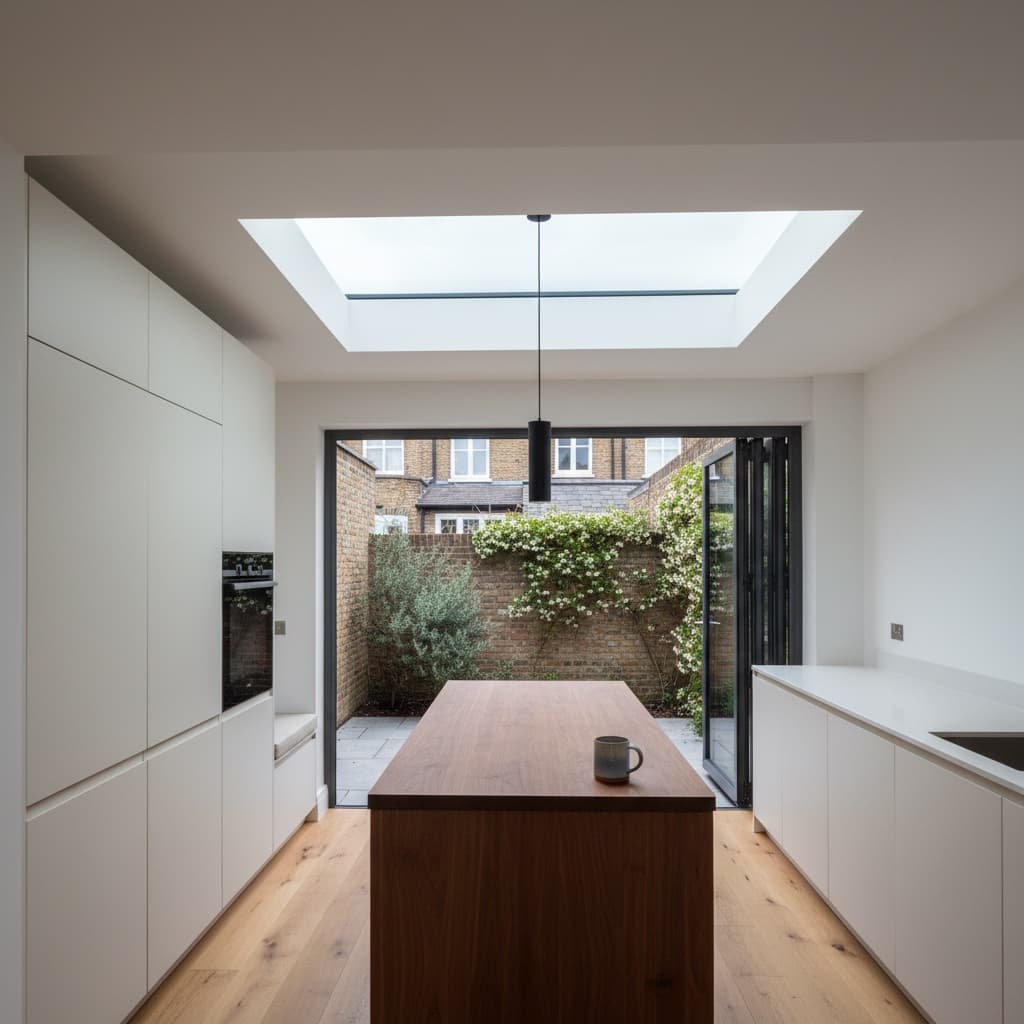
Kitchen Extension Builders in Streatham (SW16)
Professional kitchen extension builders in Streatham, South London.
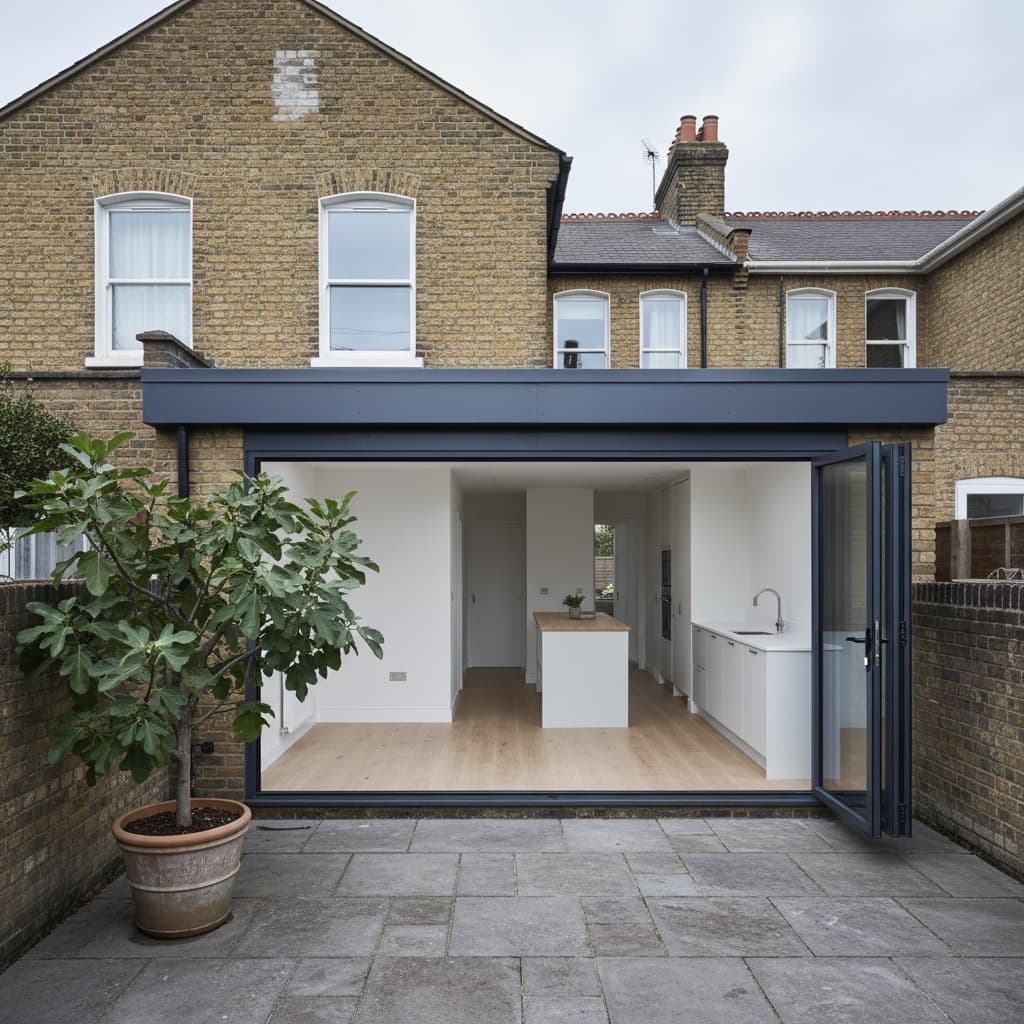
Why Choose All Well for Kitchen Extensions in Streatham?
Streatham's Edwardian terraces and 1930s houses are perfect for kitchen extensions. The terraces have the classic separate-kitchen-and-dining-room layout that opens up beautifully, and the 1930s houses have wider plots that allow more generous extensions. We've worked across SW16 from Streatham Hill down to Streatham Vale, and the pattern is consistent. Homeowners want more space, more light, and a kitchen they can actually live in. That's exactly what we build.
Every project comes with a fixed-price contract, single project manager, and full certification including Building Control sign-off.
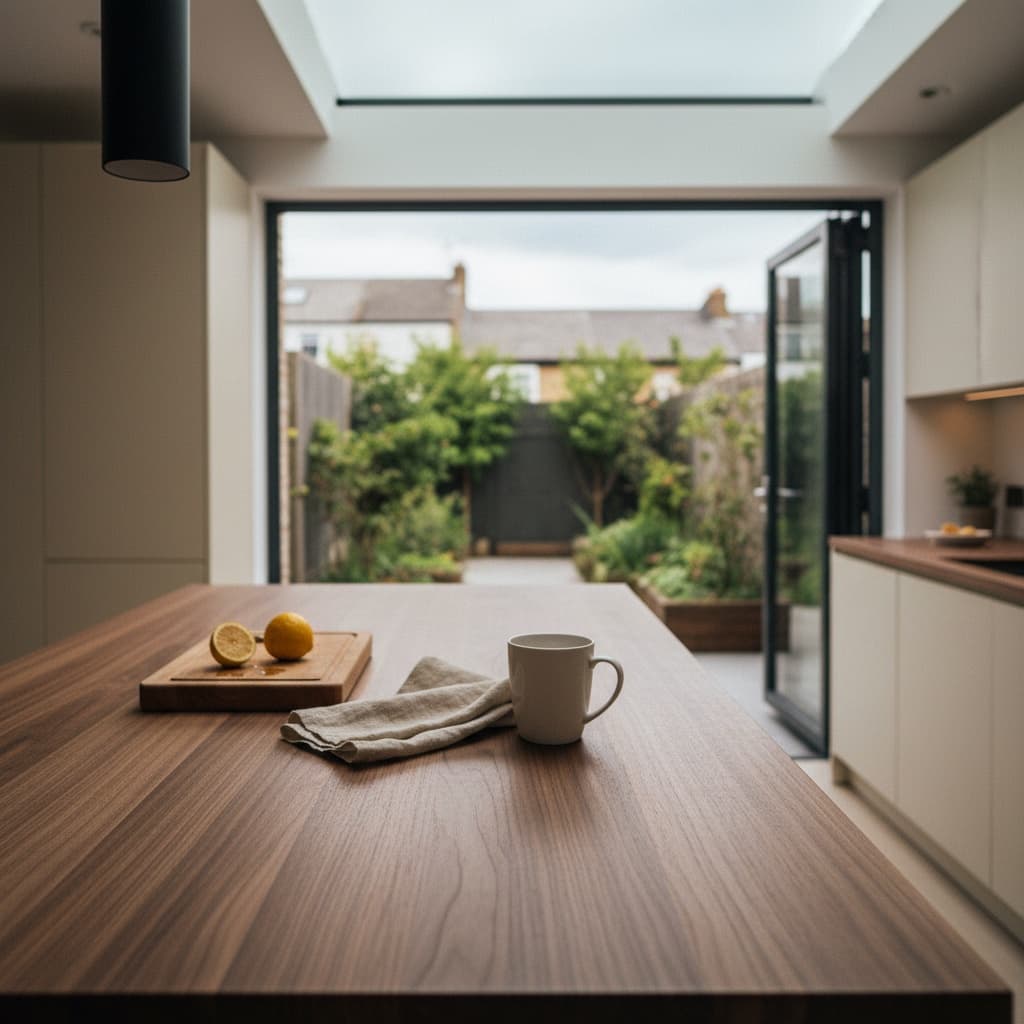
Kitchen Extensions for Streatham Properties
Streatham is known for its edwardian terraces, victorian semis, 1930s houses. Our kitchen extensions services are tailored to these property types, ensuring results that complement the character of your home.
Postcodes we cover: SW16
Kitchen Extensions Tip for Streatham Homeowners
Lambeth Council covers Streatham and they process permitted development applications efficiently. The Streatham Common and Streatham Hill conservation areas have specific guidelines on materials and roof form. If your property is within one of these zones, we design to conservation standards from the outset. Outside conservation areas, standard permitted development gives you up to 3 metres (terraced) or 4 metres (detached) of extension without a planning application.
Kitchen extension layouts for SW16 Edwardian and 1930s homes
Three patterns cover most of what we build in Streatham. Which one suits your property depends on its era and plot width.
Rear extension on a Streatham Edwardian terrace
The Edwardian terraces along Streatham Hill, Mitcham Lane, and the streets running off Streatham High Road have a kitchen and dining room separated by a load-bearing wall. We extend 3–4 metres into the rear garden, take out the internal wall with a 152x89 UC or 178x102 UB steel beam, and finish with bifolds across the new rear elevation. Build time is 10–14 weeks. Permitted development under Class A covers the standard 3-metre projection. A wider wraparound extension on streets where side returns of 1.0–1.5 metres are viable adds a side return infill alongside the rear projection and requires a party wall agreement. Build time 14–16 weeks.
Wide rear extension on a 1930s semi near Streatham Common
The 1930s semis around Streatham Common and Streatham Vale have wider plots than Edwardian terraces, with side access on the detached side. We extend 4 metres into the rear garden across the full width of the existing rear elevation. Build time is 12–14 weeks. The 1930s cavity walls make the insulation tie-in straightforward. Cavity fill achieves a U-value of 0.18–0.21 W/m²K without losing internal floor area.
Solid-wall vs cavity-wall construction in Streatham
Streatham covers a wider variety of construction types than most South London boroughs. Getting the build-up right for your property era avoids Part L compliance problems and keeps the finish right.
Edwardian solid-brick homes in central Streatham
The Edwardian terraces in central SW16 were built around 1900–1910 with solid 9-inch London stock brick, lime plaster, slate roofs, and timber sash windows. Extensions use internal wall insulation. A 50mm PIR-board lining on the existing rear wall achieves the U-value upgrade required by Building Regulations Part L without significant internal floor-area loss. Where a wall is being demolished as part of a side return infill, the replacement wall is built in cavity construction with full-fill insulation. Within the Streatham Common or Streatham Hill conservation areas, exterior front-facing changes need sympathetic design and conservation review; rear extensions are generally fine because they are not visible from the street.
1930s semi construction around Streatham Vale and Streatham Common
The 1930s semis were built with cavity walls, concrete tile roofs, and bay windows. Insulation ties directly into the existing cavity using bonded bead or mineral wool fill, more efficient than internal lining and no floor-area loss. Some 1930s properties sit on concrete raft foundations rather than strip footings, which can allow the new extension to tie into the existing raft and simplify the groundwork. We verify the foundation type at survey. Lambeth Council has Article 4 directions on some streets near the conservation area boundaries. We check the planning status of each property on the Lambeth planning portal before quoting.
Lambeth planning approvals and project management for Streatham kitchen extensions
Streatham falls under the London Borough of Lambeth. Permitted development under Class A covers a 3-metre rear projection on a terrace and 4 metres on a semi or detached. The Larger Home Extension prior approval process covers 4–6 metres on terraces and 4–8 metres on semis or detached, with an 8-week neighbour consultation. Lambeth typically determines applications in 8–10 weeks.
Lawful Development Certificates, contracts, and site management at Lambeth
We submit a Lawful Development Certificate (£129, 6–8 weeks at Lambeth) on permitted development projects for written confirmation, protecting the property at sale time. Fixed-price contracts cover labour, materials, structural engineer calculations, Building Control fees at Lambeth, FENSA glazing registration, party wall surveyor coordination, conservation area applications where relevant, and the LDC or full planning fee where an Article 4 direction applies. Where the extension projects over a Thames Water public sewer, a Build Over Agreement is required, including a CCTV survey, and we handle the application. A Streatham kitchen extension runs 10–16 weeks across 12–15 trades. We assign one project manager from survey through handover with photo updates throughout. Building Control inspections cover foundation, DPC, drainage, structural steel, insulation (Part L: 0.18 W/m²K walls and roof, 1.4 W/m²K windows), and completion. Glazing is FENSA-registered; roof construction is warm-roof with 150mm PIR.
Kitchen Extensions in Streatham: What's Included
How I price kitchen extensions in Streatham
I price every kitchen extensions job in Streathamafter I’ve seen it. No two properties are the same, so a number here would only mislead you. What you get instead is a fixed-price contract, a week-by-week programme, and no costs that turn up later.
Get a fixed quoteWhat Our Customers Say
“All Well managed our project from start to finish. The fixed-price contract meant no surprises, and the result is stunning.”
Verified Customer
Streatham
“Professional team, clear communication throughout. They handled everything including Building Control sign-off.”
Verified Customer
Streatham
Frequently Asked Questions
- Edwardian terrace or 1930s semi — which is easier to extend in Streatham?
- 1930s semis are typically simpler. Three reasons. First, cavity wall construction means new insulation ties directly into the existing cavity using bonded bead, which is more efficient than internal lining and doesn't lose internal floor area. Second, the wider plots mean side access for materials delivery, foundation pour, and waste removal is easier. Third, only one party wall is shared on a semi versus both sides on a mid-terrace, halving the party wall surveyor coordination. Edwardian terraces take a little more work on the wall build-up because of the internal insulation lining and the dual-side party wall mechanics, but the underlying structure (solid 9-inch brick) is solid and predictable. Both deliver the same final result.
- Are Streatham conservation areas restrictive for kitchen extensions?
- Moderately. The Streatham Common conservation area covers properties around the Common itself; the Streatham Hill conservation area covers parts of the upper hill streets. Within both, exterior front-facing changes need sympathetic design (front door style, window replacement, render colour, dormers) and Lambeth Council can act on retrospective unauthorised changes. Rear extensions are generally fine because they're not visible from the street. Article 4 directions on some streets near the conservation area boundaries remove specific permitted development rights and require a full planning application. We verify the planning status of each property on the Lambeth planning portal at the survey before quoting.
- Why hire All Well for a Streatham kitchen extension?
- Three reasons. First, accuracy: we know the SW16 stock, Edwardian solid-wall versus 1930s cavity-wall construction, conservation area boundaries, where Article 4 directions apply, and which 1930s semis sit on concrete raft foundations. Second, full accreditation: NICEIC for electrical (BS 7671), FENSA for glazing, Gas Safe registered for boiler relocation, structural engineer calculations included, and Building Control sign-off included on every project. Third, fixed-price contracts confirmed after a free site visit: the price doesn't change unless the specification does, including Build Over Agreement, party wall surveyor coordination, conservation area applications, and any Article 4 full planning. Office on Limes Avenue, SE20.
All Well has completed 100+ projects across 25 London boroughs since 2020. We are NICEIC approved for electrical work, FENSA registered for glazing, and CHAS certified for site safety, with Public Liability insurance to £5 million. 57+ Google reviews average 4.9 stars. All Well Property Services® is a UK registered trademark, Companies House no. 12721034, operating from Unit 1 Limes Avenue, Anerley SE20 8QR.
Kitchen Extensions Near Streatham
Get a Free Quote for Your Streatham Kitchen Extensions
Fixed-price quote, no obligation. Call us or fill out our form.