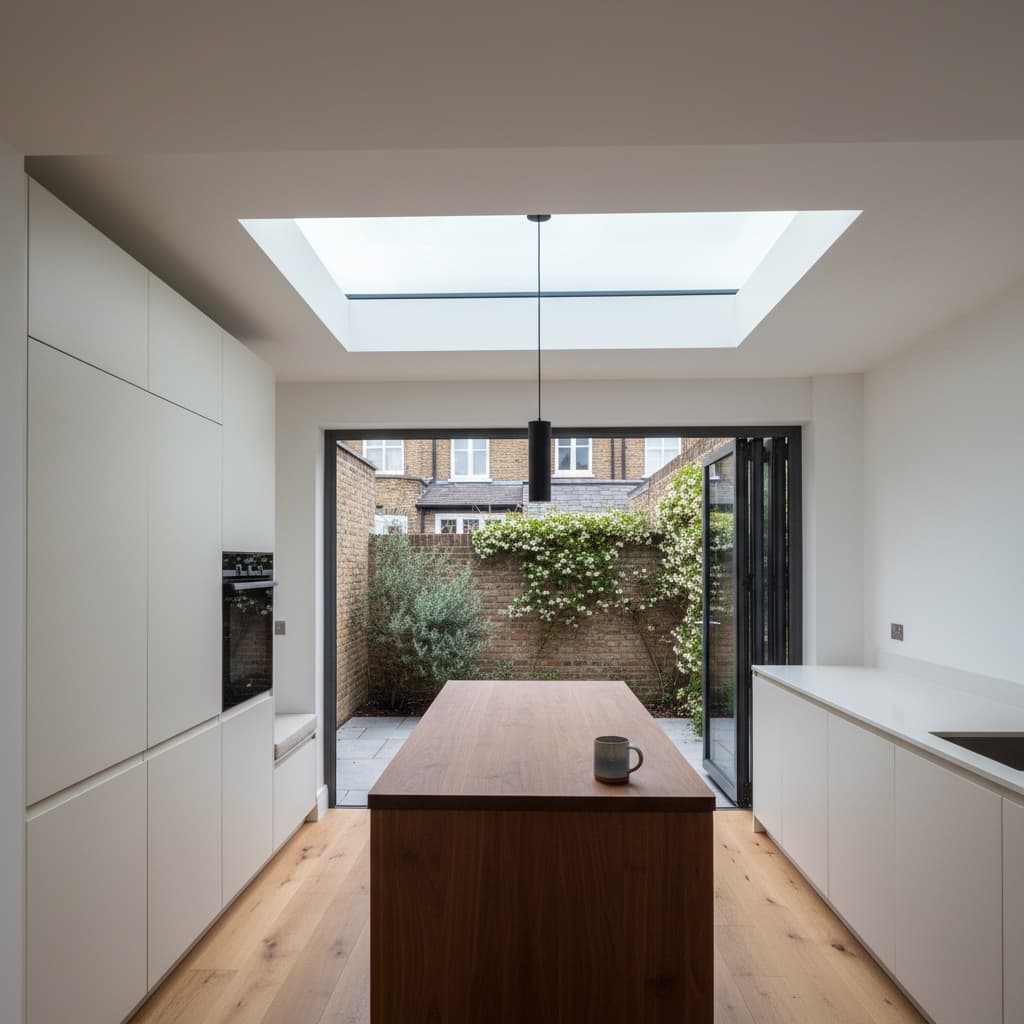
Kitchen Extension Builders in Croydon (CR0, CR2)
Professional kitchen extension builders in Croydon, South London.
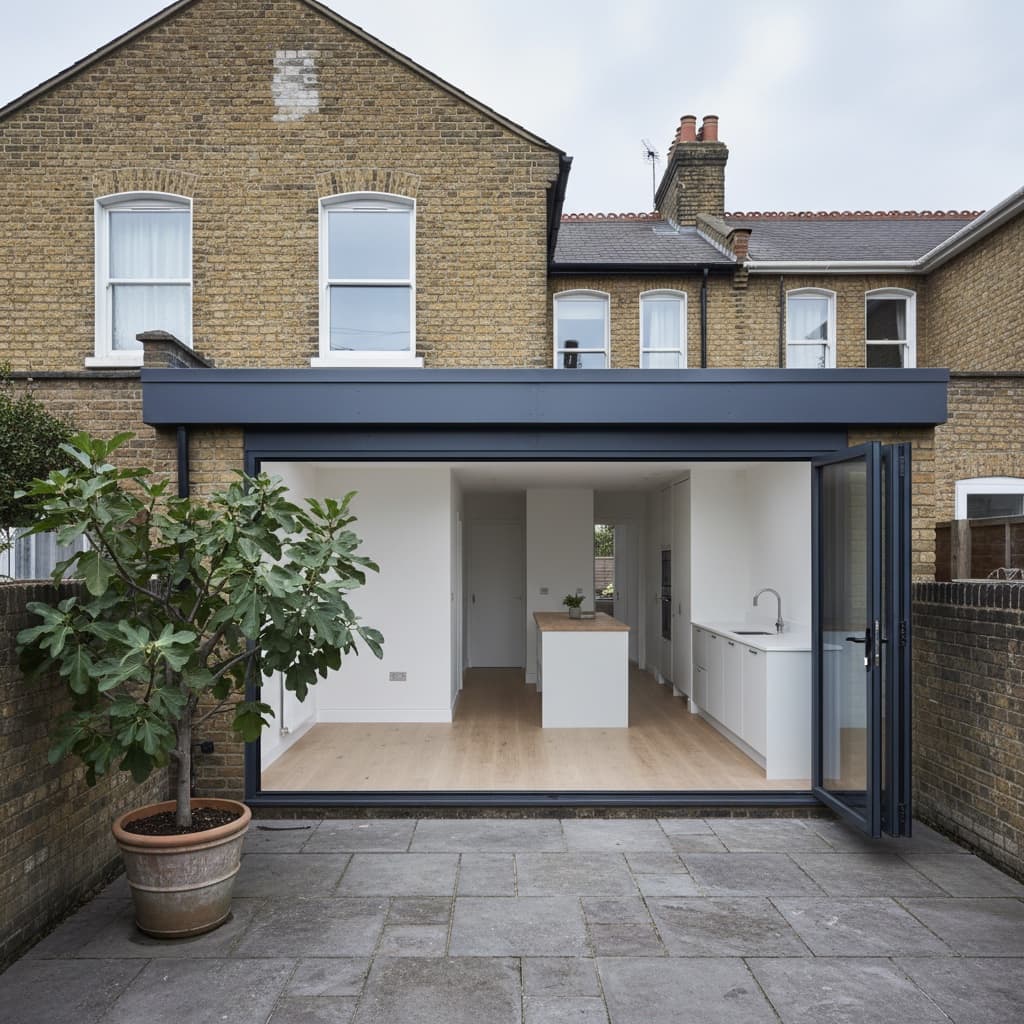
Why Choose All Well for Kitchen Extensions in Croydon?
Croydon's 1930s semis and Victorian terraces in South Croydon make kitchen extensions one of the most popular home improvements in the borough. The 1930s houses in particular have good-sized plots with rear gardens deep enough for a substantial extension, which means there is real room to open up the back of the house and create the kitchen-diner most owners are after.
Every project comes with a fixed-price contract, single project manager, and full certification including Building Control sign-off.
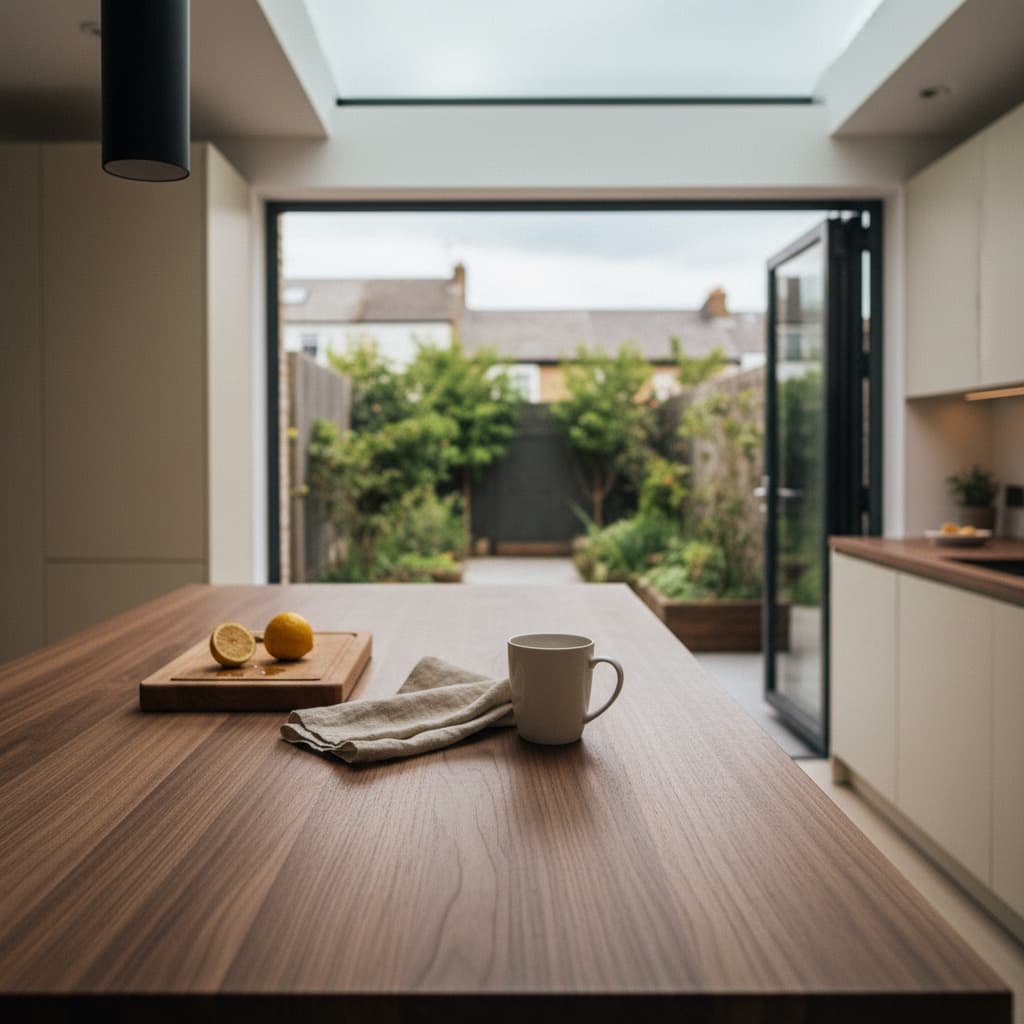
Kitchen Extensions for Croydon Properties
Croydon is known for its victorian and edwardian terraces, 1930s semis, new builds. Our kitchen extensions services are tailored to these property types, ensuring results that complement the character of your home.
Postcodes we cover: CR0, CR2
Kitchen Extensions Tip for Croydon Homeowners
The 1930s properties that dominate much of Croydon often have concrete raft foundations rather than strip foundations. In some cases, the existing raft can be extended to support the new extension, which simplifies the groundwork. The chalk and clay subsoil in Croydon is generally stable, but properties on chalk escarpments can occasionally have dissolution features that need investigation. Croydon Council is proactive about supporting home improvements and their planning portal is straightforward to navigate.
Kitchen extension types we build in CR0 and CR2
Three patterns cover most of what we build across Croydon. Which one fits your house depends on whether you have a 1930s semi, a 1930s detached, or a Victorian terrace.
Wide rear extensions on Croydon's 1930s semis
The most common Croydon project. Semis around Sanderstead, Purley, Selsdon, and the streets off Brighton Road have wide plots, typically 7 to 9 metres of rear elevation with side access on the detached side. We extend 4 metres into the garden across the full rear wall, take out the load-bearing wall between kitchen and dining room with a 178x102 UB or 203x133 UB steel beam, and finish with bifolds or sliders. That covers foundations on Croydon's mixed chalk and clay subsoil (typically 1.0 to 1.2 metres on standard sites), structural steel, glazing, electrics, plumbing, and finishes. Build time 12 to 14 weeks. Permitted development under Class A covers the full 4-metre projection on a semi.
Rear extensions on Croydon Victorian terraces, South Croydon and Thornton Heath
The classic two-up-two-down terraces in South Croydon and Thornton Heath have side returns of 0.9 to 1.2 metres that some owners infill alongside the rear extension to create a wraparound. Build time 12 to 16 weeks for a rear-only project, longer for a wraparound. A party wall agreement with the neighbouring property is required, and we handle the Agreed Surveyor route. On 1930s detached plots in Sanderstead and Purley, Class A permits up to 8 metres under the Larger Home Extension prior approval process (8-week neighbour consultation), with projections of 5 to 6 metres and build time of 14 to 16 weeks.
Croydon-specific structural considerations: concrete rafts and chalk subsoil
Three structural factors distinguish kitchen extensions in CR0 and CR2 from inner London projects. Understanding them upfront prevents surprises during the build.
Concrete raft foundations on Croydon 1930s houses, what it means for your project
A high proportion of Croydon's 1930s housing stock sits on concrete raft slabs rather than traditional strip foundations. Where the existing raft extends slightly beyond the rear wall and is in good condition at sufficient depth, the new extension can tie into the existing raft with a structural connection rather than requiring entirely new strip footings, which simplifies the groundwork. The structural engineer assesses the raft at survey by lifting a slab section to confirm construction and depth. Where the raft is shallow or in poor condition, full new strip foundations apply. The approach is confirmed before the contract is signed. CR0 and CR2 sit on a transition between London Clay in the lower-lying streets and the chalk escarpment running south through Sanderstead and Selsdon. Most sites need standard 1.0 to 1.2 metre foundations. Properties near former springs, natural watercourses, or known chalk dissolution features may need ground investigation before the structural design is finalised, identified by a trial hole at survey. Standard sites need no additional investigation.
Semi-detached and detached plots in Croydon, structural and logistics advantages
Croydon's housing stock is dominated by 1930s semi-detached and detached properties rather than tightly-packed Victorian terraces. This simplifies several things: only one party wall to deal with on a semi (none on a detached), wider side access for materials delivery and waste removal, and easier access for foundation pour. Site setup on a Croydon 1930s semi typically takes half a day versus a full day on a tightly-packed inner London terrace.
Croydon Council planning and how we manage your project
Croydon Council has been proactive in supporting home improvements as part of the broader town centre regeneration. For most rear extensions, permitted development covers the work, with planning permission needed only where PD rights are removed or the project exceeds PD limits.
Permitted development and prior approval for kitchen extensions in Croydon
Class A permitted development covers a 3-metre rear projection on a terrace and 4 metres on a semi or detached. The Larger Home Extension prior approval process covers 4 to 6 metres on terraces and 4 to 8 metres on semis or detached, with an 8-week neighbour consultation. Croydon Council typically determines applications in 6 to 8 weeks. We submit a Lawful Development Certificate (£129, 6 to 8 weeks at Croydon) on permitted development projects for written confirmation, which protects the property at sale. The South Croydon and Sanderstead conservation areas have additional design requirements for visible alterations, and we handle those applications where relevant. Fixed-price contracts cover labour, materials, structural engineer calculations for the steel and foundation design pack including any concrete raft assessment, Building Control fees at Croydon, FENSA glazing registration, party wall surveyor coordination, and the Lawful Development Certificate or planning fee where applicable. A Croydon kitchen extension involves 12 to 15 trades over 12 to 18 weeks. We assign one project manager from survey through handover with photo updates throughout the build.
Kitchen Extensions in Croydon: What's Included
How I price kitchen extensions in Croydon
I price every kitchen extensions job in Croydonafter I’ve seen it. No two properties are the same, so a number here would only mislead you. What you get instead is a fixed-price contract, a week-by-week programme, and no costs that turn up later.
Get a fixed quoteWhat Our Customers Say
“All Well managed our project from start to finish. The fixed-price contract meant no surprises, and the result is stunning.”
Verified Customer
Croydon
“Professional team, clear communication throughout. They handled everything including Building Control sign-off.”
Verified Customer
Croydon
Frequently Asked Questions
- What kind of kitchen extension suits a Croydon house?
- It depends on the property. Wide rear extensions of 4 metres on 1930s semis are the most common Croydon project, covering foundations, structural steel, glazing, electrics, plumbing, and finishes. On 1930s detached houses we go deeper, 5 to 6 metres. On Victorian terraces in South Croydon we build rear extensions, and a wraparound where the owner wants to infill the side return too. On suitable 1930s sites a concrete raft tie-in can simplify the groundwork. The Larger Home Extension prior approval (for 4 to 8 metre projections on semis or detached) adds 8 weeks lead time on top of the £129 application. Fixed price confirmed after a free site visit, before any work starts.
- Can my Croydon extension tie into the existing concrete raft?
- Often yes, on 1930s properties. A high proportion of Croydon's 1930s housing stock sits on concrete raft slabs rather than traditional strip foundations. Where the existing raft extends slightly beyond the rear wall and is in good condition at sufficient depth, the new extension can tie into the existing raft with a structural connection rather than requiring entirely new strip footings, which simplifies the groundwork. The structural engineer assesses the existing raft at the survey by lifting a slab section to confirm the construction. Where the raft is shallow or in poor condition or the new loading exceeds the existing slab capacity, full new strip foundations apply. The approach is firm before the contract is signed.
- Does the chalk subsoil in Croydon affect extension foundations?
- Usually no, but occasionally yes. CR0 and CR2 sit on a transition between London Clay (lower-lying streets) and the chalk escarpment running south through Sanderstead and Selsdon. Most sites have stable ground requiring standard 1.0 to 1.2 metre foundations. Chalk dissolution features can occur on properties near former springs, natural watercourses, or known geological lineaments, and these create localised subsidence risk that needs ground investigation before the structural design is finalised. Identified by a trial hole at the survey, where the structural engineer specifies foundation depth or piled foundations from the trial hole data. Standard sites just need standard foundations.
- Why hire All Well for a Croydon kitchen extension?
- Three reasons. First, accuracy: we know the CR0 and CR2 stock, which 1930s streets have concrete raft foundations, where chalk subsoil might affect foundation design, the South Croydon and Sanderstead conservation areas, and which 4 to 8 metre projections need Larger Home Extension prior approval. Second, full accreditation: NICEIC for electrical (BS 7671), FENSA for glazing, Gas Safe registered for boiler relocation, structural engineer calculations included, and Building Control sign-off included on every project. Third, fixed-price contracts: the quote doesn't change unless the specification does, including concrete raft assessment, party wall surveyor fees, conservation area applications, and trial-hole foundation reassessment. Office on Limes Avenue, SE20.
All Well has completed 100+ projects across 25 London boroughs since 2020. We are NICEIC approved for electrical work, FENSA registered for glazing, and CHAS certified for site safety, with Public Liability insurance to £5 million. 57+ Google reviews average 4.9 stars. All Well Property Services® is a UK registered trademark, Companies House no. 12721034, operating from Unit 1 Limes Avenue, Anerley SE20 8QR.
Kitchen Extensions Near Croydon
Get a Free Quote for Your Croydon Kitchen Extensions
Fixed-price quote, no obligation. Call us or fill out our form.