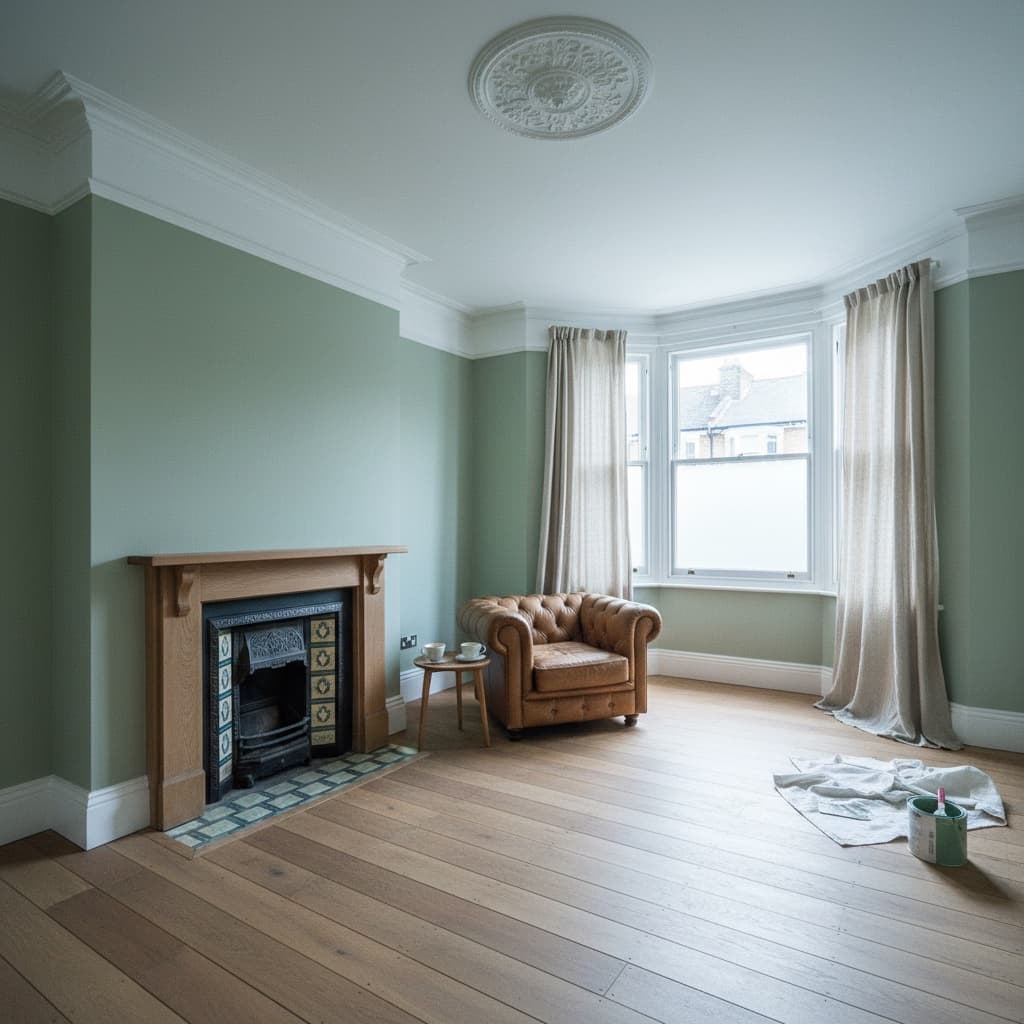
Period Property Painters in London
Painting and decorating for London's Victorian, Edwardian and listed properties.
All Well Property Services provides professional period property painting across South East London. I price every project individually after a free site visit, so you get a clear written quote with a week-by-week programme rather than a calculator estimate. All projects include a fixed-price contract, single project manager, and full Building Control sign-off. Call 020 3920 9617 for a free consultation.
What We Offer
Painting and decorating for London's Victorian, Edwardian and listed properties. Breathable finishes on lime plaster, lead-safe preparation on pre-1992 houses, and original joinery treated as joinery rather than something to coat over.
- ✓Breathable paint systems on lime plaster
- ✓Lead paint testing on pre-1992 properties
- ✓Listed Building Consent applications
- ✓Sash window preparation and reglazing
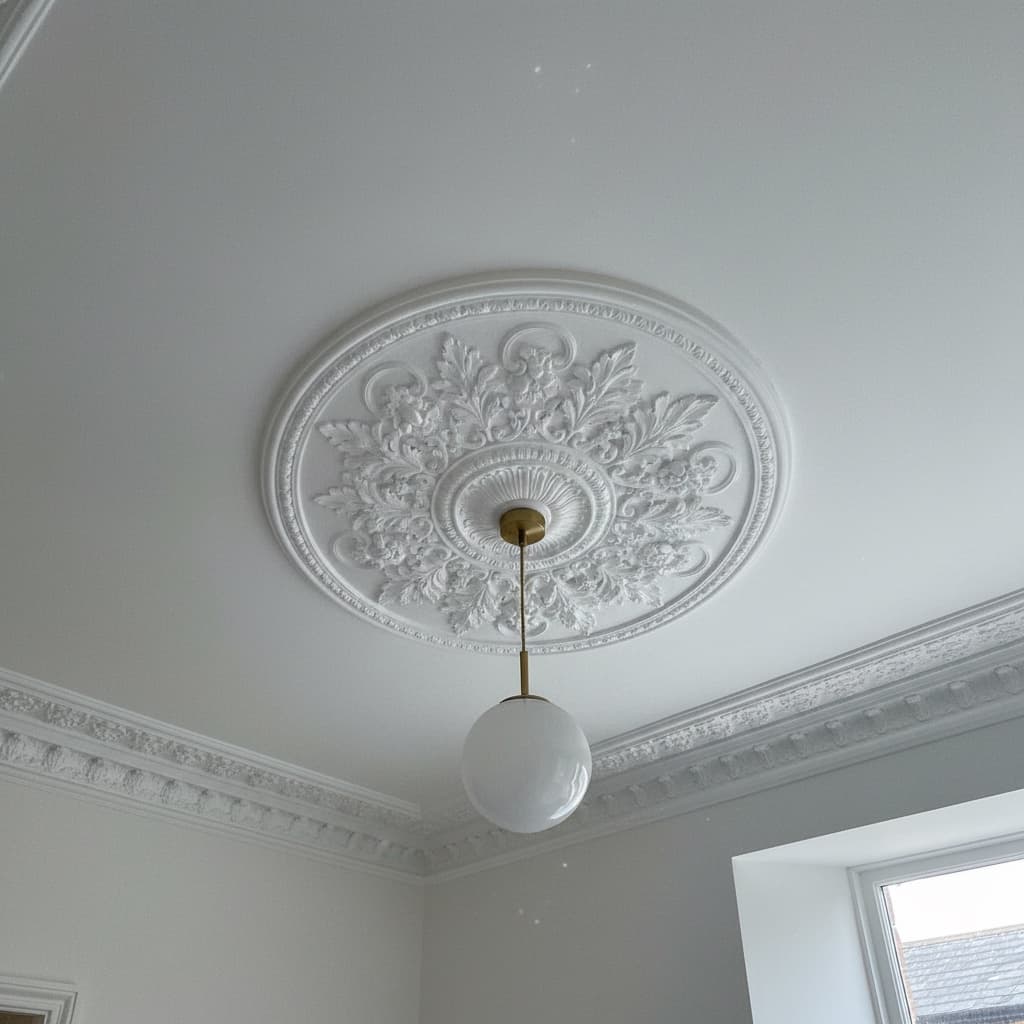
- ✓Cornice and ceiling rose detail work
- ✓Farrow and Ball and Little Greene systems
- ✓Lime mortar and render made good before painting
- ✓HEPA extraction on every sander
How I price period property painting
I quote every job after a free site visit. The price covers materials, labour and a realistic programme, all fixed in writing before we start. No hidden costs, no mid-job surprises.
Book a free site visitWhat Affects the Cost?
- •Whether the walls are lime plaster or have been sealed with vinyl emulsion
- •Lead paint layers on pre-1992 joinery and staircases
- •Number of sash windows needing putty repair before painting
- •Depth of cornice and ceiling rose detail to be picked out
- •Listed status or an Article 4 direction on the elevation
Period property painters in London
Most period houses in London have solid brick walls with no cavity. Moisture moves into the wall and evaporates back out, and the plaster and paint above it have to let that happen. Seal the inside face with a standard vinyl emulsion and the moisture stops at the paint film instead. You get blown plaster at skirting level, salt blooms coming through the colour, and a repaint that fails inside two winters. That single mistake is the most common fault we find when we are called to redo a period repaint someone else did. We work on Victorian terraces around Lewisham, Camberwell and Catford, and Edwardian semis in Dulwich, Forest Hill and Sydenham, where the same wall build-up turns up again and again.
Breathable paint on lime plaster and solid walls
Lime plaster needs a paint with an open structure. Depending on what is already on the wall we use mineral paints, clay paints or limewash, and we test a patch before committing, because old walls carry decades of coatings nobody has a record of. Where a previous owner has already sealed the wall in vinyl, the breathability is gone until that layer comes off. Stripping it is not always worth the cost, and on a wall that is dry and stable we will say so rather than sell you the bigger job.
Lime mortar and render made good first
Paint does not fix a wall. Where the pointing has been redone in cement, the brick face is where the moisture now leaves, and painting over it traps the problem. We repoint in a lime mortar matched to the original and let it carbonate before any coating goes near it. On stucco we cut out the blown sections and rebuild in a lime render rather than patching with sand and cement, which cracks away from the original within a couple of seasons.
Lead paint on pre-1992 properties
Lead paint testing matters more on a period house than anywhere else, because the layers are deeper and they sit on exactly the surfaces that need the most preparation: staircases, window frames, skirtings and door architraves. The Control of Lead at Work Regulations 2002 prohibit unprotected sanding or stripping of lead-paint layers. We test every pre-1992 property at the survey with 3M LeadCheck swabs, and where lead shows up we work inside a sealed area with HEPA-filter extraction and disposable PPE. Dry-sanding a lead layer in an occupied house without containment is illegal, and it is still done regularly.
Listed building consent and conservation area paint rules
Repainting a listed building in the same colour family is permitted development and needs no application. Changing the paint type or the colour affects the character of the building, and that needs Listed Building Consent, which is separate from planning permission. Carrying out the work without it is a criminal offence, not a fine. In conservation areas the front elevation is often covered by an Article 4 direction that removes the usual permitted development rights, so the rule that applies to your neighbour's back wall may not apply to your façade. I check the designation and any Article 4 at the survey, and we run the consent application where one is needed.
Sash windows, cornicing and original joinery
Original joinery is the part of a period house a general decorator is most likely to damage, and the damage is usually permanent.
Sash windows and putty lines
New linseed oil putty has to skin over before it takes paint, which is days rather than hours, and rushing it is why putty lines crack within a year. The paint film should lap about 2mm onto the glass to seal the putty to the pane. The complaint we hear most often about other decorators is a sash painted shut: the meeting rails, staff beads and parting beads all need cutting free and the cords checked before the window is closed on wet paint.
Cornice, ceiling roses and picture rails
A Victorian cornice has usually accumulated a century of distemper and emulsion, and the detail is buried rather than lost. We soften and pick the profile back out by hand instead of stripping it, because stripping takes the arrises off the plaster and the run never looks right again. Where sections are missing we take a squeeze mould from an intact length in the same room and cast the repair to match.
Farrow and Ball, Little Greene and designer paints on period walls
The deep Farrow and Ball colours need the manufacturer's tinted primer under them or you end up applying a fourth coat to get an even depth, which is where most of the budget overrun on these ranges comes from. The bigger question on a period house is whether the range suits the wall at all. Several of the popular acrylic-based finishes form a closed film, so on a solid wall that needs to breathe they are the wrong choice regardless of how good the colour looks in the fan deck. Where that is the case we colour-match into a mineral paint and put both on the wall in daylight before you commit to forty litres of it.
Free tools for planning your project
No email required. Get instant estimates and planning answers before you book a consultation.
Best Month
See historic rainfall and temperature for your postcode every month, plus the best window for external work. Live data from the Open-Meteo archive (Met Office and ECMWF).
Listed Check
Check whether your property is a listed building or sits inside a conservation area, and what that means for renovation work. Live data from Planning.data.gov.uk and Historic England.
Planning Risk
Traffic-light check of every planning restriction at your postcode: listed buildings, conservation areas, Article 4 directions, Tree Preservation Orders, flood zones. Live data from Planning.data.gov.uk.
EPC Upgrade
Find your home's current EPC rating and see what it would cost to upgrade to a B. Uses live data from the EPC Open Data register.
Recent Period Property Painting Projects
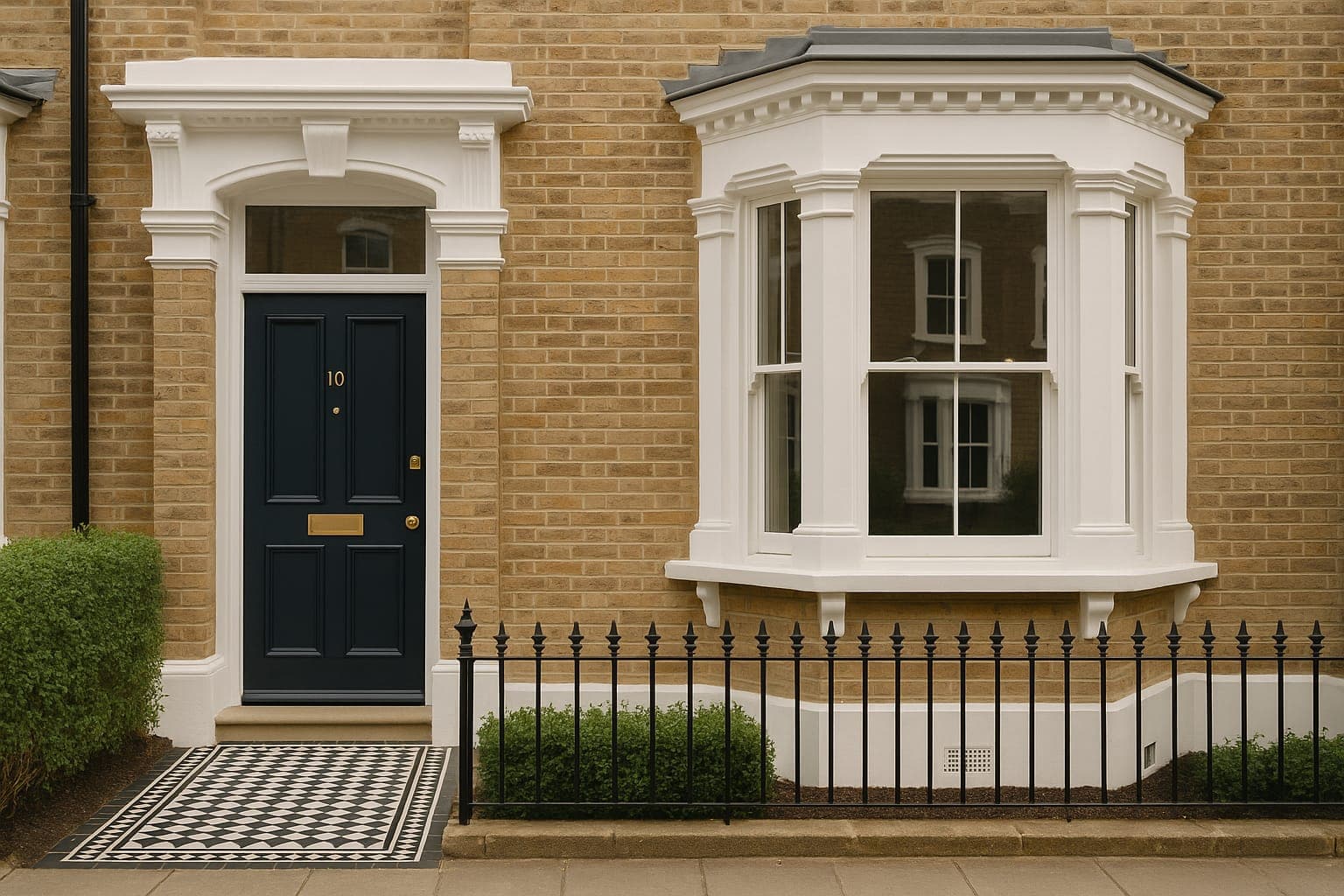
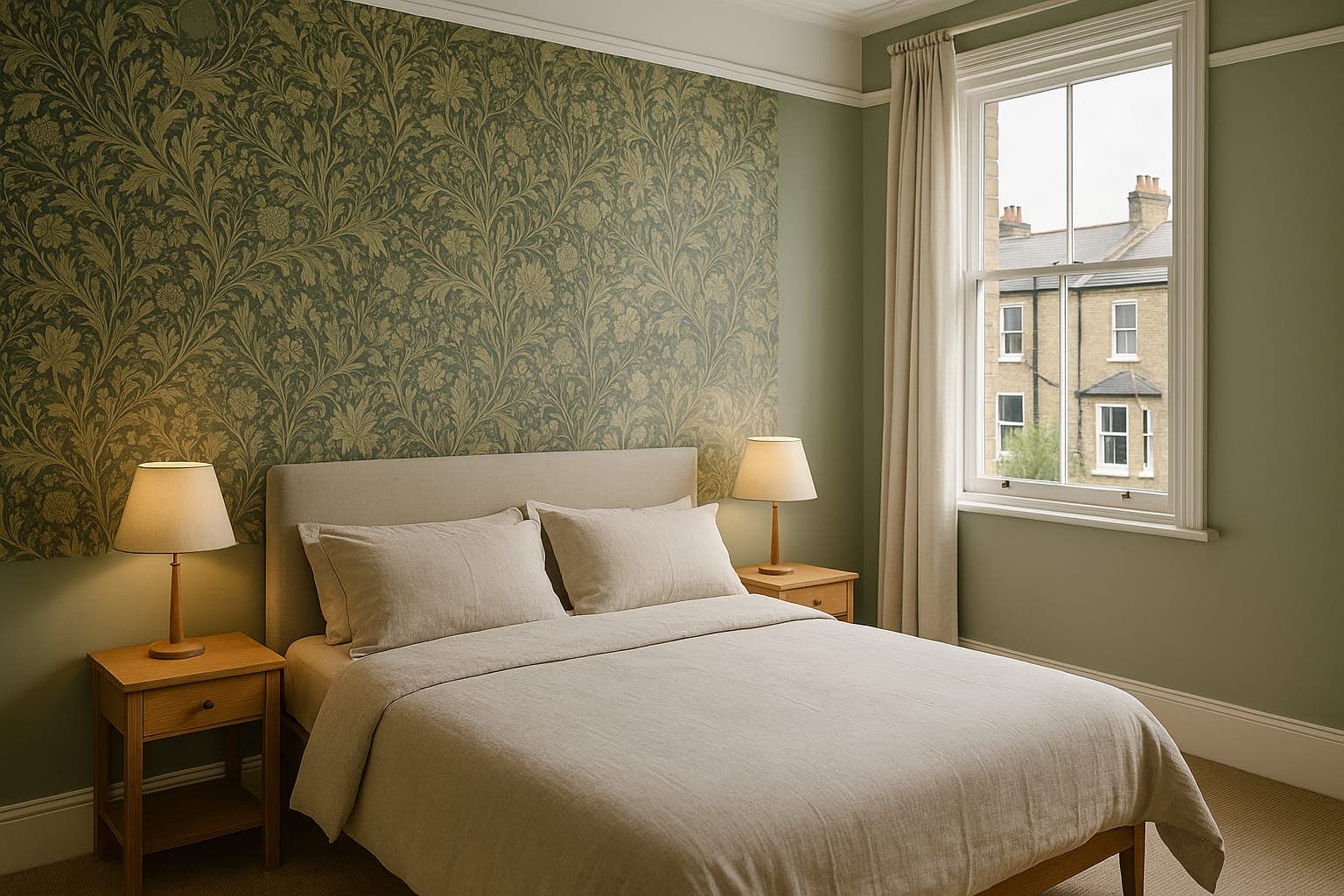
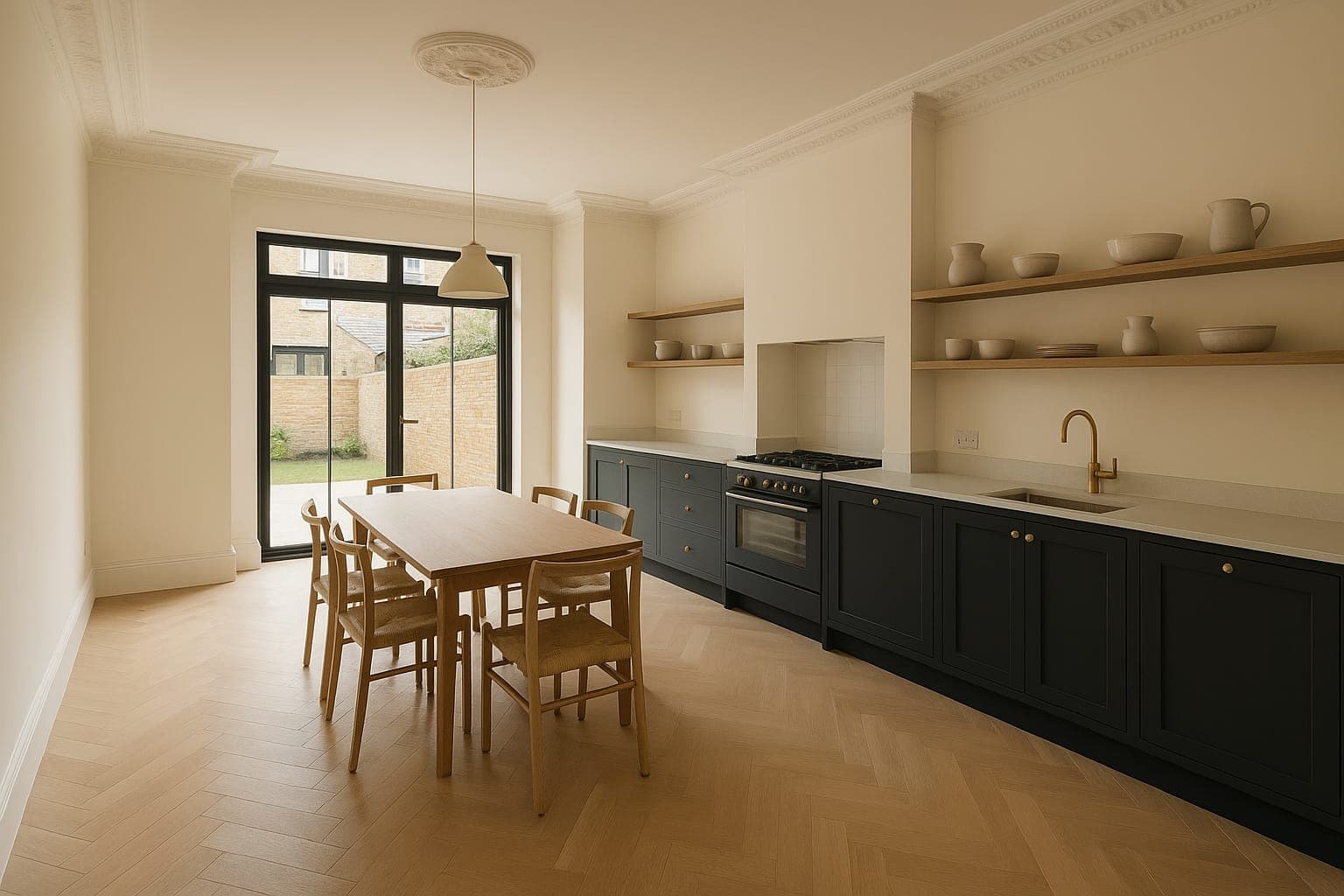
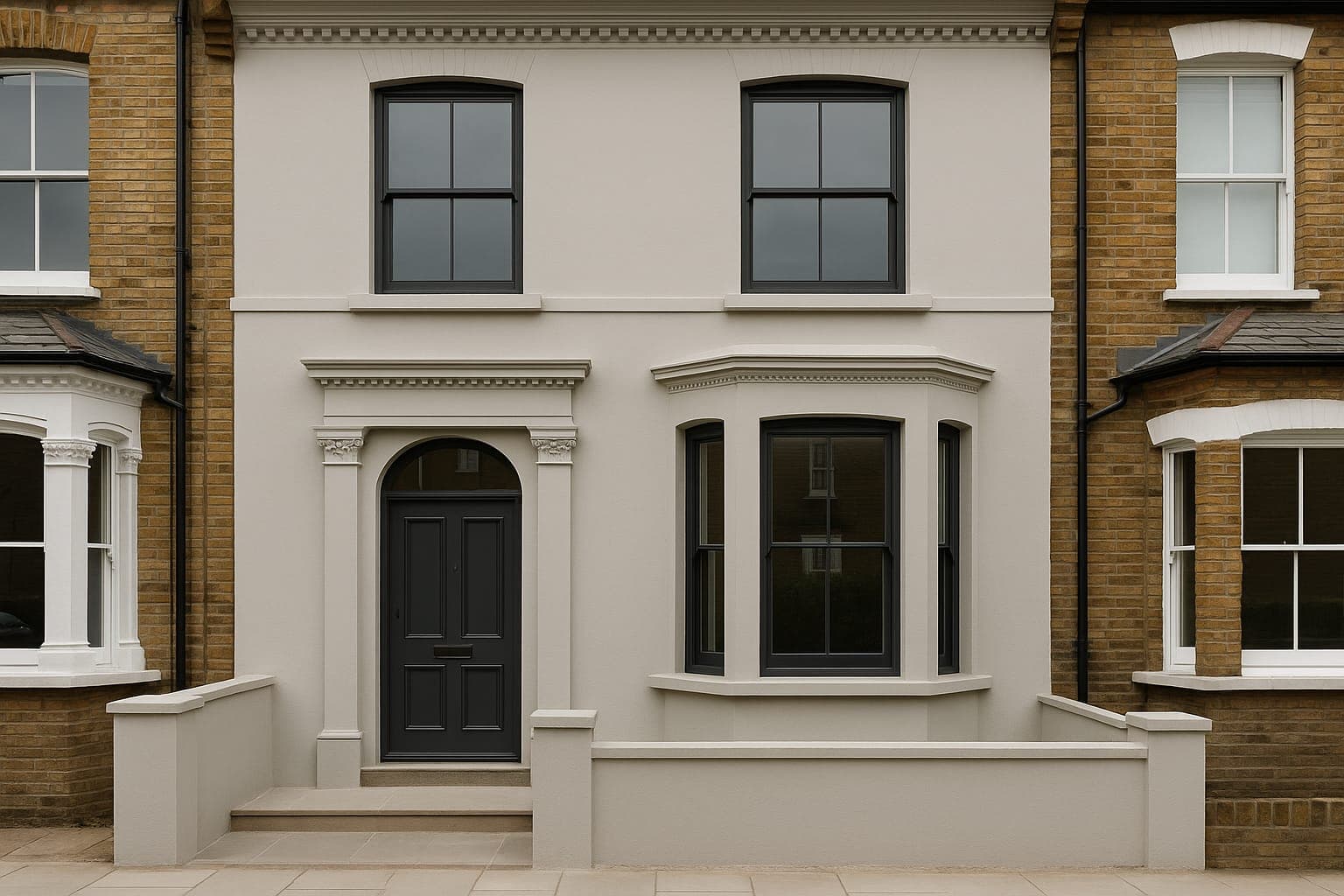
Period Property Painting across South East London
What Our Customers Say
“So happy with the work done by Les and Richard!! We bought a house that needed new paint, cracks filled, a new bathroom fan and some mold removal and they did it all. The quality of the work is phenomenal; it looks like a brand new house. We’ll definitely be hiring them for our future projects!”

Brenna Bodine
7 months ago
“We've had a media wall put in place with fireplace. Richard was very professional and everything that I had got addressed fast. The medial wall looks great, would def recommend them”

Raluca Andra
3 months ago
“So happy with Joel’s work in refurbishing my flat. There was no job too big or small for him and all done to a high standard. I won’t hesitate to use him again!”

Callum Stone
8 months ago
Accredited & Certified
Frequently Asked Questions
- Can I use normal emulsion on a period house?
- On a solid brick wall with lime plaster, standard vinyl emulsion is the wrong material. It forms a closed film, and a wall with no cavity relies on moisture evaporating back out through the plaster and the paint. Trapped moisture shows up as blown plaster at skirting level, salt blooms through the colour, and peeling within two winters. If the wall has already been skimmed in gypsum and sealed by a previous owner, the situation is different and normal emulsion may be fine. That is why we look at the wall build-up at the survey rather than quoting from a room count.
- Do I need listed building consent to repaint?
- Not if you are repainting in the same colour family with the same type of paint. That counts as maintenance. You need Listed Building Consent if you change the paint type or the colour, because both affect the character of the building, and consent is separate from planning permission. Doing the work without it is a criminal offence rather than a fine you can settle afterwards. In a conservation area your property may also be under an Article 4 direction covering the front elevation. We check the designation at the survey and handle the application where one is needed.
- How do you test for lead paint?
- We swab every pre-1992 property at the survey with 3M LeadCheck swabs, concentrating on staircases, window frames, skirtings and architraves, which is where the deepest layers sit in a Victorian or Edwardian house. Where lead is present the Control of Lead at Work Regulations 2002 prohibit unprotected sanding or stripping, so we work inside a sealed area with HEPA-filter extraction and disposable PPE. If you are living in the house we programme that work room by room so you are never sharing air with an active lead strip.
- Will you paint my sash windows shut?
- No. The meeting rails, staff beads and parting beads are cut free before the window is closed, and we check the cords run while the paint is still workable. New linseed oil putty is left to skin over before it takes paint, which takes days rather than hours, and the paint film is lapped around 2mm onto the glass to seal the putty to the pane. A sash painted shut is the single most common complaint we hear about previous decorators, and it is avoidable.
- What does period property painting cost in London?
- Period interiors in South London start from around £750 per room, fixed in writing after a site visit. The paint itself costs much the same as a modern repaint. The difference is preparation: testing for lead, repairing lime plaster, picking cornice detail back out by hand, and repairing putty lines before the windows can be painted. A room with deep cornice, a ceiling rose and two sash windows carries more hours than a plain box of the same floor area, so we price from what is actually in the room rather than a rate per square metre.
Related Services
Get a Free Period Property Painting Quote
Free site visit. No-obligation quote. We respond within 24 hours — usually the same day.
Book Free Consultation