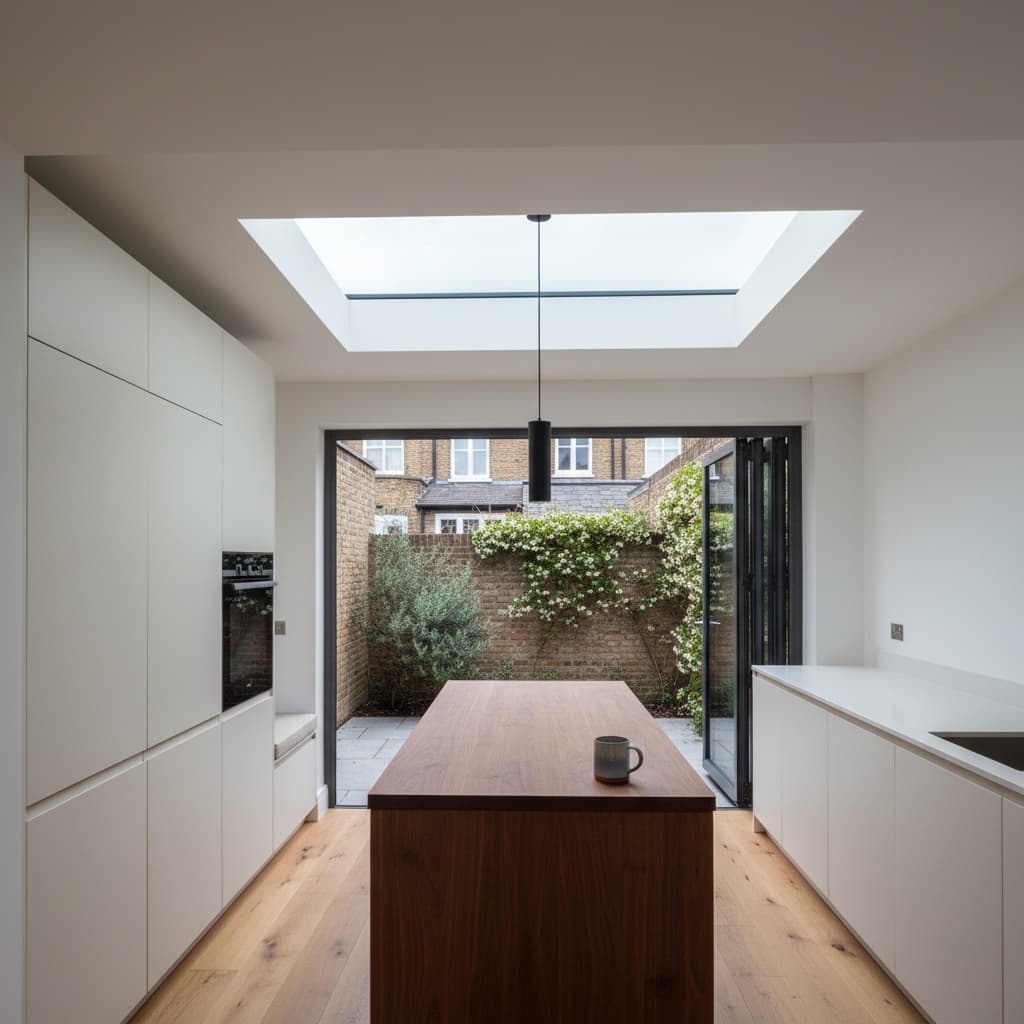
Kitchen Extension Builders in London
We design and build kitchen extensions that turn cramped, separate rooms into open-plan spaces you actually want to cook and eat in.
All Well Property Services provides professional kitchen extensions across South East London. I price every project individually after a free site visit, so you get a clear written quote with a week-by-week programme rather than a calculator estimate. All projects include a fixed-price contract, single project manager, and full Building Control sign-off. Call 020 3920 9617 for a free consultation.
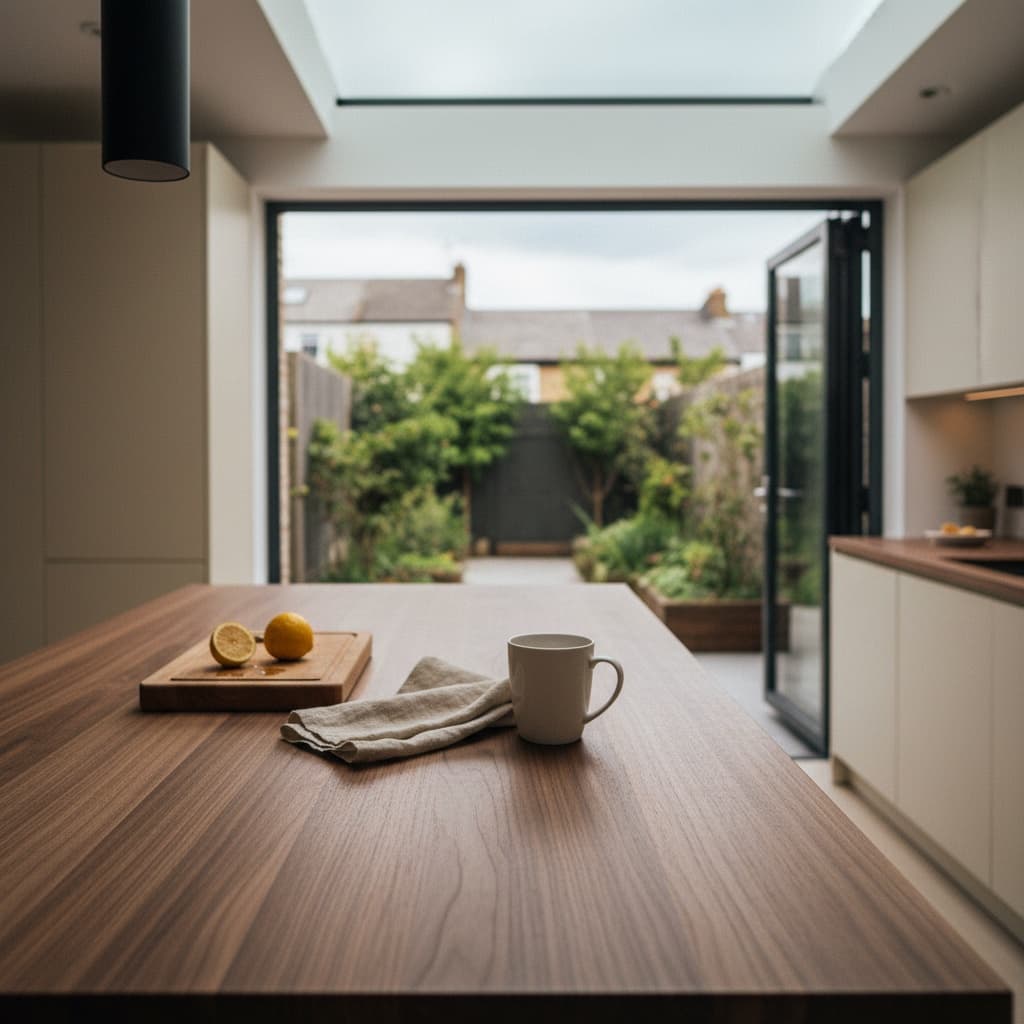
What We Offer
We design and build kitchen extensions that turn cramped, separate rooms into open-plan spaces you actually want to cook and eat in. Rear, side return, and wraparound. One team handles structural steelwork, electrics, plumbing, and Building Control sign-off.
- ✓Single-storey rear extensions
- ✓Side return extensions
- ✓Wraparound extensions
- ✓Kitchen-diner conversions
- ✓Open-plan living spaces
- ✓Structural alterations and steelwork
- ✓Underfloor heating installation
- ✓Full electrical and plumbing fit-out
How I price kitchen extensions
I quote every job after a free site visit. The price covers materials, labour and a realistic programme, all fixed in writing before we start. No hidden costs, no mid-job surprises.
Book a free site visitWatch: House Extension Cost London 2026: Price Per m² & What's Included
What Affects the Cost?
- •Structural complexity and steelwork required
- •Quality of kitchen units and appliances selected
- •Glazing specification (bifold doors, roof lanterns)
- •Groundwork and foundation conditions
- •Access constraints and parking
House and kitchen extension builders in South London
We have built house extensions across South East and South West London since 2020, and I run every job myself from the first site visit to handover. Most of the work is single-storey rear and kitchen extensions on Victorian terraces. We also get a steady run of larger home extensions, where a family wants more ground-floor space instead of moving house. As house extension builders we keep one team on the structural steelwork, electrics, plumbing, and Building Control sign-off, so there is nobody to point the finger at when something needs sorting.
Boroughs we cover most often
In SE London we work most often in Bromley, Beckenham, Penge, Crystal Palace, Anerley, Sydenham, Forest Hill, Dulwich, and Catford. In SW London we cover Clapham, Battersea, Balham, Putney, Tooting, and Wandsworth, with regular work in Fulham, Brixton, Camberwell, and Lewisham. The common ground across these boroughs is London Clay foundations, Crittall-style glazing, and conservation area applications at councils like Lambeth, Southwark, and Bromley.
Kitchen extensions on a Victorian terrace
Most of our kitchen extension work is on Victorian and Edwardian terraces. A dark galley kitchen and a separate dining room become one open room across the back of the house. We have done enough of them to know where the drains tend to run, how the rear wall is built, and what each council wants to see on a permitted development claim.
Types of extension we build
We build the full range of single and two-storey extensions, and the right one comes down to your plot and what the planners will allow on your roofline. On the site visit I will tell you which type suits the house and which one I would not waste your money on. We also cover side return extensions as a specialism in their own right, so if that is the better route for your terrace we cross-link the detail on the side return page.
Single-storey rear extensions
A single storey rear extension is the most common job we do, pushing the back of the house out 3 to 6 metres to make room for a kitchen-diner. Most stay within permitted development. We apply for the lawful development certificate so the paperwork is sound when you come to sell.
Double-storey extensions
A double storey extension adds space upstairs and down in one build, usually a bigger kitchen below with a bedroom or bathroom above. A two storey extension needs deeper foundations and a planning application in most cases, and we handle both as part of the project.
Wraparound extensions
A wraparound extension combines a side return infill with a rear extension to open up the whole back corner of the house, and it is the biggest footprint you can gain on a terrace. The steelwork and foundations are more involved, so these sit at the longer end of our programme. If you only need the side return infill, we cover that on its own page.
Kitchen-diner and open-plan extensions
A kitchen diner extension knocks the back of the house into one open plan kitchen extension with dining and sitting space, usually with bifold doors and a roof lantern to pull light in. We size the RSJ steelwork to take the loadbearing wall out cleanly so the run of the room is uninterrupted.
Ground-floor and full-width rear extensions
A ground floor extension spans the full width of the rear, going wider than a standard rear extension where the plot allows. It gives the largest single-storey kitchen footprint, and we manage the party wall agreements with the neighbours on each side.
Glass box and glazed extensions
A glass box extension uses structural glazing and slim Crittall-style frames for a light-filled room that reads as part of the garden. The glazing is FENSA-registered and the framing is detailed with the structural engineer so the glass carries its load safely.
What our accreditations and Building Control sign-off cover
Every extension we build is certified, inspected, and signed off so the paperwork stands up when you sell or remortgage.
NICEIC, FENSA, CHAS and Gas Safe accreditation
We are NICEIC-approved and certify every electrical installation to BS 7671 (the IET Wiring Regulations) under Part P. The certificates are handed over at completion, which mortgage lenders and buyers' solicitors ask for at sale. All glazing is FENSA-registered and lodged with the local council as the legal proof of Building Regulations compliance for the windows and doors. We carry CHAS certification for site safety and Public Liability insurance to £5 million, and Gas Safe registered engineers handle any boiler relocation or kitchen gas connection. Structural calculations come from a chartered structural engineer who specialises in residential conversions, commissioned on every project that opens up a loadbearing wall.
Building Control sign-off and Lawful Development Certificates
Building Control sign-off is included in every project, with inspections at foundation, drainage, structure, insulation, and completion. The completion certificate is handed over at the end and proves the work is compliant when you sell or remortgage. Where it applies we apply for Lawful Development Certificates (£129) for written planning confirmation, and we handle any conservation area or Listed Building Consent applications as part of the job.
How we run an extension from survey to handover
How we run extension projects comes down to fixed-price contracts, a single project manager, and updates you can check against the programme. We operate from Unit 1 Limes Avenue, Anerley, London SE20 8QR. Companies House number 12721034. 57 verified Google reviews averaging 4.9 out of 5 stars.
Fixed-price extension quotes
After the free site visit we issue a fixed-price quote within 48 hours covering labour, materials, structural engineer calculations, FENSA registration, planning fees, Building Control fees, and any conservation area applications. The price does not change unless you change the specification. If we miss something on the survey, that is our problem to absorb, not yours to pay for.
One project manager and weekly updates
One project manager knows every detail from survey to handover, runs the weekly programme, schedules the trades, manages deliveries, and sends photo updates throughout the build. They are on the phone during working hours, and if a trade hits a problem they make the call rather than waiting for you to coordinate it. Any change to the contract, programme, or specification is flagged in writing before the work happens, and the directors read every weekly update.
Free tools for planning your project
No email required. Get instant estimates and planning answers before you book a consultation.
Kitchen Cost Calculator
Get an instant estimate for your kitchen extension project in South East London. Factor in extension type, size, finish level, and your borough for a personalised cost breakdown.
Kitchen Value Calculator
Estimate how much value a kitchen extension could add to your property. Calculate your return on investment based on your borough, property value, and extension type.
Kitchen Timeline Calculator
Plan your kitchen extension timeline from start to finish. Factor in planning permission, party wall agreements, and seasonal adjustments for a realistic project schedule.
Planning Checker
Check whether your home improvement project is likely to need planning permission or falls under permitted development rights. Covers extensions, loft conversions, and more.
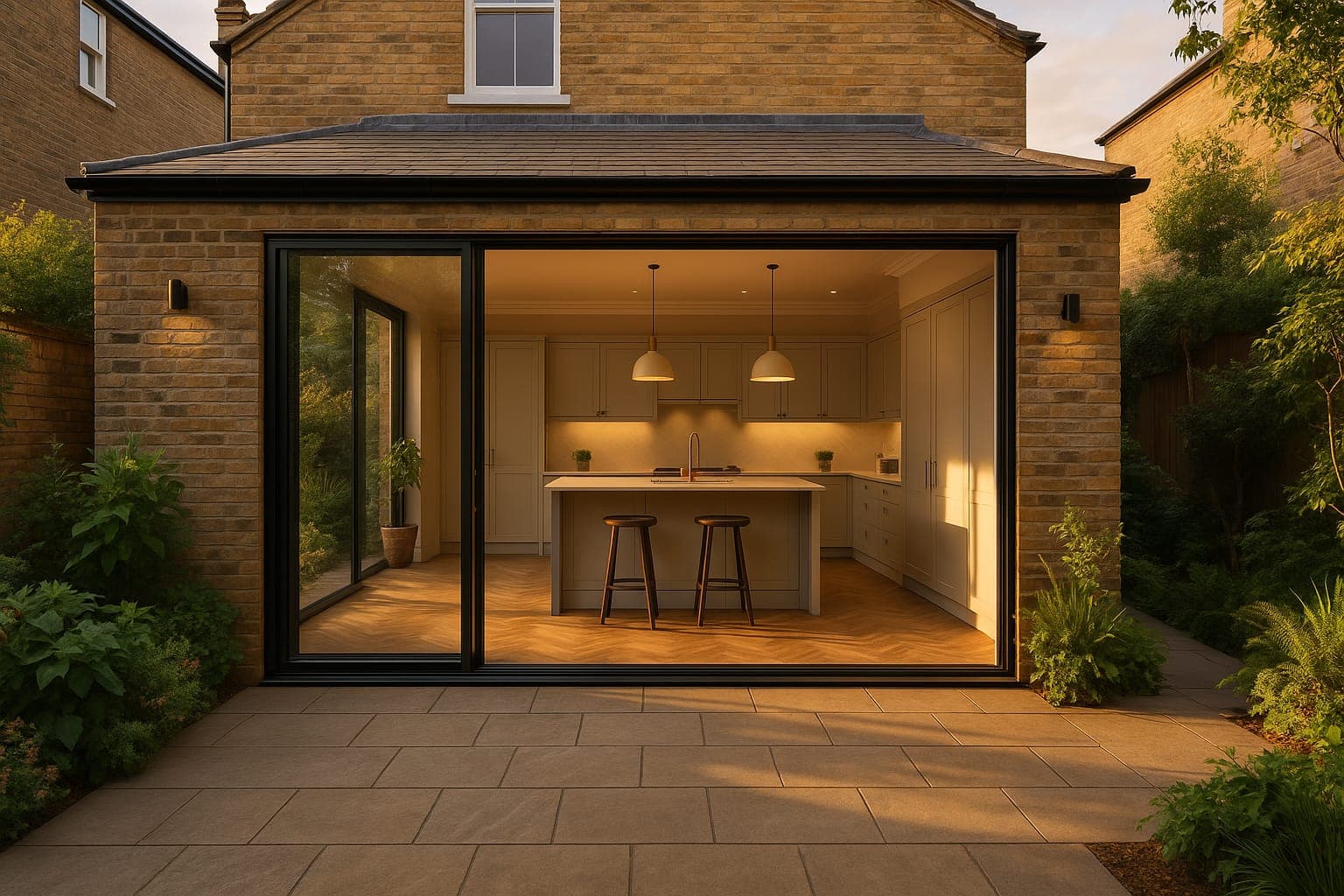
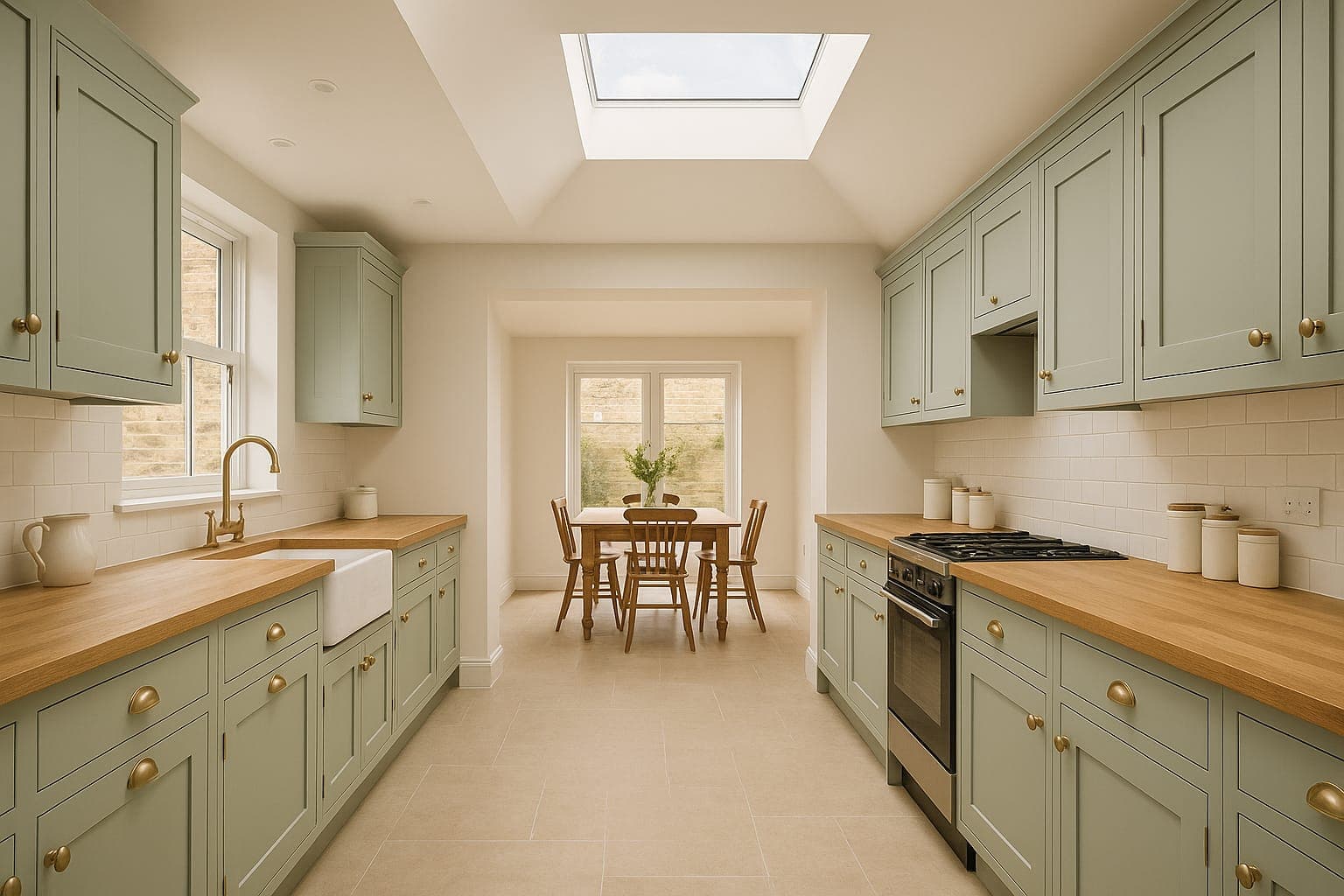
Recent Kitchen Extensions Projects
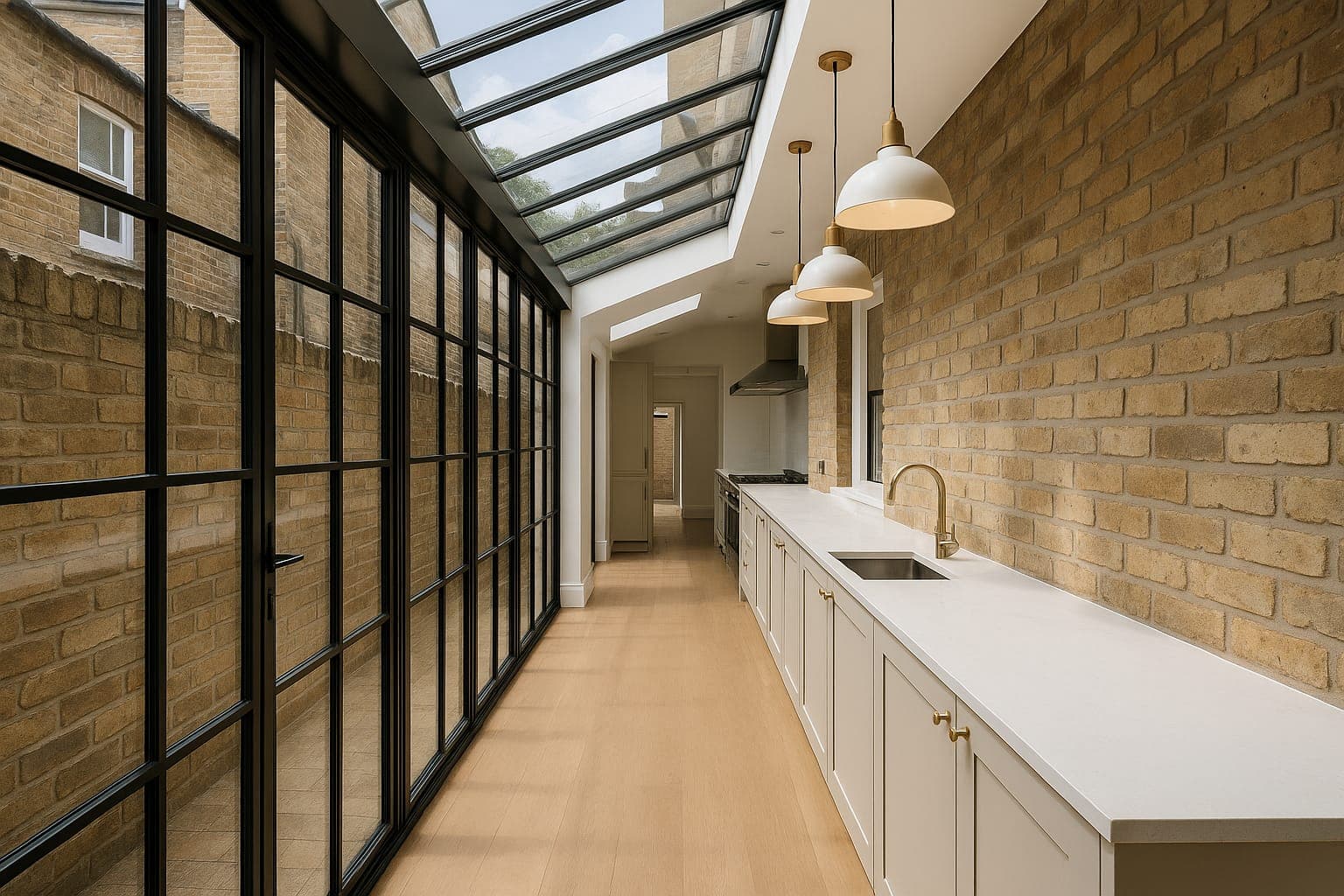
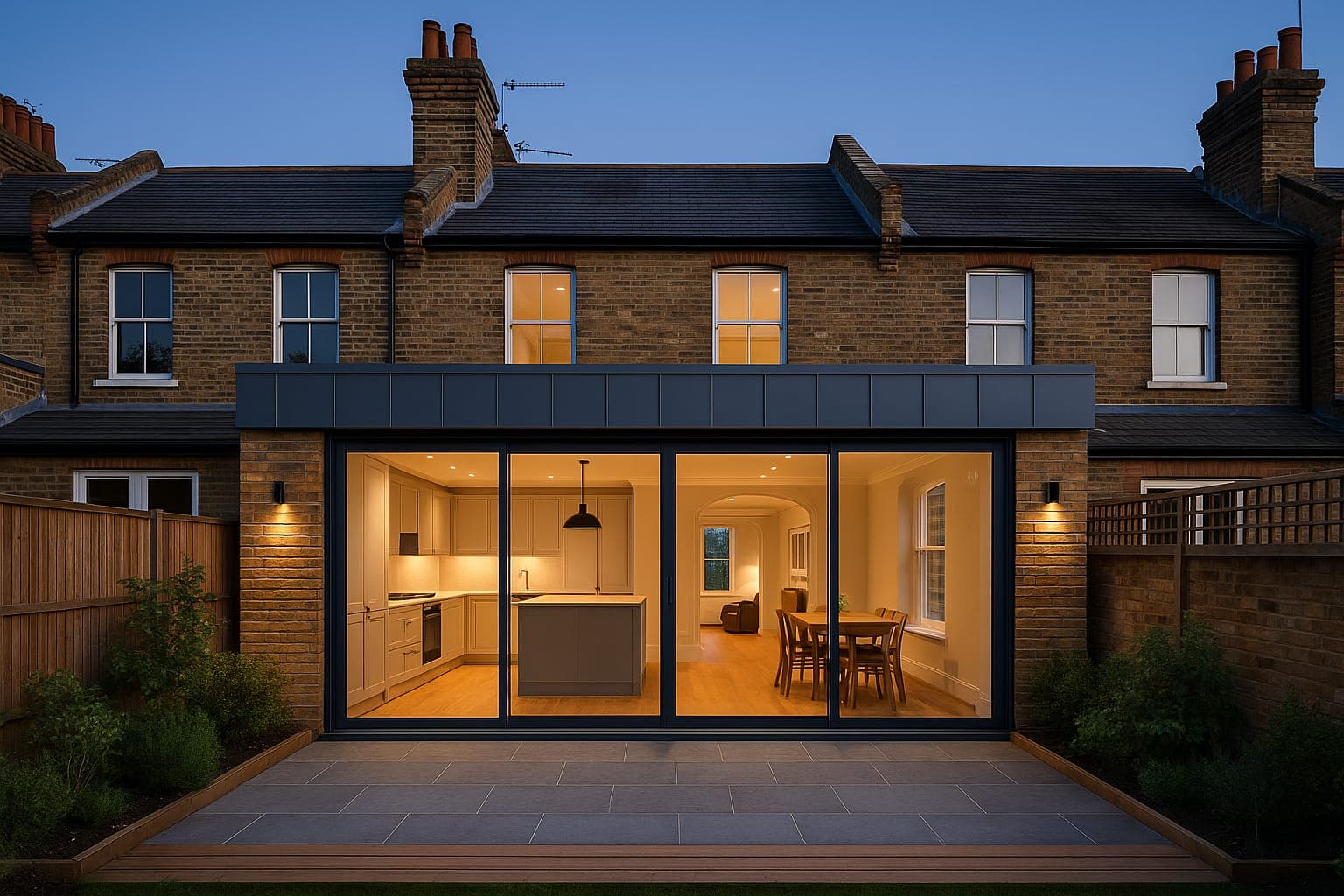
Kitchen Extensions across South East London
What Our Customers Say
“So happy with the work done by Les and Richard!! We bought a house that needed new paint, cracks filled, a new bathroom fan and some mold removal and they did it all. The quality of the work is phenomenal; it looks like a brand new house. We’ll definitely be hiring them for our future projects!”

Brenna Bodine
6 months ago
“We've had a media wall put in place with fireplace. Richard was very professional and everything that I had got addressed fast. The medial wall looks great, would def recommend them”

Raluca Andra
a month ago
“A totally outstanding experience from Richard and his team. Les did an absolutely amazing job of turning around the much needed re decoration of my apartment at the end of a long tenancy, pulling out all the stops to deliver a first class job on a tight timeframe. The Electrician assigned also turned things around quickly and again to a high standard. Extremely professional and I don’t hesitate to recommend or use again in the future.”

Charlie Watson
2 months ago
Accredited & Certified
Frequently Asked Questions
- Do I need planning permission for a kitchen extension?
- Most single-storey rear kitchen extensions in London fall under permitted development rights, meaning you do not need a formal planning application. Your extension must stay within specific limits set by the Town and Country Planning (General Permitted Development) Order 2015 — no more than 3 metres from the rear wall for a terraced house, or 4 metres for a detached property, with a maximum eaves height of 3 metres and overall height of 4 metres. However, if your home is in a conservation area such as Dulwich Village or Blackheath, is a listed building, or has already used permitted development allowances through previous extensions, you will need formal approval from your local planning authority. We check all of this during the free site visit and handle any applications on your behalf, including lawful development certificates where needed. Most of the kitchen extensions we build proceed under permitted development without a planning application.
- How much does a kitchen extension cost?
- Kitchen extensions in South East London start from around £2,500 per square metre in 2026, and specification moves the figure more than size does. A typical 20 square metre single-storey rear extension starts from around £55,000 including foundations, steelwork, glazing, electrics, plumbing, and finishes. A wraparound combining side return and rear starts from around £70,000. Premium choices such as Crittall-style glazing, stone worktops, or underfloor heating push the budget up quickly, which is why we won't guess a number over the phone. We survey the property first, then provide a fixed-price quote: the price we quote is the price you pay, with no hidden extras. Building Control fees and structural engineer costs are included in every quote.
- How long does a kitchen extension take to build?
- Most kitchen extensions take between 12 and 16 weeks from breaking ground to completion. The timeline breaks down roughly as follows: foundations and groundwork take 2-3 weeks, structural walls and steelwork take 2-3 weeks, roofing and weatherproofing take 1-2 weeks, first-fix electrics and plumbing take 1 week, plastering and second fix take 2 weeks, and kitchen fitting with final decoration takes 2-3 weeks. Wraparound extensions sit at the longer end of the range due to additional steelwork and foundation complexity, and party wall agreements can add lead-in time before work starts. We provide a detailed programme of works before starting so you know exactly what to expect each week. Your dedicated project manager sends photo updates throughout the build and is available by phone.
- What is included in the price?
- Our fixed-price quotes cover everything needed to deliver a finished, usable kitchen extension. This includes foundations and groundwork, structural steelwork and RSJ beams sized by our structural engineer, external walls and roof construction, glazing such as bifold doors and roof lanterns from suppliers like Origin or Schuco, full electrical installation certified by NICEIC to BS 7671 standards, plumbing and heating connections including underfloor heating pipework where specified, plastering, decoration, and flooring preparation. Kitchen unit supply and fitting is included as standard unless you prefer to supply your own units from a specialist like Howdens, Wren, or a bespoke joiner. Building Control fees, structural engineer calculations, and FENSA glazing registration are all included. The only items not typically covered are freestanding furniture, appliances you source independently, and external landscaping or paving beyond the extension footprint.
Related Services
Get a Free Kitchen Extensions Quote
Free site visit. No-obligation quote. We respond within 24 hours — usually the same day.
Book Free Consultation