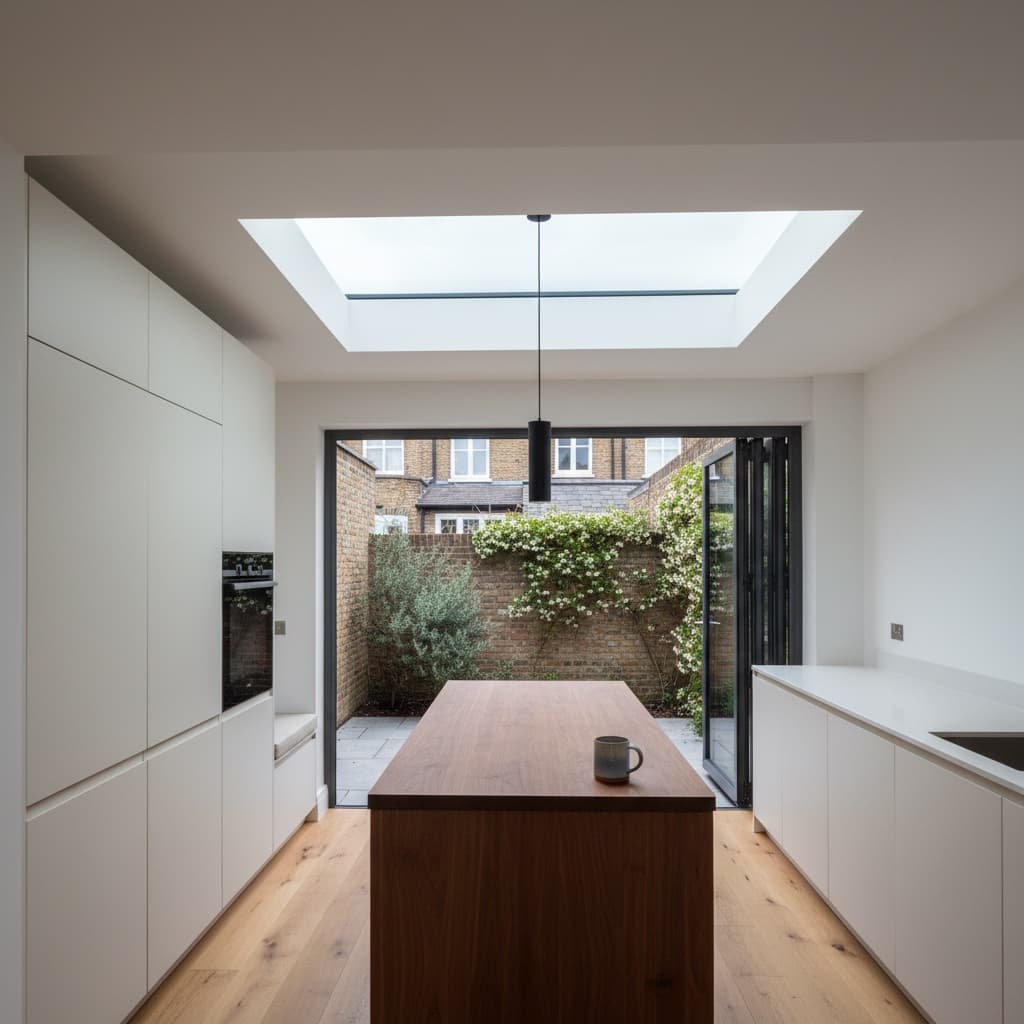
Kitchen Extension Builders in Forest Hill (SE23)
Professional kitchen extension builders in Forest Hill, South East London.
Why Choose All Well for Kitchen Extensions in Forest Hill?
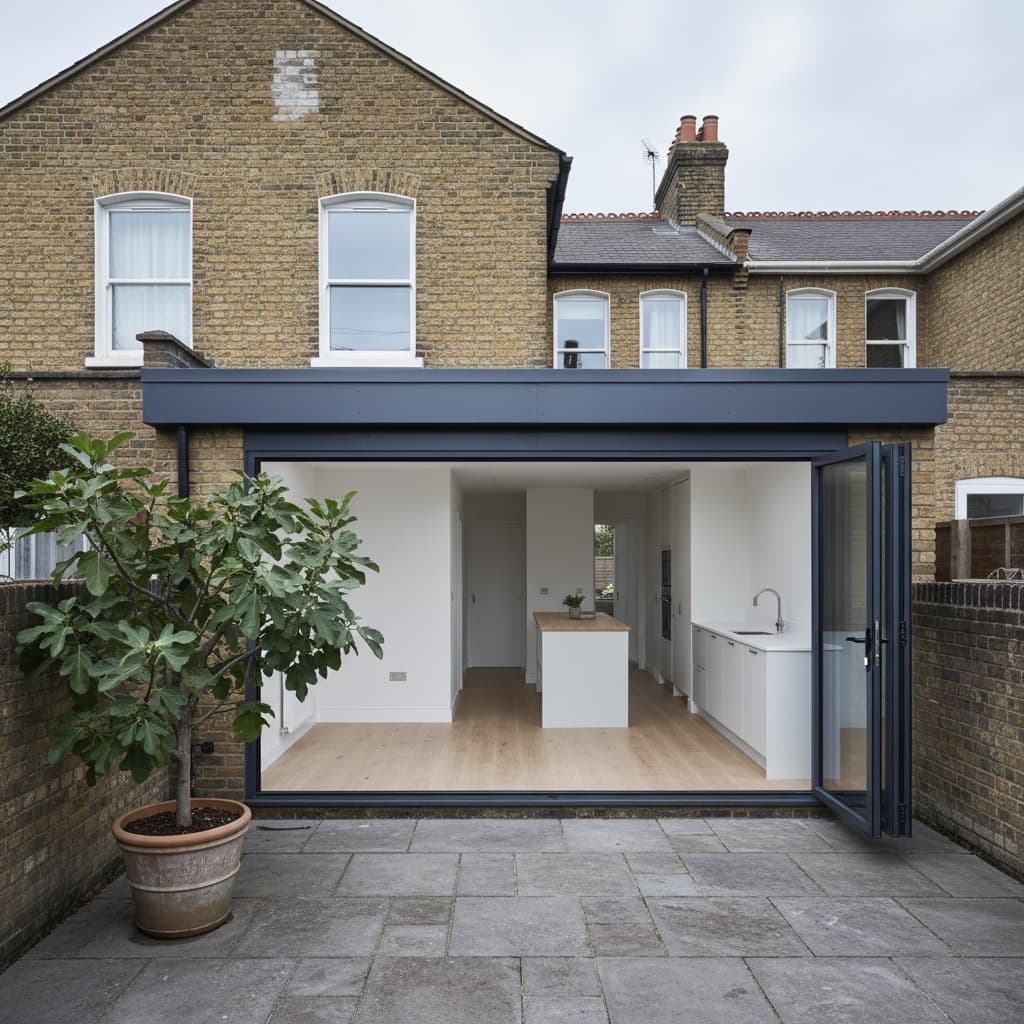
Forest Hill has that sweet spot of good period housing at reasonable prices, and many homeowners here are investing in kitchen extensions that make their Victorian terrace or Edwardian semi work for modern family life. The houses around the Horniman Museum and along Devonshire Road have good-sized rear gardens, and a 4-5 metre extension creates the open-plan kitchen-diner that everyone in SE23 seems to want. We've built plenty of them here, and the area suits our style of working: straightforward, fixed-price, one team.
Every project comes with a fixed-price contract, single project manager, and full certification including Building Control sign-off.
Kitchen Extensions for Forest Hill Properties
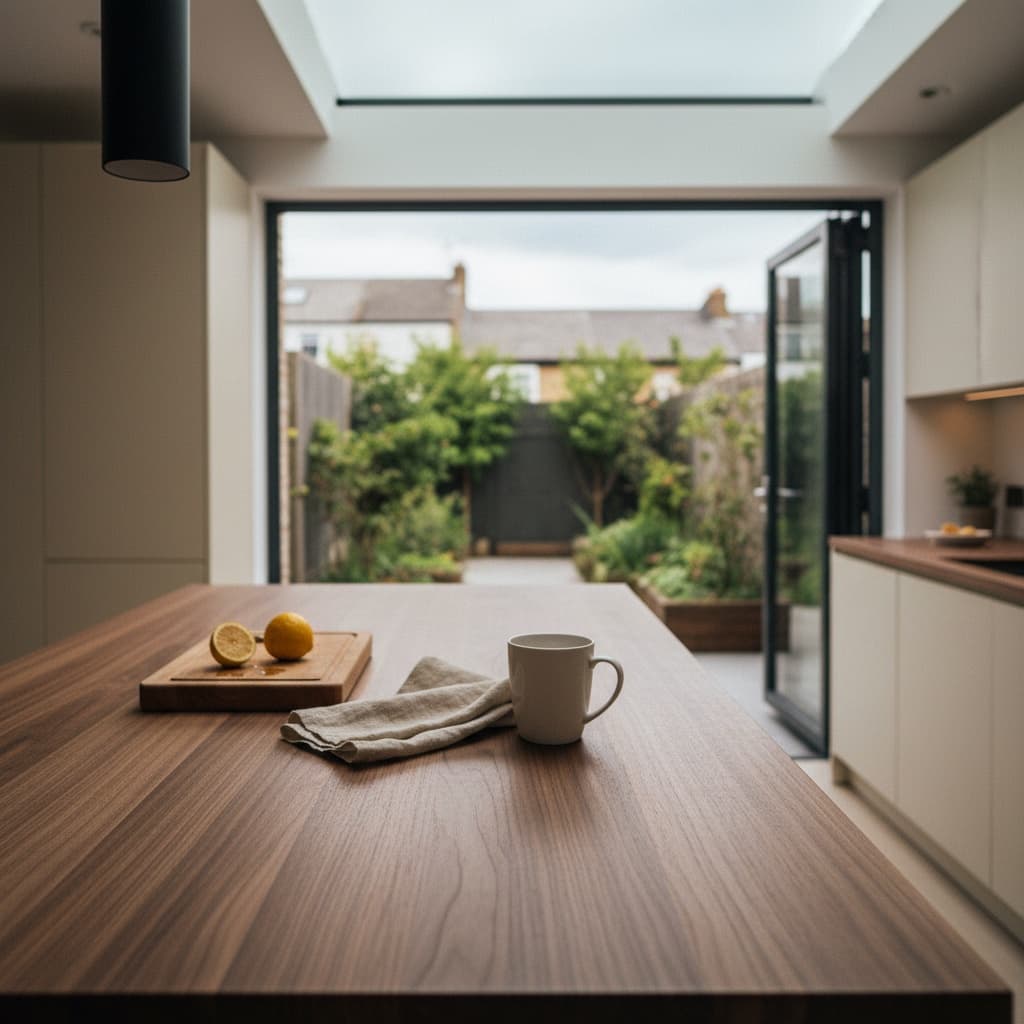
Forest Hill is known for its victorian terraces, edwardian semis, inter-war houses. Our kitchen extensions services are tailored to these property types, ensuring results that complement the character of your home.
Postcodes we cover: SE23
Kitchen Extensions Tip for Forest Hill Homeowners
Lewisham Council covers Forest Hill. The conservation area around the town centre has design requirements for visible alterations, but most residential streets are outside it. The hillside location means some gardens slope, which affects the extension floor level relative to the existing house. We design a threshold detail that handles the level change smoothly. The subsoil in SE23 is a mix of London Clay and Thanet Sand, with ground conditions varying depending on elevation. Properties near mature trees around the Horniman Gardens may need deeper foundations.
Kitchen extension types we build on Forest Hill homes in SE23
Three patterns cover most of what we build in SE23, and what each one involves depends mainly on plot width and whether the garden slopes.
Single-storey rear and wraparound extensions on Forest Hill terraces
The terraces along Devonshire Road, Honor Oak Road, and the streets towards Honor Oak Park have narrow rear kitchens that get transformed by 4-5 metre rear extensions with bifold doors and roof lanterns. The work includes structural steelwork, foundations on either London Clay or Thanet Sand, glazing, electrics, plumbing, and finishes. Build time is 12-14 weeks. Wraparound extensions on wider Victorian terraces around Stanstead Road combine a side return infill with a rear extension and take 14-16 weeks. Party wall agreements with both neighbours are required because the side return shares a boundary wall.
Rear extensions on Edwardian semis near Sydenham Hill
The Edwardian semis on the upper streets towards Sydenham Hill have wider plots that allow rear extensions of 4-6 metres without breaching the 50% garden coverage rule. These take 12-14 weeks. Cavity walls typical of Edwardian semis make insulation tie-in straightforward, achieving good U-values without losing internal floor area. Lewisham's permitted development process handles the standard 4-metre rear extension on a semi without a full planning application.
How the Forest Hill hillside affects a kitchen extension build
Forest Hill sits on a noticeable slope, and on streets like Sydenham Hill, Westwood Park, and the upper section of Devonshire Road, rear gardens can drop significantly from the back of the house. That affects foundations, floor levels, and how materials reach the site.
Stepped foundations and threshold design for sloping SE23 gardens
Standard strip foundations don't work on slopes. We use stepped foundations or short retaining walls to create a level base, specified by the structural engineer after a trial hole investigation. On Thanet Sand at higher elevations, foundations typically sit at 0.9-1.0 metres; on London Clay at the bottom, 1.0-1.2 metres; near mature trees around Horniman Gardens, 1.5-2.0 metres. The extension floor sits at the existing kitchen level, but the garden may be 300-600mm lower, so we design a step-down threshold with paving or decking at the new level. Bifold doors then open onto the patio rather than directly onto the slope.
Site access and materials delivery on steep Forest Hill streets
Steeper streets sometimes need smaller-vehicle deliveries and short-distance hand-carry. Where scaffolding sits on the public pavement, we obtain a pavement licence from London Borough of Lewisham as part of the project. We arrange these as standard, with no chasing required from you.
Lewisham planning and building control for Forest Hill kitchen extensions
Forest Hill falls under London Borough of Lewisham. Most rear kitchen extensions can be handled through permitted development, but the conservation area and a few Article 4 streets need checking before we quote.
Permitted development, LDCs, and full planning in Forest Hill
Permitted development covers the standard 3-metre rear extension on terraces (or 4 metres on semis), with eaves up to 3 metres and overall height up to 4 metres. We submit a Lawful Development Certificate (£129, 6-8 weeks at Lewisham) for written confirmation. Larger extensions need full planning; Lewisham typically determines applications in 8-10 weeks. The Forest Hill Conservation Area covers parts of the town centre and surrounding streets. Rear extensions are usually approved because they're not visible from the street, but front-facing changes need more consideration. Lewisham Article 4 directions in some streets remove specific permitted development rights, mainly affecting front-of-property changes, but we verify the planning status of each property before quoting.
Kitchen Extensions in Forest Hill: What's Included
How I price kitchen extensions in Forest Hill
I price every kitchen extensions job in Forest Hillafter I’ve seen it. No two properties are the same, so a number here would only mislead you. What you get instead is a fixed-price contract, a week-by-week programme, and no costs that turn up later.
Get a fixed quoteWhat Our Customers Say
“All Well managed our project from start to finish. The fixed-price contract meant no surprises, and the result is stunning.”
Verified Customer
Forest Hill
“Professional team, clear communication throughout. They handled everything including Building Control sign-off.”
Verified Customer
Forest Hill
Frequently Asked Questions
- How much does a Forest Hill kitchen extension cost?
- It depends on the property. The most common Forest Hill project is a single-storey rear extension on a Victorian terrace, which includes structural steelwork, foundations, glazing, electrics, plumbing, and finishes. Wraparound extensions on wider terraces and rear extensions on Edwardian semis are the other two patterns we build most. Hillside properties may need stepped foundations to create a level base. We provide a fixed-price contract confirmed after a free site visit, and the price doesn't change unless the specification does.
- How does the Forest Hill hillside affect my extension?
- Two main effects. First, foundations: properties on the slope often need stepped foundations or short retaining walls to create a level base. Second, threshold design: the rear garden may drop 300-600mm below the new extension floor, so we design a step-down threshold with optional decking or paved patio. Bifold doors typically open onto a new patio area rather than directly onto the slope. The structural engineer specifies the foundation design after a trial hole investigation, and it is confirmed before the contract is signed.
- Are Forest Hill conservation areas restrictive for extensions?
- Moderately. The Forest Hill Conservation Area covers parts of the town centre and surrounding streets. Properties within the area need sympathetic design for visible alterations: window replacement, render colour, front door changes, and dormers all need consideration. Front-facing changes are generally refused; rear extensions are usually approved because they're not visible from the street. Most residential streets outside the conservation area have full permitted development rights. We check the conservation area boundary on the Lewisham planning portal before quoting.
- Why hire All Well for a Forest Hill kitchen extension?
- Three reasons. First, accuracy: we know the SE23 streets, the hillside foundations on Sydenham Hill, the threshold detail for sloping gardens, the Lewisham planning process. Second, full accreditation: NICEIC electrical (BS 7671), FENSA glazing, Gas Safe boiler work, structural engineer calculations, and Building Control sign-off included on every project. Third, fixed-price contracts: the quote doesn't change unless the specification does, including stepped foundations on hillside properties. Office on Limes Avenue, SE20.
All Well has completed 100+ projects across 25 London boroughs since 2020. We are NICEIC approved for electrical work, FENSA registered for glazing, and CHAS certified for site safety, with Public Liability insurance to £5 million. 57+ Google reviews average 4.9 stars. All Well Property Services® is a UK registered trademark, Companies House no. 12721034, operating from Unit 1 Limes Avenue, Anerley SE20 8QR.
Kitchen Extensions Near Forest Hill
Get a Free Quote for Your Forest Hill Kitchen Extensions
Fixed-price quote, no obligation. Call us or fill out our form.