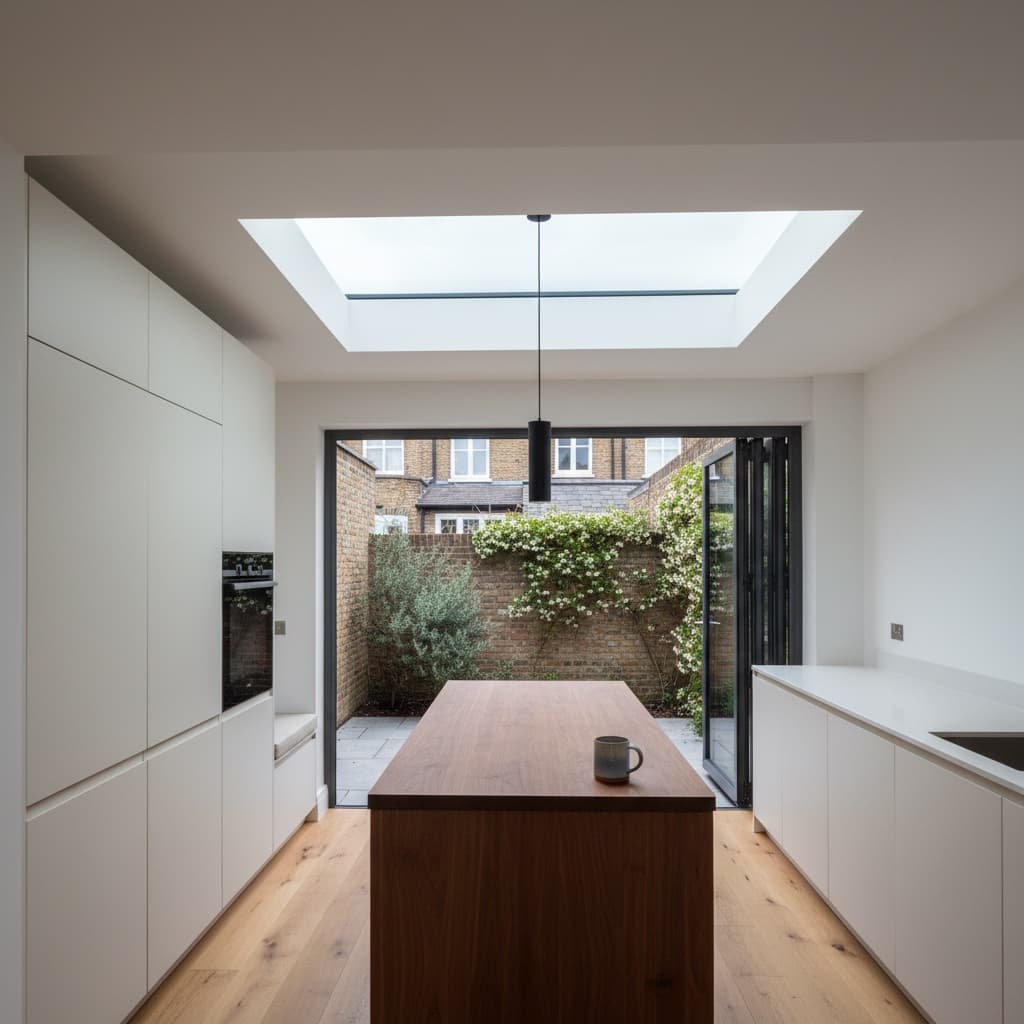
Kitchen Extension Builders in Crystal Palace (SE19, SE20)
Professional kitchen extension builders in Crystal Palace, South East London.
Why Choose All Well for Kitchen Extensions in Crystal Palace?
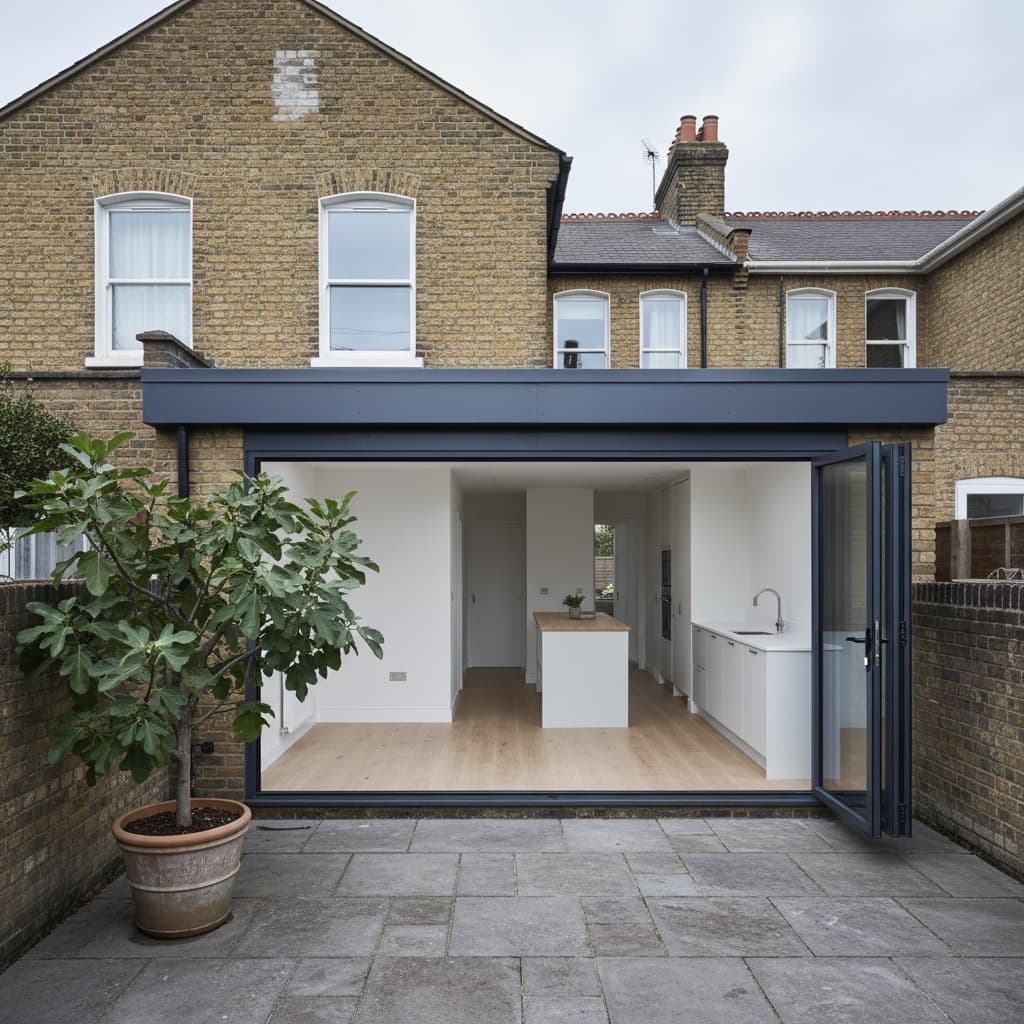
The Victorian terraces climbing the hill around Crystal Palace Park are prime candidates for kitchen extensions. The typical layout, a narrow galley kitchen at the back with a separate dining room, transforms completely with a rear extension and internal wall removal. The steep rear gardens common in Crystal Palace actually work in your favour, as the slope provides natural drainage away from the new extension.
Every project comes with a fixed-price contract, single project manager, and full certification including Building Control sign-off.
Kitchen Extensions for Crystal Palace Properties
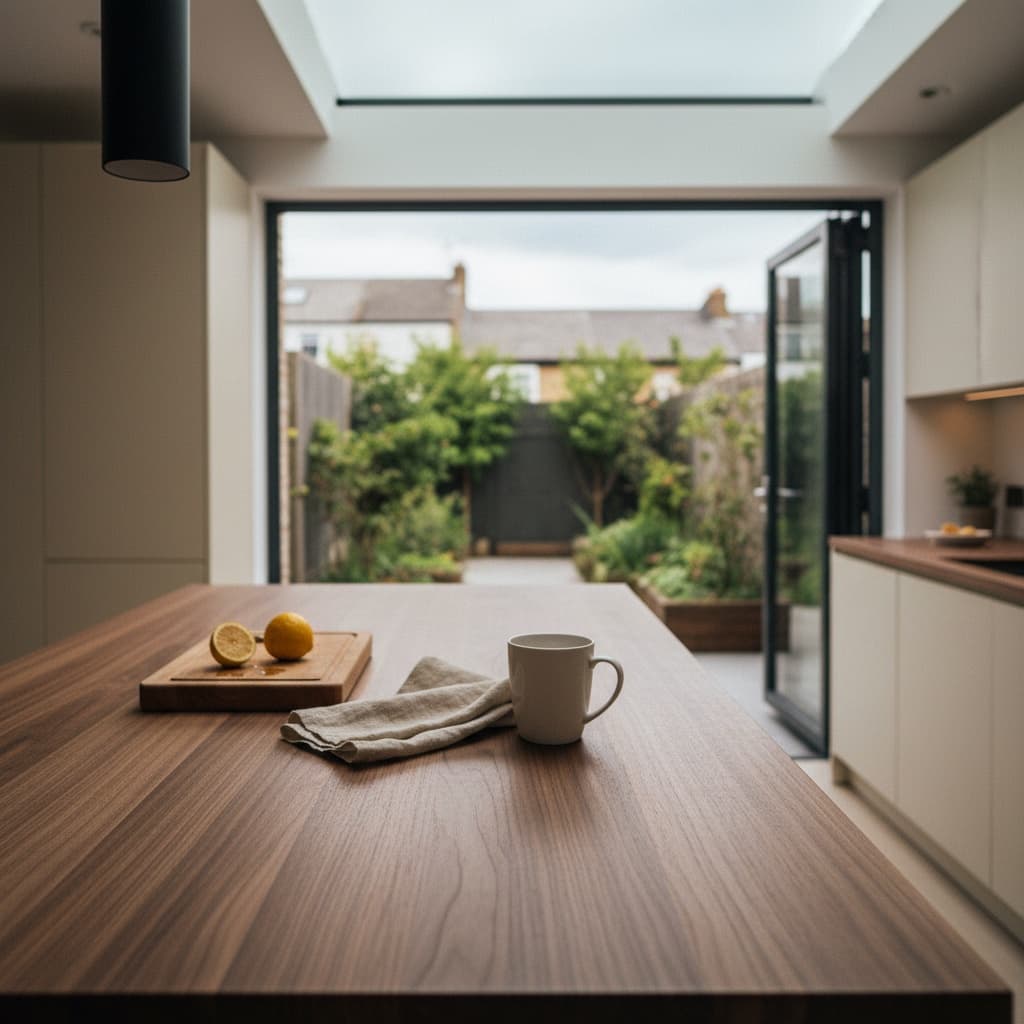
Crystal Palace is known for its victorian terraces, edwardian semis, period properties. Our kitchen extensions services are tailored to these property types, ensuring results that complement the character of your home.
Postcodes we cover: SE19, SE20
Kitchen Extensions Tip for Crystal Palace Homeowners
Crystal Palace straddles the Bromley and Lambeth borough boundary, so make sure you know which council your property falls under before starting. The hillside topography means many properties have stepped foundations and sloping gardens, which add to the groundwork involved. Trial holes are essential before pricing, as ground conditions vary dramatically even between neighbouring properties on the hill.
Kitchen extension types in Crystal Palace: SE19 and SE20 options
Three patterns cover most of what we build across SE19 and the upper SE20 streets. The choice depends on your plot width, the depth of your rear garden, and whether you have a usable side passage.
Rear extensions and side returns on Crystal Palace Victorian terraces
Single-storey rear extension on a Victorian terrace is the most common Crystal Palace project. The terraces along Westow Hill, Church Road, Belvedere Road, and the streets running off Crystal Palace Park have a narrow rear kitchen separated from a dining room by a load-bearing wall. We extend 3 to 4 metres into the rear garden, take out the internal wall with a 178x102 UB or 152x89 UC steel beam depending on span, and finish with bifolds or a slider across the new rear elevation. The build includes stepped foundations where the garden slopes, structural steel, glazing, electrics, plumbing, and finishes. Build time 12 to 14 weeks. The hillside means stepped foundations or short retaining walls are typical and add to the groundwork over a flat-site equivalent. Side return infill is common on the wider terraces between Westow Hill and Anerley Hill where side passages of 1.0 to 1.4 metres convert to usable kitchen space. The build covers the steel-framed roof structure, party wall foundations, glazing, and finishes. Build time 8 to 12 weeks. Party wall agreement with the neighbouring property is required.
Wraparound kitchen extensions on wider Crystal Palace terraces
Wraparound extension on a wider Victorian terrace combines a 3-metre rear projection with a side return infill and creates 25 to 35 square metres of new open-plan space. Build time 14 to 18 weeks. Party wall agreement is required, and the structural design typically uses two slimline steels meeting at a goalpost detail rather than one large beam.
Stepped foundations and the Bromley/Lambeth boundary in SE19
Crystal Palace's hillside is the single biggest factor distinguishing kitchen extensions here from flatter parts of South London. The combination of sloping rear gardens and mixed ground conditions means foundation design needs to be confirmed by trial hole before we price.
Sloping gardens and mixed subsoil on the Crystal Palace ridge
The streets climbing the ridge, Church Road, Westow Hill, Belvedere Road, Hamlet Road, have rear gardens that drop 600mm to 1.5 metres over the first 4 to 5 metres. Standard strip foundations don't work on slopes. We use stepped foundations following the ground profile or short reinforced concrete retaining walls to create a level base. The structural engineer specifies the foundation design after a trial hole investigation. The threshold detail at the new rear doors is designed so the extension floor sits level with the existing kitchen, with the patio or decking stepping down to the original garden level. SE19 sits at the boundary between London Clay on the lower-lying streets and the river-terrace gravel running up the ridge. Ground conditions vary dramatically between neighbouring properties. Foundation depths typically range from 0.9 metres on gravel to 1.5 metres on clay, deeper near mature trees on the upper streets. Trial holes are essential before pricing.
Which council handles planning for Crystal Palace kitchen extensions?
The borough boundary runs roughly along Anerley Hill. Most Crystal Palace properties fall under London Borough of Bromley, properties west of the line are under Lambeth, and a few on the upper slope are under Croydon. The two main councils have similar permitted development rules but different fees and slightly different approaches in conservation areas. The Crystal Palace Park conservation area covers properties near the park with restrictions on visible front-elevation changes. Rear extensions are generally fine because they're not visible from the street. We check the planning portal entry at the survey before quoting and submit the Lawful Development Certificate (£129 fee) or full planning application to the correct authority.
How we manage a Crystal Palace kitchen extension from survey to handover
A Crystal Palace kitchen extension involves 12 to 15 trades over 12 to 18 weeks: demolition, foundations and retaining walls, drainage, structural steel, brick and block, roofing, glazing, plastering, electrics, plumbing, gas, kitchen fitting, tiling, flooring, and painting. We assign one project manager from survey through handover who runs the weekly programme, schedules trades, manages deliveries on tight access streets, and sends photo updates.
Fixed-price contracts and Building Control sign-off in Bromley and Lambeth
Fixed-price contracts cover labour, materials, structural engineer calculations for stepped foundation design and the steel beam pack, Building Control fees at Bromley or Lambeth, FENSA glazing registration, party wall surveyor coordination, trial hole investigation, and the Lawful Development Certificate fee. The fixed price is confirmed after a free site visit and doesn't change unless the specification does. Building Control inspections happen at foundation, DPC, drainage, structural steel, insulation (Part L: U-value 0.18 W/m²K for new walls and roof), and completion. Where the extension projects over a public Thames Water sewer, common on the rear of Crystal Palace terraces, a Build Over Agreement is required plus a CCTV survey, and we handle the application. Where the rear of the property steps down into the garden, drainage runs may need a backflow valve to prevent surface-water surcharge during heavy rain. Glazing is FENSA-registered. Bifolds are typically Origin or Schüco; sliders are Sieger or IQ on premium projects. Roof construction is warm-roof with 150mm PIR insulation and EPDM or TPO membrane. Roof lanterns from Korniche or Glazing Vision are standard on the rear projection. Our office on Limes Avenue is 5 minutes from any Crystal Palace property.
Kitchen Extensions in Crystal Palace: What's Included
How I price kitchen extensions in Crystal Palace
I price every kitchen extensions job in Crystal Palaceafter I’ve seen it. No two properties are the same, so a number here would only mislead you. What you get instead is a fixed-price contract, a week-by-week programme, and no costs that turn up later.
Get a fixed quoteWhat Our Customers Say
“All Well managed our project from start to finish. The fixed-price contract meant no surprises, and the result is stunning.”
Verified Customer
Crystal Palace
“Professional team, clear communication throughout. They handled everything including Building Control sign-off.”
Verified Customer
Crystal Palace
Frequently Asked Questions
- What kitchen extension options work on a Crystal Palace terrace?
- Three patterns cover most of what we build here. Single-storey rear extensions of 3 to 4 metres on Victorian terraces are the most common Crystal Palace project, including stepped foundations, retaining walls where needed, structural steel, glazing, electrics, plumbing, and finishes. Side return infill turns a narrow side passage into usable kitchen space. Wraparound extensions on the wider terraces combine a rear projection with a side return for a larger open-plan room. Stepped foundations or short retaining walls on the ridge add to the groundwork over a flat-site equivalent. Where the extension passes a public Thames Water sewer, a Build Over Agreement plus CCTV survey is required, and a trial hole investigation is needed where ground conditions aren't already known. The fixed price is confirmed after a free site visit, before any work starts.
- Why does the Crystal Palace ridge affect foundations?
- Two reasons. First, sloping gardens. The streets climbing the ridge have rear gardens that drop 600mm to 1.5 metres over the first 4 to 5 metres. Standard strip foundations to Building Regulations Part A don't work on slopes. Stepped foundations following the ground profile or short reinforced concrete retaining walls are needed to create a level base for the new extension floor. Second, mixed subsoil. SE19 sits at the boundary between London Clay on the lower-lying streets and river-terrace gravel running up the ridge, so ground conditions vary dramatically between neighbouring properties. We dig a trial hole at the survey, and the structural engineer specifies foundation depth (typically 0.9 to 1.5 metres) from the actual data rather than a generic estimate.
- Which council do I apply to in Crystal Palace?
- Depends which side of the boundary your property sits. Most Crystal Palace properties fall under Bromley Council, streets west of Anerley Hill come under Lambeth, and a few on the upper slope are under Croydon. We check the property's planning portal entry at the survey before any application. Permitted development rules are the same nationally, a 3-metre rear projection on a terrace, 4 metres on a semi under Class A, but conservation area boundaries and Article 4 directions differ. The Crystal Palace Park conservation area covers properties near the park with restrictions on visible front-elevation changes. Rear extensions are generally fine. We submit the Lawful Development Certificate or full planning application to the right authority as part of every project.
- Why hire All Well for a Crystal Palace kitchen extension?
- Three reasons. First, location: our office is on Limes Avenue, SE20, 5 minutes from any Crystal Palace property. We know the ridge, which streets have stepped foundations, which sit on clay versus gravel, where the borough boundary runs. Second, full accreditation: NICEIC for electrical (BS 7671), FENSA for glazing, Gas Safe registered for boiler relocation, structural engineer calculations included, and Building Control sign-off included on every project. Third, fixed-price contracts: the quote doesn't change unless the specification does, including stepped foundations, retaining walls, party wall surveyor fees, and Build Over Agreement where the extension passes a public sewer. Office on Limes Avenue, SE20.
All Well has completed 100+ projects across 25 London boroughs since 2020. We are NICEIC approved for electrical work, FENSA registered for glazing, and CHAS certified for site safety, with Public Liability insurance to £5 million. 57+ Google reviews average 4.9 stars. All Well Property Services® is a UK registered trademark, Companies House no. 12721034, operating from Unit 1 Limes Avenue, Anerley SE20 8QR.
Kitchen Extensions Near Crystal Palace
Get a Free Quote for Your Crystal Palace Kitchen Extensions
Fixed-price quote, no obligation. Call us or fill out our form.