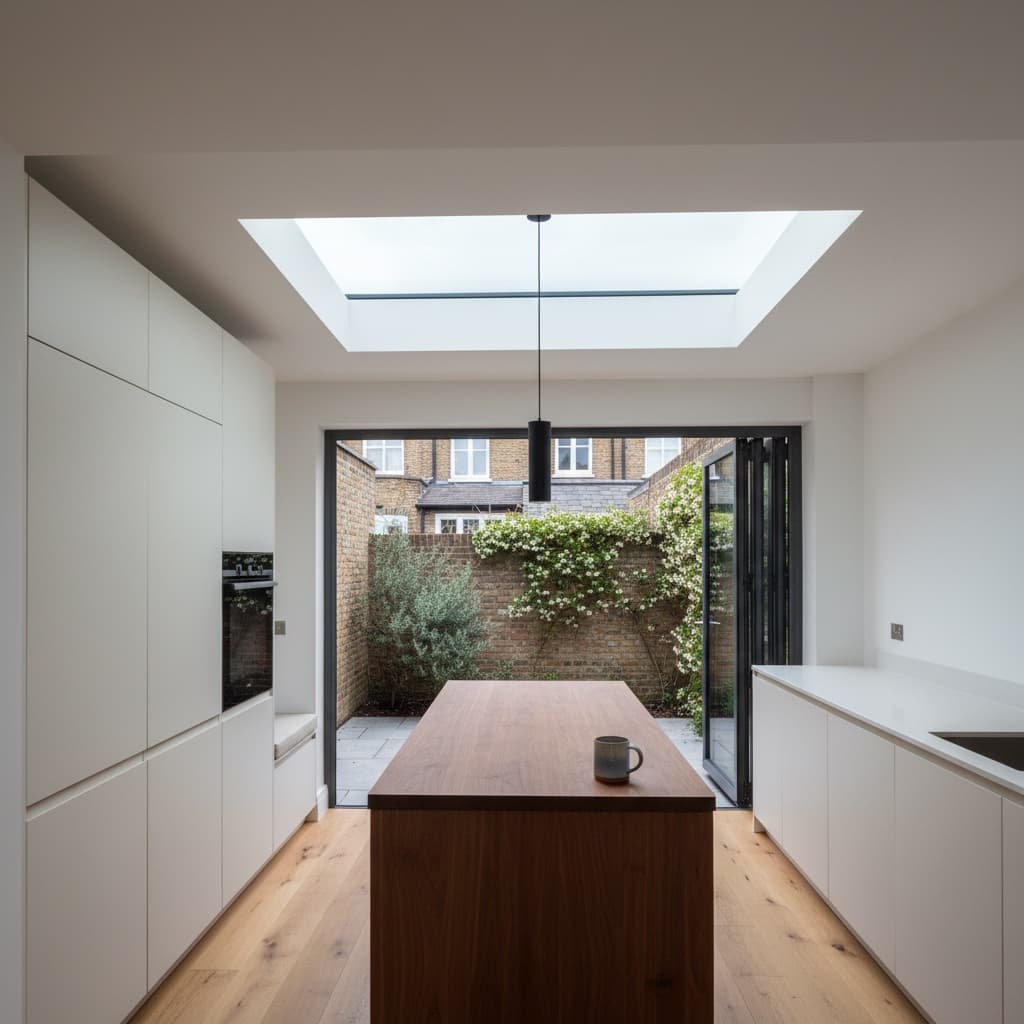
Kitchen Extension Builders in Catford (SE6)
Professional kitchen extension builders in Catford, South East London.
Why Choose All Well for Kitchen Extensions in Catford?
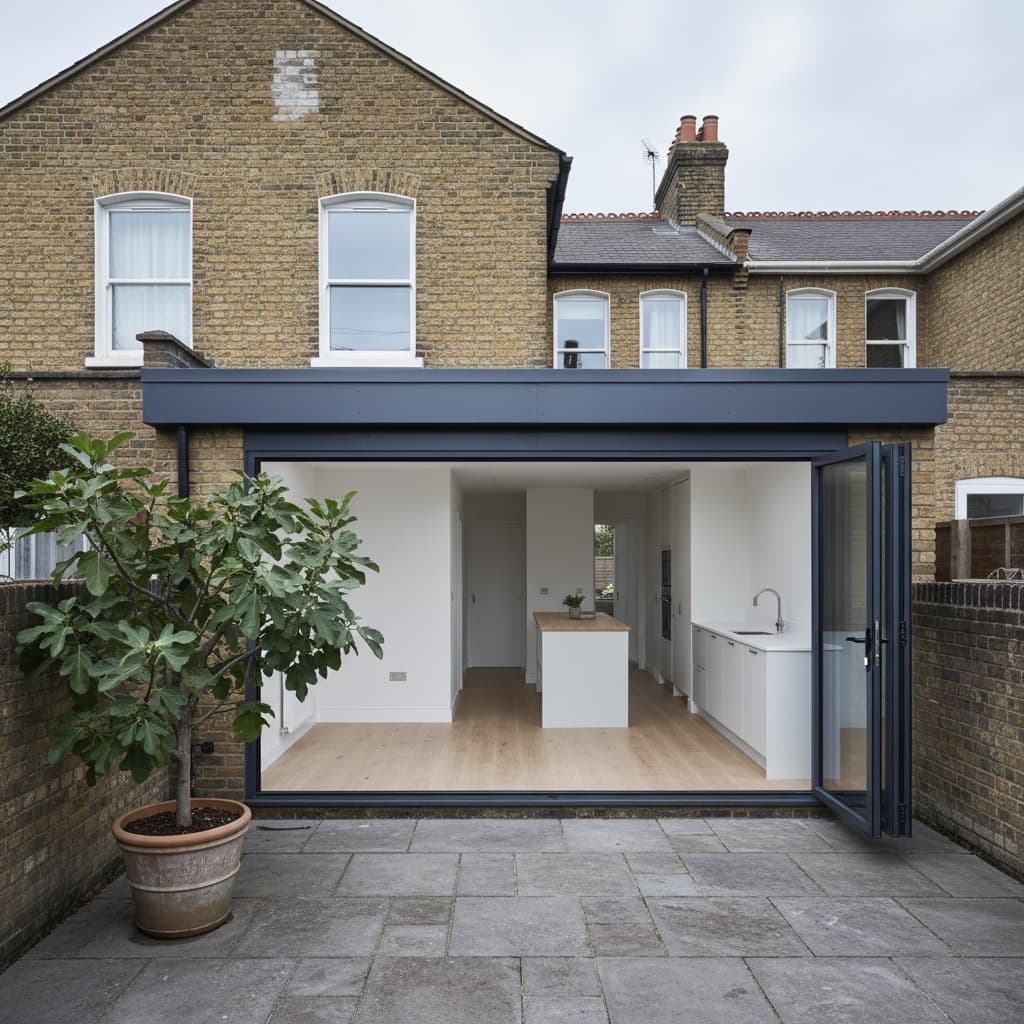
Catford's Victorian terraces and Edwardian semis are solidly built, and they take well to a proper kitchen extension. We've done plenty of these in SE6, and the typical project is a 3-4 metre rear extension that transforms a dark, separate kitchen into an open-plan space that faces the garden.
Every project comes with a fixed-price contract, single project manager, and full certification including Building Control sign-off.
Kitchen Extensions for Catford Properties
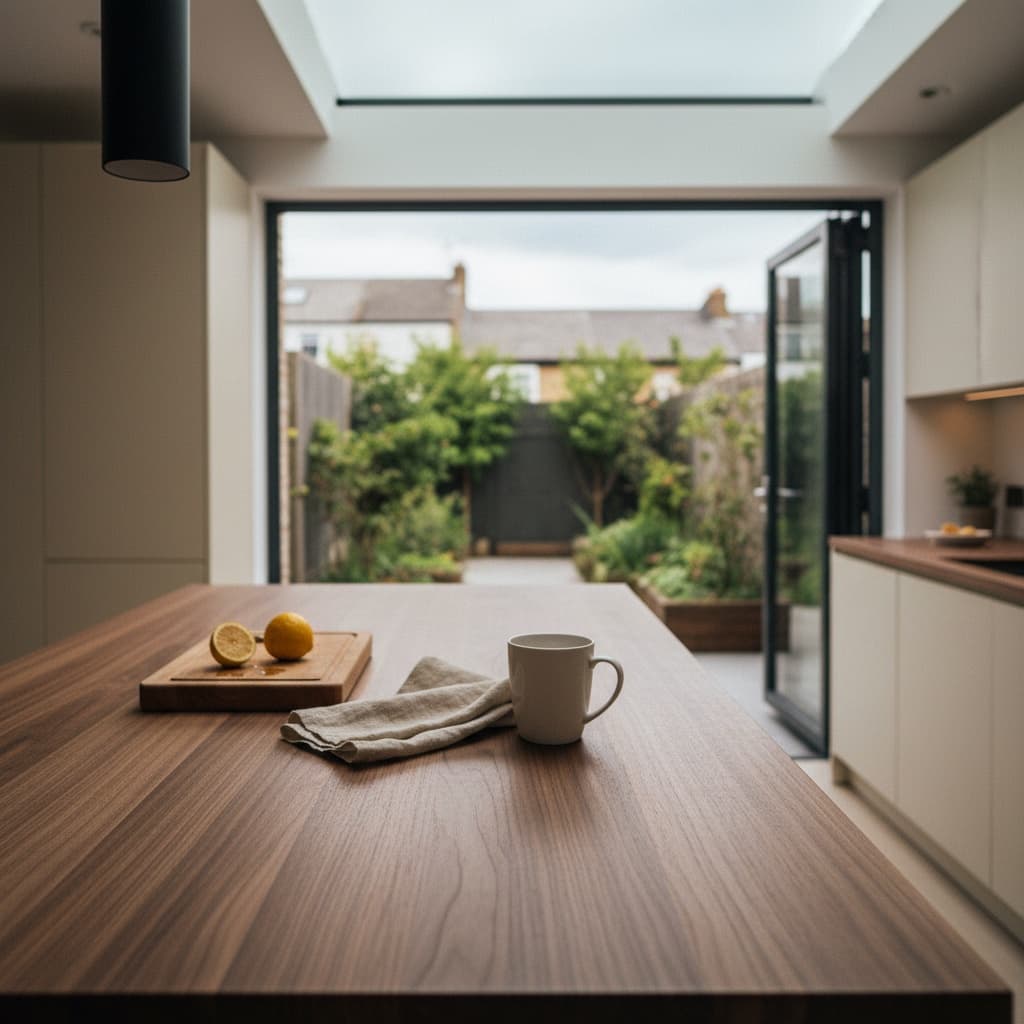
Catford is known for its victorian terraces, edwardian semis, post-war estates. Our kitchen extensions services are tailored to these property types, ensuring results that complement the character of your home.
Postcodes we cover: SE6
Kitchen Extensions Tip for Catford Homeowners
Lewisham Council covers Catford and they're supportive of residential extensions. The Culverley Green conservation area has some additional requirements, but most of Catford is outside conservation zones. Properties near the Ravensbourne river corridor may need a Flood Risk Assessment, so check the Environment Agency maps before committing to a design. On the positive side, the gravel subsoil near the river often means shallower foundations than the clay found on higher ground.
Kitchen extension types that suit SE6 Victorian and Edwardian stock
Three build patterns cover the vast majority of what we do in Catford. Which one fits your house depends on the plot width, the side return, and how far you want to push into the garden.
Rear extensions on Catford's Victorian terraces — what to expect
The most common SE6 project: a 3–4 metre rear extension on a terrace along streets like Sangley Road, Brownhill Road, or Inchmery Road. The dark galley kitchen at the back is opened up by removing the load-bearing wall between kitchen and dining room (152x89 UC steel beam) and extending to the rear with bifolds across the new elevation. Build time is 10–14 weeks. Permitted development under Class A covers the standard 3-metre projection. The Edwardian semis near Manor Park or Catford Bridge suit a wraparound instead, a 3-metre rear projection combined with a side return infill, creating from 25–32 sq m of open-plan space in 12–16 weeks.
Side return infill on wider Catford terraces
The third pattern applies to Victorian terraces with side returns of 1.0–1.4 metres, common on the wider plots around Catford. A steel-framed roof structure spans the infill, party wall foundations are tied in, and glazing runs along the new roofline. A party wall agreement with the neighbouring property is required because the side return sits on the shared boundary. Build time 8–12 weeks.
Flood risk, subsoil, and conservation area factors in Catford
Three site-specific factors can affect the scope of a Catford kitchen extension. We check all three at the survey before any quote goes out, and none of them should be a surprise mid-build.
Ravensbourne floodplain: when a Flood Risk Assessment is needed
Properties near the Ravensbourne river corridor or the Pool River may fall in Flood Zone 2 or 3. If they do, a Flood Risk Assessment is required as part of any planning application for a new extension. The Environment Agency flood risk maps confirm the zone; we check this before quoting. Some riverside properties also need flood resilience measures, raised electrical sockets and water-resistant materials below 600 mm, which we build in from the start. Most of Catford's higher-ground streets are outside flood zones entirely.
Mixed subsoil and the Culverley Green conservation area
SE6 sits on London Clay across most of the borough, with river-terrace gravel near the Ravensbourne. Properties on gravel typically need foundations of 0.9–1.0 metres rather than the 1.2–1.5 metres needed on clay. We dig a trial hole at the survey on every project where ground conditions aren't already known. The structural engineer specifies depth from that data, and the scope is fixed before contracts are signed. The Culverley Green conservation area covers streets just east of Catford town centre. Rear extensions are generally unaffected because they're not visible from the street. Front-facing changes need sympathetic design and Lewisham Council can act on retrospective unauthorised work. Lewisham also has Article 4 directions on some streets near the conservation area boundary, so we verify the planning status of each property before quoting.
Lewisham Council planning and build process for a Catford kitchen extension
Catford falls under Lewisham Council. Most standard rear extensions on SE6 terraces run as permitted development; the full planning route applies only where Article 4 directions or other constraints remove that right.
Permitted development, prior approval, and the LDC at Lewisham
Permitted development under Class A covers a 3-metre rear projection on a terrace and 4 metres on a semi or detached. The Larger Home Extension prior approval process covers 4–6 metre projections on terraces and 4–8 metres on semis, with an 8-week neighbour consultation. We submit a Lawful Development Certificate (£129, 6–8 weeks at Lewisham) on every permitted development project; it gives written confirmation of the right and protects the property at sale time. A typical Catford kitchen extension involves 12–15 trades over 10–16 weeks: demolition, foundations, drainage, structural steel, brick and block, roofing, glazing, plastering, electrics (NICEIC to BS 7671), plumbing, gas (Gas Safe), kitchen fitting, tiling, flooring, painting. One project manager runs the job from survey through handover with photo updates throughout. Fixed-price contracts cover labour, materials, structural engineer calculations, Building Control fees, FENSA glazing registration, party wall surveyor coordination, Flood Risk Assessment where applicable, conservation area applications where relevant, trial hole investigation, and the Lawful Development Certificate or planning fee. Where the extension projects over a Thames Water public sewer, a Build Over Agreement is required including a CCTV survey, and we handle the application. Building Control inspections run at foundation, DPC, drainage, structural steel, insulation (Part L: U-value 0.18 W/m²K for new walls and roof), and completion.
Kitchen Extensions in Catford: What's Included
How I price kitchen extensions in Catford
I price every kitchen extensions job in Catfordafter I’ve seen it. No two properties are the same, so a number here would only mislead you. What you get instead is a fixed-price contract, a week-by-week programme, and no costs that turn up later.
Get a fixed quoteWhat Our Customers Say
“All Well managed our project from start to finish. The fixed-price contract meant no surprises, and the result is stunning.”
Verified Customer
Catford
“Professional team, clear communication throughout. They handled everything including Building Control sign-off.”
Verified Customer
Catford
Frequently Asked Questions
- What does a Catford kitchen extension involve?
- Single-storey rear extensions of 3-4 metres on Victorian terraces are the most common Catford project, taking in foundations, structural steel, glazing, electrics, plumbing, and finishes. Edwardian semis suit a wraparound. Wider Victorian terraces suit a side return infill. Properties near the Ravensbourne may need a Flood Risk Assessment, and where the extension projects over a Thames Water public sewer a Build Over Agreement with a CCTV survey is required. We dig a trial hole at the survey where ground conditions aren't already known, since properties on Ravensbourne river-terrace gravel often take shallower foundations than equivalent clay sites. Fixed price confirmed after a free site visit, before any work starts.
- Do I need a Flood Risk Assessment for a Catford extension?
- Possibly, depending on flood zone. Properties near the Ravensbourne river corridor or the Pool River may sit in Flood Zone 2 or 3 and need a Flood Risk Assessment as part of the planning application for any new extension. The Environment Agency's flood risk maps confirm the zone designation, and we check this at the survey before quoting. We coordinate the assessment as part of the planning process. Some riverside properties also need flood resilience measures (raised sockets, water-resistant materials below 600mm) which we build in from the start. Most of Catford's higher-ground streets (away from the river corridor) are outside flood zones and don't need an assessment.
- Does the Culverley Green conservation area affect kitchen extensions?
- Only on properties within the boundary. The small Culverley Green conservation area covers streets just east of Catford town centre. Within the area, exterior front-facing changes (window replacement, render colour, front door changes) need sympathetic design and Lewisham Council can act on retrospective unauthorised changes. Rear extensions are generally fine because they're not visible from the street. Most Catford residential streets are outside the conservation area and have full permitted development rights for the standard rear extension. Lewisham also has Article 4 directions on some streets near the boundary, so we check the conservation area boundary and Article 4 register on the Lewisham planning portal at the survey before quoting.
- Why hire All Well for a Catford kitchen extension?
- Three reasons. First, accuracy: we know the SE6 stock, which streets have Ravensbourne flood risk, where the Culverley Green conservation area runs, which sit on river-terrace gravel rather than clay, and how the Lewisham planning process handles standard 3-metre projections. Second, full accreditation: NICEIC for electrical (BS 7671), FENSA for glazing, Gas Safe registered for boiler relocation, structural engineer calculations included, and Building Control sign-off included on every project. Third, fixed-price contracts: the quote doesn't change unless the specification does, including Flood Risk Assessment, Build Over Agreement, trial-hole foundation reassessment, and party wall surveyor coordination. Office on Limes Avenue, SE20.
All Well has completed 100+ projects across 25 London boroughs since 2020. We are NICEIC approved for electrical work, FENSA registered for glazing, and CHAS certified for site safety, with Public Liability insurance to £5 million. 57+ Google reviews average 4.9 stars. All Well Property Services® is a UK registered trademark, Companies House no. 12721034, operating from Unit 1 Limes Avenue, Anerley SE20 8QR.
Get a Free Quote for Your Catford Kitchen Extensions
Fixed-price quote, no obligation. Call us or fill out our form.