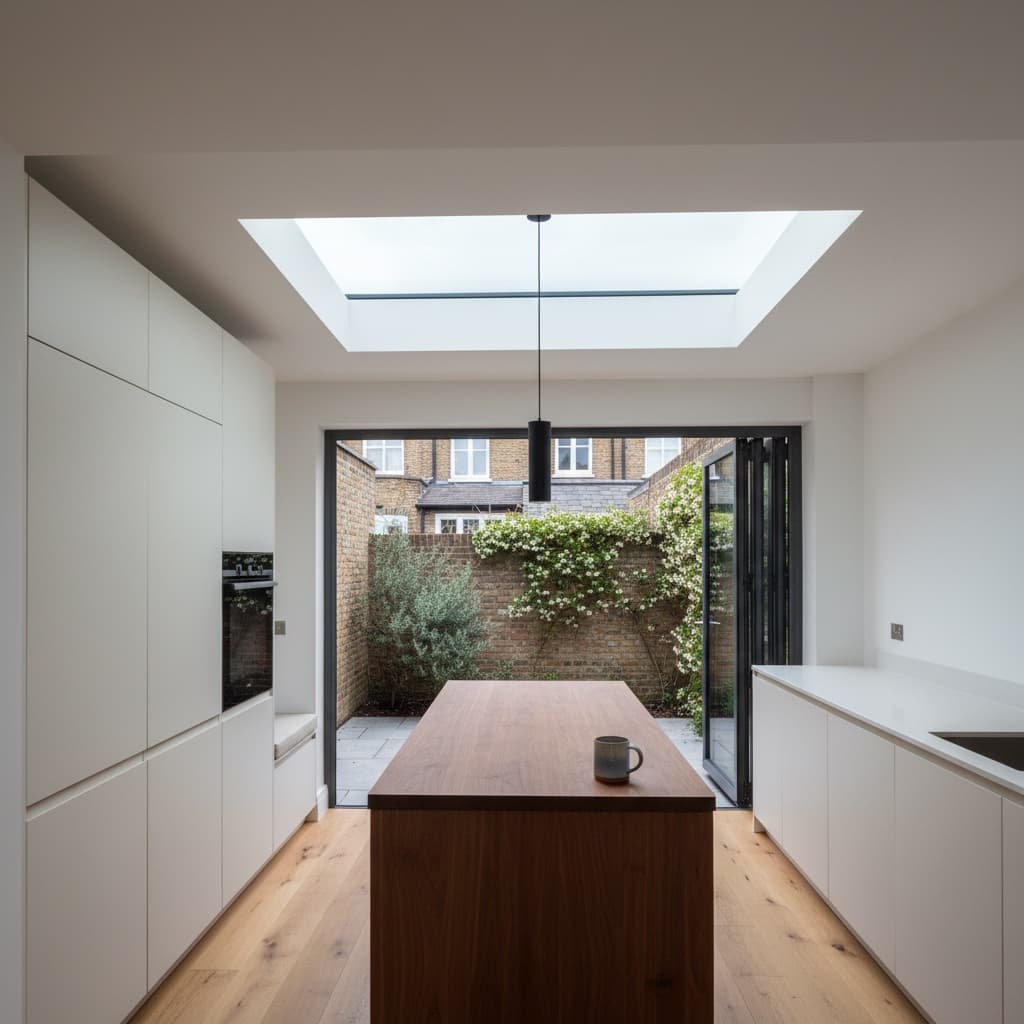
Kitchen Extension Builders in Kensington (W8, W14)
Professional kitchen extension builders in Kensington, West London.
Why Choose All Well for Kitchen Extensions in Kensington?
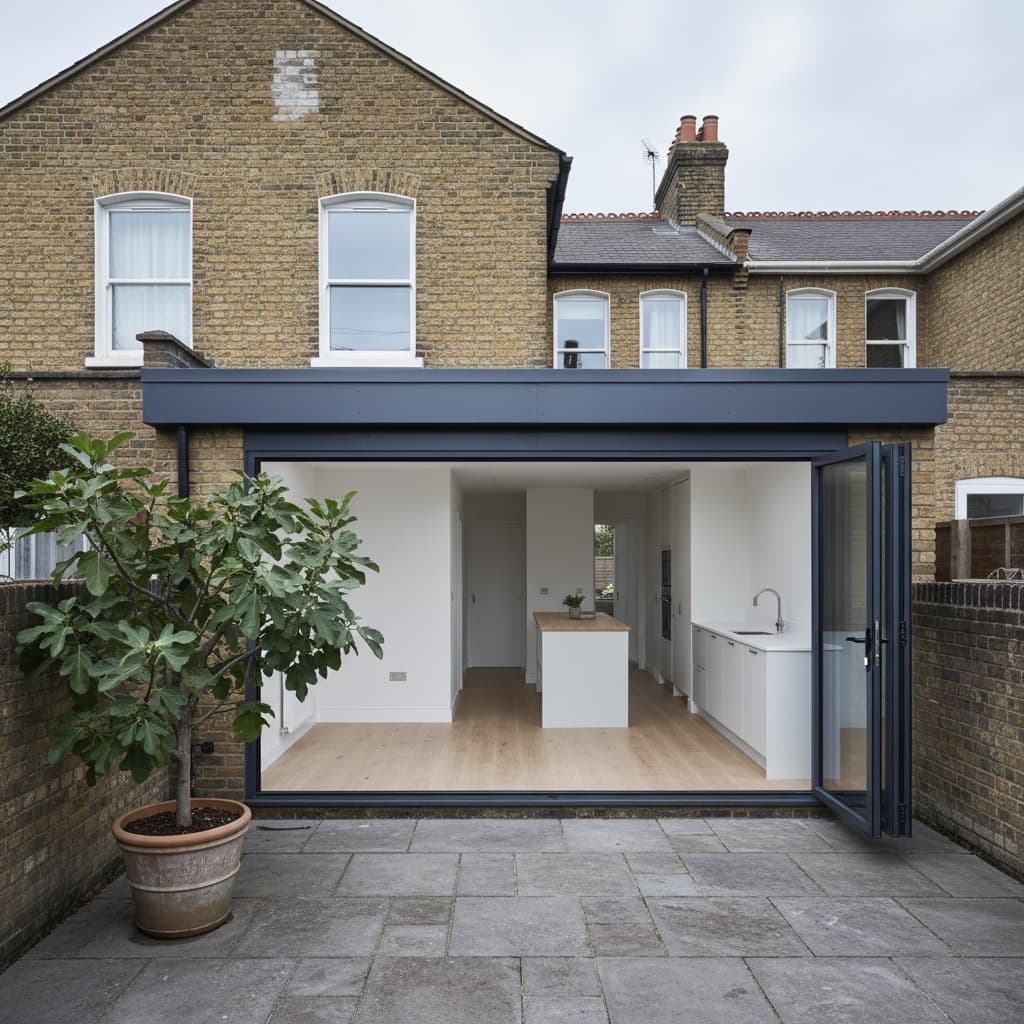
Kitchen extensions in Kensington are among the most design-sensitive projects we take on. The stucco-fronted townhouses and period terraces are architectural treasures, and any extension needs to be worthy of the original building. We work with conservation architects to design rear extensions that satisfy the Royal Borough's stringent requirements while creating the open-plan kitchens that modern families need. The specifications are high, the standards are exacting, and the results are worth it.
Every project comes with a fixed-price contract, single project manager, and full certification including Building Control sign-off.
Kitchen Extensions for Kensington Properties
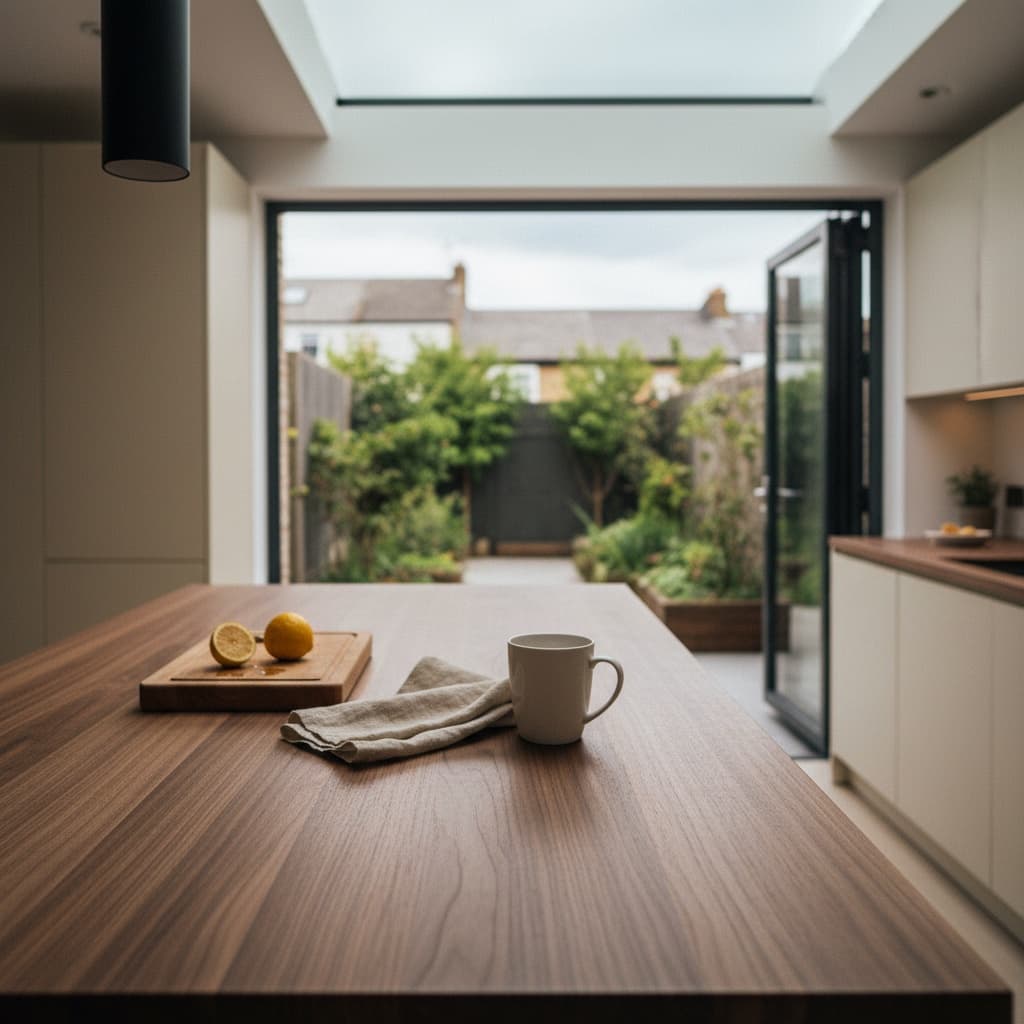
Kensington is known for its victorian terraces, stucco-fronted townhouses, mansion flats, conservation areas. Our kitchen extensions services are tailored to these property types, ensuring results that complement the character of your home.
Postcodes we cover: W8, W14, SW5
Kitchen Extensions Tip for Kensington Homeowners
Almost every property in Kensington is within a conservation area, and many are Grade II or Grade II* listed. Listed Building Consent is required for both internal and external works on listed properties, and the process typically takes 8-12 weeks. The Royal Borough of Kensington and Chelsea has one of the most demanding planning departments in London. Applications need to be comprehensive, well-designed, and accompanied by a heritage impact assessment. We manage this process end-to-end with our heritage consultant.
Kitchen extension types in W8, W14, and SW5
Three patterns cover most of what we build across Kensington. The right approach depends on the property: a mansion flat, a stucco-fronted townhouse, or one where above-ground extension isn't permitted.
Mansion flat kitchen reconfigurations in Kensington Court, Lexham Gardens, and Cornwall Gardens
Most period mansion blocks in W8, including Iverna Gardens, Cornwall Gardens, Kensington Court, and Lexham Gardens, can't extend physically, but the original layout separating kitchen from formal reception needs opening up. We remove the load-bearing wall using a 178x102 UB or 203x133 UB steel beam depending on span, reconfigure plumbing for a new island layout, and install a luxury kitchen at full specification. Build time is 12–18 weeks. Section 20 leaseholder consultation under the Landlord and Tenant Act 1985, a freeholder Licence to Alter, and structural engineer calculations all apply on every project.
Rear extensions and basement kitchen builds on Kensington townhouses
Rear extensions on stucco-fronted townhouses in W8 and W14 use conservation-sympathetic materials (London stock brick or matching render, slate or natural-appearance roofing, Crittall-style steel-frame doors) and proportions that subordinate to the original building. Where above-ground extension isn't consented, a basement kitchen extension under the existing footprint is the alternative. RBKC permits single-storey basement excavation under existing footprint subject to a Basement Impact Assessment. Multi-storey basements are restricted in most streets. Listed Building Consent applies to virtually all listed Kensington townhouses for both routes.
RBKC planning and Listed Building Consent for kitchen work in Kensington
The Royal Borough of Kensington and Chelsea runs one of the most demanding planning departments in London. Most Kensington period properties are Grade II or Grade II* listed, so understanding what consent is required, and when, shapes the entire project programme.
What Listed Building Consent covers on a Kensington kitchen project
Listed Building Consent is required for virtually any change to a listed Kensington property: internal layout alterations, removal or alteration of original features (cornicing, ceiling roses, fireplaces, panelled doors, decorative plasterwork), replacement of original windows or doors, render colour changes, and roof material changes. Applications take 12–16 weeks at the Royal Borough of Kensington and Chelsea. We work with conservation-specialist architects on every listed project and use heritage materials matched to the original: lime mortar, slate, timber, conservation-grade glass. Listed Kensington kitchen work demands specialist trades, bespoke heritage detailing, and longer programmes than equivalent work on a non-listed property.
Basement Impact Assessment and mansion-block Licence to Alter requirements at RBKC
RBKC's basement policy requires a Basement Impact Assessment covering hydrogeology, structural impact on neighbouring properties, and ground conditions. A Construction Traffic Management Plan and a Construction Management Plan covering hours, vehicle movements, dust, and noise are also required. Single-storey basements under existing footprint are typically permitted; multi-storey basements are restricted in most streets. For mansion-block projects, a Licence to Alter from the freeholder is required before any structural opening-up work begins. The freeholder's surveyor reviews structural calculations before consent is granted. Application to the freeholder takes 6–16 weeks depending on the management company. We coordinate the application and licence as part of the project.
How we manage a Kensington kitchen project from survey to handover
A Kensington kitchen project runs 14–20 trades over 12–30 weeks depending on type. One project manager is assigned from survey through handover with photo updates throughout the build.
What a fixed-price Kensington kitchen contract includes
Fixed-price contracts cover labour, materials, structural engineer calculations (for the steel and foundation design pack, including basement structural calculations where applicable), Building Control fees at RBKC, FENSA glazing registration, party wall surveyor coordination, conservation architect coordination, heritage consultant fees, Listed Building Consent fees, planning fees, Section 20 leaseholder consultation, Licence to Alter coordination, Basement Impact Assessment where applicable, and the Construction Management Plan where required. The price doesn't change unless the specification does. Building Control inspections happen at foundation, DPC, drainage, structural steel, insulation (Part L: U-value 0.18 W/m²K for new walls and roof), and completion. Premium appliances include Wolf or Sub-Zero refrigeration, Miele or Gaggenau ovens, Quooker boiling taps, and Calacatta or Statuario marble or Dekton worktops.
Kitchen Extensions in Kensington: What's Included
How I price kitchen extensions in Kensington
I price every kitchen extensions job in Kensingtonafter I’ve seen it. No two properties are the same, so a number here would only mislead you. What you get instead is a fixed-price contract, a week-by-week programme, and no costs that turn up later.
Get a fixed quoteWhat Our Customers Say
“All Well managed our project from start to finish. The fixed-price contract meant no surprises, and the result is stunning.”
Verified Customer
Kensington
“Professional team, clear communication throughout. They handled everything including Building Control sign-off.”
Verified Customer
Kensington
Frequently Asked Questions
- What does a Kensington kitchen project involve?
- Three patterns cover most of what we build. Mansion flat kitchen reconfiguration with internal load-bearing wall removal is the most common Kensington project, scoped around the structural opening-up and specification. Rear extension on a stucco-fronted townhouse uses heritage materials and a luxury kitchen specification. Basement kitchen extension under the existing footprint includes tanking, structure, and fit-out. Listed Building Consent on Grade II properties adds specialist trades and a longer programme. Section 20 consultation and Licence to Alter on mansion flats add coordination and structural calculations. Basement projects add a Basement Impact Assessment, and a Construction Management Plan where required. The full scope is fixed in writing after a free site visit before any work starts.
- What's involved in working on a listed Kensington property?
- Substantial planning preparation. Most Kensington period properties are Grade II or Grade II* listed, requiring Listed Building Consent for virtually any change including internal layout alterations, removal or alteration of original features (cornicing, ceiling roses, fireplaces, panelled doors, decorative plasterwork), replacement of original windows or doors, render colour, and roof material changes. Application takes 12-16 weeks at the Royal Borough of Kensington and Chelsea, which has one of London's most demanding heritage teams. We work with conservation-specialist architects on every listed project and use heritage materials matched to the original: lime mortar, slate, timber, conservation-grade glass. Listed Kensington work demands specialist trades, bespoke heritage detailing, and a longer programme than equivalent work on a non-listed property.
- Why are Kensington basement projects so heavily regulated?
- Because of the cumulative impact of basement excavation in concentrated areas. RBKC introduced strict basement policy following neighbour complaints, structural concerns, and water table impacts in streets with multiple basement conversions. Requirements now include a Basement Impact Assessment (covering hydrogeology, structural impact on neighbouring properties, and ground conditions), a Construction Traffic Management Plan, and a Construction Management Plan covering hours of work, vehicle movements, dust, and noise. Single-storey basements under existing footprint are typically permitted; multi-storey basements are restricted in most streets. Approval takes significantly longer than for above-ground extensions, with the Basement Impact Assessment alone requiring specialist hydrogeology and structural surveys and reports.
- Why hire All Well for a Kensington kitchen project?
- Three reasons. First, planning experience: we handle Listed Building Consent, Section 20 leaseholder consultation, Licence to Alter on mansion flats, Basement Impact Assessment on basement projects, and Construction Management Plan applications alongside RBKC planning. We work with conservation-specialist architects and heritage consultants on every listed project. Second, full accreditation: NICEIC for electrical (BS 7671), including concealed routing through 18-24 inch solid walls without damaging original plaster, FENSA for glazing, Gas Safe registered for boiler relocation, structural engineer calculations included, and Building Control sign-off included on every project. Third, fixed-price contracts at premium specification: the quote doesn't change unless the specification does, including all heritage materials and luxury appliances and joinery (Bulthaup, Boffi, Smallbone, Wolf, Sub-Zero). Office on Limes Avenue, SE20.
All Well has completed 100+ projects across 25 London boroughs since 2020. We are NICEIC approved for electrical work, FENSA registered for glazing, and CHAS certified for site safety, with Public Liability insurance to £5 million. 57+ Google reviews average 4.9 stars. All Well Property Services® is a UK registered trademark, Companies House no. 12721034, operating from Unit 1 Limes Avenue, Anerley SE20 8QR.
Kitchen Extensions Near Kensington
Get a Free Quote for Your Kensington Kitchen Extensions
Fixed-price quote, no obligation. Call us or fill out our form.