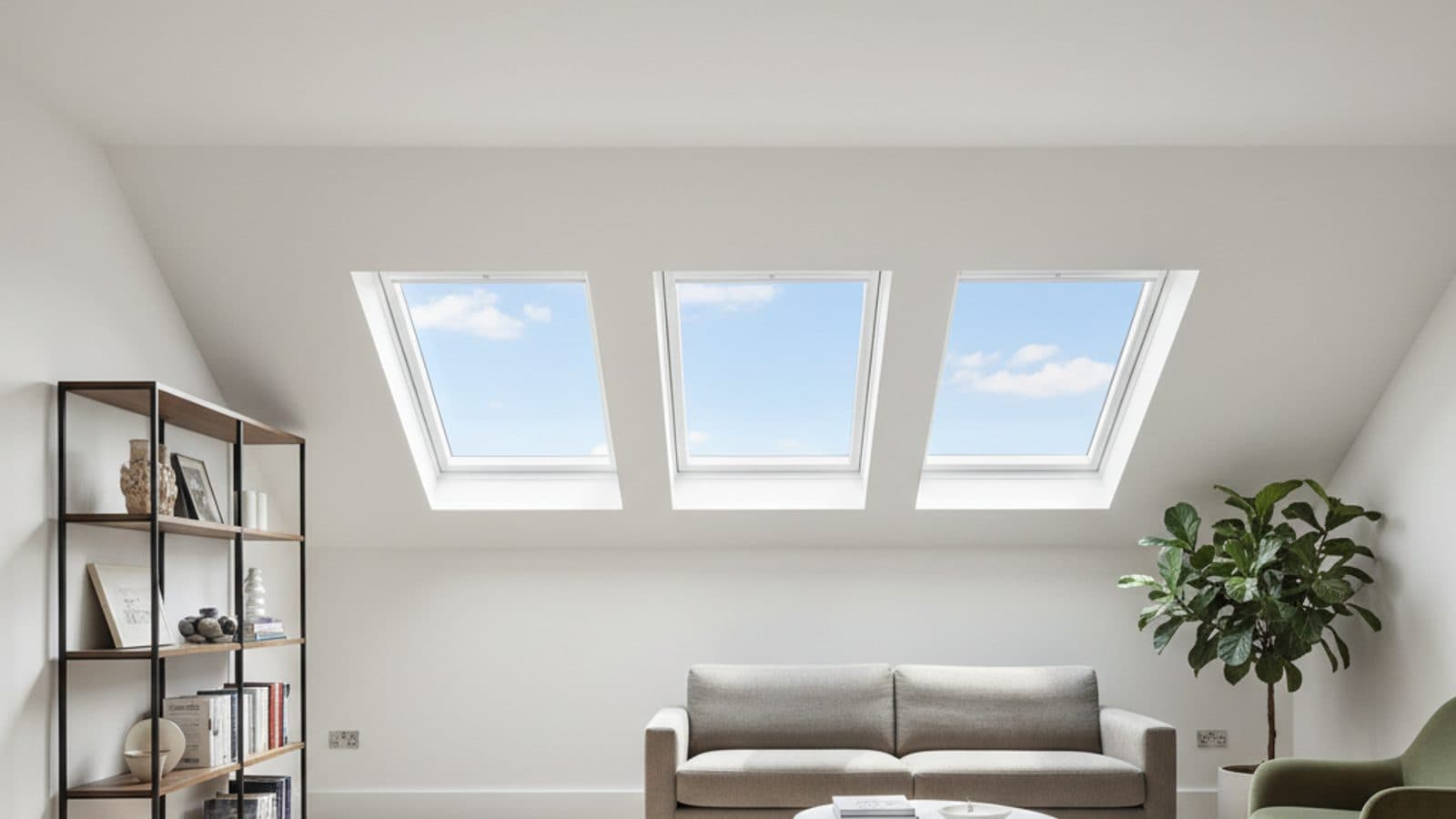
Velux Loft Conversions in South London
A rooflight loft conversion keeps the existing roof shape and fits skylights into the slope.
All Well Property Services provides professional velux loft conversions across South East London. I price every project individually after a free site visit, so you get a clear written quote with a week-by-week programme rather than a calculator estimate. All projects include a fixed-price contract, single project manager, and full Building Control sign-off. Call 020 3920 9617 for a free consultation.
What We Offer
A rooflight loft conversion keeps the existing roof shape and fits skylights into the slope. It is the least disruptive way to turn a usable loft into a room, and it usually stays inside permitted development. I have built them on South London homes since 2020.
- ✓Rooflight-only conversion with no change to the roof shape
- ✓Usually full permitted development, no planning application
- ✓Conservation rooflights set flush to the slope on period and conservation-area roofs
- ✓Structural floor strengthening and a new staircase opening
- ✓Rafter and warm-roof insulation to current building regs
- ✓Building Control sign-off and a completion certificate
- ✓Fire-rated doors and a protected escape route to the stair
- ✓One project manager on the job from survey to handover
- ✓All Well Property Services is insured to £5 million
How I price velux loft conversions
I quote every job after a free site visit. The price covers materials, labour and a realistic programme, all fixed in writing before we start. No hidden costs, no mid-job surprises.
Book a free site visitWhat Affects the Cost?
- •Existing head height at the ridge and how much of the floor reaches usable height
- •Floor strengthening needed to carry a habitable room
- •Number and size of rooflights, and standard versus conservation pattern
- •Staircase position and the structural opening it needs through the ceiling below
- •Whether the new room takes plumbing for an en-suite or a wet area
- •Insulation route required to meet building regs in the existing rafters
Velux loft conversions across South London
A Velux loft conversion is the build I recommend first whenever the roof allows it, because it does the most with the least disruption. Since 2020 I have turned South London lofts into bedrooms and studies across the SE and SW postcodes, and on a rooflight job the roof shape never changes, so the work stays inside the loft and usually inside permitted development. The trade-off is head height. This build adds no volume, so the room you get is the room the existing roof already holds. I measure that at the survey and tell you straight whether the loft suits a rooflight conversion or wants a dormer instead.
Rooflight-only conversions with no change to the roof shape
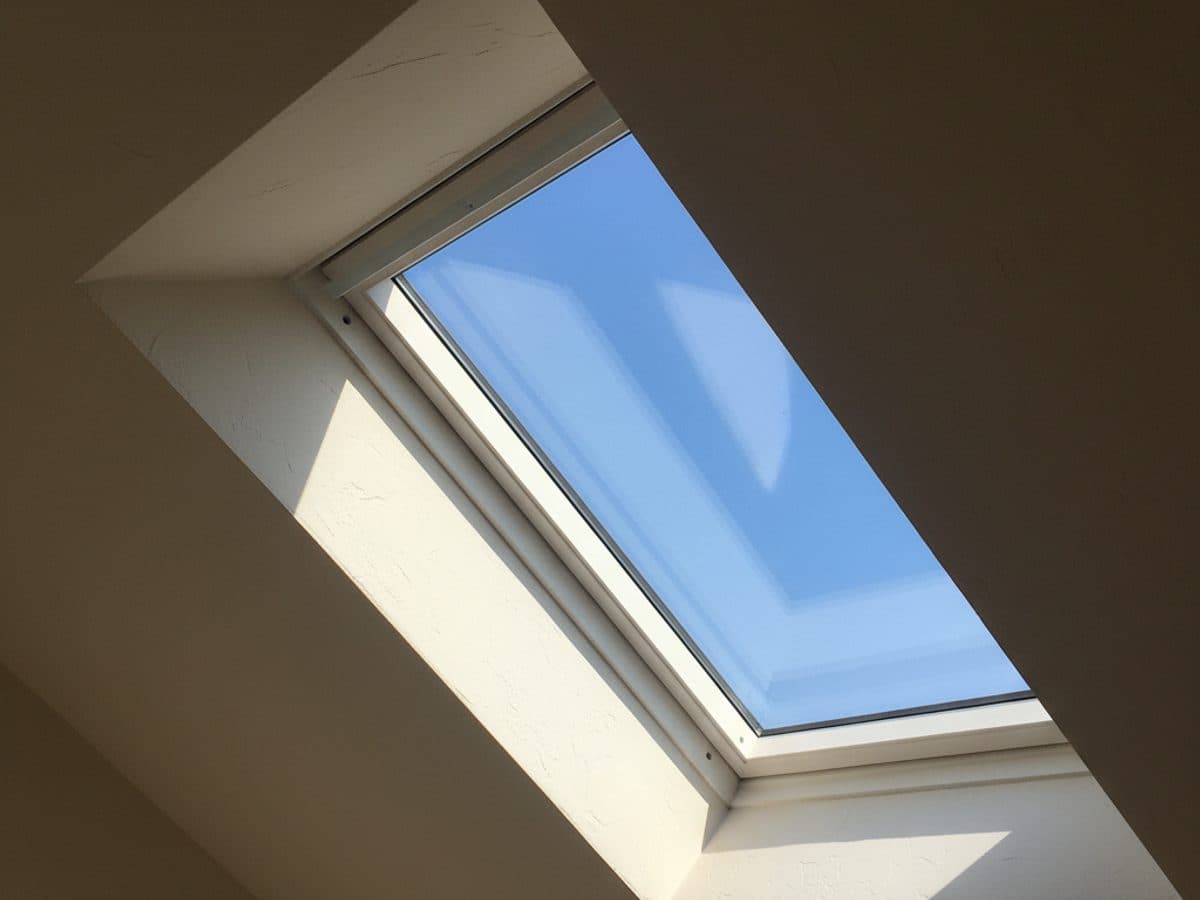
A Velux loft conversion fits rooflight windows into the line of the existing slope and leaves the roof shape exactly as it is. Nothing projects past the roof plane, which is why it normally sits inside permitted development and avoids a planning application on most houses. The work is the inside of the loft. We strengthen the floor to carry a room, form the staircase opening through the ceiling below, insulate the rafters and line out. On a South London terrace this is the route that gets you a usable room with the least upheaval to the rest of the house.
Head height and whether the loft suits a rooflight conversion
A Velux loft conversion lives or dies on head height, because it cannot raise the roof to find more. I look for around 2.2m of clear height at the ridge once the new floor and insulated ceiling are allowed for, with a useful run of full standing height rather than one tall point. If the ridge is there, a rooflight build is the cleanest answer. If it falls short, I say so, because pushing a Velux conversion into a low roof gives you a room you have to stoop in, and a dormer or hip-to-gable is the honest alternative.
Conservation rooflights on period roofs
Velux loft conversions on Victorian and Edwardian roofs in conservation areas use conservation rooflights, which sit flush to the slope with a central vertical bar so they read like an original cast-iron skylight rather than a modern unit standing proud of the slates. We recess the frame into the roof line and dress the flashings into the surrounding tiles or slates so the rainwater path stays sound. That flush detail is usually what keeps a period frontage looking right and what a conservation officer asks for, and it is the version we fit by default on any roof that faces the street in a sensitive area.
Rooflight conversions on terraces, semis and flats
Velux loft conversions suit the standard South London housing stock well, because most terraces and semis carry the head height under the ridge and the build leaves the shared roof line untouched, which keeps party-wall and neighbour issues smaller. Top-floor flats are the exception to flag early. Permitted development rights do not apply to flats, so a rooflight conversion there needs planning permission and the freeholder's consent under the lease. I check the tenure and the planning status of the specific address at the survey so the route is clear before any work is priced.
Structure, building regs and the guarantee
A rooflight conversion looks simple from the street because the roof does not change, but the work that earns the building regs certificate is structural and hidden. We do that part properly and sign it off with Building Control.
Floor strengthening, staircase and fire escape
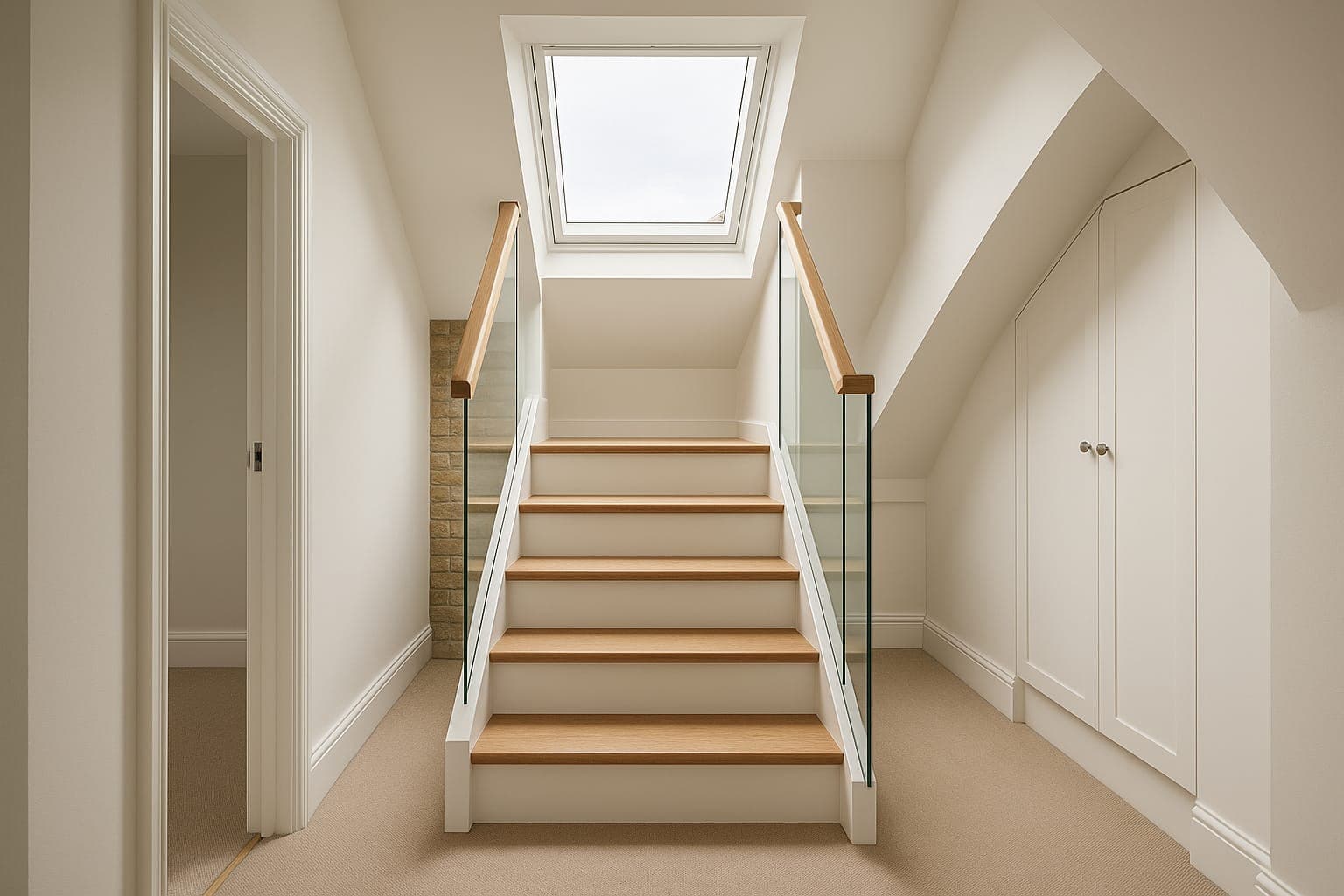
An unconverted loft floor carries a ceiling, not a room, so the first structural job is new joists sized for a habitable space, often spanning alongside the existing ones onto the supporting walls. We form the staircase opening through the ceiling below and set the stair to land safely, then protect the escape route with fire-rated doors to the rooms on the landing. Building Control inspects the structure and the fire arrangement at set stages, because a loft room only counts as habitable when the escape route is signed off.
Warm-roof insulation and Building Control sign-off
Bringing the roof up to current insulation standards while keeping head height is the heart of a compliant rooflight conversion. We form a warm roof by insulating at rafter level, typically rigid board between and below the rafters with a maintained ventilation gap above so the timbers stay dry. The rooflights are set into the slope and the flashings dressed in to keep the roof watertight. Building Control inspects insulation, structure, fire and electrics through the build and issues a completion certificate at the end, which is the document your solicitor and a future buyer will want to see.
The survey, the written scope and our credentials
After a free site visit I set out a written scope covering the structural floor, the staircase and opening, the warm-roof insulation, the rooflights and the Building Control work, so the plan reflects the real roof rather than a guess from a photo. The scope is fixed in writing before work starts, and the certificate is part of the job. All Well Property Services operates from Unit 1 Limes Avenue, Anerley, London SE20 8QR. All Well Property Services is NICEIC approved, FENSA registered, CHAS accredited and Gas Safe registered. All Well Property Services carries Public Liability insurance to £5 million. All Well Property Services is registered at Companies House under number 12721034, with 57 verified Google reviews averaging 4.9 out of 5 stars.
Free tools for planning your project
No email required. Get instant estimates and planning answers before you book a consultation.
Best Month
See historic rainfall and temperature for your postcode every month, plus the best window for external work. Live data from the Open-Meteo archive (Met Office and ECMWF).
Listed Check
Check whether your property is a listed building or sits inside a conservation area, and what that means for renovation work. Live data from Planning.data.gov.uk and Historic England.
Planning Risk
Traffic-light check of every planning restriction at your postcode: listed buildings, conservation areas, Article 4 directions, Tree Preservation Orders, flood zones. Live data from Planning.data.gov.uk.
EPC Upgrade
Find your home's current EPC rating and see what it would cost to upgrade to a B. Uses live data from the EPC Open Data register.
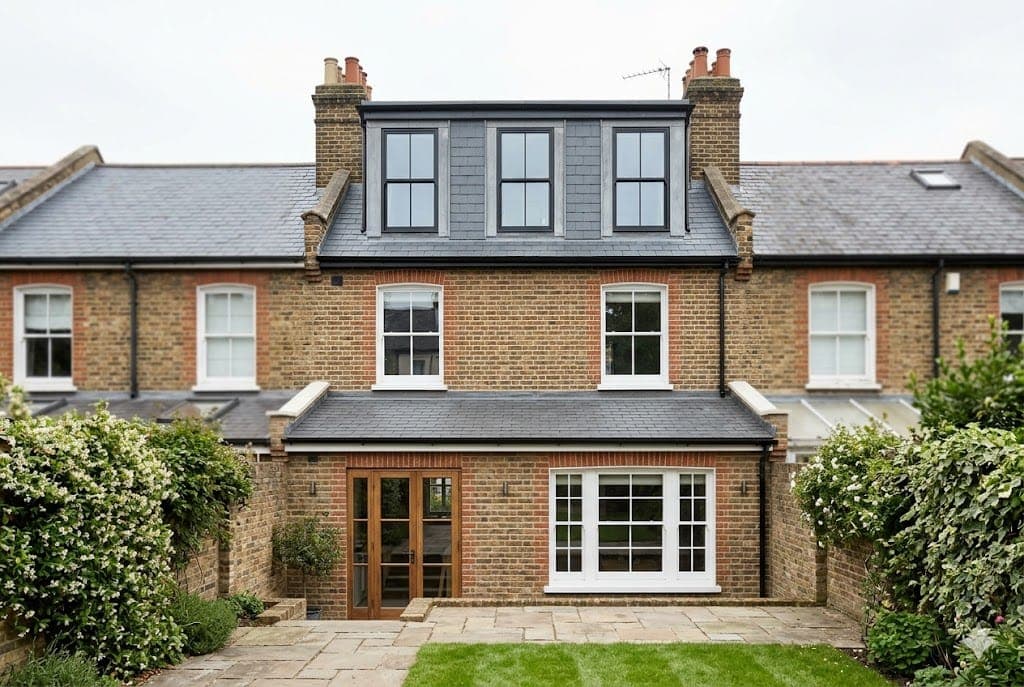
Recent Velux Loft Conversions Projects
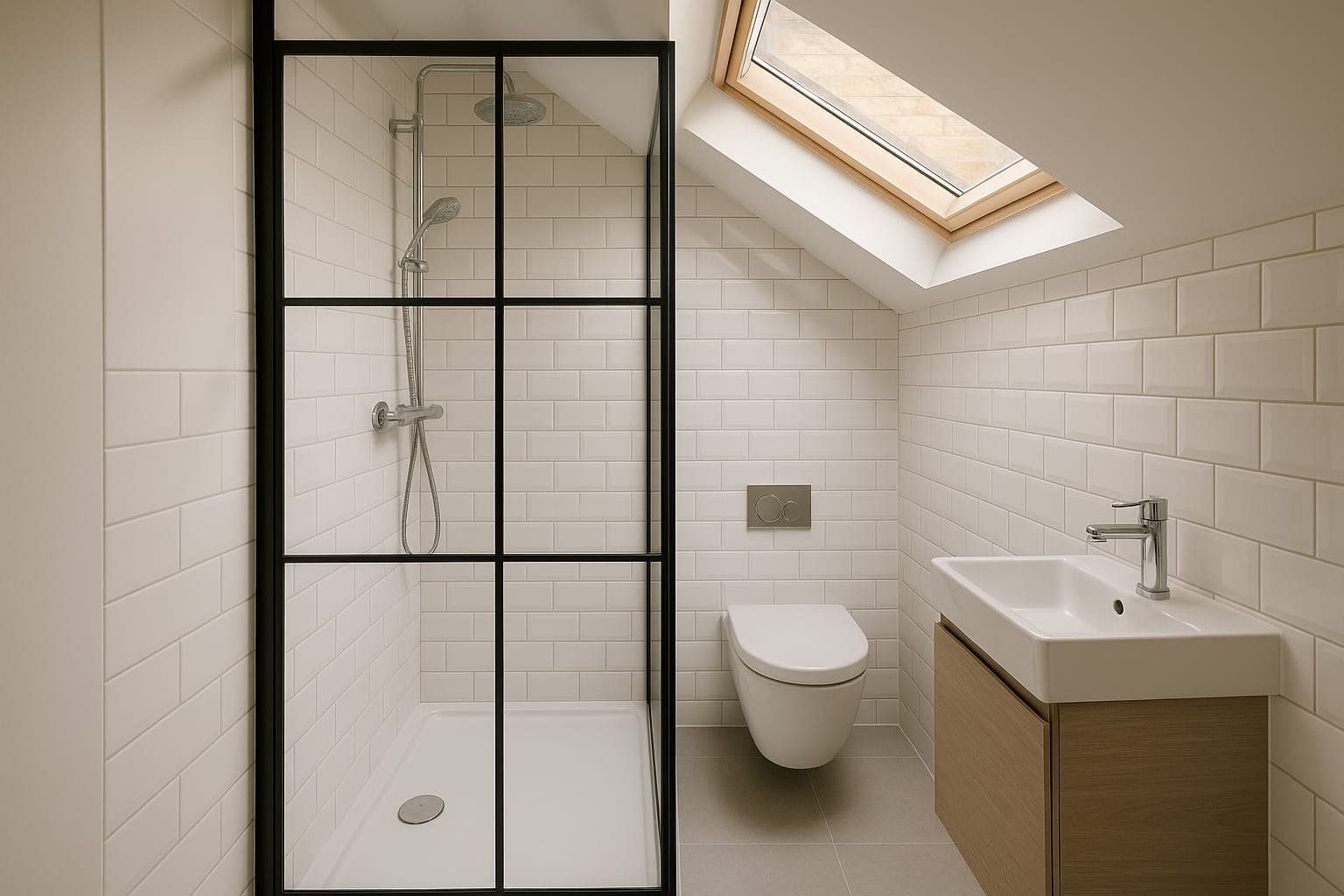
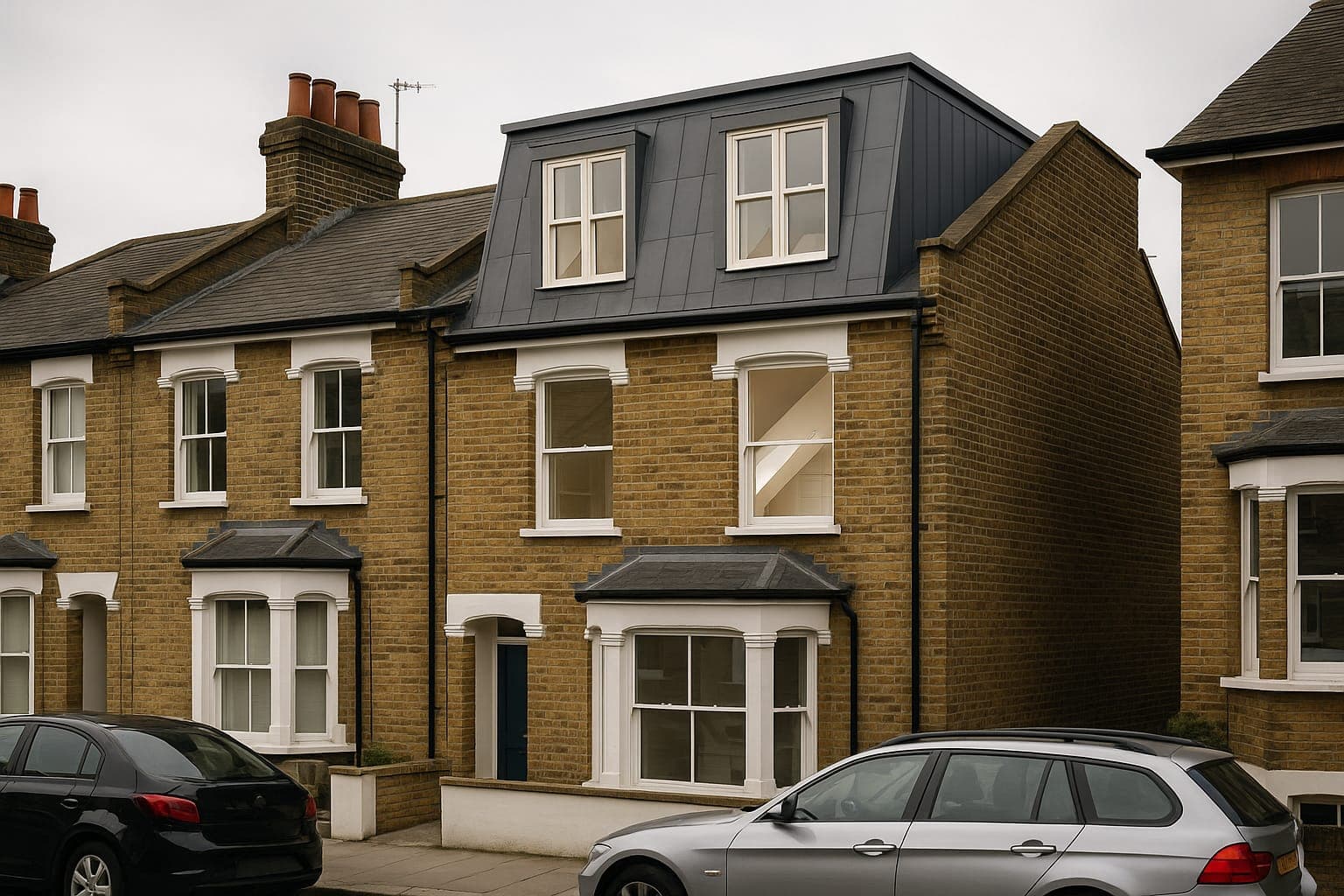
Velux Loft Conversions across South East London
What Our Customers Say
“So happy with the work done by Les and Richard!! We bought a house that needed new paint, cracks filled, a new bathroom fan and some mold removal and they did it all. The quality of the work is phenomenal; it looks like a brand new house. We’ll definitely be hiring them for our future projects!”

Brenna Bodine
6 months ago
“We've had a media wall put in place with fireplace. Richard was very professional and everything that I had got addressed fast. The medial wall looks great, would def recommend them”

Raluca Andra
a month ago
“A totally outstanding experience from Richard and his team. Les did an absolutely amazing job of turning around the much needed re decoration of my apartment at the end of a long tenancy, pulling out all the stops to deliver a first class job on a tight timeframe. The Electrician assigned also turned things around quickly and again to a high standard. Extremely professional and I don’t hesitate to recommend or use again in the future.”

Charlie Watson
2 months ago
Accredited & Certified
Frequently Asked Questions
- Will a Velux loft conversion need planning permission?
- Usually not. Because a rooflight conversion keeps the existing roof shape and the skylights sit in the line of the slope rather than projecting past it, it normally falls inside permitted development on a house. That is the main reason people choose it over a dormer. There are limits. Rooflights cannot project more than 150mm beyond the roof plane and cannot sit above the highest part of the existing roof. Conservation areas and flats often have permitted development rights removed or restricted, and listed buildings always need consent. Across South London I check the planning status of the specific address at the survey before quoting, because two houses on the same street can sit under different rules. Building regulations approval is separate and is always required, whatever the planning position.
- Do I have enough head height for a rooflight loft conversion?
- This is the first thing I measure on site, because it decides whether the loft works at all. As a rule the ridge needs around 2.2m of clear height from the joists once you account for the new floor build-up and the insulated ceiling, and you want a sensible run of floor at full standing height rather than a single high point in the middle. A rooflight conversion does not raise the roof, so the height you have is the height you get. If the ridge falls short, the honest answer is that a Velux conversion is the wrong build for that roof, and a dormer or a hip-to-gable that gains volume is the better route. I will tell you that at the survey rather than after the floor is down.
- How does a rooflight conversion meet insulation and building regs?
- The roof of an unconverted loft is rarely insulated to anywhere near current standards, so a large part of the work is bringing it up to regs while keeping head height. We insulate at rafter level to form a warm roof, usually with a rigid board between and below the rafters, and we hold a ventilation gap above it so the timbers stay dry. The floor is strengthened with new joists sized to carry a habitable room, and the staircase opening is formed and fire-protected. Building Control inspects the structure, insulation, fire escape and electrics at set stages and issues a completion certificate at the end. That certificate is what your solicitor and a future buyer will ask to see, so it is part of the job, not an optional extra.
- Can a rooflight conversion work on a Victorian or Edwardian roof?
- Often yes, and it is a common build on South London period terraces because it leaves the front roof line untouched. Two things decide it. The first is head height under the original ridge. The second is the state of the existing rafters, which on older roofs are sometimes lighter than a modern roof and need strengthening or supplementing. On a roof that faces the street in a conservation area we fit conservation rooflights, which sit flush with a central glazing bar so they read like an original cast-iron skylight rather than a modern bubble standing proud of the slates. That detail keeps a period roof looking right and is usually what a conservation officer wants to see. We assess the rafters, the chimney breasts and any party-wall issues at the survey.
- How disruptive is a Velux loft conversion compared with a dormer?
- It is the least disruptive loft build there is, because nothing happens to the outside shape of the roof. There is no dormer to frame, no large opening cut in the slope and no extended period of the roof being open to the weather, so the work stays inside the loft for most of the programme. The roof is only opened to set the rooflights in, which is a quick stage we plan around the forecast. Day to day you keep the floors below in use, and the main noise is the floor strengthening and the staircase opening early on. A rooflight conversion is typically faster on site than a dormer for the same reason, and it is the route I steer people toward whenever the head height allows it.
Related Services
Get a Free Velux Loft Conversions Quote
Free site visit. No-obligation quote. We respond within 24 hours — usually the same day.
Book Free Consultation