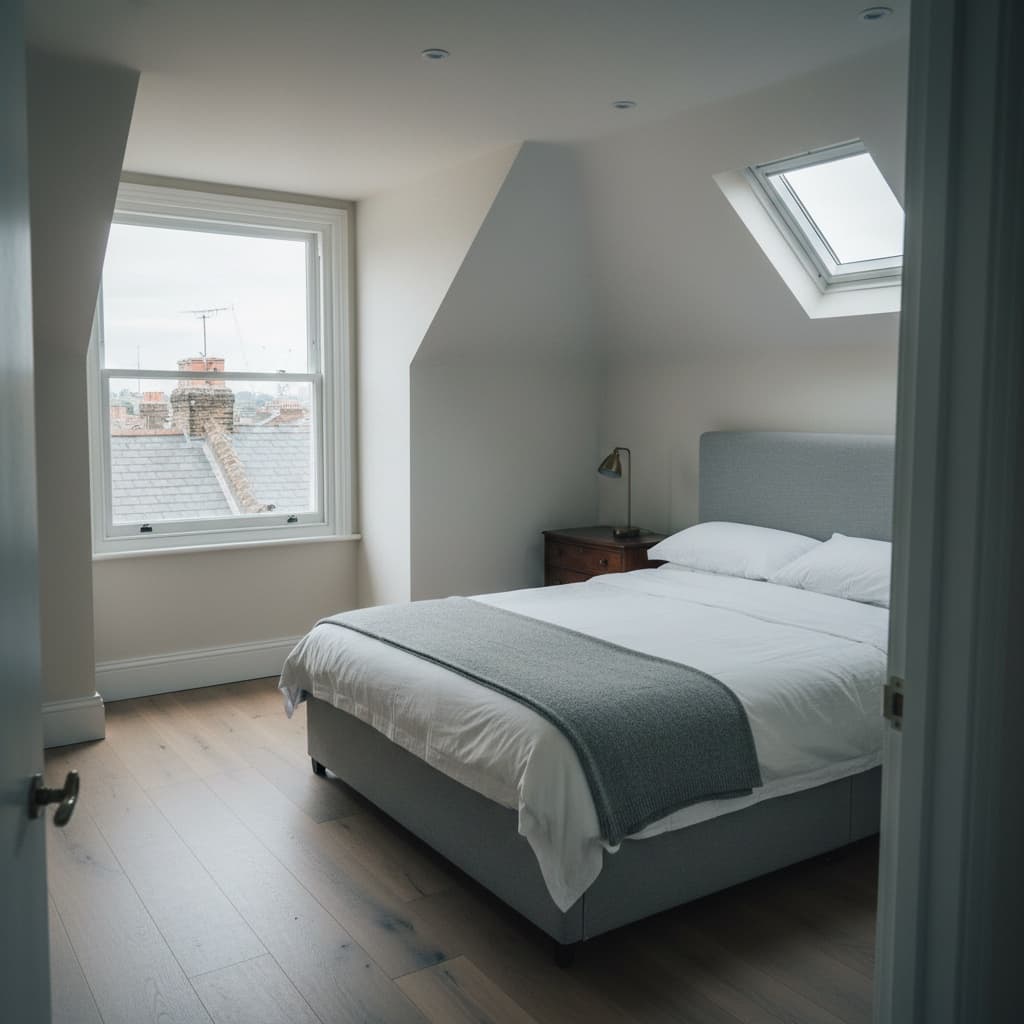
Loft Conversion Builders in Camberwell (SE5)
Professional loft conversion builders in Camberwell, South East London.
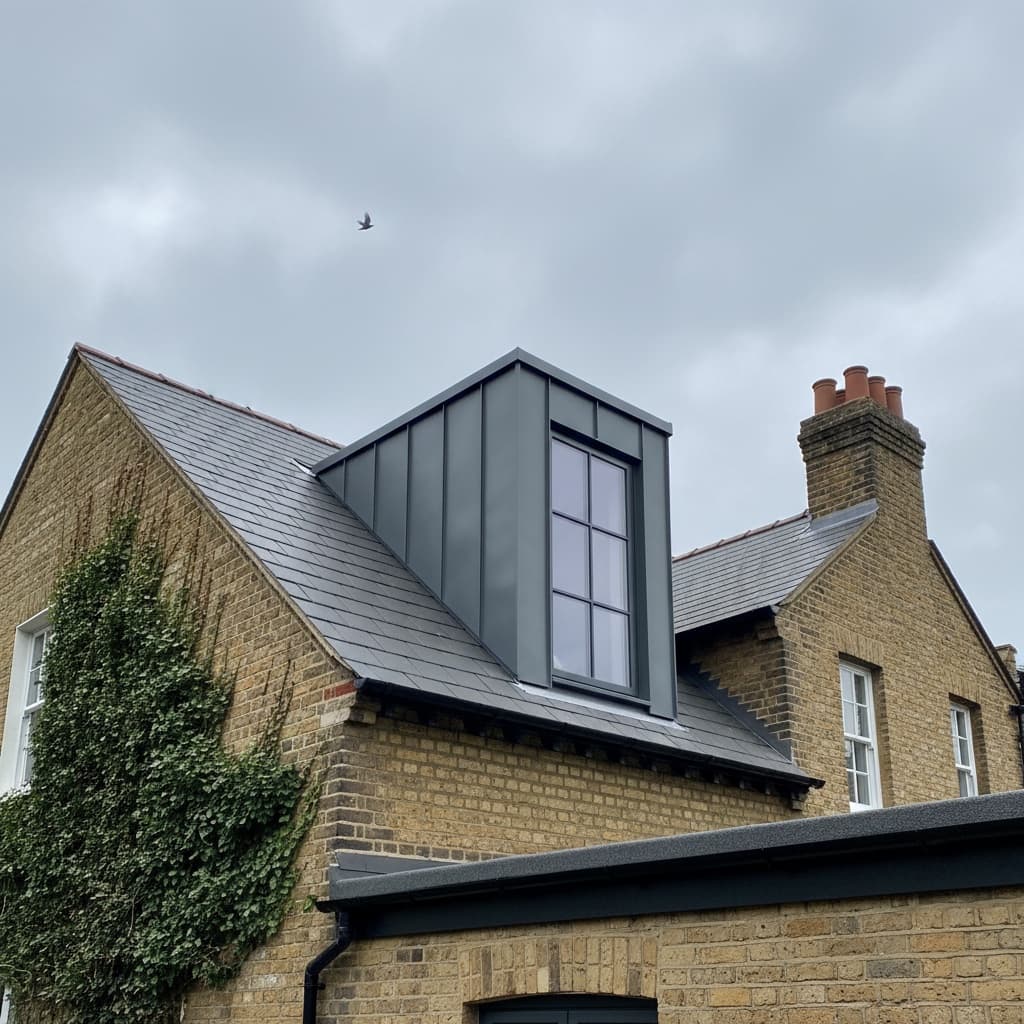
Why Choose All Well for Loft Conversions in Camberwell?
The Victorian houses in Camberwell have steep roofs and high party walls that provide excellent loft conversion potential. Dormer conversions here create proper rooms with good headroom, and the larger properties around Denmark Hill and Grove Lane have enough roof volume for an en-suite without feeling cramped. A loft conversion turns dead roof space into a master suite that works for the long term, which is why they remain one of the most worthwhile improvements you can make to a Camberwell house.
Every project comes with a fixed-price contract, single project manager, and full certification including Building Control sign-off.
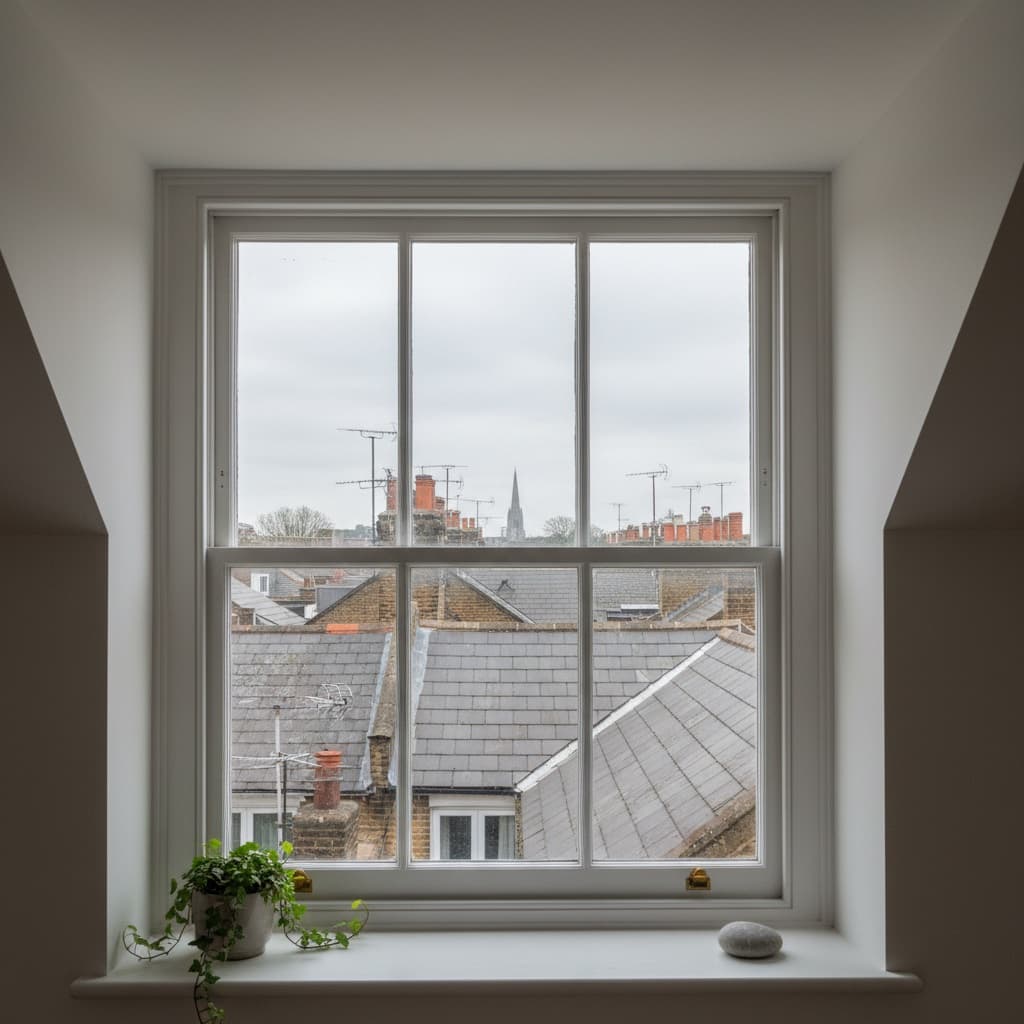
Loft Conversions for Camberwell Properties
Camberwell is known for its georgian terraces, victorian villas, conservation areas. Our loft conversions services are tailored to these property types, ensuring results that complement the character of your home.
Postcodes we cover: SE5
Loft Conversions Tip for Camberwell Homeowners
Listed properties in Camberwell need Listed Building Consent for loft conversions, and Southwark Council's conservation team will want to see that the conversion preserves the building's character. Internal alterations are generally more straightforward than external ones. The key issue is usually whether the dormer is visible from the street. Rear dormers are typically acceptable, but the design needs to be proportionate to the existing roof. For non-listed properties, standard permitted development rules apply.
Loft conversion types we build in Camberwell SE5
Three patterns cover most of what we build in SE5, each suited to a different property type.
L-shaped dormers, rear dormers, and mansards across SE5 property types
L-shaped dormers are the most common Camberwell project. The Victorian villas around Denmark Hill, Grove Lane, and the streets towards Camberwell Green have generous roof volumes and steep cut-roof pitches. Combining a rear dormer with a side dormer over the back addition creates 28–35 square metres of usable floor space, typically a master suite with bedroom, en-suite, and walk-in wardrobe. The package covers structure, staircase, en-suite plumbing, electrics, plastering, and decoration. Build time 12–14 weeks. The party wall mechanics are more involved because the side dormer often crosses the party wall. Rear dormers on Victorian terraces are the second pattern, common on streets running off Camberwell Church Street and Coldharbour Lane. Cut-roof Victorian construction gives 2.4–2.6 metres of ridge headroom. A rear dormer creates a master bedroom with en-suite within the existing roofline. Build time 10–12 weeks. Permitted development under Class B covers the 40 cubic metre terraced allowance. Mansard conversions on Grade II listed Georgian terraces along Camberwell Grove are the third pattern. Listed Building Consent is required and the design must be sympathetic to the original roof character, typically traditional materials (slate, lead flashing) and proportions that read as a continuation of the existing roofscape. The heritage materials and consent process make this the most involved of the three. Build time 18–22 weeks including consent application.
Planning and conservation rules for Camberwell Grove loft conversions
Three Camberwell-specific factors shape the planning and structural approach on most loft conversions in SE5.
Listed Building Consent and Southwark's conservation officer requirements
Many of the Georgian and early Victorian villas along Camberwell Grove and Grove Lane are Grade II listed. Listed Building Consent is required for any roof alteration regardless of whether it's visible from the street. Southwark Council's conservation officer reviews each application individually, expects heritage materials matched to the original (slate roofing, lead flashing, lime mortar pointing on stock brick, traditional sash window restoration on existing roof-line windows), and applies the listing description to assess significance. Mansard conversions are sometimes accepted on listed terraces because the double-pitched profile reads as a more sympathetic upper addition than a modern dormer. Applications take 8–12 weeks at Southwark and run in parallel with planning. Three conservation areas also apply: the Camberwell Grove conservation area covers the Georgian and early Victorian villas along Camberwell Grove and Grove Lane; Camberwell New Road covers the streets between Camberwell Green and the Oval; Brunswick Park covers part of the Sceaux Gardens estate. Within all three, Southwark reviews exterior alterations individually. Front-facing dormers are virtually never approved, rear dormers and mansards need sympathetic materials. We check the boundary on the Southwark planning portal at the survey before quoting.
Heritage design parameters for Camberwell mansard roofs
On listed and conservation area mansards, the design follows specific heritage parameters: double-pitched profile with the lower slope at 70–72 degrees and the upper slope at 15–20 degrees (matching the established London mansard pattern), Welsh slate covering, lead flashing throughout, traditional dormer windows with sash or casement profiles rather than picture windows, and stack ventilation matched to the original. The structural design typically replaces the existing roof structure with new steelwork supporting the floor and the mansard frame. We work with conservation-specialist architects on listed Camberwell mansards.
How Southwark Council's process works for an SE5 loft conversion
Camberwell falls under the London Borough of Southwark. Understanding which consent route applies before we quote saves time and avoids surprises during the build.
Permitted development, LDC, and planning at Southwark
Permitted development under Class B covers loft conversions on non-listed, non-conservation-area properties within volume limits, 40 cubic metres for terraced and 50 cubic metres for semi-detached or detached. Front-facing dormers are not permitted development. We submit a Lawful Development Certificate (£129, 6–8 weeks at Southwark) on permitted development projects. For conservation area or listed projects, full planning plus Listed Building Consent applies and Southwark typically determines applications in 8–12 weeks. Fixed-price contracts cover labour, materials, structural engineer calculations, Building Control fees at Southwark, FENSA glazing registration, party wall surveyor coordination, Listed Building Consent application costs, conservation-specialist architect coordination, FD30 escape route door upgrades, and the Lawful Development Certificate or planning fee. The price is confirmed after a free site visit.
Build sequence and fire safety compliance on Camberwell loft projects
A Camberwell loft conversion involves 9–15 trades over 10–22 weeks (longer for listed mansards): structural steel install, joist and floor structure, dormer or mansard carcassing, slate roofing with lead flashing on heritage projects, Velux rooflights or traditional sash dormer windows depending on consent requirements, insulation (150mm PIR between rafters plus 50mm under to U-value 0.18 W/m²K under Building Regulations Part L), staircase joinery, plastering (lime-based on listed properties to BS EN 459), NICEIC electrics (BS 7671), en-suite plumbing, and decoration. We assign one project manager from survey through handover with photo updates. Fire safety follows Building Regulations Part B: protected escape route with FD30 fire doors on every habitable room along the route, mains-wired interlinked smoke alarms on every floor, 30-minute fire-resistant floor construction. On listed properties, original panelled doors are upgraded to FD30 with intumescent strip and concealed door closer rather than replaced. Stair design follows Part K, 2 metres minimum headroom, 42 degree maximum pitch, with care for original cornicing on the existing staircase.
Loft Conversions in Camberwell: What's Included
How I price loft conversions in Camberwell
I price every loft conversions job in Camberwellafter I’ve seen it. No two properties are the same, so a number here would only mislead you. What you get instead is a fixed-price contract, a week-by-week programme, and no costs that turn up later.
Get a fixed quoteWhat Our Customers Say
“All Well managed our project from start to finish. The fixed-price contract meant no surprises, and the result is stunning.”
Verified Customer
Camberwell
“Professional team, clear communication throughout. They handled everything including Building Control sign-off.”
Verified Customer
Camberwell
Frequently Asked Questions
- What loft conversion types suit Camberwell houses?
- Three patterns cover most of SE5. An L-shaped dormer on a Victorian villa is the most common Camberwell project, combining a rear dormer with a side dormer over the back addition to create a master suite with bedroom, en-suite, and walk-in wardrobe. A rear dormer on a Victorian terrace creates a master bedroom with en-suite within the existing roofline. A mansard on a Grade II listed Georgian terrace along Camberwell Grove rebuilds the roof with heritage materials (slate, lead flashing, lime mortar) and goes through the Listed Building Consent process. Every job includes structure, staircase, en-suite plumbing, electrics, plastering, and decoration, with FD30 escape route door upgrades and intumescent strip retrofit on listed panelled doors where the route requires it. The party wall surveyor uses the Agreed Surveyor route. Fixed-price contract before any work starts, confirmed after a free site visit.
- Do I need Listed Building Consent for a Camberwell Grove loft conversion?
- Yes, on virtually any Grade II listed property. Listed Building Consent applies to any roof alteration regardless of whether it's visible from the street. The Georgian and early Victorian terraces along Camberwell Grove are typically listed and Southwark Council's conservation officer reviews each application individually. Application takes 8-12 weeks at Southwark and runs in parallel with planning. Mansards are sometimes preferred to dormers on listed terraces because the double-pitched profile reads as a more sympathetic upper addition than a modern box dormer. Heritage materials are required throughout: Welsh slate, lead flashing, lime mortar pointing on stock brick, traditional sash or casement dormer windows. We work with conservation-specialist architects on listed Camberwell projects.
- What's the difference between a mansard and a dormer in Camberwell?
- Structural and visual scope. A rear dormer adds a vertical wall projection within the existing roof slope, with the existing roof structure largely retained and reinforced. A mansard rebuilds the roof entirely with a double-pitched profile, a steep lower slope at 70-72 degrees and a shallow upper slope at 15-20 degrees, creating a near-vertical rear elevation that maximises usable floor area. Mansards always need full planning permission because the roof profile changes; dormers proceed under permitted development within volume limits except in conservation areas. A mansard typically delivers 30-40% more usable floor area than a dormer because the existing roof structure is largely replaced. On listed Camberwell Grove terraces, mansards are sometimes the only design that satisfies Listed Building Consent because dormers read as too modern.
- Why hire All Well for a Camberwell loft conversion?
- Three reasons. First, conservation experience: we know the SE5 stock, the Camberwell Grove listed terraces, the three conservation areas, the heritage materials Southwark's conservation team requires (slate, lead flashing, lime mortar, traditional sash windows), and the mansard design parameters that satisfy Listed Building Consent. Second, full accreditation: NICEIC for electrical (BS 7671), FENSA for glazing, Gas Safe registered for boiler relocation, structural engineer calculations, and Building Control sign-off included on every project. Third, fixed-price contracts: the quote doesn't change unless the specification does, including Listed Building Consent applications, conservation-specialist architect coordination, and party wall surveyor fees. Office on Limes Avenue, SE20.
All Well has completed 100+ projects across 25 London boroughs since 2020. We are NICEIC approved for electrical work, FENSA registered for glazing, and CHAS certified for site safety, with Public Liability insurance to £5 million. 57+ Google reviews average 4.9 stars. All Well Property Services® is a UK registered trademark, Companies House no. 12721034, operating from Unit 1 Limes Avenue, Anerley SE20 8QR.
Loft Conversions Near Camberwell
Get a Free Quote for Your Camberwell Loft Conversions
Fixed-price quote, no obligation. Call us or fill out our form.