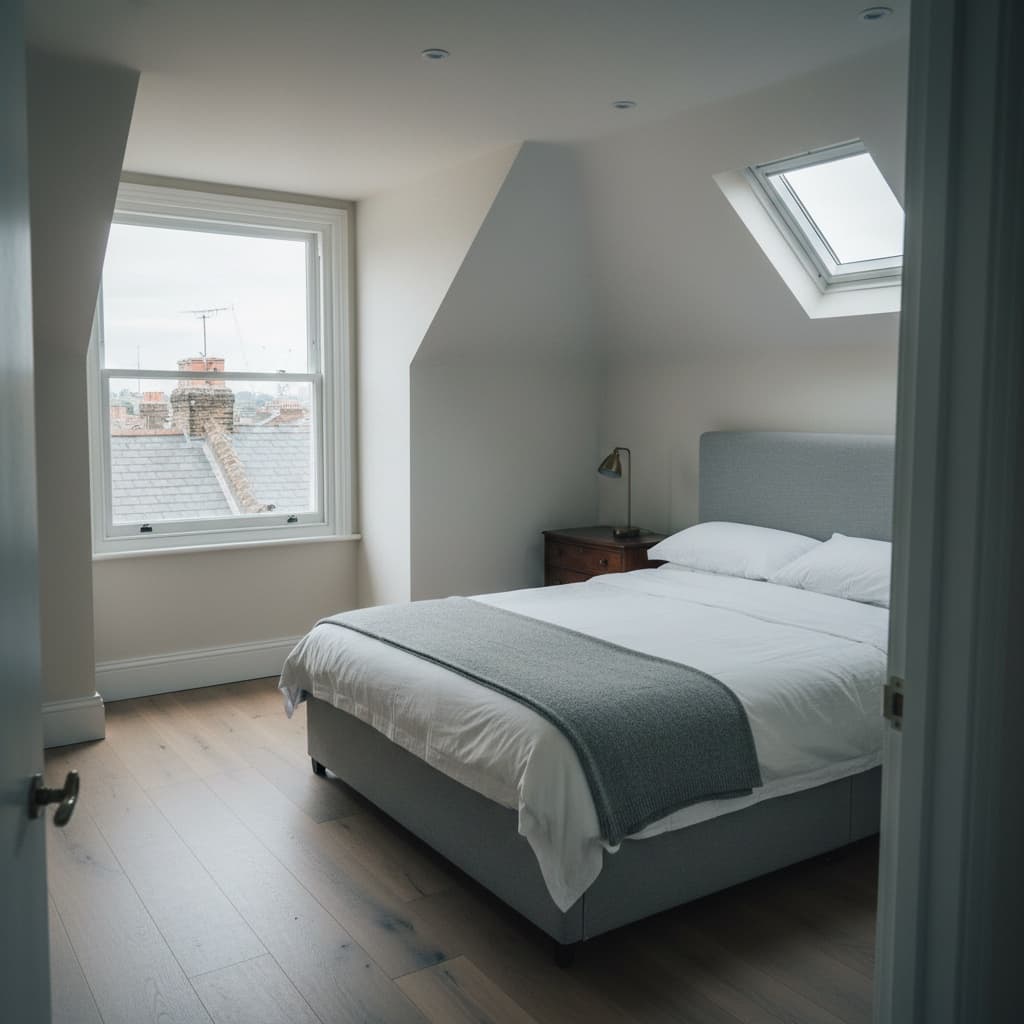
Loft Conversion Builders in Streatham (SW16)
Professional loft conversion builders in Streatham, South London.
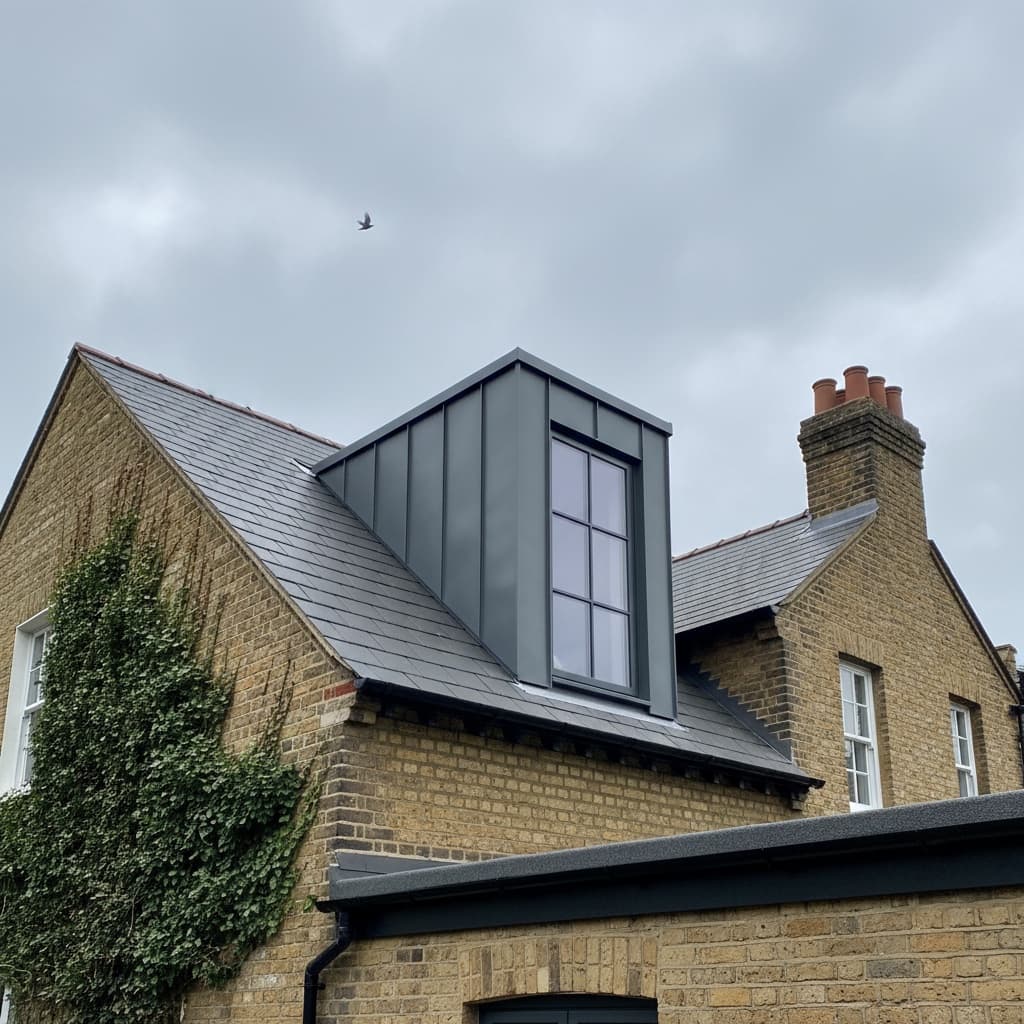
Why Choose All Well for Loft Conversions in Streatham?
Streatham's mix of Edwardian terraces and 1930s houses means we see two main types of loft conversion here, dormer conversions on the terraces and hip-to-gable conversions on the semis. Both work well. The terraces have good roof pitch for dormers, and the 1930s semis have generous roof volumes that convert into spacious bedrooms. A loft conversion that adds a bedroom and en-suite gives you the extra space without moving.
Every project comes with a fixed-price contract, single project manager, and full certification including Building Control sign-off.
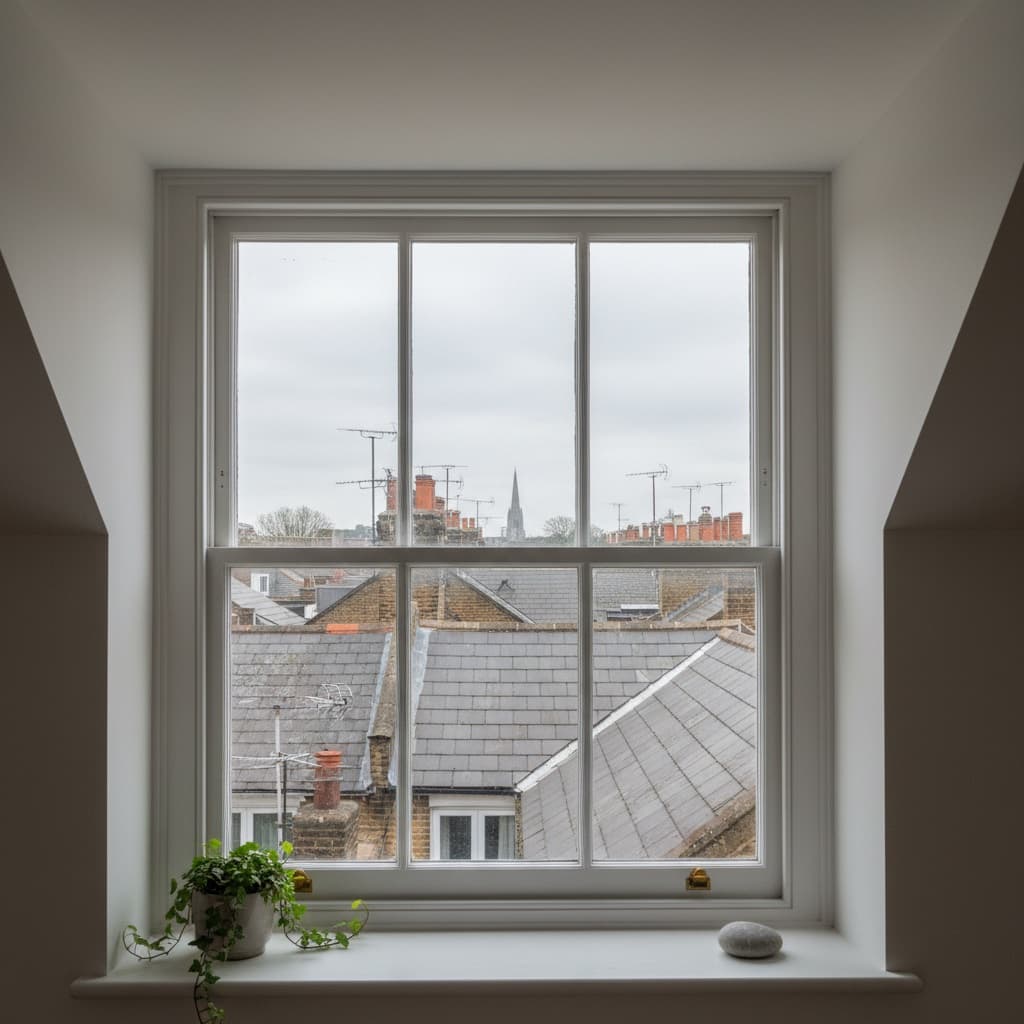
Loft Conversions for Streatham Properties
Streatham is known for its edwardian terraces, victorian semis, 1930s houses. Our loft conversions services are tailored to these property types, ensuring results that complement the character of your home.
Postcodes we cover: SW16
Loft Conversions Tip for Streatham Homeowners
The 1930s houses in Streatham Vale and Streatham Common often have concrete interlocking tile roofs rather than slate. When building a dormer or hip-to-gable extension, the new section needs to match the existing tiles, so we source matching tiles before starting to avoid a patchwork appearance. Some 1930s properties also have trussed roofs that need structural modification before conversion, which we assess during the free roof survey.
Loft conversion types for SW16 properties
Three conversion types cover most of what we build in Streatham. Which one applies depends on your property, Edwardian terrace, 1930s semi, or wider terrace with a rear addition.
Rear dormer and hip-to-gable options in Streatham
Rear dormer on an Edwardian terrace is the most common SW16 project. The terraces along Streatham Hill, Mitcham Lane, and the streets running off Streatham High Road have cut-roof Edwardian construction with 2.4 to 2.6 metres of ridge headroom. A rear dormer creates a master bedroom with en-suite within the existing roofline, covering structure, staircase, en-suite plumbing, electrics, plastering, and decoration. Build time 10 to 12 weeks. The 40 cubic metre Class B terraced allowance applies under permitted development. Hip-to-gable on a 1930s semi is the second pattern, common around Streatham Common and Streatham Vale. The hipped roof is replaced with a vertical gable wall, and a rear dormer creates a full-width master bedroom with en-suite. The new gable brickwork is matched to the existing facing brick. Build time 12 to 14 weeks. Many 1930s Streatham roofs use concrete interlocking tiles rather than slate, so we source matching tiles for the new dormer cladding. Semi-detached properties qualify for the 50 cubic metre Class B allowance.
L-shaped dormer on wider Edwardian terraces in Streatham
The third pattern suits streets where the back addition supports a side dormer alongside the rear projection. Build time 12 to 14 weeks. Party wall agreements with both neighbours apply because the side dormer often crosses the party wall on both sides.
Streatham's building stock: what it means for your loft conversion
Two structural realities and one planning variable shape most Streatham loft conversions. Getting the survey right on all three avoids surprises once work starts.
Edwardian cut roofs versus 1930s trussed roofs in SW16
Edwardian cut-roof construction (most central Streatham terraces) uses individually fitted rafters bearing on the external walls and an internal purlin. The structure can be opened up by adding new floor structure within the existing rafters and a steel ridge beam, with no trussed-roof complication. 1930s semis around Streatham Common and Streatham Vale often have prefabricated W-frame trussed roofs where every member contributes to structural integrity. These need replacement steelwork, typically a steel ridge beam plus supporting beams across the loft floor, installed before any truss can be removed safely. That adds 1 to 2 weeks to the schedule. The new steelwork bears on padstones on the external walls. We identify the roof type at the free roof survey.
Conservation areas and Article 4 directions in Streatham, Lambeth Council planning
Three conservation areas affect Streatham loft conversions: Streatham Common (properties around the Common), Streatham Hill (parts of the upper hill streets), and Leigham Court (a smaller cluster). Within all three, dormer designs need conservation officer review. Front-facing dormers are virtually never approved, and rear dormers need subordinate proportions and matching materials. London Borough of Lambeth also has Article 4 directions on some streets near the conservation area boundaries. These mainly affect front-of-property changes but occasionally remove permitted development rights for rear dormers. We verify the planning status on the Lambeth planning portal at the survey.
How a Streatham loft conversion is managed, from Lambeth planning to handover
Streatham falls under London Borough of Lambeth. Understanding the planning route and the sequence of trades up front means no gaps in the programme.
Lambeth permitted development, LDC, and full planning for Streatham lofts
Permitted development under Class B covers loft conversions within volume limits, 40 cubic metres for terraced and 50 cubic metres for semi-detached or detached. We submit a Lawful Development Certificate (£129, 6 to 8 weeks at Lambeth) on permitted development projects for written confirmation, which protects the property at sale time. Within the Streatham Common, Streatham Hill, or Leigham Court conservation areas, full planning applies and Lambeth typically determines applications in 8 to 10 weeks. A Streatham loft conversion involves 9 to 13 trades over 10 to 16 weeks (longer for trussed-roof properties): structural steel, joist and floor structure, dormer or gable carcassing, brick build-up matched to the existing facing brick, roof cladding matched to the existing covering (concrete interlocking tile or slate), Velux rooflights and FENSA-registered casement windows, insulation to 0.18 W/m²K under Building Regulations Part L, staircase joinery, plastering, NICEIC electrics, en-suite plumbing, and decoration. One project manager from survey through handover with photo updates. Fire safety follows Building Regulations Part B: FD30 fire doors on every habitable room along the escape route, mains-wired interlinked smoke alarms on every floor, 30-minute fire-resistant floor construction. Original ground-floor doors typically need replacing to FD30 standard. Fixed-price contracts cover labour, materials, structural engineer calculations (covering any trussed-roof modification), Building Control fees at Lambeth, FENSA glazing registration, party wall surveyor coordination, FD30 door upgrades, and the Lawful Development Certificate or planning fee. The fixed price is confirmed after a free site visit.
Loft Conversions in Streatham: What's Included
How I price loft conversions in Streatham
I price every loft conversions job in Streathamafter I’ve seen it. No two properties are the same, so a number here would only mislead you. What you get instead is a fixed-price contract, a week-by-week programme, and no costs that turn up later.
Get a fixed quoteWhat Our Customers Say
“All Well managed our project from start to finish. The fixed-price contract meant no surprises, and the result is stunning.”
Verified Customer
Streatham
“Professional team, clear communication throughout. They handled everything including Building Control sign-off.”
Verified Customer
Streatham
Frequently Asked Questions
- How much does a Streatham loft conversion cost?
- It depends on the conversion type and your property. Rear dormer on an Edwardian terrace is the most common Streatham project, covering structure, staircase, en-suite plumbing, electrics, plastering, and decoration. Hip-to-gable on a 1930s semi and L-shaped dormer on wider Edwardian terraces are the other two patterns. Trussed-roof 1930s properties around Streatham Common and Streatham Vale need structural modification, which adds 1 to 2 weeks. FD30 escape route door upgrades and party wall surveyor coordination (Agreed Surveyor route) are included in the scope. Conservation area or Article 4 full planning adds 2 to 4 weeks of lead time. We give you a fixed price confirmed after a free site visit, and it does not change unless the specification does.
- Edwardian terrace or 1930s semi, which is easier to convert in Streatham?
- Edwardian cut-roof terraces are typically simpler. Three reasons. First, roof structure: Edwardian terraces have cut-roof construction (purlin and rafter) where the existing rafters can be retained and reinforced; 1930s semis often have trussed roofs needing replacement steelwork. Second, party wall mechanics: 1930s semis only need one party wall agreement (the attached side); Edwardian mid-terraces need both sides. Third, planning: most Edwardian terraces sit outside conservation areas and proceed under standard permitted development; some 1930s streets are within Streatham Common or Streatham Hill conservation areas with additional design constraints. The hip-to-gable on a 1930s semi creates more usable floor area than a rear dormer on a terrace, so the right choice depends on your space requirement and the property itself.
- Why do some Streatham loft conversions need matching concrete tiles?
- Because the existing roof covering on most 1930s Streatham houses is concrete interlocking tile rather than slate. When building a dormer or hip-to-gable, the new roof cladding needs to match the existing tiles to satisfy permitted development materials requirements (Class B requires materials similar in appearance to the existing roof) and conservation area design rules where applicable. Concrete interlocking tile patterns vary by manufacturer and era. Marley, Redland, Sandtoft, and Lafarge each made distinct profiles. We source matching tiles before starting to avoid a patchwork appearance. Where exact matches aren't available, we use the closest equivalent and Lambeth's planning team typically accepts well-matched alternatives. Slate-roof Edwardian terraces in central Streatham use Welsh slate matched to the existing.
- Why hire All Well for a Streatham loft conversion?
- Three reasons. First, accuracy: we know the SW16 stock, Edwardian cut-roof versus 1930s trussed-roof construction, the Streatham Common, Streatham Hill, and Leigham Court conservation areas, the Article 4 directions on some streets, and concrete interlocking tile matching. Second, full accreditation: NICEIC for electrical (BS 7671), FENSA for glazing, Gas Safe registered for boiler relocation, structural engineer calculations included for trussed-roof modification, and Building Control sign-off included on every project. Third, fixed-price contracts: the quote doesn't change unless the specification does. Office on Limes Avenue, SE20.
All Well has completed 100+ projects across 25 London boroughs since 2020. We are NICEIC approved for electrical work, FENSA registered for glazing, and CHAS certified for site safety, with Public Liability insurance to £5 million. 57+ Google reviews average 4.9 stars. All Well Property Services® is a UK registered trademark, Companies House no. 12721034, operating from Unit 1 Limes Avenue, Anerley SE20 8QR.
Loft Conversions Near Streatham
Get a Free Quote for Your Streatham Loft Conversions
Fixed-price quote, no obligation. Call us or fill out our form.