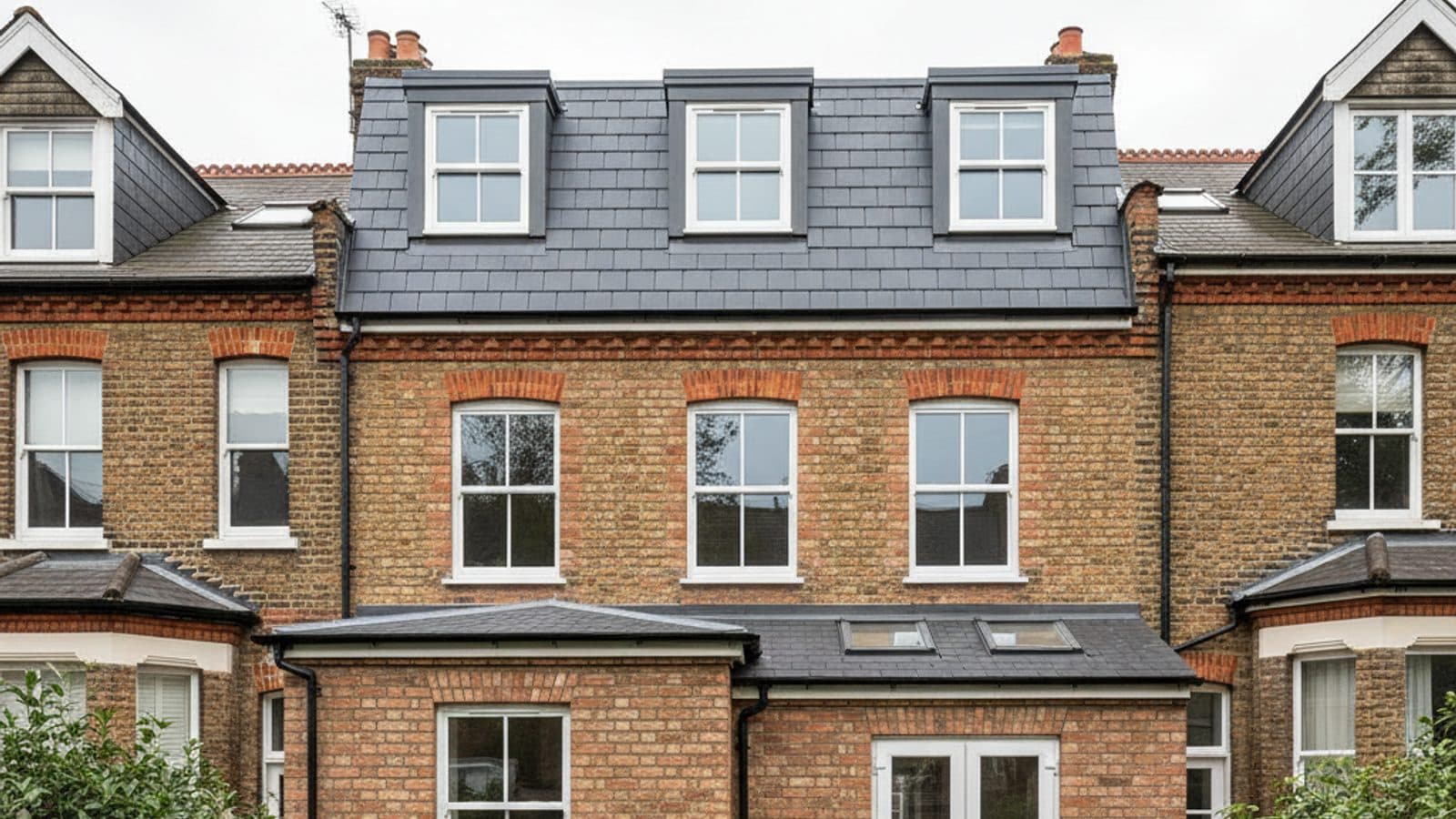
Mansard Loft Conversions in South London
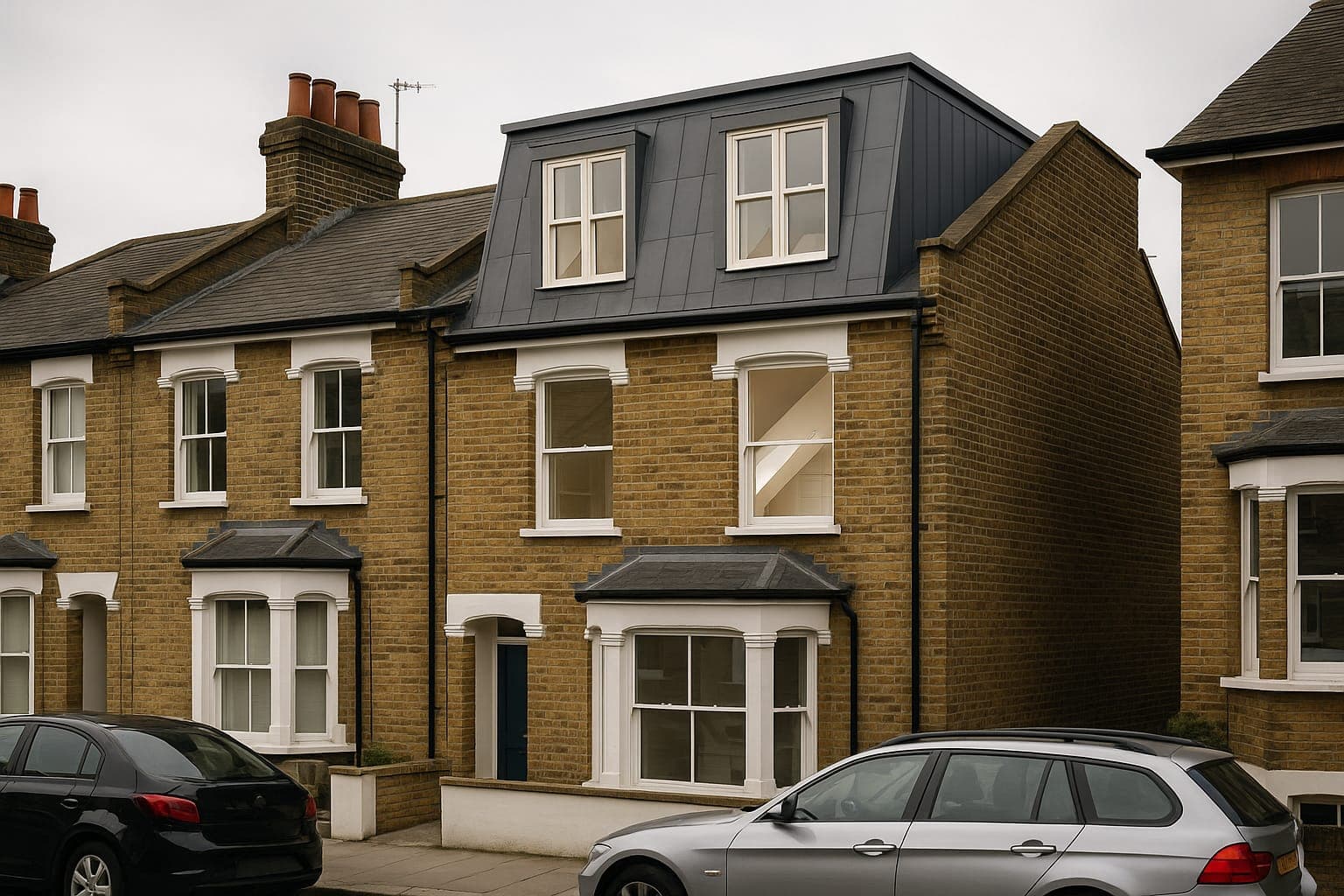
A mansard loft conversion rebuilds the rear roof slope to a near-vertical wall at around 70 degrees, which gains the most floor space and headroom of any loft type.
All Well Property Services provides professional mansard loft conversions across South East London. I price every project individually after a free site visit, so you get a clear written quote with a week-by-week programme rather than a calculator estimate. All projects include a fixed-price contract, single project manager, and full Building Control sign-off. Call 020 3920 9617 for a free consultation.
What We Offer
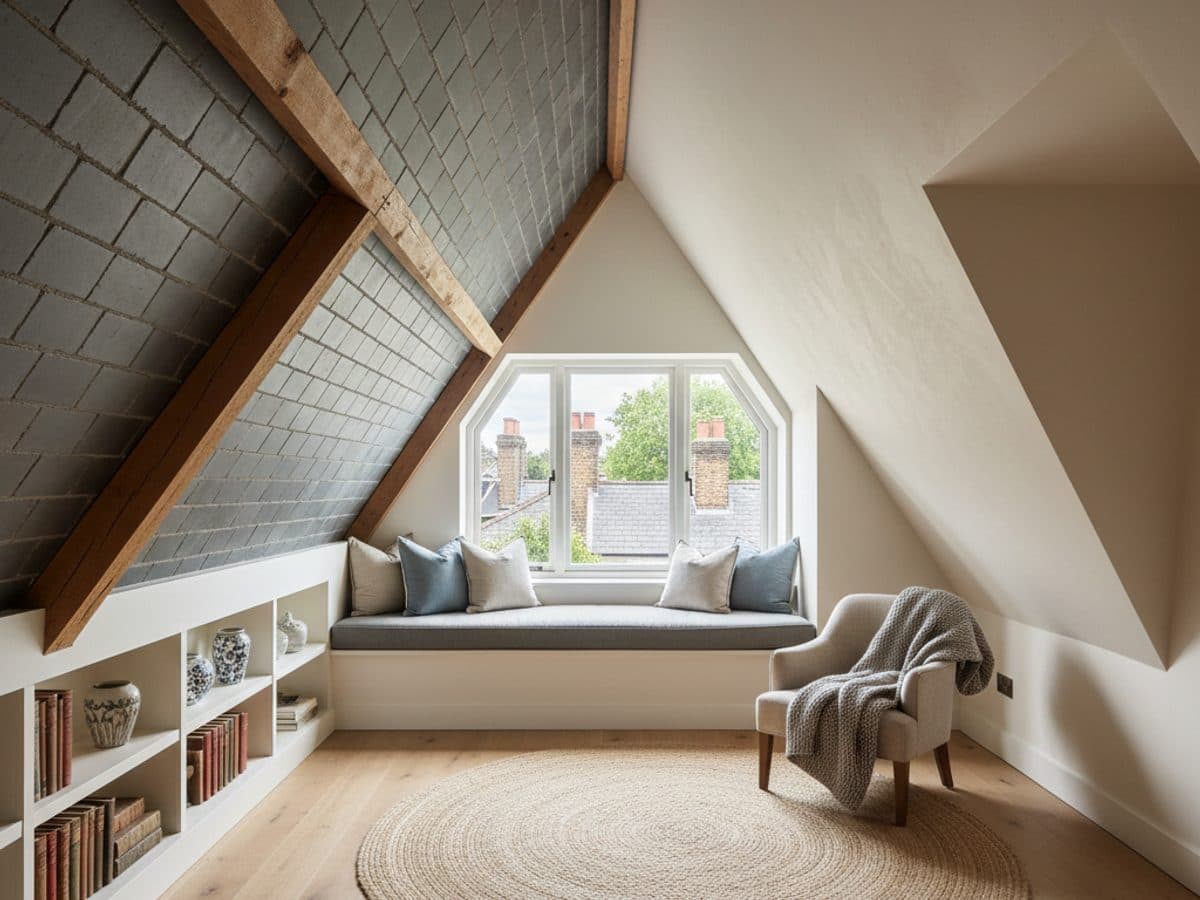
A mansard loft conversion rebuilds the rear roof slope to a near-vertical wall at around 70 degrees, which gains the most floor space and headroom of any loft type. We design, plan and build mansards on period terraces across South London, including the conservation areas where this is often the only roof form that gets approved.
- ✓Rear roof slope rebuilt to a near-vertical wall at around 70 degrees
- ✓Full standing headroom across the loft and the largest floor area of any loft type
- ✓Planning application and pre-application enquiry handled for you
- ✓Conservation area design matched to the local authority guidance
- ✓Brick and natural slate matched to the original elevation
- ✓Party wall awards arranged with adjoining owners
- ✓Structural steelwork, staircase and Building Regulations sign-off under one team
- ✓Lawful Development Certificate or full approval applied for as written proof
How I price mansard loft conversions
I quote every job after a free site visit. The price covers materials, labour and a realistic programme, all fixed in writing before we start. No hidden costs, no mid-job surprises.
Book a free site visitWhat Affects the Cost?
- •Roof structure and whether the existing party walls can be built off or need raising
- •Planning route and conservation area design conditions set by the local authority
- •Party wall awards required with one or both neighbours on a terrace
- •Matching brick and natural slate to the original, which costs more than synthetic substitutes
- •Staircase position and whether the floor below has to be reworked to land it
- •Number of rooms, en-suites and rooflights inside the new mansard space
Mansard loft conversions across South London
A mansard is the loft conversion I get asked for when a dormer will not give the room a family needs, and it is the one that gets built on the period terraces that fill the SE and SW postcodes. Since 2020 I have run mansard jobs across South London myself, from the first survey through to handover. The work rebuilds the rear roof slope into a near-vertical wall at around 70 degrees, which is what turns a cramped loft into full-height rooms. It is also the conversion most likely to need planning and a party wall award, so the design and the paperwork have to be right before anyone gets on the roof. I read the roof structure, the head height and the planning position on the first visit and tell you straight what your house will take.
Mansard loft conversions on Victorian and Edwardian terraces
A mansard loft conversion suits the Victorian and Edwardian terraces that run through Bromley, Lewisham, Dulwich and Crystal Palace, because their roofs are often too shallow for a dormer to give proper headroom. Rebuilding the rear slope to near-vertical brings the usable wall out to the back of the house, so a single tight loft becomes a bedroom with an en-suite, and a wider terrace can take two rooms. We build off the existing party walls where they will carry the load, and raise them where they will not, with the steelwork sized by a structural engineer.
Mansard loft conversions in conservation areas
A mansard loft conversion is often the only roof form a conservation officer will pass, which is why it matters across the protected streets of Dulwich, Blackheath and Charlton. The near-vertical rear wall sits behind the parapet and reads as part of the original building rather than a box added on top. I design the scheme to the council's conservation area guidance, match the brick and the natural slate to the original elevation, and keep anything visible from the street within what the appraisal allows, so the application goes in built to fit the rules.
Matching the brick and slate to the original
A mansard shows its face on the rear elevation, so the materials have to match the house, not approximate it. We source brick to the colour, size and bond of the original, and use natural slate rather than a synthetic substitute where the roof and the planning condition call for it. The lead flashings, the parapet detail and the window reveals are built to sit with the period frontage. This is the part that decides whether a mansard looks like it belongs or like an afterthought, and it is where conservation approvals are won or lost.
Planning, party wall and Building Regulations
A mansard lives or dies on the order of the paperwork as much as the build. Planning, the party wall awards and Building Regulations each run on their own clock, and I sequence them at the survey so they line up rather than stall the job. One team handles the structural design, the staircase and the sign-off, so you are not chasing separate trades through it.
Securing planning and the party wall awards
A mansard almost always needs full planning permission, and on a terrace it almost always engages the Party Wall etc. Act with one or both neighbours. I lodge the planning application, run a pre-application enquiry with the officer where it helps the case, and serve the party wall notices in time so the two-month period runs while the planning is decided. Where an adjoining owner appoints a surveyor, the award records the condition of their property and sets out how the work proceeds before we start on the roof.
Structure, staircase and Building Regulations sign-off
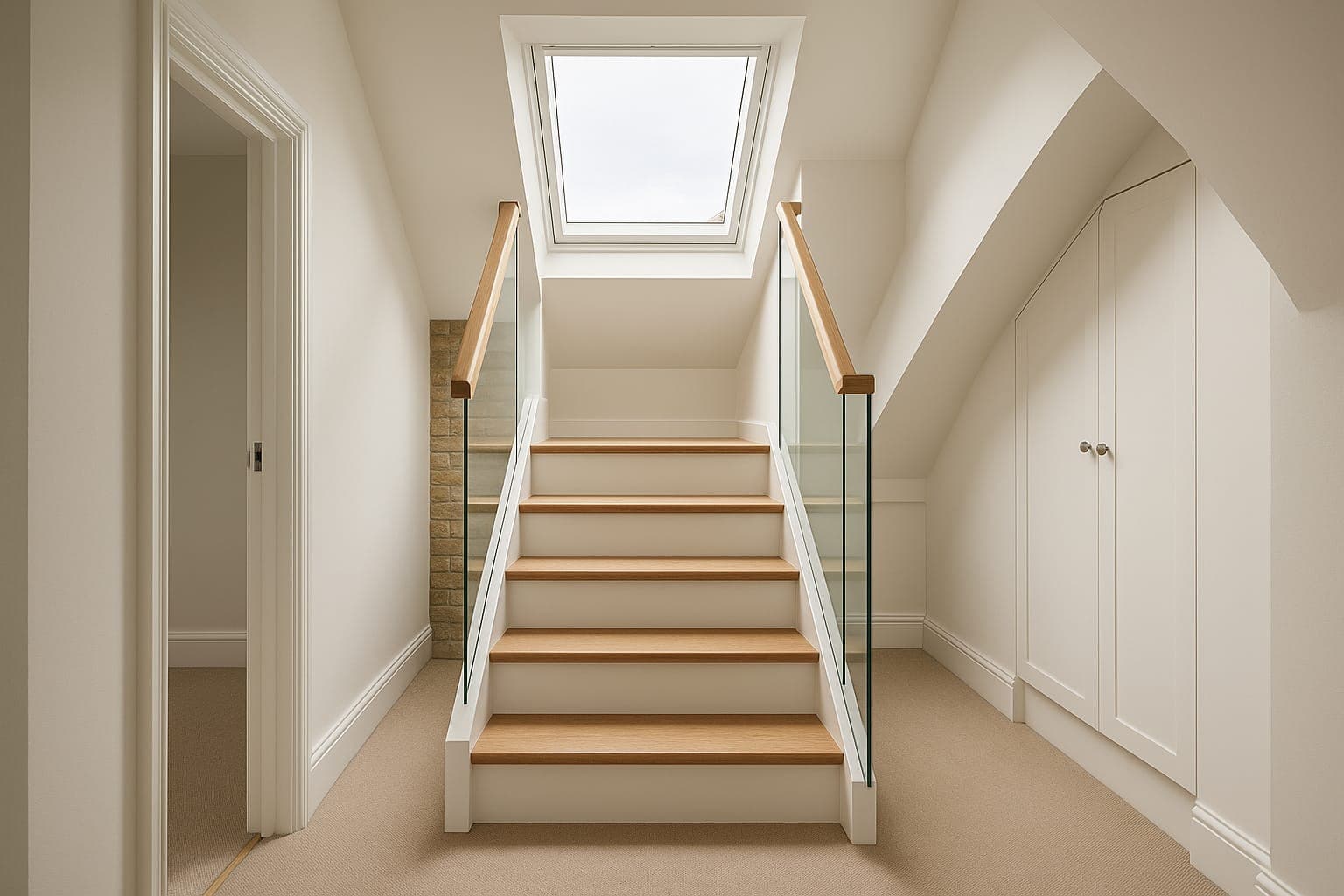
The new mansard is carried on steel beams spreading the load onto the party walls and the floor below, all sized by a structural engineer. A loft storey changes the fire escape route for the whole house, so the staircase enclosure and the doors below often need upgrading to meet the regulations. We design to Building Regulations from the start, the work is inspected at the key stages, and the conversion is signed off with a completion certificate that your solicitor will ask for when you sell.
How All Well delivers your mansard
I run every mansard personally, with one project manager on the job from survey to handover and a free site visit to start. All Well Property Services operates from Unit 1 Limes Avenue, Anerley, London SE20 8QR. The company is NICEIC approved. It is FENSA registered, CHAS accredited and Gas Safe registered. All Well Property Services carries Public Liability insurance to 5 million pounds, and the company is registered at Companies House under number 12721034, with 57 verified Google reviews averaging 4.9 out of 5 stars.
Free tools for planning your project
No email required. Get instant estimates and planning answers before you book a consultation.
Best Month
See historic rainfall and temperature for your postcode every month, plus the best window for external work. Live data from the Open-Meteo archive (Met Office and ECMWF).
Listed Check
Check whether your property is a listed building or sits inside a conservation area, and what that means for renovation work. Live data from Planning.data.gov.uk and Historic England.
Planning Risk
Traffic-light check of every planning restriction at your postcode: listed buildings, conservation areas, Article 4 directions, Tree Preservation Orders, flood zones. Live data from Planning.data.gov.uk.
EPC Upgrade
Find your home's current EPC rating and see what it would cost to upgrade to a B. Uses live data from the EPC Open Data register.
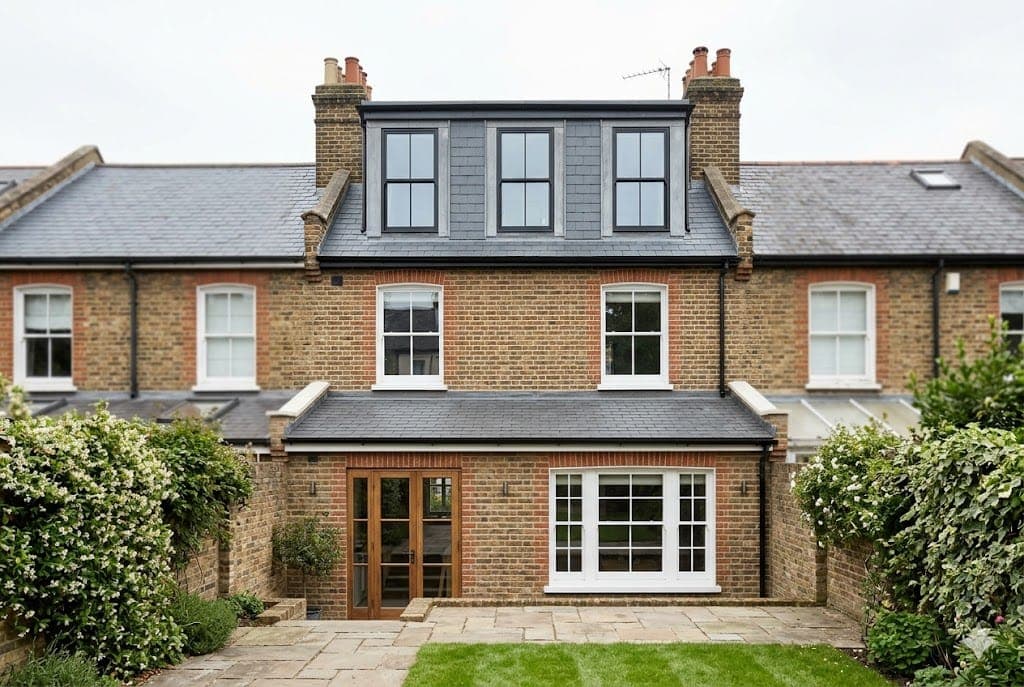
Recent Mansard Loft Conversions Projects
Mansard Loft Conversions across South East London
What Our Customers Say
“So happy with the work done by Les and Richard!! We bought a house that needed new paint, cracks filled, a new bathroom fan and some mold removal and they did it all. The quality of the work is phenomenal; it looks like a brand new house. We’ll definitely be hiring them for our future projects!”

Brenna Bodine
6 months ago
“We've had a media wall put in place with fireplace. Richard was very professional and everything that I had got addressed fast. The medial wall looks great, would def recommend them”

Raluca Andra
a month ago
“A totally outstanding experience from Richard and his team. Les did an absolutely amazing job of turning around the much needed re decoration of my apartment at the end of a long tenancy, pulling out all the stops to deliver a first class job on a tight timeframe. The Electrician assigned also turned things around quickly and again to a high standard. Extremely professional and I don’t hesitate to recommend or use again in the future.”

Charlie Watson
2 months ago
Accredited & Certified
Frequently Asked Questions
- Why does a mansard give more space than a dormer?
- A dormer adds a flat-roofed box to part of the existing slope, so you keep the original pitch and lose floor area to the sloping ceiling around the edges. A mansard rebuilds the whole rear slope as a wall set at around 70 degrees, close to vertical, with a shallow top. That brings the usable wall right out to the back of the house and gives full standing headroom across nearly the entire loft, not just a strip in the middle. On a Victorian terrace that is often the difference between one awkward room and a proper bedroom with an en-suite, or two rooms where a dormer would only manage one. It is the conversion I recommend when the roof is too shallow or too cramped for a dormer to give you the room you actually need.
- Do mansard loft conversions need planning permission?
- Yes, almost always. A mansard changes the shape and bulk of the roof, so it falls outside the permitted development rules that cover most rear dormers. That means a full planning application to your local authority rather than a quick check. The upside is that mansards are the roof form councils across South London tend to prefer, because the near-vertical rear wall reads as part of the original building rather than a box stuck on top. I handle the application from the start, including a pre-application enquiry with the planning officer where it helps, and I design the mansard to the council's own guidance so it goes in with the best chance of approval. We also apply for the formal decision or a Lawful Development Certificate so you hold written proof of consent for the future.
- Can I build a mansard in a conservation area?
- Often yes, and a mansard is frequently the roof form that conservation officers will accept where a standard dormer gets refused. Large parts of South London sit in conservation areas, including stretches of Dulwich, Blackheath and Charlton, and the council there guards the look of the street. A mansard works in that setting because the rear slope is rebuilt to match the original roof line and the brick and slate are matched to the existing house, so the alteration sits quietly behind the parapet rather than shouting from the back. The rules are stricter on anything visible from the street, so the design and the materials have to be right first time. I read the conservation area appraisal and the council's design guidance before drawing anything, then submit a scheme built to fit it.
- How does the party wall process work on a terrace?
- A mansard on a terraced or semi-detached house almost always engages the Party Wall etc. Act, because rebuilding the rear roof slope means working on or right up to the wall you share with a neighbour. The law requires you to serve written notice on the adjoining owners before the work starts, usually two months ahead. They can agree, or they can appoint a surveyor, in which case a party wall award is drawn up that records the condition of their property and sets out how the work proceeds. On a terrace you may have neighbours on both sides to notify. None of this stops the job, it just has to be done properly and in the right order. I build the notice period into the programme from the survey so the planning, the awards and the start on site line up rather than holding each other up.
- What does Building Regulations sign-off cover on a mansard?
- Building Regulations are separate from planning and deal with whether the conversion is safe and sound to live in. On a mansard that covers the structure carrying the new roof, usually steel beams spreading the load onto the party walls and the floor below, plus the fire escape route, the staircase, insulation in the new walls and roof, and the means of getting out in a fire from a loft storey. A loft bedroom changes the fire strategy for the whole house, so the staircase enclosure and the doors below often need upgrading too. We design to the regulations from the start and the work is inspected at the key stages, then signed off with a completion certificate. That certificate is what a solicitor asks for when you come to sell, so it matters as much as the room itself.
Related Services
Get a Free Mansard Loft Conversions Quote
Free site visit. No-obligation quote. We respond within 24 hours — usually the same day.
Book Free Consultation