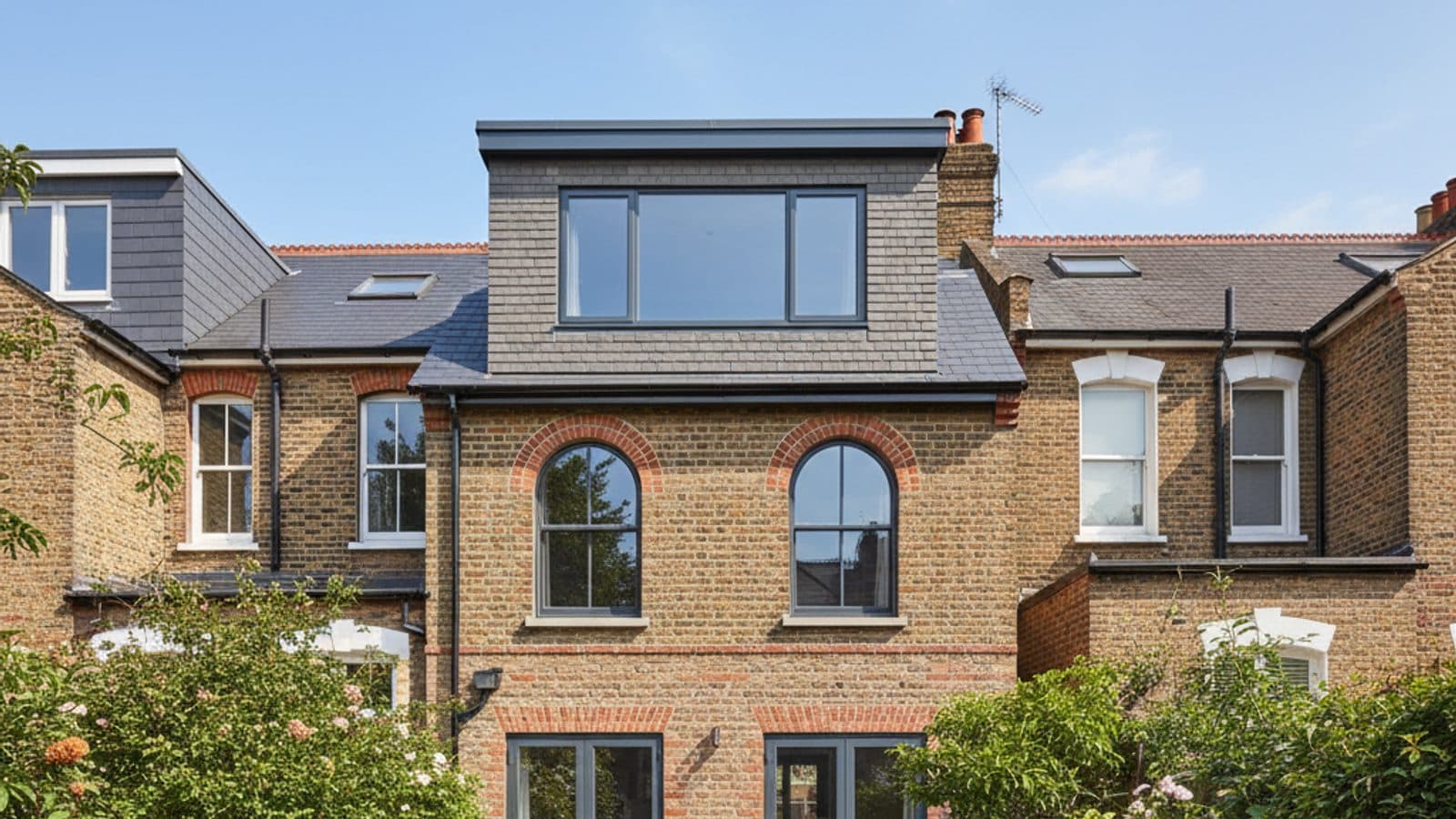
Dormer Loft Conversions in South London
We build rear and L-shaped dormer loft conversions on Victorian and Edwardian terraces across South London, adding full standing headroom and a proper top-floor room.
All Well Property Services provides professional dormer loft conversions across South East London. I price every project individually after a free site visit, so you get a clear written quote with a week-by-week programme rather than a calculator estimate. All projects include a fixed-price contract, single project manager, and full Building Control sign-off. Call 020 3920 9617 for a free consultation.
What We Offer
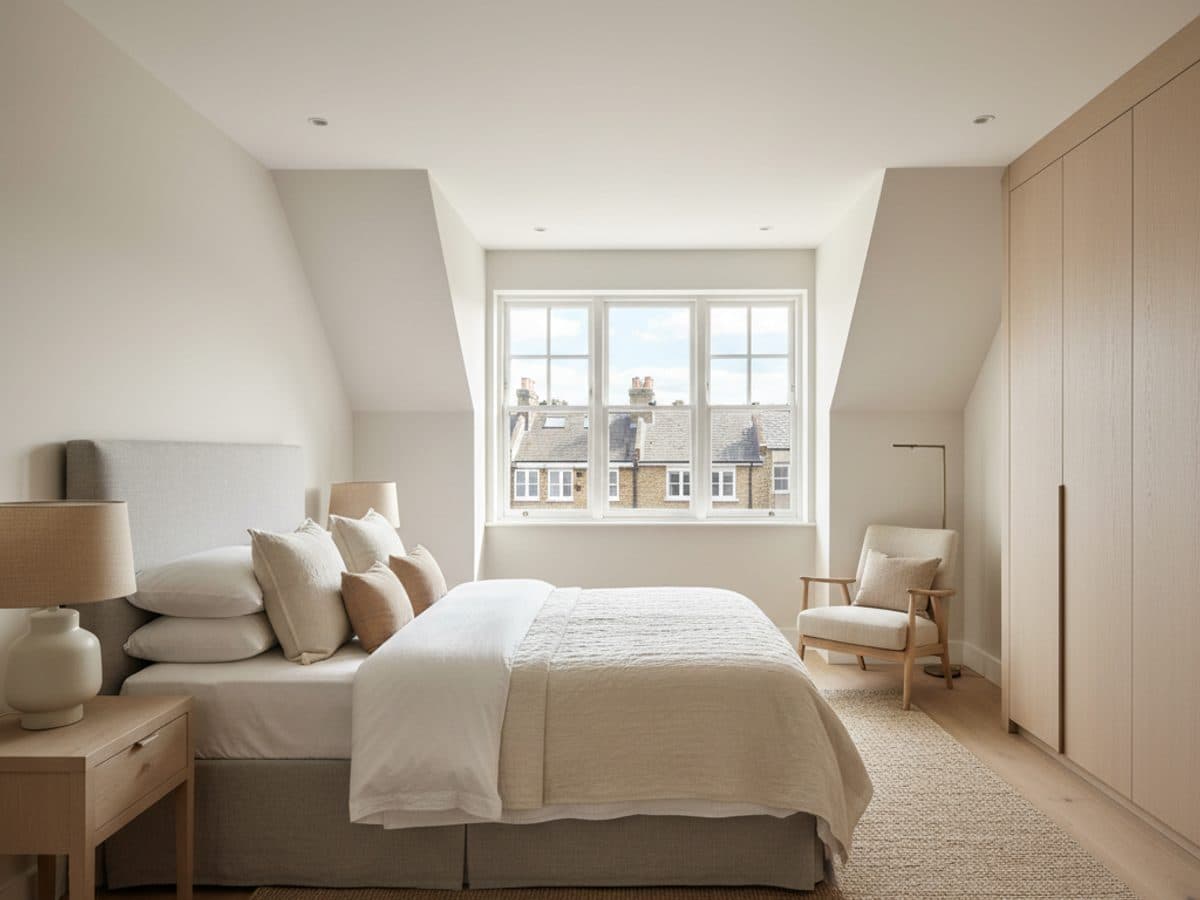
We build rear and L-shaped dormer loft conversions on Victorian and Edwardian terraces across South London, adding full standing headroom and a proper top-floor room. One team handles the dormer build, the staircase and Building Regulations sign-off.
- ✓Full standing headroom across most of the new floor
- ✓Rear dormer that leaves the front roofline untouched
- ✓L-shaped dormer option for wider Victorian terraces
- ✓Flat-roof or pitched dormer to suit the property
- ✓New staircase designed and built by the same team
- ✓En-suite fitted and certified in-house
- ✓Insulation and a fire-rated escape route to Building Regulations
- ✓Permitted development checks and a Lawful Development Certificate handled
- ✓Party wall notices prepared and served on your behalf
How I price dormer loft conversions
I quote every job after a free site visit. The price covers materials, labour and a realistic programme, all fixed in writing before we start. No hidden costs, no mid-job surprises.
Book a free site visitWhat Affects the Cost?
- •Roof structure and pitch of the existing roof
- •Floor area gained and whether the dormer runs L-shaped
- •Flat-roof or pitched dormer construction
- •En-suite addition and the soil pipe run down from the loft
- •Planning route, from permitted development to a full application
- •Party wall surveyor involvement where a neighbour dissents
Dormer loft conversions across South London
A dormer loft conversion is the build I am called out for most across South London, and it is the conversion that suits the housing stock here. The terraces that fill Crystal Palace, Forest Hill, Sydenham, Lewisham, Beckenham and Balham were built with steep roofs that are only usable down the centre line. A dormer takes that wasted slope and turns most of it into a proper room. Since 2020 I have built rear and L-shaped dormers on Victorian and Edwardian terraces in these postcodes, and I run every one myself from the first survey to handover. One team handles the structural design, the staircase and the Building Regulations sign-off, so you are not stitching together separate trades on the top of your house.
Rear dormer loft conversions
A rear dormer loft conversion builds a flat-roofed box out from the back slope of the roof. That box replaces the slope with a vertical wall and a flat ceiling, so you get full standing headroom across most of the new floor where the original roof cut the room in half. It is the standard conversion on a Victorian or Edwardian terrace because the work sits at the back, out of sight from the street, which keeps it inside permitted development and leaves the front roofline untouched. We open the roof, set the steels and timber structure, then close it back in so the room is weathertight before the inside is fitted out.
L-shaped dormer loft conversions
An L-shaped dormer loft conversion runs one dormer across the main rear slope and a second down the roof of the back addition, so the two meet in an L over the rear of the house. That extra leg is how you get the most floor out of a wider Victorian terrace, usually enough for a separate bedroom and a bathroom rather than one open room. It only works where the original back addition still has its own roof to build off, so I check that the moment I see the property. On the terraces around Dulwich, Catford and Honor Oak this is the conversion that turns a loft into a full master suite.
Flat-roof and pitched dormers
A flat-roof dormer is the standard rear dormer on South London terraces because it gives the most headroom and the largest flat ceiling for the floor area. A pitched dormer carries a small tiled roof of its own, which sits better on a period frontage or a conservation-area property but takes headroom off the edges of the room. On a rear slope nobody sees, the flat roof is almost always the right answer. Where the dormer is visible or the roofline demands it, the pitched dormer keeps the look right. I read the roof on the free site visit and tell you which shape your house takes.
Dormer conversions with an en-suite
A dormer loft conversion with an en-suite is the most requested version we build, because the dormer gives the standing headroom a bathroom needs. We plan the soil pipe run and any pump position at design stage, since routing waste down from the loft is the part that catches most builders out once the structure is up. On an L-shaped dormer the en-suite usually sits in the extra leg over the back addition, leaving the main dormer for the bedroom. The same team that builds the loft fits and certifies the bathroom, so there is no handover gap and no second contractor to chase across the top of your house.
Planning, party wall and Building Regulations for a dormer
A dormer adds a habitable floor at the top of the house, so it carries strict regulations and a legal duty towards your neighbours. I check the planning route, the party wall position and the Building Control path at the survey, before anyone touches the roof. None of this is optional, and getting it wrong is what makes a conversion fail at inspection or stall on a dispute.
Permitted development volume limits
Most rear dormers fall under permitted development, which allows up to 40 cubic metres of added roof volume on a terraced house and 50 cubic metres on a semi or detached. The dormer must sit back from the eaves, must not rise above the existing ridge, and must use materials that match the house. Conservation areas across South London strip some of those rights back, so a rear dormer may still be permitted while a side-facing one needs consent. I apply for a Lawful Development Certificate so you hold written proof from the council that the dormer was lawful, which matters the day you come to sell.
Party wall agreements with neighbours
Because a dormer cuts steels and joists into or near the shared wall, it falls under the Party Wall etc. Act 1996 on almost every terrace and semi in South London. You serve a formal notice on the adjoining owner at least two months before structural work starts. If they consent in writing within fourteen days the process costs nothing further. If they dissent or do not reply, both sides appoint a surveyor, or a single agreed surveyor, to draw up a party wall award recording the condition of both properties. I prepare and serve the notices and can recommend RICS-accredited surveyors local to your borough.
Building Regulations sign-off
Building Control signs off a dormer in stages: the structural calculations for the new floor and steels, the fire safety provisions, the insulation in the new walls and roof, and the staircase. Part B requires a protected escape route from the loft down to the front door, which means fire-rated doors to FD30 on the rooms along the route and mains-wired interlinked smoke alarms on every floor. The new dormer walls and flat roof are insulated to meet current thermal standards. Our Building Control inspector signs each stage off, and you receive the completion certificate at handover.
How we deliver your dormer loft conversion
One project manager runs your dormer conversion from the survey to handover, and I keep the trades in the right order so the job does not stall with the roof open. The roof is the exposed phase, so the programme is built around the weather and the property is protected throughout. The specification is set before we start, and the price follows it.
The open-roof phase and weather protection
Opening the rear roof is the moment a dormer conversion is most exposed, so we plan it as a tight, scaffolded sequence rather than leaving the structure open day after day. We do not open a roof up in heavy rain, so the programme assumes some days will be unworkable for roof-opening work and builds that in. Temporary scaffold covers and tarpaulins protect the loft and the rooms below through the open phase, and we aim to get the dormer structure framed, decked and felted so the room is weathertight before the fit-out starts.
One team from structure to finish
The same team builds the dormer, installs the staircase, runs the first-fix electrics and plumbing, insulates, plasterboards and finishes the room, including any en-suite. That single line of responsibility is the difference between a clean conversion and one that stops halfway while you chase a separate trade. I coordinate the structural engineer, the party wall paperwork and the Building Control inspections so each one lands when the build needs it, not weeks late.
Credentials and accreditations
All Well Property Services operates from Unit 1 Limes Avenue, Anerley, London SE20 8QR, and is registered at Companies House under number 12721034. All Well Property Services is NICEIC approved, FENSA registered, CHAS accredited and Gas Safe registered, and carries Public Liability insurance to £5 million. The company has worked on period homes across South East and South West London since 2020, with 57 verified Google reviews averaging 4.9 out of 5 stars.
Free tools for planning your project
No email required. Get instant estimates and planning answers before you book a consultation.
Best Month
See historic rainfall and temperature for your postcode every month, plus the best window for external work. Live data from the Open-Meteo archive (Met Office and ECMWF).
Listed Check
Check whether your property is a listed building or sits inside a conservation area, and what that means for renovation work. Live data from Planning.data.gov.uk and Historic England.
Planning Risk
Traffic-light check of every planning restriction at your postcode: listed buildings, conservation areas, Article 4 directions, Tree Preservation Orders, flood zones. Live data from Planning.data.gov.uk.
EPC Upgrade
Find your home's current EPC rating and see what it would cost to upgrade to a B. Uses live data from the EPC Open Data register.
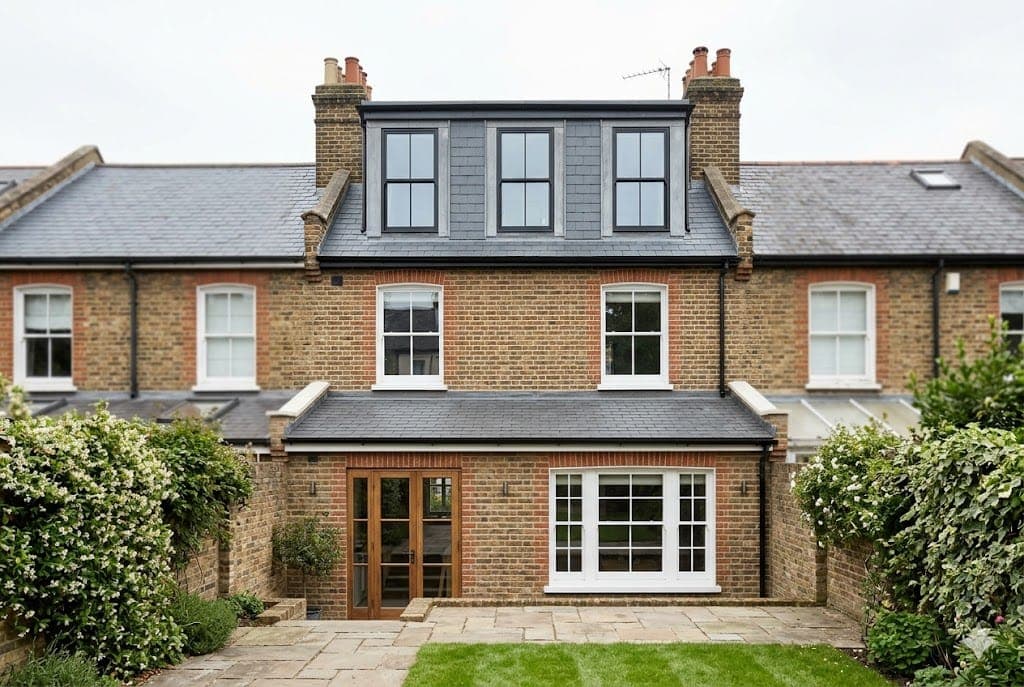
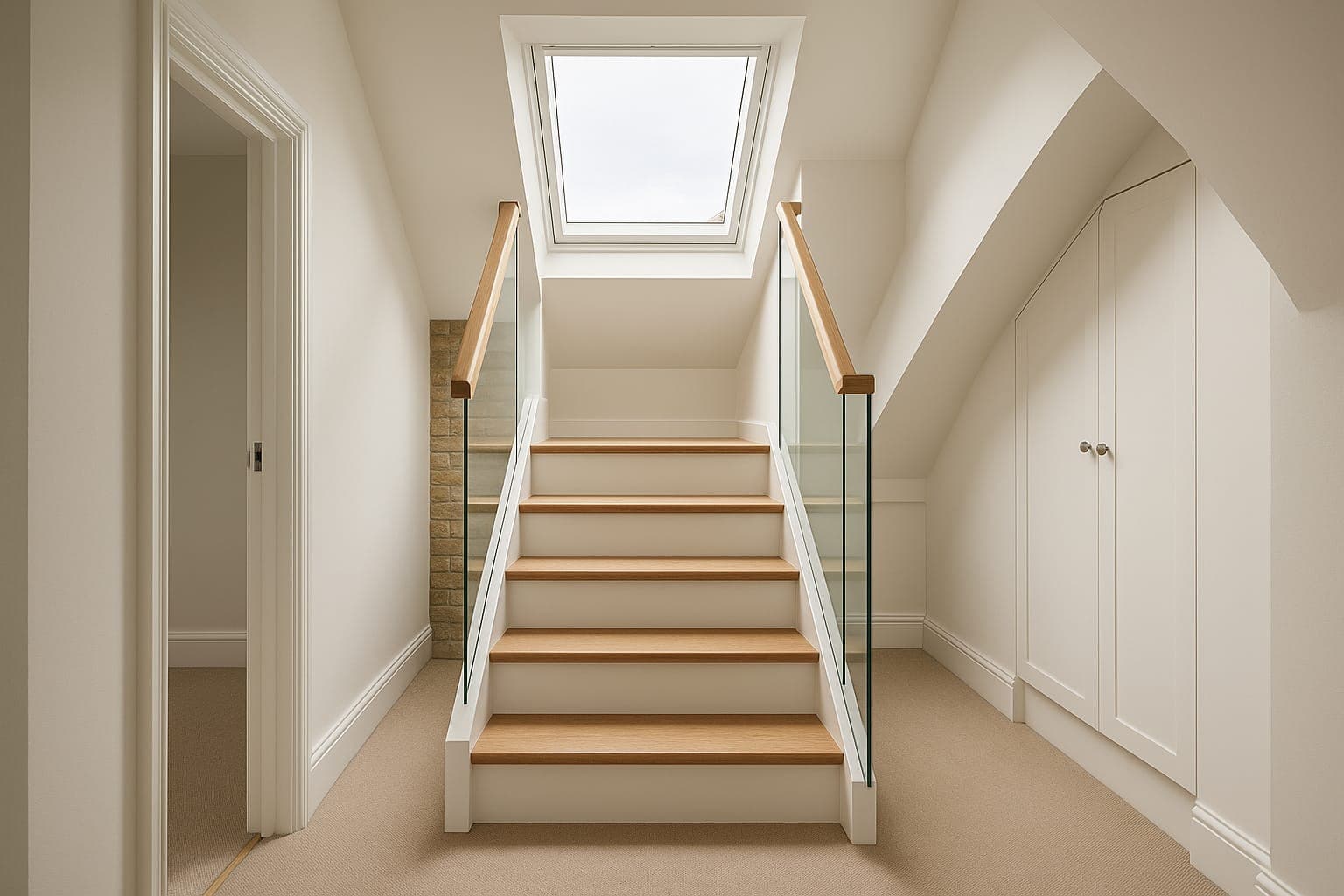
Recent Dormer Loft Conversions Projects
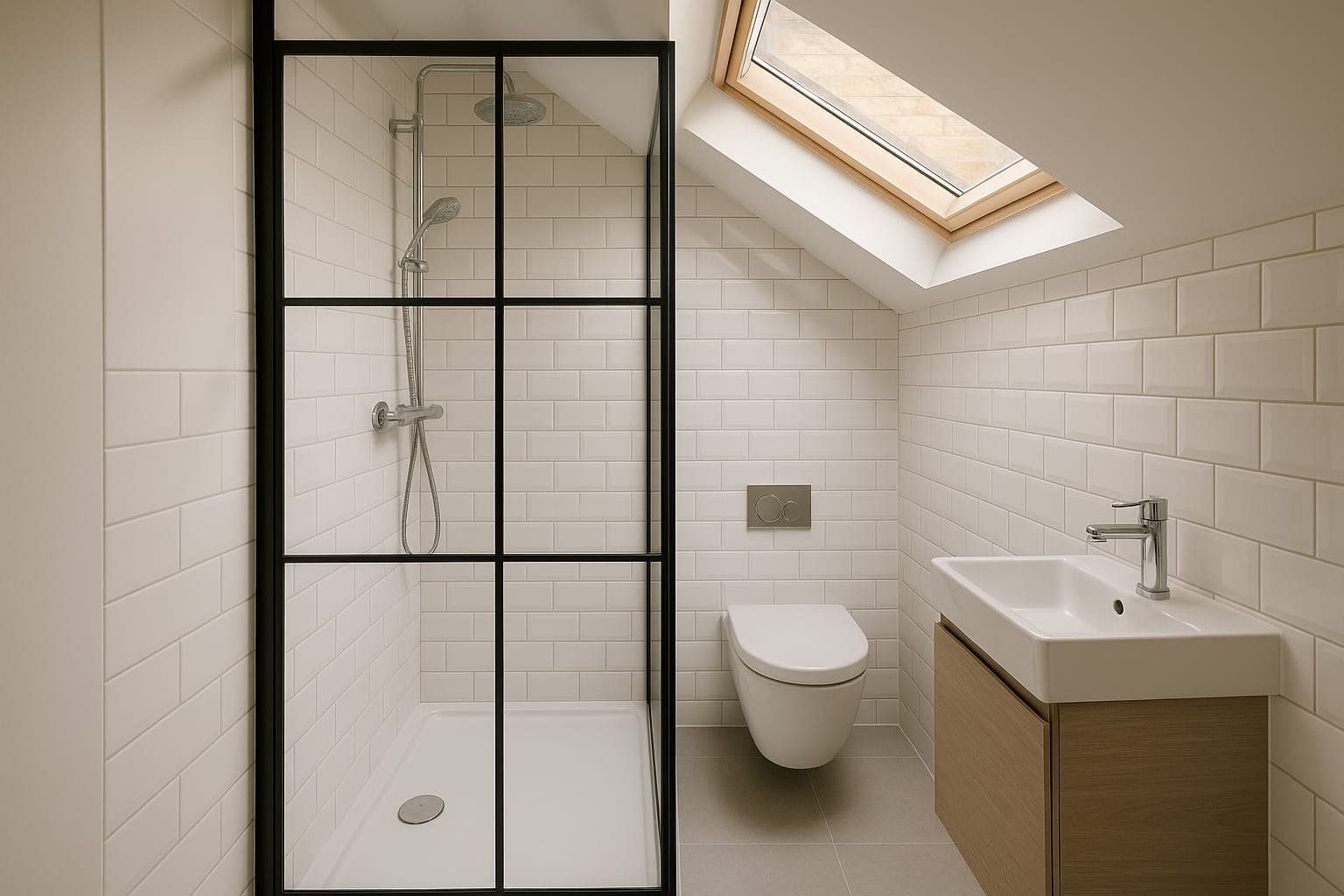
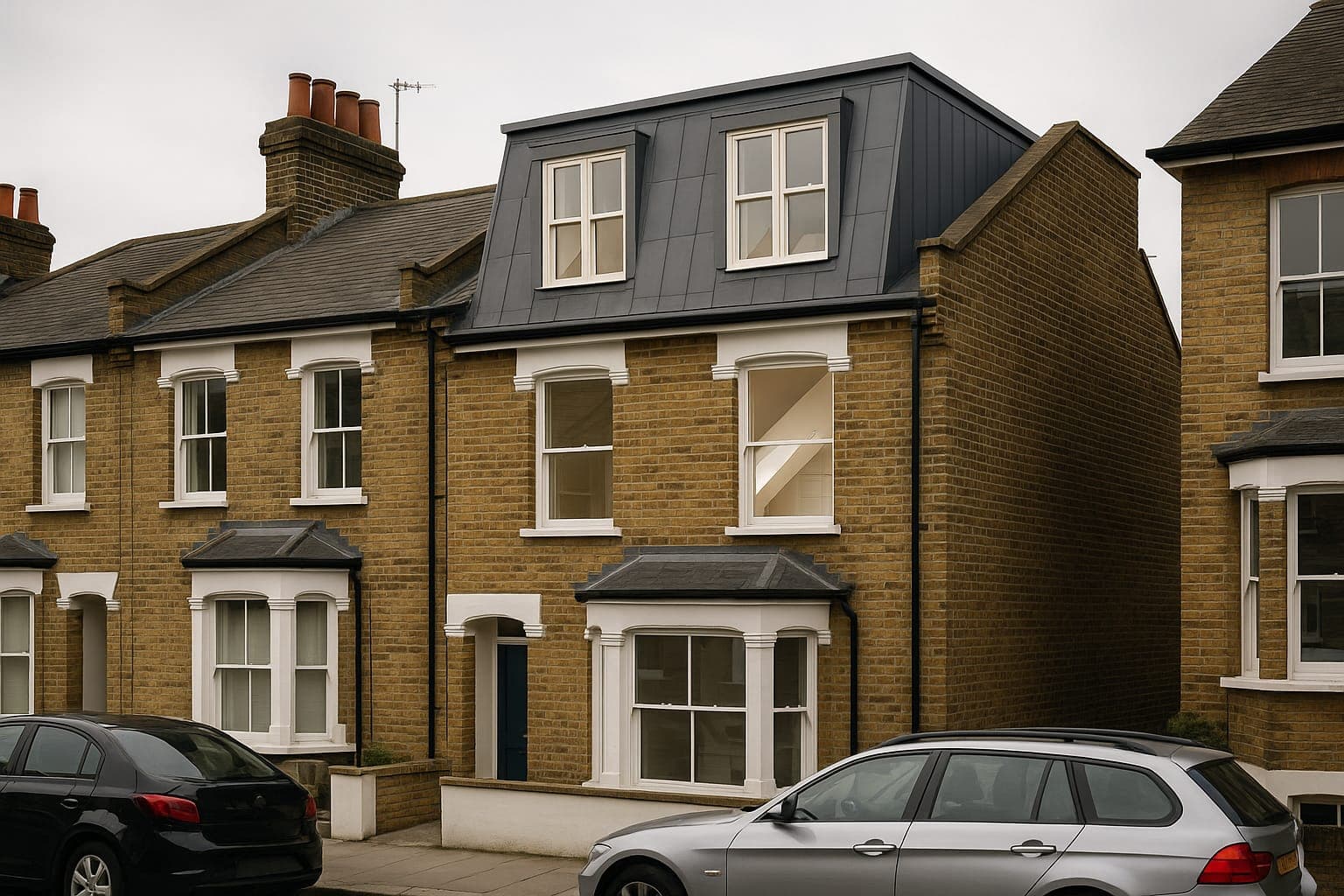
Dormer Loft Conversions across South East London
What Our Customers Say
“So happy with the work done by Les and Richard!! We bought a house that needed new paint, cracks filled, a new bathroom fan and some mold removal and they did it all. The quality of the work is phenomenal; it looks like a brand new house. We’ll definitely be hiring them for our future projects!”

Brenna Bodine
6 months ago
“We've had a media wall put in place with fireplace. Richard was very professional and everything that I had got addressed fast. The medial wall looks great, would def recommend them”

Raluca Andra
a month ago
“A totally outstanding experience from Richard and his team. Les did an absolutely amazing job of turning around the much needed re decoration of my apartment at the end of a long tenancy, pulling out all the stops to deliver a first class job on a tight timeframe. The Electrician assigned also turned things around quickly and again to a high standard. Extremely professional and I don’t hesitate to recommend or use again in the future.”

Charlie Watson
2 months ago
Accredited & Certified
Frequently Asked Questions
- How much extra room does a dormer loft conversion actually add?
- A dormer adds usable floor, not just loft space. The original roof on a terrace slopes in from both sides, so the only part you can stand up in runs down the middle near the ridge. A rear dormer pushes the back wall out to vertical and puts a flat ceiling above it, which gives full standing headroom across most of the new floor instead of a narrow strip. On a typical Victorian terrace that turns an unusable attic into a double bedroom. An L-shaped dormer that also runs down the back addition usually gives enough for a bedroom and a separate en-suite. I measure head height on the free site visit. You need a minimum of about 2.2 metres from joist to ridge for the loft to work as a habitable room, and I tell you on that first visit what the floor will give you once the dormer is on.
- What is the difference between a flat-roof and a pitched dormer?
- A flat-roof dormer has a single low-pitch roof running back to the main slope, and it is the standard rear dormer we build on South London terraces because it gives the most internal headroom and the largest flat ceiling for the floor area. A pitched dormer carries a small tiled roof of its own, usually a gable or hipped shape, which sits more sympathetically on a period frontage but takes headroom off the edges and costs more to build. On a rear slope that nobody sees from the street, a flat-roof dormer is almost always the right call. Where a dormer would be visible on a conservation-area property, or where the roofline calls for it, a pitched dormer keeps the look right. I look at the roof and the planning position on the survey and tell you which one suits your house rather than defaulting to one shape.
- Does a dormer loft conversion need planning permission?
- Most rear dormers on a terrace fall under permitted development and need no planning application, provided the added roof volume stays within 40 cubic metres on a terraced house or 50 cubic metres on a semi or detached. The dormer must sit back from the eaves, must not rise above the existing ridge, and front-facing dormers are not allowed under permitted development. Conservation areas in parts of South London remove some of those rights, so a rear dormer may still be permitted while anything visible from the street needs consent. Building under permitted development is not the same as having no paperwork. I apply for a Lawful Development Certificate so you hold written proof from the council that the dormer was lawful, which matters when you sell. I run the planning checks, any pre-application enquiry and the certificate as part of the job.
- Will I need a party wall agreement for a dormer on a terrace?
- On a terraced or semi-detached house, almost always. A dormer conversion involves cutting steels and joists into or near the wall you share with the neighbour, so it falls under the Party Wall etc. Act 1996. You have to serve a formal party wall notice on the adjoining owner at least two months before structural work starts. If they agree in writing within fourteen days, nothing further is needed. If they dissent or do not reply, both sides appoint a surveyor, or agree on a single surveyor, to draw up a party wall award that records the condition of both properties before work begins. I prepare and serve the notices for you and can recommend RICS-accredited party wall surveyors local to your borough, so the legal side is handled in step with the build programme rather than holding it up.
- Can I fit an en-suite into a dormer loft conversion?
- Yes, and it is the most requested addition we make to a dormer. The dormer gives the standing headroom an en-suite needs, so the bathroom usually sits under the flat dormer ceiling rather than the slope. The part that catches most builders out is the waste. Routing the soil pipe down from the top of the house has to be planned at design stage, because boxing it in afterwards is ugly and sometimes does not work at all, so we set the pipe run and any pump position before the structure goes up. On an L-shaped dormer the extra leg over the back addition is often where the en-suite goes, leaving the main dormer for the bedroom. The same team that builds the loft fits and certifies the en-suite, so there is no gap between trades and no second contractor to chase.
Related Services
Get a Free Dormer Loft Conversions Quote
Free site visit. No-obligation quote. We respond within 24 hours — usually the same day.
Book Free Consultation