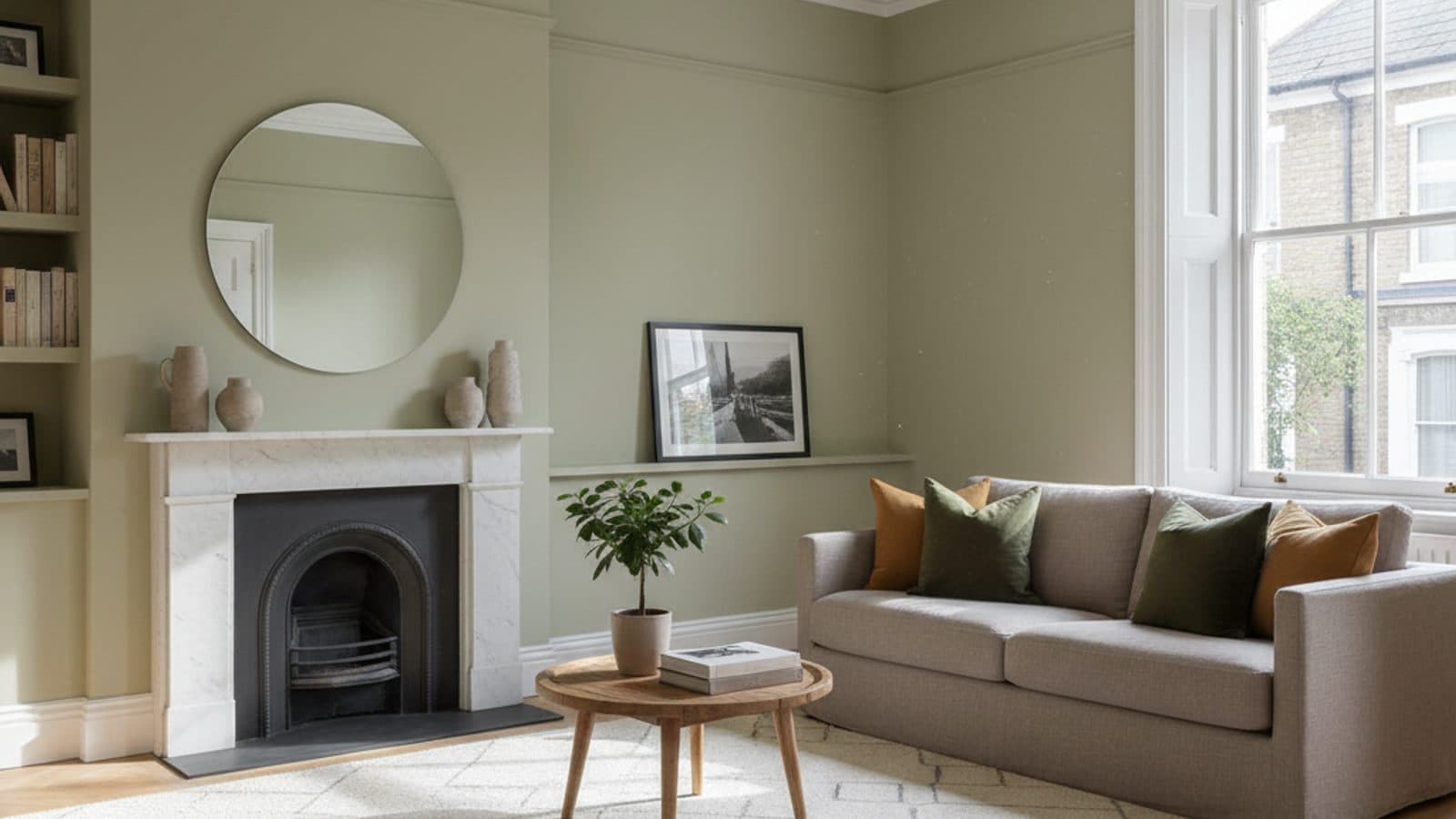
Interior Painters in South London
Interior painting and decorating across South London, from a single room to a full house.
All Well Property Services provides professional interior painting & decorating across South East London. I price every project individually after a free site visit, so you get a clear written quote with a week-by-week programme rather than a calculator estimate. All projects include a fixed-price contract, single project manager, and full Building Control sign-off. Call 020 3920 9617 for a free consultation.
What We Offer
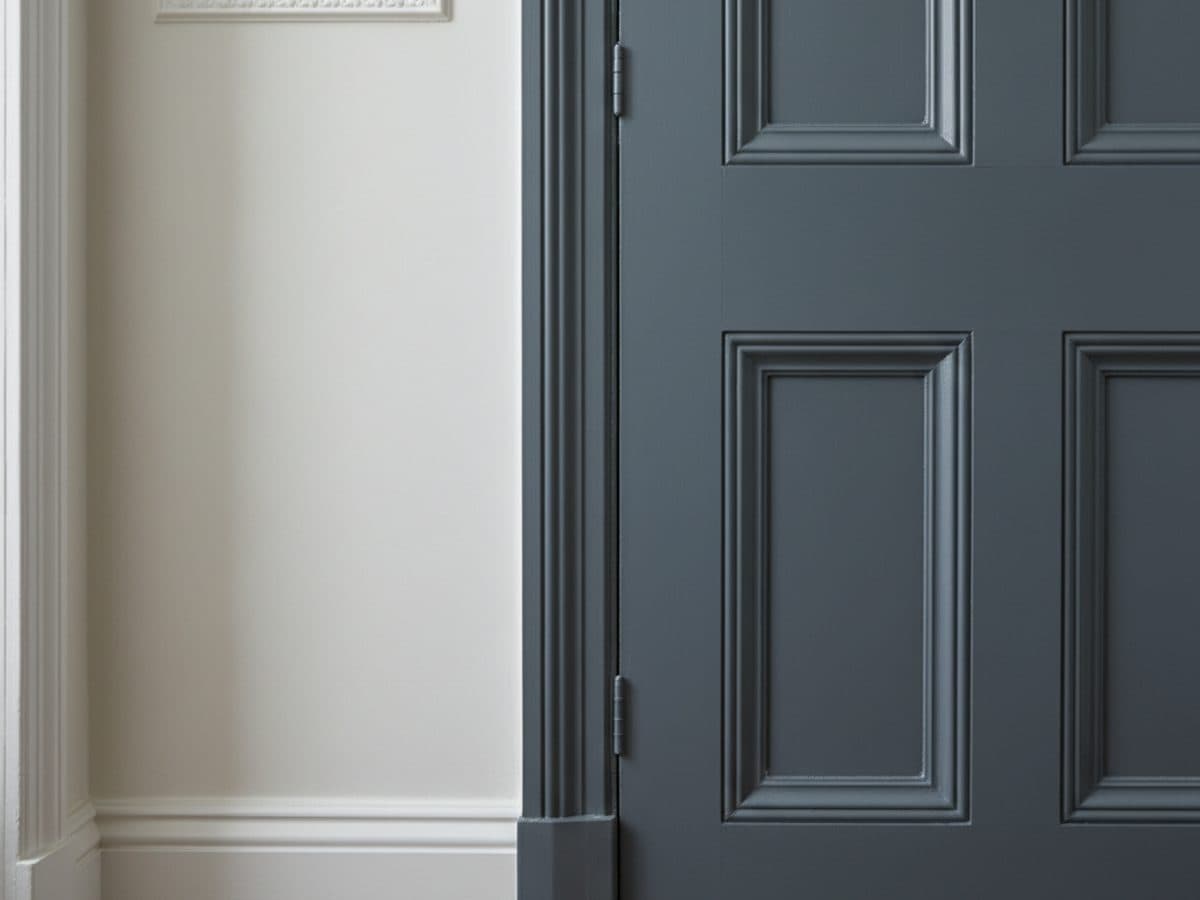
Interior painting and decorating across South London, from a single room to a full house. We fill, sand and prime first, then put Dulux Trade on walls and woodwork as standard, with Farrow & Ball and Little Greene as upgrades. Period homes a speciality since 2020.
- ✓Single-room repaints through to full-house decoration
- ✓Filling and sanding before any topcoat goes on
- ✓Dulux Trade Diamond Matt on walls as standard
- ✓Satinwood on skirting, architrave and doors
- ✓Farrow & Ball and Little Greene as an upgrade
- ✓Moisture-resistant paint for kitchens and bathrooms
- ✓Mist coat on fresh plaster before the finish coats
- ✓Ceilings, coving and period cornice
- ✓Dust sheets down, furniture protected, and the room cleared each evening
How I price interior painting
I quote every job after a free site visit. The price covers materials, labour and a realistic programme, all fixed in writing before we start. No hidden costs, no mid-job surprises.
Book a free site visitWhat Affects the Cost?
- •Level of preparation needed, from sound walls to cracked plaster, old flaking gloss or wallpaper that has to come off
- •Amount of woodwork: skirting, architrave and doors add hours of cutting in, and a staircase adds more
- •Whether walls need lining paper, or fresh plaster needs a mist coat first
- •Paint chosen: Dulux Trade as standard, or a Farrow & Ball or Little Greene upgrade
- •Number of colours and finishes, and whether ceilings are included
- •Room use, since a bathroom or kitchen needs a moisture-resistant specification
Interior painters across South London
Interior painting and decorating is the work I am asked for most, and it is the work where corners get cut most often, because the prep is invisible once the topcoat is on. We do the slow part. Since 2020 I have repainted single rooms, whole flats and full houses across the SE and SW postcodes, and I am on site for the filling and sanding, not just the quote. A tired room with marked walls and yellowing gloss drags the whole house down. A room prepared properly and finished in two clean coats lifts it, and stays looking that way for years rather than weeks.
Single rooms through to full-house decoration
Interior painting covers everything from one bedroom to a whole house being decorated before you move in. A single room is the most common call, usually a living room or a bedroom that needs freshening. On a full-house repaint we work room by room to a running order so you keep a kitchen and a bathroom in use throughout, and we keep one team across the lot so the white on the skirting matches from the hall to the back bedroom. An empty house between tenants or before a move is the easiest of all, because we can work fast without disruption.
The preparation that makes it last
Interior decorating that lasts comes down to what happens before the topcoat. We fill cracks and dents, sand the walls and old woodwork flat, prime bare plaster, patches and any stains so they do not bleed through, then degrease and key glossy paint so the new coat grips. Where walls are cracked or uneven we hang lining paper to give a sound, flat surface. Only then does the paint go on. Skip this and the finish marks, flakes or shows every imperfection under the first low evening sun, which is how most fast, cheap jobs give themselves away.
Walls and woodwork on our standard paint
Interior painting on our standard specification means Dulux Trade Diamond Matt on the walls and ceilings, a washable, hard-wearing emulsion that takes knocks and wipes clean, and Dulux Trade Satinwood on skirting, architrave, doors and other woodwork for a tough finish that does not yellow like old gloss. Trade paint covers in fewer coats and wears far better than retail tins, which is why we use it as the baseline rather than the upgrade. Two finish coats on the walls, a full undercoat and topcoat on the woodwork, all cut in sharp by hand.
Farrow & Ball and Little Greene upgrades
Interior decorating with a Farrow & Ball or Little Greene colour gives a deeper, flatter, more pigmented finish than trade emulsion, and we hang these for clients who want a specific heritage shade or a richer wall. We price the paint into the fixed quote so there is no surprise at the till, and we flag that these finishes can need an extra coat to cover evenly, particularly the strong, dark colours. On the site visit I will say honestly which rooms gain from the upgrade and which are fine on our standard trade spec.
Kitchens, bathrooms and damp-prone rooms
Interior painting in a kitchen or bathroom is a different job, because steam, condensation and splashes sit on the walls and ceiling all day. Standard emulsion flakes and grows mould in those conditions, so we use a moisture-resistant, mould-inhibiting paint that copes with the damp and wipes down. Where a room has a history of black mould in the corners we treat the affected area first rather than painting over it, and if the cause is something structural we say so on the survey rather than hiding it behind a coat of paint.
Standards, process and our credentials
An interior repaint is only as good as the preparation underneath it and the running of the job around your home. We do the slow part, protect the rooms we are not painting, and leave the place clean each evening.
Fresh plaster, lining paper and the right order of work
New plaster gets a mist coat first, watered-down emulsion brushed in to seal the porous surface, and we let it dry fully before the finish coats so it bonds rather than peels. Walls that are cracked or uneven get lining paper rather than coat after coat of filler. Woodwork is sanded and undercoated before the satinwood goes on. The order matters: ceilings, then walls, then woodwork, so any spray or splash lands on a surface still to be painted rather than a finished one. Getting the sequence right is half of why a finish looks clean.
Clean working in an occupied home
Most of our interior work happens while you are still living in the house, so we plan it room by room, put dust sheets down, cover and move furniture, mask the floors and fittings, and clear up at the end of every day so the space is usable overnight. Filling and sanding makes dust, and we contain it to the room in hand with the doors shut to the rest of the house. Your project manager confirms which rooms are out of action each day and works the programme around a nursery or a home office that needs to stay clear.
Fixed-price quote and our accreditations
After a free site visit we issue a fixed-price quote covering the preparation, the lining or mist coat where needed, the paint system and the woodwork, so the figure reflects the real state of the walls rather than a guess from the doorway. The price does not change unless you change the colour or the specification. All Well Property Services operates from Unit 1 Limes Avenue, Anerley, London SE20 8QR. The company holds CHAS accreditation and FENSA registration, carries Public Liability insurance to £5 million, and is registered at Companies House under number 12721034, with 57 verified Google reviews averaging 4.9 out of 5 stars.
Free tools for planning your project
No email required. Get instant estimates and planning answers before you book a consultation.
Best Month
See historic rainfall and temperature for your postcode every month, plus the best window for external work. Live data from the Open-Meteo archive (Met Office and ECMWF).
Listed Check
Check whether your property is a listed building or sits inside a conservation area, and what that means for renovation work. Live data from Planning.data.gov.uk and Historic England.
Planning Risk
Traffic-light check of every planning restriction at your postcode: listed buildings, conservation areas, Article 4 directions, Tree Preservation Orders, flood zones. Live data from Planning.data.gov.uk.
EPC Upgrade
Find your home's current EPC rating and see what it would cost to upgrade to a B. Uses live data from the EPC Open Data register.
Recent Interior Painting Projects
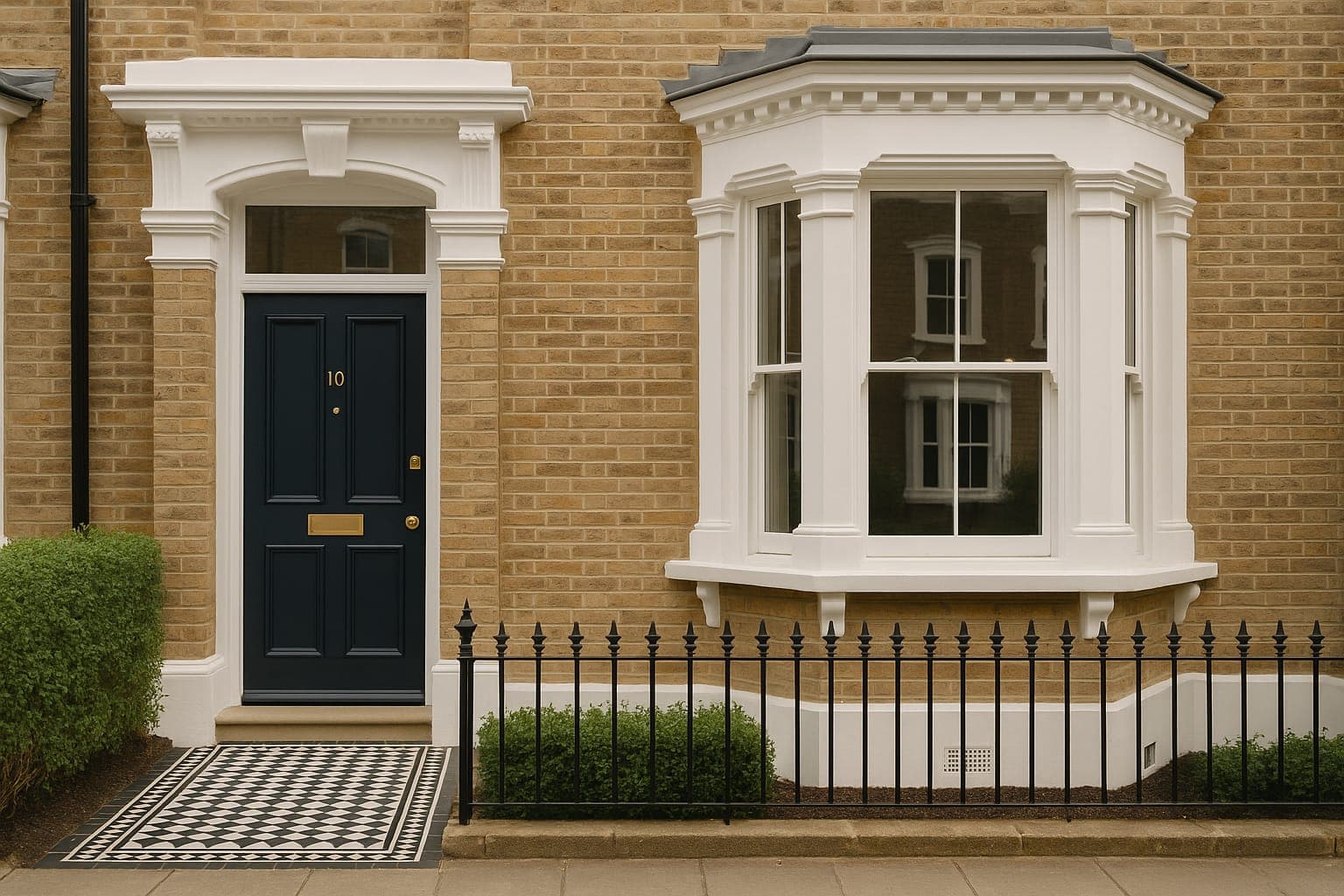
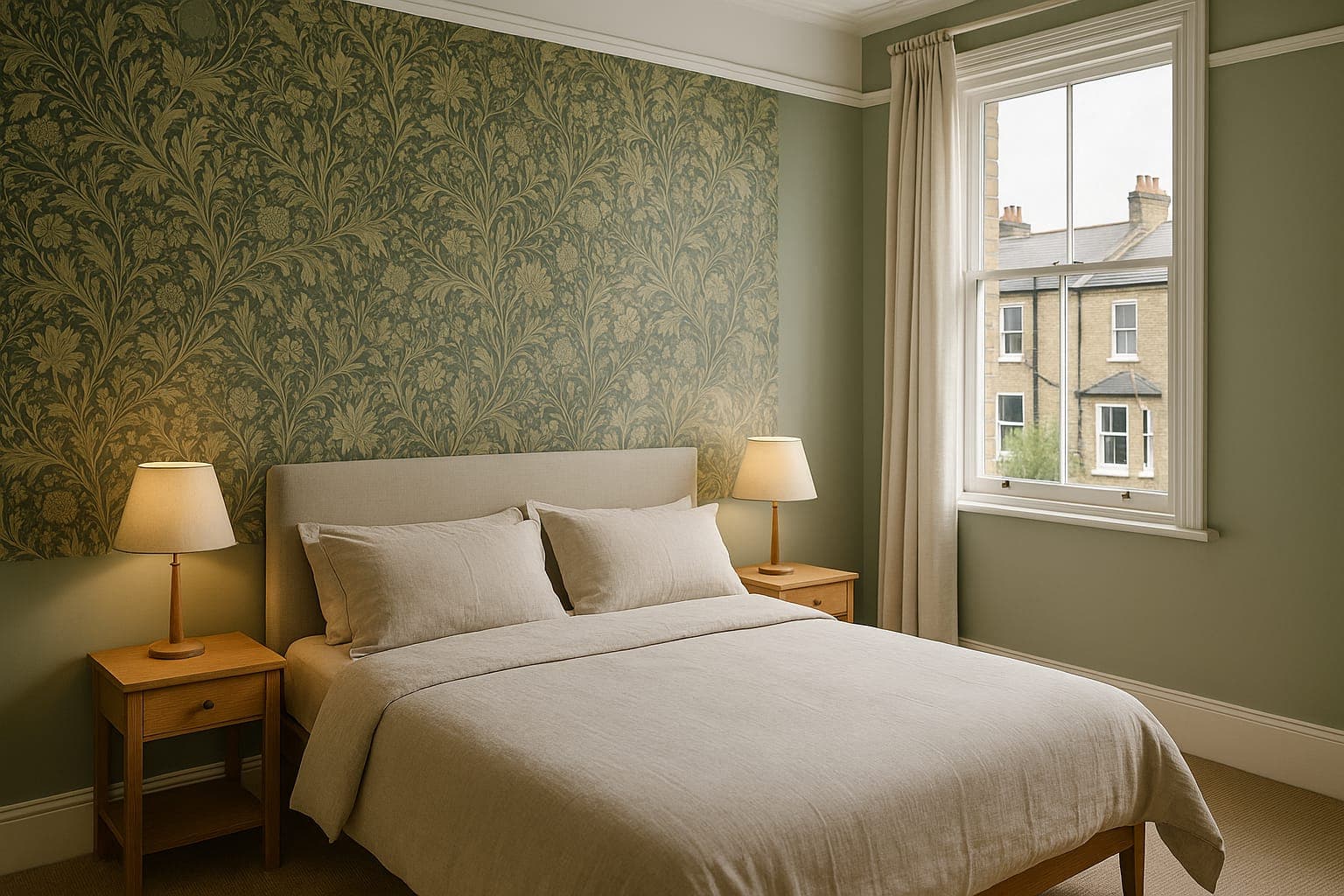
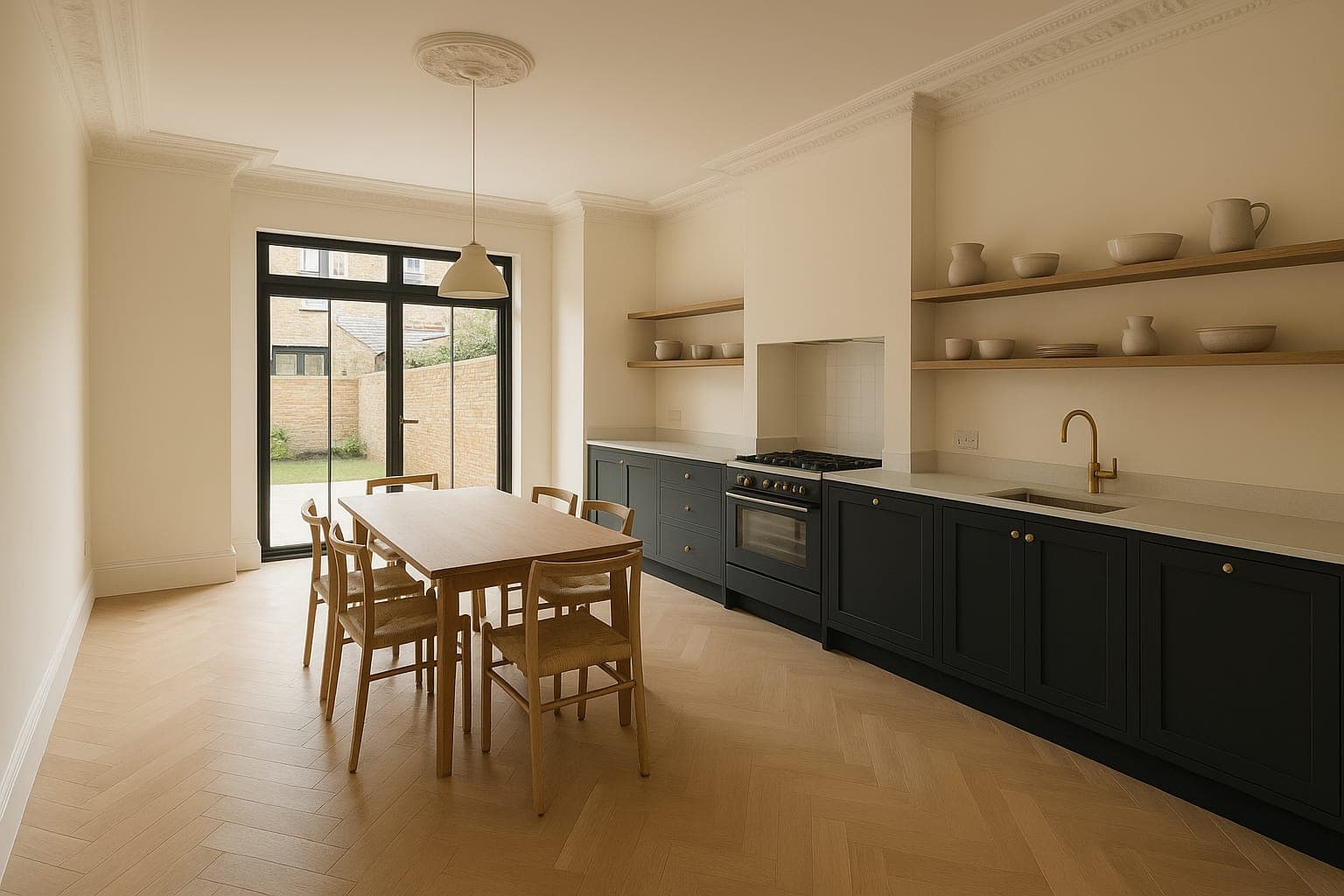
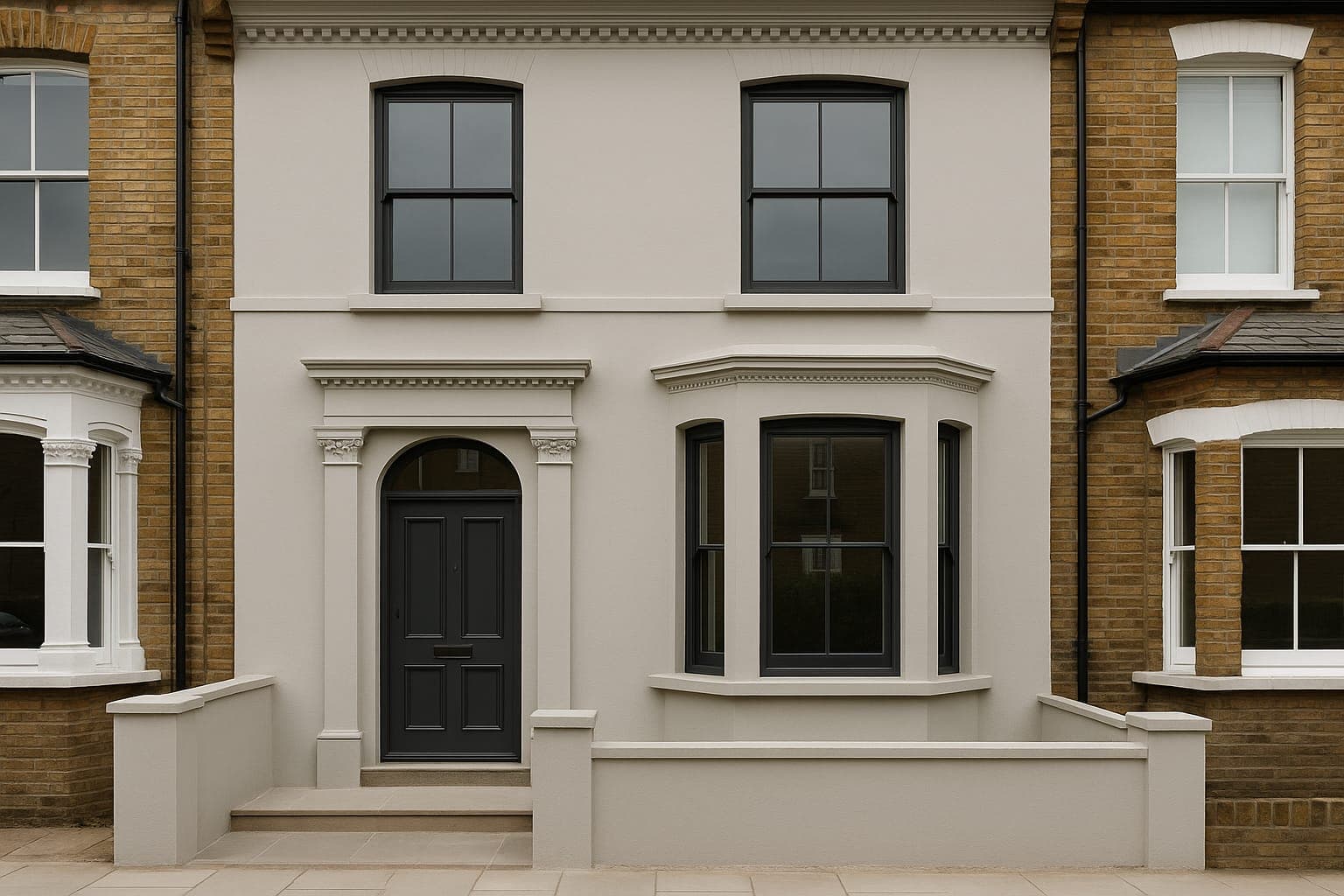
Interior Painting & Decorating across South East London
What Our Customers Say
“So happy with the work done by Les and Richard!! We bought a house that needed new paint, cracks filled, a new bathroom fan and some mold removal and they did it all. The quality of the work is phenomenal; it looks like a brand new house. We’ll definitely be hiring them for our future projects!”

Brenna Bodine
6 months ago
“We've had a media wall put in place with fireplace. Richard was very professional and everything that I had got addressed fast. The medial wall looks great, would def recommend them”

Raluca Andra
a month ago
“A totally outstanding experience from Richard and his team. Les did an absolutely amazing job of turning around the much needed re decoration of my apartment at the end of a long tenancy, pulling out all the stops to deliver a first class job on a tight timeframe. The Electrician assigned also turned things around quickly and again to a high standard. Extremely professional and I don’t hesitate to recommend or use again in the future.”

Charlie Watson
2 months ago
Accredited & Certified
Frequently Asked Questions
- How long does an interior repaint last?
- On a properly prepared interior, walls hold their finish for the best part of a decade, and woodwork that bit longer. The figure that matters is not the paint, it is what went on underneath it. Most interior jobs that look tired within a year or two were rushed at the prep stage. Someone rolled emulsion over hairline cracks, dusty walls or old flaking gloss without filling, sanding or priming first, so the new coat had nothing sound to hold. We fill and sand the walls flat, prime any bare or patched areas, and key glossy woodwork back before recoating. On walls we use Dulux Trade Diamond Matt, which scrubs clean and takes knocks far better than standard emulsion, so it stays looking fresh in a busy hallway or a child's bedroom rather than marking the first time something brushes past it.
- Why does fresh plaster need a mist coat?
- New plaster is porous and slightly alkaline, so if you put normal emulsion straight onto it the wall drinks the moisture out of the paint too fast and the coat will not bond. It dries patchy and can peel away in sheets later. A mist coat is the first job on any freshly plastered wall: watered-down emulsion, brushed and rolled in so it soaks into the surface and seals it. Once that has dried we put the full finish coats on top, and they grip properly. We always let new plaster dry out fully first, which can take a few weeks depending on the room and the time of year. Painting plaster before it has cured is one of the most common reasons a repaint fails, so we will not rush it.
- What paint do you use on walls, woodwork, kitchens and bathrooms?
- Our standard interior specification is Dulux Trade Diamond Matt on walls and ceilings, which is a tougher, more washable emulsion than the retail tins, and Dulux Trade Satinwood on skirting, architrave, doors and other woodwork for a hard-wearing finish that wipes clean. If you want a particular colour or a deeper, flatter look, we upgrade to Farrow & Ball or Little Greene and price it into the quote. Kitchens and bathrooms get a different treatment because steam and splashes sit on the walls, so we use a moisture-resistant, mould-inhibiting paint there. The finish then copes with the damp instead of flaking or growing mould in the corners. On the site visit I will tell you which spec suits each room rather than painting the whole house in one product.
- Can you paint while we are living in the house?
- Yes. Most of our interior work is done in occupied homes and we plan it room by room so you are never living on a building site. We put dust sheets down, move and cover furniture, mask off the floors and fittings, and clear up at the end of each day so the space is usable again overnight. Filling and sanding makes dust, so we contain it to the room we are working in and keep the doors shut to the rest of the house. We agree the running order at the start, usually keeping a kitchen and a bathroom in use throughout a full-house job, and your project manager confirms which rooms are out of action each day. If a room needs to stay clear, such as a nursery or a home office, we work the programme around it.
- Do you paint period features like cornice, picture rails and panelled doors?
- Yes, and on a Victorian or Edwardian house the detail is where an interior repaint is made or lost. Decorative cornice, picture rails and panelled doors all need cutting in by hand, and on a house of that age they often carry many layers of old paint that have clogged the detail. We rub down and fill where the line has been lost, ease open any seized sash windows, and cut sharp edges between the wall colour and the woodwork rather than leaving a wavy line. On original panelled doors we sand back, fill the dents, then brush a proper undercoat and satinwood topcoat so the panels read cleanly. Where old paint is thick and crazed we cut it back to a sound surface before recoating, because painting over a flaking layer just moves the problem along.
Related Services
Get a Free Interior Painting Quote
Free site visit. No-obligation quote. We respond within 24 hours — usually the same day.
Book Free Consultation