Why Every Home Needs a Maintenance Plan — Especially in London
Your home is probably one of your biggest investments. Without a real maintenance plan, small problems can snowball into expensive disasters.
A structured maintenance plan saves London homeowners up to 30% in overall repair costs by catching issues before they become major problems. Whether you own a Victorian terrace or a modern flat, regular upkeep protects your property’s value and your family’s safety.
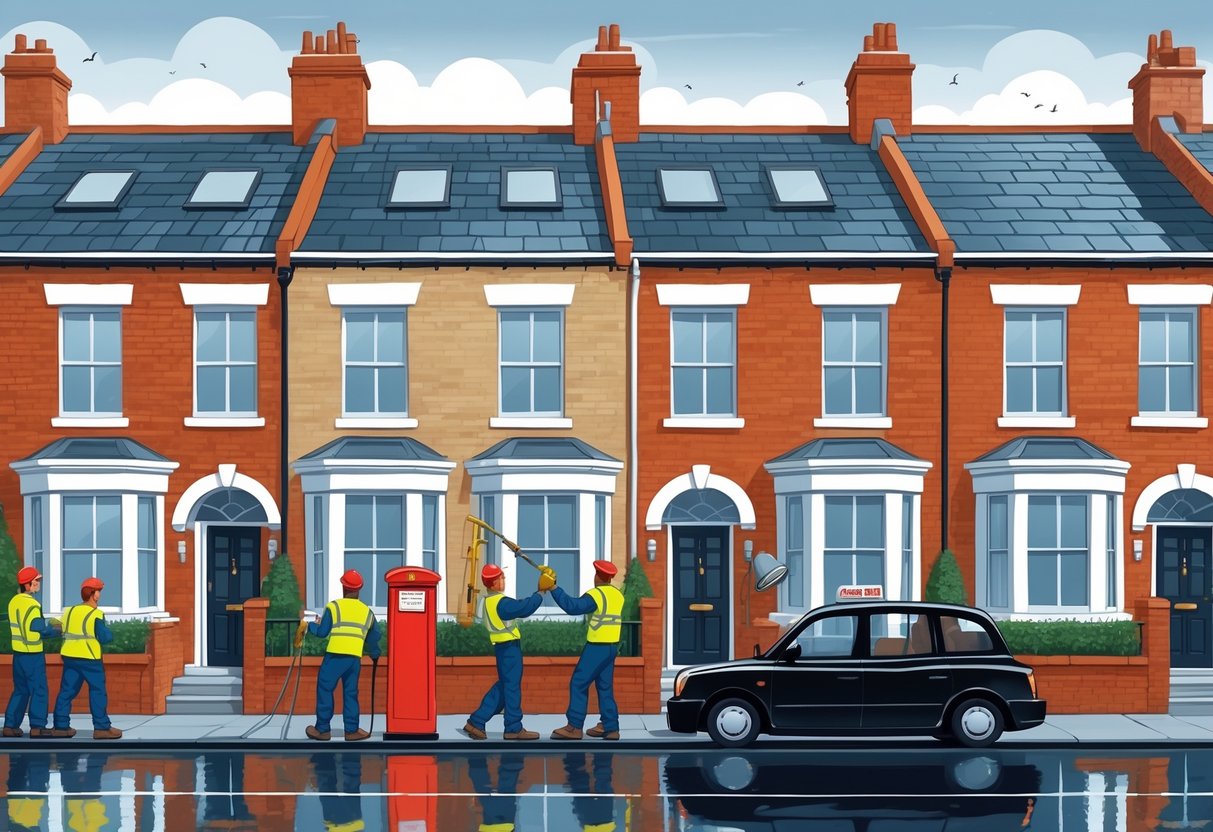
London’s unique climate and older housing stock bring some very specific challenges. The city’s persistent rain, temperature swings, and pollution wear down roofs, windows, and exteriors faster than you might expect.
Many London homes are decades or centuries old. Ageing systems in these properties need closer attention than newer builds.
Research suggests 70% of homeowners face at least one major repair within their first decade of ownership. Often, that’s because routine maintenance got skipped.
A well-organised maintenance schedule turns overwhelming home care into manageable, predictable tasks.
Key Takeaways
- Regular maintenance plans stop small issues from becoming costly emergencies.
- London’s climate and older housing require specific strategies to keep your property safe.
- Following a structured schedule helps your home hold its value and stay comfortable.
The Critical Role of a Home Maintenance Plan
A structured maintenance plan acts as your property’s safety net. Regular upkeep keeps minor issues from escalating into disasters that could devastate your budget.
Safeguarding Property Value and Longevity
Your home is probably your largest investment. How you maintain it directly affects its market value.
Homes with documented maintenance histories sell faster and for more money. Neglected homes? Not so much.
Regular maintenance preserves key value drivers:
- Fresh paint and tidy facades
- Working heating and cooling
- Leak-free, solid roofs
- Up-to-date plumbing and electrics
Routine maintenance on boilers, plumbing, and electrics can add years—sometimes decades—to their lifespan.
Well-maintained homes attract better tenants if you decide to rent. Buyers look for maintenance records as proof you took care of things.
Your property’s age, materials, and location all need tailored care. A Victorian terrace isn’t the same as a modern flat.
Preventing Costly Repairs Through Proactive Care
Preventive maintenance costs far less than emergency repairs. Ignore a small roof leak and you might end up with thousands in structural damage. An annual inspection, though? That’s usually under £200.
Common expensive repairs that routine maintenance prevents:
| Issue | Prevention Cost | Repair Cost |
|---|---|---|
| Boiler failure | £150 annual service | £3,000-£5,000 replacement |
| Roof leaks | £300 gutter cleaning | £2,000-£8,000 structural repairs |
| Burst pipes | £100 annual check | £1,500-£4,000 water damage |
A good maintenance schedule covers monthly, seasonal, and annual tasks. Check smoke alarms monthly, clean gutters twice a year, and service the heating system every autumn.
Spotting problems early saves money and prevents bigger headaches. A blocked drain can become a sewage backup. A small electrical fault can turn into a fire risk.
Reducing Safety Risks at Home
Keeping up with home maintenance helps eliminate dangerous conditions. Faulty wiring causes fires. Neglected heating systems can leak carbon monoxide.
Test smoke and carbon monoxide detectors every month. Change batteries once a year, even if they still work.
Get gas appliances checked by a pro every year. Faulty boilers, cookers, and water heaters can leak dangerous gases without warning.
Old electrical systems break down over time, especially in London’s older homes. Flickering lights, burning smells, or tripping breakers mean you need an electrician—fast.
Prioritise safety-critical systems in your maintenance plan. Book professional inspections for gas, electrics, and structure at least once a year.
Regular cleaning prevents mould, which can cause breathing problems. Blocked gutters lead to damp, and poor ventilation allows bacteria to thrive.
Why Every London Home Faces Unique Maintenance Challenges
London properties have their own set of problems, making maintenance tougher than in other parts of the UK. The climate, old buildings, and city life all play a part.
Climate Conditions and Their Impact on Buildings
London’s wet climate puts homes under constant stress. The city gets around 650mm of rainfall each year, so roofs, gutters, and walls take a beating.
Damp and mould are big concerns. Poor ventilation and frequent rain make mould spread fast, especially in older homes with little airflow.
Rising damp hits a lot of ground-floor rooms. London’s clay soil holds water, which then creeps up walls. This damages plaster and can cause health problems.
Freeze-thaw cycles in winter crack concrete and mortar. Water gets into tiny cracks, freezes, and makes things worse. That affects foundations, walls, and patios.
London’s humidity stays high for much of the year. Wooden window frames swell and warp, floors creak, and paint peels faster than in drier places.
Older Housing Stock and Infrastructure Concerns
Most London homes were built before 1940. These old properties need constant attention to stay safe and livable.
Victorian and Edwardian houses are everywhere in London. They have original features—sash windows, old roof tiles, fancy plasterwork—that need specialist care.
Plumbing in older homes often uses outdated materials. Lead pipes, old copper, and Victorian drains can cause headaches. Converted flats often have water pressure issues.
Electrical systems in period properties are often out of date. Some homes still have ancient wiring that’s a real safety risk. Old fuse boxes can’t handle modern appliances.
Old heating systems don’t perform well. Cast iron radiators and ancient boilers break down a lot. Poor insulation means heating costs go up, but rooms still feel cold.
Urban Living: Pollution and Wear
London’s urban setting brings maintenance challenges you just don’t see in the countryside. Air pollution wears out building materials and creates more cleaning work.
Traffic pollution coats buildings in grime. Diesel fumes and particulates make facades dirty fast. You end up cleaning and repainting more often to keep things looking decent.
High population density means more wear on shared spaces. Communal gardens, entrance halls, and staircases get heavy use, so floors and fixtures wear out faster.
Construction activity in London is nonstop. Nearby building work creates dust and shakes the ground, sometimes cracking walls or disturbing foundations.
Pests are more common in the city. Mice, rats, and insects thrive on the endless food and shelter. Dense housing lets infestations spread quickly.
Key Benefits of Following a Routine Maintenance Schedule
A good maintenance schedule makes a real difference to your home’s performance and value. Regular upkeep cuts energy costs, prevents big repairs, and keeps your place looking sharp.
Boosting Energy Efficiency and Comfort
Well-maintained systems use a lot less energy than neglected ones. Your HVAC can lose up to 30% efficiency if you let filters clog and skip servicing.
Swap dirty air filters for clean ones to improve airflow and reduce strain on your heating. This simple job can cut energy bills by 15% a year. Regular boiler servicing keeps fuel burning efficiently and heat flowing evenly.
Sealed windows and doors help keep heat in during winter. Replacing old weatherstripping costs about £20 but can save hundreds on heating. Good insulation keeps rooms comfortable all year.
When systems work right, home comfort goes up. Radiators heat evenly when you bleed them. Thermostats work better when you keep them clean and calibrated.
Energy-efficient homes hold a steady temperature without overworking equipment. That means lower bills and a comfier place to live.
Extending System Lifespan
Preventive maintenance can double the life of your big-ticket systems. A looked-after boiler might last 20 years instead of 10.
Regular servicing catches small problems before they turn into disasters. Swap out a £50 pump seal now, avoid a £2,000 boiler replacement later. Annual HVAC checks spot worn parts before they break.
Plumbing lasts longer if you keep an eye on it. Descale pipes to stop hard water damage. Check joints to catch leaks before they become floods.
Electrical systems need regular checkups, too. Loose connections create heat and wreck components. Get a pro in every five years to avoid costly rewiring.
Roofs last decades longer with a little care. Clear gutters to prevent water damage. Replace missing tiles right away to keep the structure safe.
Improving Curb Appeal
A maintenance routine keeps your property looking sharp and well cared for. Fresh paint protects and brightens up the exterior.
Regular cleaning stops dirt from damaging surfaces. Power washing gets rid of algae and grime on driveways and walls. Clean windows mean more light and better views.
Garden maintenance makes a big first impression. Trimmed hedges and healthy lawns show you care. Solid fences add privacy and security.
A tidy exterior boosts your property value. Estate agents say well-maintained homes sell 15% faster than neglected ones.
Fixing small issues—like loose roof tiles or chipped trim—prevents bigger, uglier problems down the line.
Building Your Home Maintenance Plan for London
A solid maintenance plan means monthly checks, yearly inspections, and a list of local professionals you trust. London’s climate and older homes need special attention, especially around damp and heating.
Monthly and Annual Tasks to Prioritise
Your monthly checklist should focus on stopping problems before they start. Check taps and pipes for leaks, especially under sinks and around radiators. Test smoke and carbon monoxide alarms every month.
Keep an ear out for odd noises from your boiler. Clean extractor fans and bathroom vents to dodge moisture buildup.
Annual tasks take a bit more effort:
- Boiler service (legally required for rentals)
- Electrical safety check every 5 years, minimum
- Gas safety certificate yearly if you rent out your property
- Roof and gutter inspection before winter
- Heating system maintenance in autumn
Damp is a big deal in London. Check window seals, look for moisture stains on walls, and make sure every room is ventilated.
Customising Your Maintenance Checklist
Your seasonal checklist should reflect London’s quirks. Victorian and Edwardian homes need extra care for original features like sash windows and period heating systems.
Spring: Check for winter storm damage and clean up exteriors.
Summer: Focus on ventilation and any exterior painting.
Autumn:
- Clear gutters and downpipes
- Test the heating
- Check loft insulation
- Service the boiler
Winter: Watch for frozen pipes and extra damp, especially in older homes. If you’re near the Thames, keep an eye on moisture issues.
Flat owners should work with building management on shared and external maintenance.
Organising Appointments with Local Professionals
Book your annual boiler service in late summer before everyone else needs theirs. Gas Safe engineers usually have more slots open when it’s warm.
Find local pros for different jobs:
- Gas Safe engineers for boilers
- NICEIC electricians for electrics
- Chartered surveyors for structure
- Roofers who know London’s rules
Many London councils have approved trader lists. Use them to find reliable people who know the local quirks.
Try to schedule big maintenance jobs in milder months. Get gutters cleaned twice a year, and check the heating before the cold hits.
Essential Seasonal Home Maintenance Tasks
Every season brings its own chores to keep your home safe from weather and avoid expensive repairs. Gutters, roof checks, and heating system upkeep are musts all year.
Spring: Refresh and Inspect
Spring’s the best time to see what winter’s left behind and get ready for warmer days. Start by checking the roof for loose tiles, moss, or damaged flashing that could cause leaks.
Clean gutters to get rid of winter debris and blockages. Clogged gutters overflow and damage foundations and walls. Make sure downpipes run clear and fix any loose brackets.
Look for peeling or cracked paint on the outside. Touch up rough spots before wood gets exposed to moisture. Clean windows inside and out for more sunlight after the long winter.
Check that air bricks and vents aren’t blocked by leaves or debris. Good ventilation keeps damp at bay, especially in spring’s humid weather. Test your boiler and heating before you forget about them for the summer.
Inspect fences and garden structures for storm damage. Replace broken panels and secure posts before spring winds make things worse.
Summer: Prepare and Protect
Summer’s dry spells make it perfect for tackling outdoor maintenance. Pick repairs and improvements that’ll shield your home once autumn storms hit.
Service your boiler now, while you’re not using the heating. Annual checks keep things running and help you avoid winter breakdowns.
Check if your radiators bleed properly and fix any leaks. It’s easier to spot issues when you’re not relying on the system.
Clean up patios, decking, and garden furniture. Pressure wash surfaces to get rid of algae and dirt that turn dangerously slippery after rain.
Treat wooden structures with weatherproofing products. A little effort now keeps rot and damage at bay.
Trim back trees and large shrubs that could cause trouble in a storm. Remove branches that hang over roofs, windows, or power lines.
Overgrown greenery blocks light and traps damp against your walls. It’s surprising how quickly that can lead to bigger issues.
Look over exterior seals around windows, doors, and pipes. Replace worn weatherstripping and fill any gaps to keep out water and pests.
Summer’s dry weather makes this work much easier than tackling it in the rain.
Autumn: Ready for the Cold
Autumn is all about getting your home set for winter. Don’t wait until temperatures drop—get these jobs done early.
Gutter cleaning is a must, since fallen leaves clog things up fast. Clear gutters and downpipes, then check they’re firmly attached.
If you live near lots of trees, gutter guards might be worth it.
Bleed radiators to get rid of trapped air. Check boiler pressure and book a professional if anything seems off.
Test that thermostats and heating controls work in every room. Better to find out now than in a cold snap.
Insulate pipes in unheated spaces like garages, attics, and basements. Frozen pipes burst and make a mess.
Drain outdoor taps and disconnect hoses before the first frost. It’s a simple step that saves headaches.
Check roof tiles, chimney pots, and aerials before storms roll in. Replace any damaged tiles right away.
Clear drains and gullies of leaves. Blockages here cause flooding when winter rains arrive.
Winter: Defend Against Damage
In winter, you’ve got to keep an eye out for trouble. Cold weather and storms can do real damage if you’re not watching.
After storms, walk around your home and check for loose roof tiles, broken gutters, or fallen branches. Fix issues quickly before they get worse.
Keep an eye on indoor humidity. Ventilate bathrooms and kitchens well, or you’ll end up with mould and damp.
Clear ice and snow from steps and paths. Make sure outdoor lights are working since daylight’s limited.
Check pipes in cold spots every week for signs of freezing. Know where your stopcock is so you can shut off water fast in an emergency.
Test smoke and carbon monoxide alarms every month. Winter heating makes these devices more important than ever.
Focusing on Key Home Systems
Your plumbing, HVAC, and structural bits all need their own approach. If you look after each system, you’ll avoid nasty surprises and keep things running smoothly.
Plumbing and Drainage Best Practices
Regular plumbing checks keep water damage at bay. Every few months, inspect pipes for leaks, especially around joints.
Monthly, make sure to:
- Clear hair from shower drains
- Run water in sinks and tubs you don’t use much
- Check under sinks for moisture or drips
Flush your water heater twice a year. Sediment builds up and ruins efficiency if you ignore it.
Test the temperature relief valve to make sure it’s working.
Clean your garbage disposal monthly with ice cubes and citrus peels. It helps clear grease and keeps the blades sharp.
Watch for warning signs:
- Slow drainage in several fixtures
- Changes in water pressure
- Odd noises from pipes
- Damp patches on walls or ceilings
Don’t ignore these. Small leaks quickly turn into big problems.
HVAC and Ventilation Maintenance
Heating and cooling systems work overtime in London’s unpredictable weather. Change air filters every month or two, depending on how much you use them and how dusty things get.
Book professional HVAC servicing twice a year. Spring gets your cooling sorted, and autumn preps your heating for winter.
Key tasks:
- Clean vents and registers outside
- Check air ducts for blockages
- Test thermostats
- Remove debris from outdoor units
Poor ventilation leads to moisture and bad air. Test bathroom and kitchen fans, and clean extractor grilles every few months.
Bleed radiators at the start of heating season to get rid of trapped air. Check boiler pressure regularly and top up if it’s low.
If you hear strange noises, notice uneven heating, or your bills spike, call in a pro before things get worse.
Structural and Exterior Care
Your home’s exterior is your main line of defense. Inspect the roof twice a year for loose or missing tiles.
Clear gutters and downspouts before autumn and after any big storms.
Check regularly:
- Window and door seals
- Cracks or damage on exterior walls
- Peeling paint
- Foundation settling or cracks
Clean gutters to stop water damage. Gutter guards help cut down on debris between cleanings.
Seal gaps around windows and doors before winter. It keeps the warmth in and the damp out.
Keep plants trimmed back from the house. Overgrown vegetation damages siding and gives pests a way in.
Keep tree branches away from the roof and gutters.
Seasonal focus:
- Spring: Look for winter damage
- Summer: Check cooling systems and repaint if needed
- Autumn: Prep heating and weatherproofing
- Winter: Watch for ice damage and heating issues
Frequently Asked Questions
Home maintenance plans often raise questions for London homeowners. They’re worth it, though—they protect your investment, prevent expensive repairs, and keep your home safe all year.
What are the key benefits of having a home maintenance plan in place?
A maintenance plan stops small problems from turning into huge bills. Regular care keeps your home’s structure and systems in good shape.
You’ll catch issues early, avoid emergencies, and save money (and stress) in the long run.
You get a safer, more comfortable home. Good maintenance prevents things like electrical fires or water damage.
How often should property inspections be conducted in London homes to ensure effective maintenance?
Twice a year works for most homes—spring and autumn are best for a thorough check.
Do a quick inspection every month. Look for leaks, test alarms, and check heating.
Older homes, especially Victorian ones, might need extra attention.
What factors should I consider when designing a maintenance plan for a London home?
Think about your property’s age and how it was built. Older buildings need different care than newer ones.
London’s damp climate means gutters and drainage need extra attention.
Budget for regular tasks and surprise repairs. Set aside cash for pros when needed.
Cover all the big systems—heating, plumbing, electrics, and roofing.
Which seasonal maintenance tasks are crucial for London properties?
After winter, check your roof for storm damage. Look for missing tiles and blocked gutters.
Summer’s great for painting exteriors and fixing windows. If you have air conditioning, service it now.
Clear gutters in autumn before the rains. Test heating before it gets cold.
In winter, insulate pipes to stop them freezing. Keep an eye out for damp and mould, especially in older homes.
Can a home maintenance plan contribute to the property’s value over time?
Absolutely. Regular maintenance keeps your property’s value up. Well-kept homes sell for more.
Buyers want to see maintenance records. It proves you’ve looked after the place.
Preventive care stops big problems that drag down value. Structural issues or system failures scare buyers off.
If you keep systems efficient and bills low, your home looks even better to potential buyers.
What are the most common maintenance issues faced by homeowners in London?
Damp and mould problems pop up in a lot of London homes. Old building materials and not enough ventilation definitely don’t help.
Boiler breakdowns? Those seem to happen all the time in winter. Getting a regular service can usually keep heating failures at bay.
Blocked gutters are another headache. With all the rain London gets, water damage to roofs and walls is a real risk.
Electrical issues tend to crop up in older properties. If the wiring’s outdated, it’s best to call in a professional for safety.
Plumbing leaks waste water and rack up expensive damage. Checking pipes regularly can help you avoid major problems down the line.
Free tools to help plan your project
No email required. Get instant estimates and planning answers.
Planning Risk
Traffic-light check of every planning restriction at your postcode: listed buildings, conservation areas, Article 4 directions, Tree Preservation Orders, flood zones. Live data from Planning.data.gov.uk.
Post-Reno Value
Estimate what your property will be worth after planned renovation works. Select the improvements you're considering and get an estimated post-renovation value with a per-improvement breakdown and ROI figure.
VAT Rate Calculator
Find out whether your renovation qualifies for the 5% reduced VAT rate or zero rate under HMRC rules. Enter your property status and project value to see your potential saving.
EPC Upgrade
Find your home's current EPC rating and see what it would cost to upgrade to a B. Uses live data from the EPC Open Data register.