av63u28ij2phb7imc9d2rz4pew933a

Kitchen Extensions in Dulwich

Dulwich has some of the best housing stock in South London. Victorian terraces in East Dulwich, generous Edwardian semis towards the Village, larger detached houses near the park. Most share the same limitation: a kitchen that doesn't match the quality of the rest of the house. We fix that.

5.0
Based on 44 reviews
powered by Google

Get Your Free Consultation

We’ll call back within 48 hours

44+ Verified Reviews

NICEIC & FENSA Certified

Fully insured

Conservation Area Experience

Why Dulwich Kitchens Need Extending

Dulwich houses were built when kitchens were functional rooms, not living spaces. The original scullery at the back of an East Dulwich terrace made sense when someone else was doing the cooking. The galley kitchen in a Lordship Lane Victorian worked fine before open-plan became how families actually live.

Now those kitchens feel like the weak point in otherwise excellent houses. You’ve got high ceilings, original fireplaces, a decent garden. Then the kitchen: narrow, dark, cut off from the rest of the ground floor.

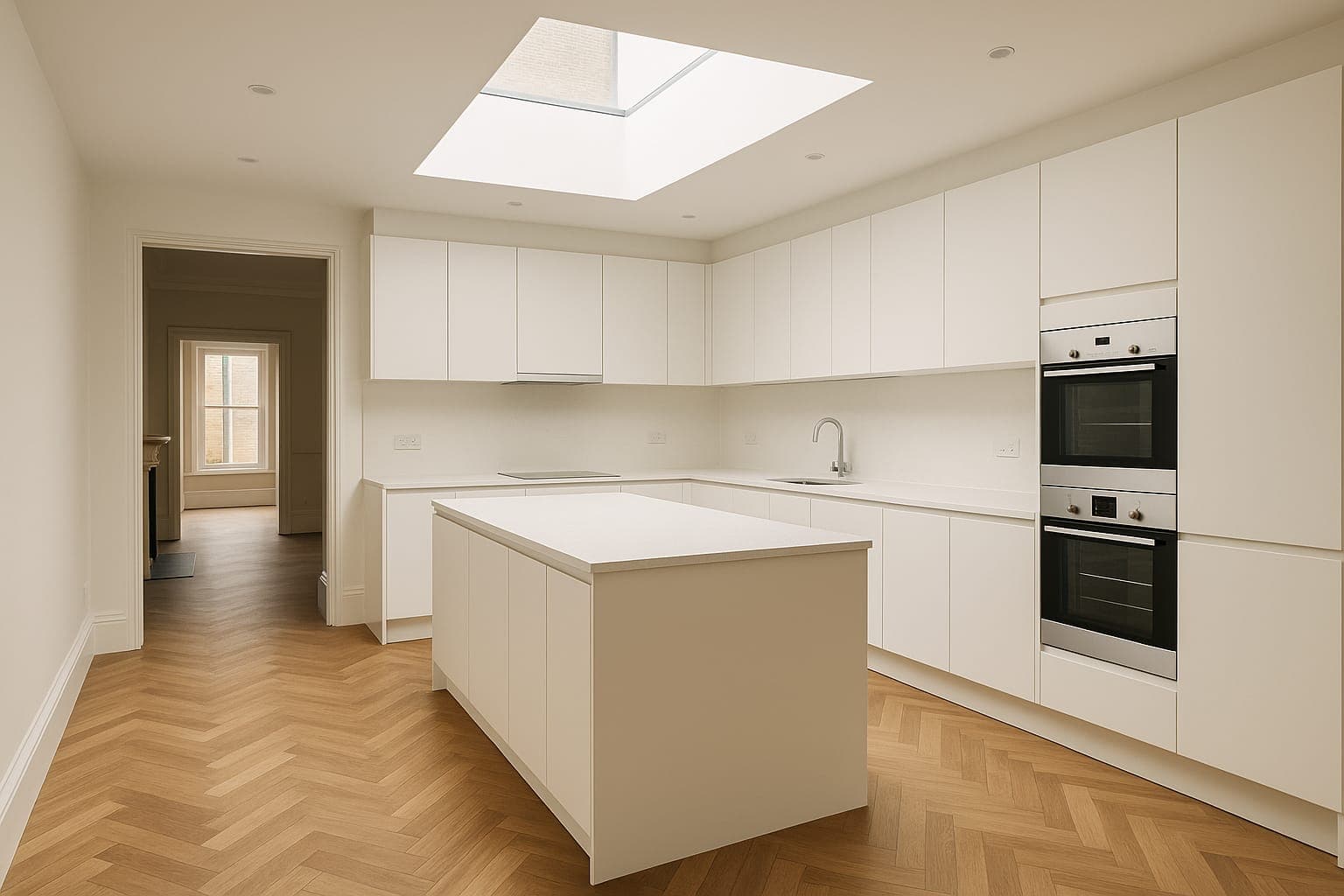
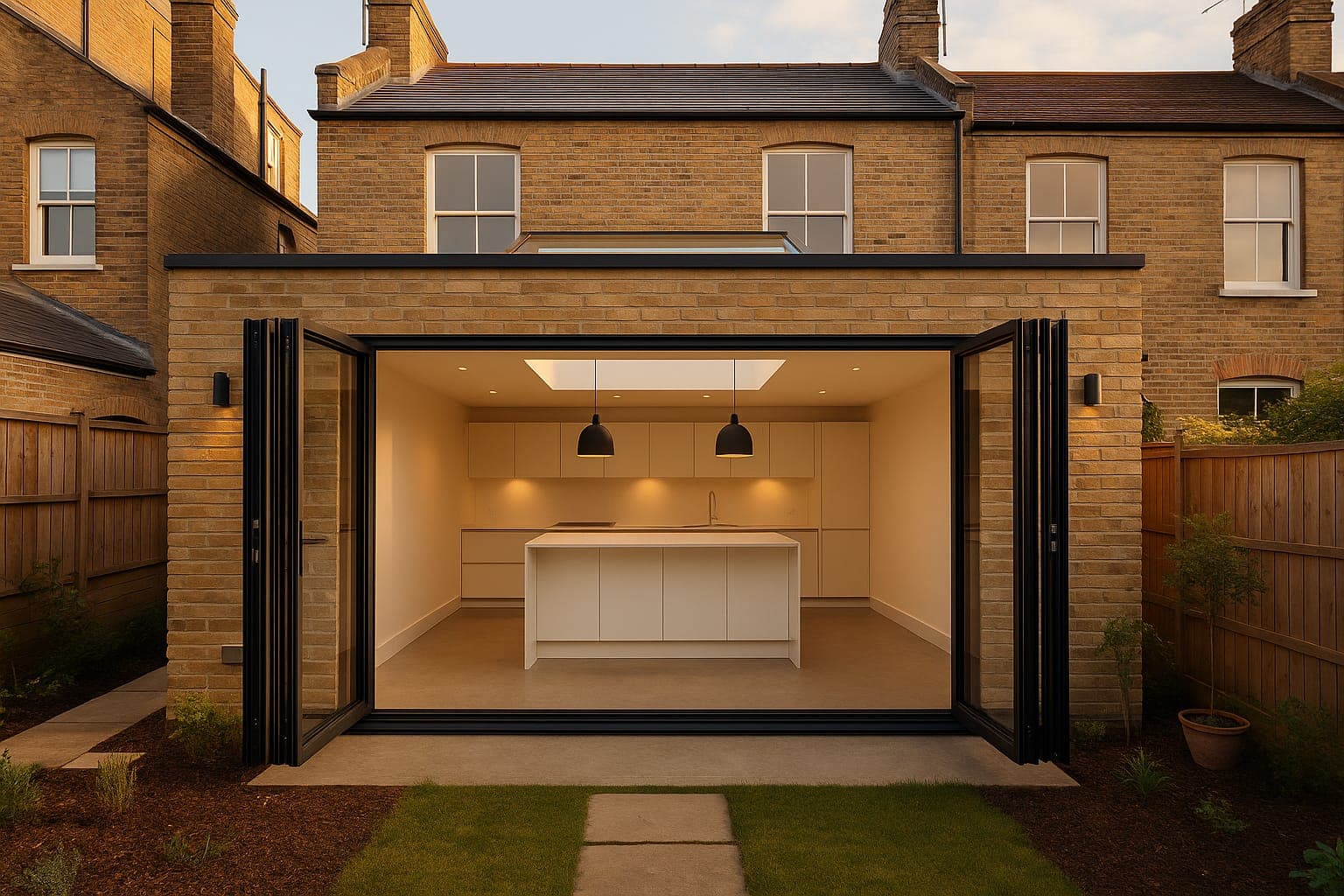
An extension changes that. Push out into the garden by three or four metres, fill in the side return if you have one, and the kitchen becomes the room you actually use. Space for an island, a table where people can sit, bi-fold doors that open onto the garden. The rest of the house is good. The kitchen can match it.

We’ve built extensions across Dulwich for years. From the Victorian terraces around Lordship Lane and East Dulwich Road to the larger houses in Dulwich Village and towards Sydenham Hill. We know what Southwark planning looks for, which streets have rear access, and how to work with the period details that make Dulwich houses worth extending in the first place.

Extension Types

Extension Options for Dulwich Houses

Return Extensions

The most common choice in Dulwich. Extend straight out into the garden, typically 3–5 metres. Dulwich gardens are often deeper than inner London, so you can add serious space without losing the whole lawn. Works well on Victorian terraces and Edwardian semis. Creates a kitchen-diner that opens onto the garden through bi-folds or sliding doors.

Side Return Extensions

For Victorian terraces with that narrow passage down one side. Fill it in and the kitchen gets significantly wider. A rooflight along the length brings natural light deep into the room. Popular on the streets off Lordship Lane and around East Dulwich station where the terraces have consistent layouts.

Combined Side Return + Rear

Extend into the side return and push out at the back. Creates an L-shaped kitchen that wraps around the original house. The most popular option for Dulwich terraces where you want both the width gain and the extra depth. Usually the best use of the available space.

Wraparound

For larger properties near the Village or towards Sydenham Hill. Extend around two sides of the house to create a substantial kitchen-living space. Generally needs planning permission but the larger plots can absorb a bigger footprint without overwhelming the garden.

10-15%

Added to property value (RICS)

89%

Planning approval rate (DLUHC)

10-14

Weeks typical build time

78%

Of homeowners prefer extending to moving

"Our terrace on Landcroft Road had a tiny galley kitchen that we'd put up with for years. The extension added about 25 square metres and completely changed how we use the ground floor. Joel's team managed the party wall process with both neighbours, dealt with Building Control, and finished on schedule. The quality of the plastering and the way they matched the new brickwork to the original house was impressive. We should have done it years ago."

Kitchen Extension Costs in Dulwich

Realistic pricing for Dulwich projects so you can budget properly.

Project Type Typical Size Typical Price Range
Side return extension
8-12m2
£38,000 – £55,000
Rear extension (3-4m depth)
12-18m2
£50,000 – £80,000
Combined side return + rear
18-28m2
£70,000 – £105,000
Wraparound extension
25-40m2
£95,000 – £140,000
Two-storey rear extension
30-50m2 (total)
£95,000-£150,000
What’s included: Groundwork, foundations, structural steelwork, walls, roof, glazing, insulation, electrics, plumbing prep, plastering, and decoration. Kitchen units, appliances, and flooring are quoted separately or client-supplied. Planning fees, Building Control fees, and party wall surveyor costs are additional.

How It Works

From first conversation to your new kitchen, here’s the process for Dulwich extensions.

  • Site Visit

    We come to your house, measure up, look at the existing layout and garden, and discuss what you want. We'll check access routes, note the condition of party walls, and flag any obvious constraints. Takes about an hour. No charge, no obligation.

  • Design & Quote

    Within two weeks you receive a detailed specification and itemised quote. Floor plans, elevations, a full cost breakdown, and a realistic timeline. If you're near Dulwich Village conservation area, we include advice on what's likely to get Southwark approval.

  • Planning & Party Walls

    If planning permission is needed, we handle the application. We submit Building Regulations and serve party wall notices on your neighbours. Most Dulwich extensions fall under Permitted Development, but conservation area rules vary. Allow 8–12 weeks for approvals.

  • Construction

    Build time for a typical Dulwich rear extension is 10–14 weeks. We start with groundwork and foundations, then steel, walls, and roof. First fix services follow, then insulation, plastering, second fix, and decoration. Weekly updates throughout.

  • Handover

    Final Building Control inspection, snagging walkthrough, and handover of certificates. We check in after a few weeks to make sure everything's settled.

Common Questions About Dulwich Extensions

Dulwich Village and the streets immediately around it are a conservation area, as is part of the Dulwich Estate. Most of East Dulwich (around Lordship Lane, East Dulwich Road, Landcroft Road) is not in a conservation area. Southwark has maps on their website showing exact boundaries. We check your specific address and advise what it means for your project.

Most rear extensions up to 3m (or 4m for detached houses) fall under Permitted Development and don’t need planning permission. Side returns are usually fine too. Conservation areas have different rules and may require a full application. We assess your property specifically during the consultation.

Some Dulwich properties are on the Dulwich Estate, which has its own approval process on top of council planning. If your house has an Estate lease, you’ll need their consent for external alterations. We can advise on how this works, though the Estate application is usually the homeowner’s responsibility.

Most extensions take 10–14 weeks to build. Add 8–12 weeks beforehand for planning (if required), Building Regulations, and party wall agreements. Victorian terraces share walls with neighbours on both sides, so party wall notices are almost always needed.

Some do. The streets with back lanes (parts of Whateley Road, some roads off Barry Road) have rear access, which makes deliveries easier. Most Victorian terraces don’t, so materials come through the house. We plan for this and protect floors and doorways throughout.

RICS research suggests 10–15% for a well-designed kitchen extension. In Dulwich, where extended houses with open-plan kitchens are in demand, the uplift is often at the higher end. A £75,000 extension on a £1m house could add £100,000–£150,000 to the value, though this depends on finish quality.

Building Extensions in Dulwich

Dulwich falls within Southwark council, though the Dulwich Estate adds another layer for some properties. Southwark planning is generally reasonable for straightforward rear extensions. They’re more careful around the Village conservation area, but even there, rear extensions that aren’t visible from the street usually get approved.

The housing stock varies more than people expect. East Dulwich around Lordship Lane has tight Victorian terraces, similar to Peckham or Camberwell. Towards the Village and Sydenham Hill, the houses get larger, the plots deeper, and the architecture shifts from Victorian to Edwardian and interwar. Each type needs a different approach.

Access is mixed. Some streets have rear lanes, which makes building work significantly easier. Most terraces don’t, so materials come through the house. We’ve extended houses on Landcroft Road, Dunstans Road, Goodrich Road, and plenty of streets around East Dulwich station where there’s no rear access. It takes more planning but it’s entirely manageable.

Parking is permit-controlled across most of Dulwich. We arrange permits for works vehicles before starting. Skip permits through Southwark take about a week. On streets without rear access, we coordinate deliveries to minimise time blocking the pavement.

One thing worth noting: Dulwich has seen steady demand for extensions over the past decade. Your neighbours have probably been through this before or watched next door do it. That familiarity tends to make party wall discussions easier.

Nearby Areas We Cover

We build kitchen extensions across South East London:

Anerley

Penge

Sydenham

Forest Hill

Norwood

Gipsy Hill

Beckenham

Dulwich

Ready to Discuss Your Dulwich Extension?

Get a free consultation with no obligation. We’ll visit your property, look at the options, and give you an honest assessment of what’s possible.

Privacy Settings
We use cookies to enhance your experience while using our website. If you are using our Services via a browser you can restrict, block or remove cookies through your web browser settings. We also use content and scripts from third parties that may use tracking technologies. You can selectively provide your consent below to allow such third party embeds. For complete information about the cookies we use, data we collect and how we process them, please check our Privacy Policy