av63u28ij2phb7imc9d2rz4pew933a

Kitchen Extensions in Clapham

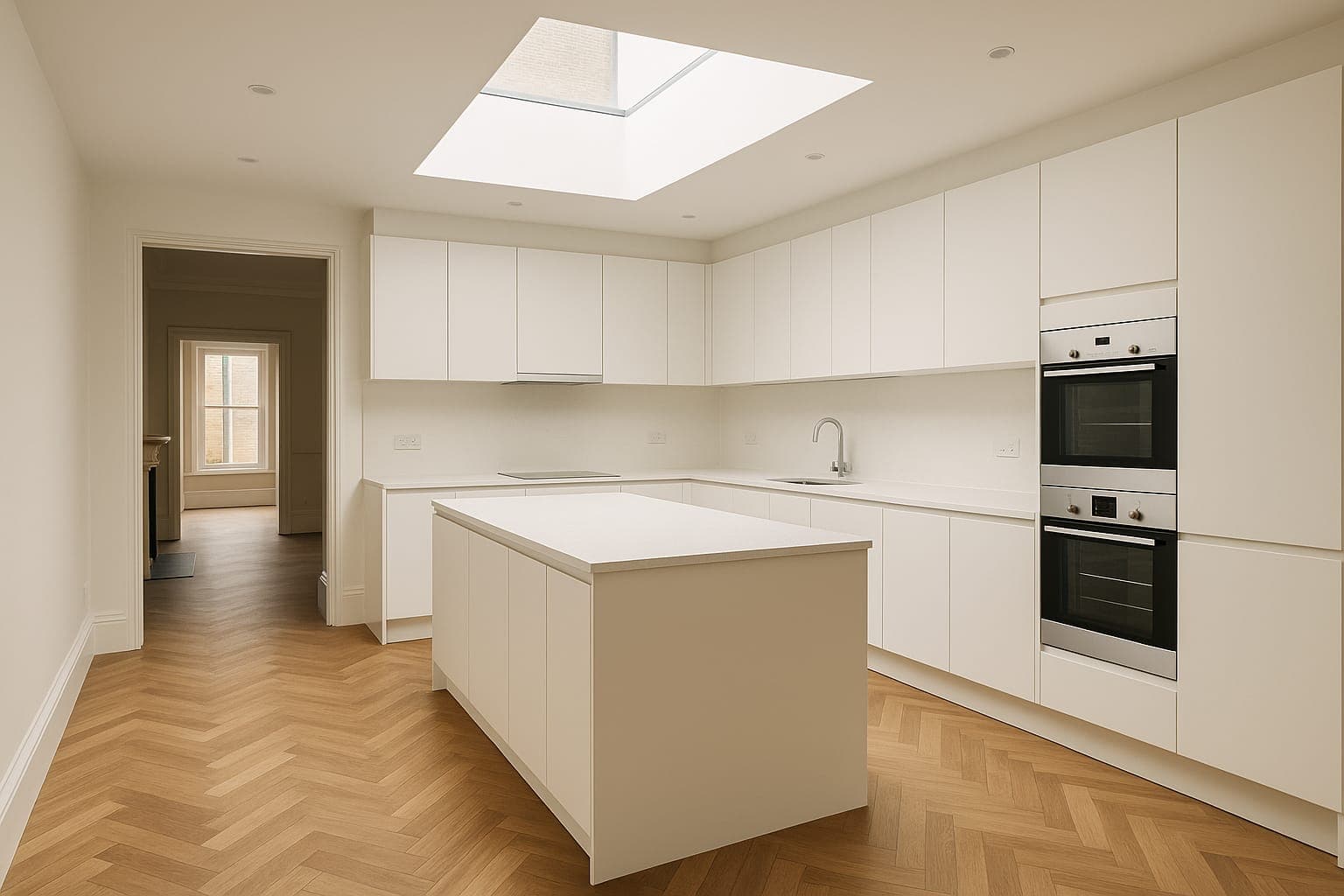
Clapham's Victorian terraces were built with narrow galley kitchens and unused side passages. We turn them into the open-plan spaces that actually work for modern family life. Side returns, rear extensions, or both together.

5.0
Based on 44 reviews
powered by Google

Get Your Free Consultation

We’ll call back within 48 hours

44+ Verified Reviews

NICEIC & FENSA Certified

Fully insured

Conservation Area Experience

Why Clapham Kitchens Need Extending

Walk down any street between the Common and Lavender Hill and you’ll see the same layout repeated house after house. And the same problem.

Clapham’s Victorian terraces were built in the 1880s and 1890s when kitchens were for servants, not families. The original layout put a small scullery at the back of the house, a parlour at the front, and a dining room in between. That worked fine when you had staff to bring food through from the kitchen. Less so when you’re trying to cook dinner while keeping an eye on the kids.

Most Clapham houses also have that narrow passage running down one side. Maybe 90cm wide, used for nothing except storing bins and getting rained on while you fumble for your keys. That passage is the opportunity. Fill it in with a side return extension and your kitchen gets 30-40% wider. Combine it with a modest push into the garden and you have a proper open-plan room.

The result is a kitchen-diner that faces the garden, gets natural light from the side and rear, and actually has space for a table where people can sit. The room families use every day instead of once a week for Sunday lunch.

We’ve built extensions across Clapham for years. From the streets around the Common to the terraces off Abbeville Road, from Clapham North to the borders of Balham. We know the housing stock, the planning rules in Lambeth and Wandsworth, and the practical challenges of building on Victorian foundations with limited access.

Extension Options for Clapham Terraces

Different houses suit different approaches. Here’s what works well in Clapham.

Side Return Extensions

The signature Clapham extension. That narrow passage alongside the house becomes part of your kitchen, typically adding 8-12m² of floor space. The kitchen gets wider, brighter (with a rooflight running the length of the side return), and more usable. Often done under Permitted Development without a full planning application.

Return Extensions

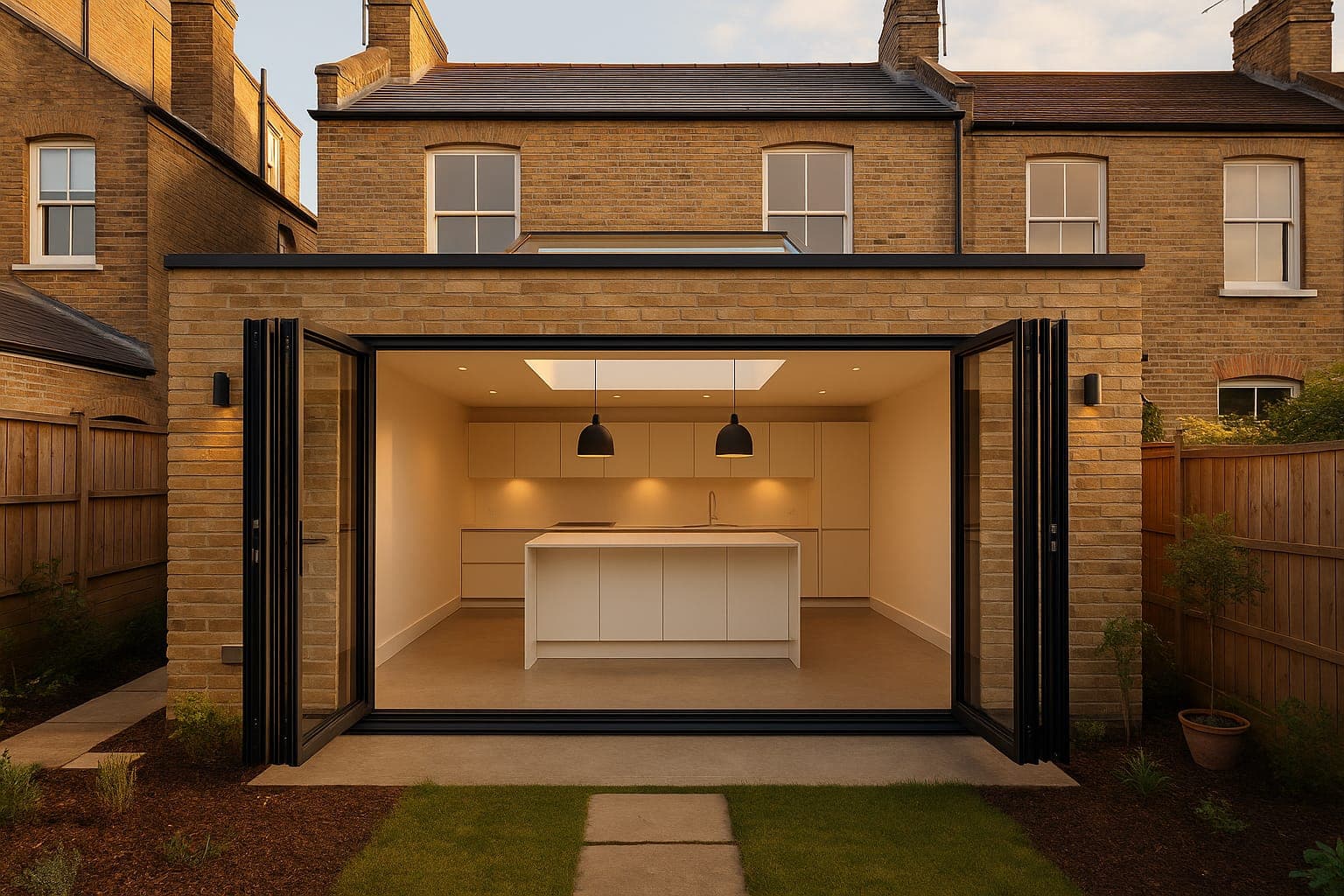
Extend straight out into the garden, typically 3-4 metres. Creates a larger kitchen or kitchen-diner that opens onto the garden through bi-fold or sliding doors. Clapham gardens are often deeper than they are wide, so rear extensions make good use of the available space.

Combined Side Return + Rear

The most popular option in Clapham. Combine the side return with a modest rear extension to create an L-shaped space that wraps around the original house. This gives you the width gain from the side return and the depth from the rear extension. Usually the best return on investment.

Kitchen-Diner Knock-Through

Sometimes you don’t need to extend at all. Remove the wall between kitchen and dining room, put in a structural steel, and you have open-plan living without construction costs. A good option if your garden is small or you’re in a conservation area with limited extension options.

10-15%

Added to property value (RICS)

89%

Planning approval rate (DLUHC)

10-14

Weeks typical build time

78%

Of homeowners prefer extending to moving

"Our terrace near the Common had that typical layout where you couldn't see the garden from the kitchen and couldn't fit more than two people in the room at once. The side return and rear extension completely changed how we use the ground floor. The kids do homework at the island while we cook, we can actually host people for dinner, and the bi-folds mean the garden feels like part of the house in summer. Joel's team dealt with the party wall stuff with our neighbours, handled Building Control, and finished on the date they promised." Mark & Sophie D.

Kitchen Extension Costs in Clapham

Realistic pricing for Clapham projects so you can budget properly.

Project Type Typical Size Typical Price Range
Side return extension
8-12m2
£40,000 – £60,000
Rear extension (3-4m depth)
12-18m2
£50,000 – £75,000
Combined side return + rear
18-28m2
£70,000 – £100,000
Kitchen-diner conversion (no extension)
Existing space
£12,000 – £25,000
Two-storey rear extension
30-50m2 (total)
£95,000-£150,000
What’s included: Groundwork, foundations, structural steelwork, walls, roof, glazing (bi-folds/rooflights), insulation, electrics, plumbing prep, plastering, and decoration. Kitchen units, appliances, and flooring are quoted separately or supplied by the client. Planning fees, Building Control fees, and party wall surveyor costs are additional where required.

How It Works

From first conversation to your new kitchen, here’s the process for Clapham extensions.

  • Site Visit

    We come to your house, measure up, look at the existing layout, and discuss what you want to achieve. We'll check access routes for materials, look at the condition of the party walls, and note any obvious constraints. Takes about an hour, no charge, no obligation. No hard sell. We're figuring out whether we can help, not trying to close a deal.No pressure, no hard sell. Just an honest assessment of what's possible.

  • Design & Quote

    Within two weeks you get a detailed specification and itemised quote. Floor plans showing the proposed layout, elevations, a breakdown of all costs, and a timeline. If you're in a conservation area, we'll include advice on what's likely to get planning approval.

  • Planning & Party Walls

    If planning permission is needed, we handle the application. We submit Building Regulations. For Clapham terraces, you'll almost certainly need party wall agreements with neighbours on both sides. We serve the notices and manage the process. Allow 8–12 weeks for this phase.

  • Construction

    Build time for a typical Clapham side return and rear extension is 10–12 weeks. We start with enabling works and foundations, then steel frame, brick or block walls, and roof structure. First fix services follow, then insulation, plastering, second fix, and decoration. Weekly updates throughout.

  • Handover

    Final Building Control inspection, snagging walkthrough with you, and handover of certificates (electrical certificate, FENSA glazing registration, Building Control completion). We check in after a few weeks to make sure everything's settled properly.

Common Questions About Clapham Extensions

Parts of Clapham are conservation areas, particularly around the Common, Old Town, and some streets towards Abbeville Village. Lambeth and Wandsworth councils have maps on their websites showing exact boundaries. Conservation areas have stricter rules, but you can still extend. Rear extensions are usually fine; side returns may need more careful design to get approval. We’ll check your specific address during the consultation.

Most side return extensions fall under Permitted Development and don’t need planning permission. However, if you’re in a conservation area, Article 4 directions may have removed those rights. Some combined side return and rear extensions need planning if they exceed Permitted Development limits. We assess your property specifically and tell you exactly what’s required.

Clapham terraces share walls with neighbours on both sides, so party wall agreements are almost always required. You serve notice at least two months before starting work. Most Clapham neighbours are familiar with the process because extensions are so common in the area. If they consent, it’s straightforward. If they don’t respond or want their own surveyor, factor in £700–£1,500 per neighbour and 6–8 weeks extra. We handle the notices and can recommend surveyors.

Most Clapham terraces don’t have side access, especially if you’re filling in the side return. Materials come through the house in the early stages (before we’ve knocked through), then through the opening once the extension is underway. Steel beams sometimes need to be craned over the roof. We plan all of this before starting and protect floors and doorways throughout. It’s manageable, just needs proper planning.

We’re careful with Victorian details. Ceiling roses, cornicing, and picture rails in the front reception rooms stay untouched. The extension is at the rear where original features are usually more basic. Where we’re knocking through to the original house, we can match plasterwork profiles if you want continuity. Most clients prefer a clean transition between old and new, letting the extension be clearly contemporary.

RICS research suggests 10–15% increase in property value from a well-designed kitchen extension. In Clapham specifically, where property prices are high and extended houses command a premium, the return can be stronger. A £70,000 extension on a £1.2m house could add £120,000–£180,000 to the value, though this depends on the quality of the finish and whether it’s in keeping with the area. Most clients extend because they want the space, with value uplift as a bonus.

Building Extensions in Clapham

Clapham sits across two boroughs. North of Clapham Common is Lambeth; south and west is Wandsworth. Planning rules are similar but not identical, and the conservation area boundaries don’t follow the borough line. We’ve dealt with both planning departments enough times to know how they work.

The housing stock is fairly consistent: mostly Victorian terraces built between 1880 and 1910, with some Edwardian houses near the borders with Balham and Brixton. The original layouts are similar (two reception rooms, small kitchen at back, three or four bedrooms upstairs), which means the extension solutions that work for one house generally work for the neighbours too.

Parking is a challenge. Most streets are permit-only and deliveries need careful timing. Skip permits take 5–7 working days from Lambeth, similar from Wandsworth. We coordinate this before the build starts so materials arrive when they’re supposed to.

Access without rear lanes means working through the house, which takes more care but isn’t the obstacle some builders make it out to be. We’ve extended terraces on Narbonne Avenue, Cautley Avenue, Elms Road, and plenty of streets around the Common where there’s no way to get materials in except through the front door.

One thing worth mentioning: Clapham has seen a lot of extensions in recent years, which is generally good news for party wall agreements. Your neighbours have probably been through this before, either themselves or watching the people next door. They know the process, which makes negotiations easier.

Nearby Areas We Cover

We build kitchen extensions across South West London. If you’re near Clapham, we can help.

Battersea

Balham

Brixton

Stockwell

Wandsworth

Tooting

Streatham

Dulwich

Ready to Discuss Your Extension?

Get a free consultation with no obligation. We’ll visit your property, discuss the options, and give you an honest assessment of what’s possible.

Privacy Settings
We use cookies to enhance your experience while using our website. If you are using our Services via a browser you can restrict, block or remove cookies through your web browser settings. We also use content and scripts from third parties that may use tracking technologies. You can selectively provide your consent below to allow such third party embeds. For complete information about the cookies we use, data we collect and how we process them, please check our Privacy Policy