Crystal Palace has built a reputation as one of London’s most desirable neighbourhoods. It’s not hard to see why.
This South East London area blends Victorian charm with modern comforts. Families, young professionals, and creatives all seem to find something to love here.
Crystal Palace offers an exceptional quality of life. The area features a rich historical heritage, diverse housing from Victorian terraces to modern flats, and a strong community vibe centered around the famous Triangle.
The neighbourhood was named the best place to live in London by The Sunday Times. It manages to mix urban convenience with a village-like atmosphere—a rare combo in London.
Maybe it’s the connection to the Great Exhibition of 1851 that pulls you in, or the excellent transport links to central London. The food and culture scene here is thriving too.
Crystal Palace’s elevated position gives you sweeping views across the capital. At the same time, housing stays more affordable than in plenty of other London districts.
Key Takeaways
- Crystal Palace mixes Victorian history with modern amenities and excellent transport to central London.
- Housing ranges from period terraces to new developments, usually at lower prices than central London.
- Community spirit thrives around the Triangle’s independent shops, restaurants, and cultural spots.
A Rich History That Shapes Crystal Palace
The area gets its name from the Victorian exhibition hall that once stood here. Crystal Palace Park still shows off the world’s first life-sized dinosaur sculptures and other impressive Victorian landmarks.
Origins and the Victorian Crystal Palace Exhibition Building
The Crystal Palace started as Joseph Paxton’s design for the Great Exhibition of 1851 in Hyde Park. He used cast iron and plate glass to create something totally new for its time.
The Great Exhibition ran from 1 May to 15 October 1851, drawing over six million visitors. More than 14,000 exhibitors from around the globe filled the 990,000-square-foot space with Industrial Revolution wonders.
After Parliament called for its removal from Hyde Park, the Crystal Palace was dismantled and rebuilt at Sydenham Hill between 1852-54. Paxton expanded the building and added sprawling gardens with fountains.
The Palace hosted entertainment and education until fire destroyed it on 30 November 1936. Even with 89 fire engines and over 400 firefighters on the scene, the Palace was gone in hours.
Crystal Palace Park: Legacy and Landmarks
Crystal Palace Park covers 200 acres and was designed to match the original Palace’s grandeur. The park opened to the public on 10 June 1854 as the new home for Paxton’s structure.
You can still walk the Victorian terraces and see the fountains that once surrounded the Palace. The upper and lower terraces earned Grade II listing in 1953 for their architectural value.
The park hosted big sporting events like FA Cup Finals from 1895 to 1914. The 1895 final saw Aston Villa edge out West Bromwich Albion 1-0, with a goal in just 30 seconds.
Crystal Palace Park became Grade II* listed in 1987, helping protect its unique features.
Dinosaur Sculptures and Other Historic Features
Benjamin Waterhouse Hawkins built the famous life-sized dinosaur sculptures in 1854. These were the first scientific attempts to bring ancient creatures to life in sculpture.
The models earned Grade I listing in 2007, the highest level of protection for buildings of exceptional interest. There are over 30 sculptures of prehistoric animals scattered around the park’s lakes and islands.
The Victorian subway beneath Crystal Palace Parade once linked visitors from the High Level railway station to the Palace entrance. This architectural gem was Grade II listed in 1972.
The Crystal Palace Museum, in the former School of Engineering from the 1870s, keeps the area’s heritage alive with exhibits and displays.
Diverse and Desirable Housing Options
Crystal Palace has a wide range of housing, from Victorian terraces to modern flats. Both families and young professionals flock here for affordable rentals and investment properties.
House Prices and Property Market Trends
Crystal Palace house prices have climbed steadily over the last decade as the area’s regeneration continues. The average property value is still lower than in much of central London, yet you get excellent transport links.
Properties on Westow Hill fetch higher prices thanks to their elevation and panoramic city views. Many homes here keep original Victorian details and larger gardens.
Church Road offers more affordable choices, with lots of converted flats and family houses. First-time buyers often look here for good value.
The Stambourne Woods area features some of the most sought-after family homes. These tend to have larger plots and sit on quieter, residential streets.
Types of Homes and Architectural Styles
Housing in Crystal Palace covers everything from modern apartments to big family homes. Most places show off Victorian or Edwardian architecture, which gives the neighbourhood a special charm.
Victorian Crystal Palace homes often have:
- High ceilings with original cornicing
- Bay windows and period fireplaces
- Spacious rooms
- Original wooden floors
Converted flats in period buildings mix character with modern comforts. Purpose-built blocks offer newer layouts and better insulation.
Renting and Investment Opportunities
The rental market is strong, helped by great transport and the area’s growing popularity with young professionals. Many properties deliver good rental yields compared to other parts of South London.
Investment options include:
- Buy-to-let Victorian conversions
- Modern developments near stations
- Family houses that attract long-term tenants
Rental prices swing a lot depending on property type and location. Flats close to Crystal Palace station tend to get higher rents, while family homes on quieter roads offer stable, long-term tenancies.
Development continues across the area, so property investors see good potential for future growth.
Community Spirit and Local Lifestyle
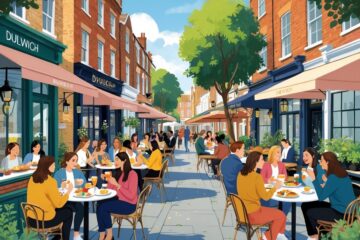
Crystal Palace has a vibrant community centered around the Triangle, with independent shops and cafés that give it a village-like feel. Regular cultural events, film festivals, and art exhibitions keep things lively. Crystal Palace Park and the surrounding green spaces make outdoor recreation easy.
The Crystal Palace Triangle: Shops, Cafés and Pubs
The social heart of Crystal Palace is the Triangle, formed by Church Road, Westow Hill, and Westow Street. This bustling corner gives off a friendly, inclusive vibe thanks to its mix of independent businesses.
You’ll find Crystal’s Cookies dishing out fresh bakes, and loads of independent cafés drawing crowds of locals and visitors. The pubs, like The White Hart, act as community hubs where neighbours catch up over a pint.
Westow House is a go-to spot for food and drinks, while the Triangle’s shops offer everything from vintage threads to artisanal gifts. Boutique shopping is a real highlight here.
Haynes Lane Market runs weekly, selling fresh produce and local goods. The
Family-Friendly Learning Environment
Crystal Palace schools create a genuinely supportive atmosphere for families. Schools contribute significantly to the area’s reputation as a great place to live.
You’ll notice that schools work closely with parents and the local community. This teamwork helps kids get support both in and out of the classroom.
Families get real choice thanks to a mix of faith-based and secular schools. Each school has its own vibe but still delivers solid education.
Transport links make school runs easier for working parents. Most schools sit within a reasonable walk or a short bus ride from home.
Transport Links and Accessibility
Crystal Palace lies in Zone 3, with excellent rail connections via London Overground and several bus routes. The transport options are great for Zone 3, giving you direct access to central London and key destinations across the city.
Rail Connections and Overground Services
Crystal Palace railway station plugs straight into the London Overground network. It’s been nearly 10 years since Crystal Palace was plugged into the new improved London Overground network, which really changed how people get around here.
The station runs frequent services to places like Canada Water, Clapham Junction, and New Cross Gate. You can reach London Bridge in about 25 minutes with one change.
Direct trains go up to Highbury & Islington, so you can get to North London without much hassle. The Overground connects easily with other TfL services at big interchange stations.
Bus Routes and Road Access
Loads of bus routes serve Crystal Palace, linking you to other parts of south London. Regular services run to Bromley, Croydon, and nearby towns.
The 432 bus heads straight to Brixton, while the 3 goes all the way to Oxford Circus through central London. Night buses keep the area connected after dark.
Road access is pretty good, with the A214 as a main route. But, since Crystal Palace sits up on a hill, winter driving can get tricky sometimes.
Commuting to Central and Greater London
Getting to central London usually takes 30-45 minutes, depending on where you’re headed. It takes around an hour door to door to get to offices in Wimbledon by train.
You can reach London Victoria in about 35 minutes if you change at Clapham Junction or London Bridge. King’s Cross is also doable via the Overground with just one change.
The Elizabeth line is accessible through interchange stations, opening up trips to places like Canary Wharf and Heathrow Airport. Trains run often at peak times, but you’ll probably run into some crowds during rush hour.
Surrounding Neighbourhoods and Amenities
Crystal Palace sits in a sweet spot among some of London’s most desirable areas. Shopping and green spaces are all within easy reach.
The nearby districts—Penge, Dulwich, Sydenham, and Croydon—each bring their own character and extra amenities.
Neighbouring Areas: Penge, Dulwich, Sydenham and Croydon
Penge sits directly south and offers more shopping along its high street. You’ll find supermarkets, cafes, and other local services a short walk away.
Dulwich lies northwest, with some of London’s most prestigious residential streets. There are great schools, the Dulwich Picture Gallery, and the lovely Dulwich Park with a boating lake and tennis courts.
Sydenham stretches east from Crystal Palace and shares many transport links. The area has more affordable housing options and still connects well to central London by rail.
Croydon is to the south and acts as a big commercial centre. You get huge shopping centres, restaurants, and business districts, plus high street brands and specialist shops.
Bromley borough covers Crystal Palace itself, offering local council services and more amenities. Anerley Hill ties these areas together with regular bus routes all day.
Shops, Markets and Everyday Conveniences
The Triangle is Crystal Palace’s main shopping hub. Independent shops, restaurants, and essentials cluster around this lively spot.
Haynes Lane Market pops up on Saturdays, selling fresh produce, flowers, and local goods. It’s got a friendly vibe and supports local traders.
Westow Hill covers the basics:
- Supermarkets and convenience stores
- Banks and post office
- Pharmacies and healthcare
- Cafes and takeaways
Church Road has more shops and services. You can walk to most amenities in about 10-15 minutes from home.
Local independent businesses sit alongside national chains. Butchers, bakers, and food specialists give shopping here some real character.
Health, Fitness and Recreational Facilities
Westow Park sits right in the centre, with a playground, tennis court, and open grass for play or exercise.
Crystal Palace Park is massive, with sports pitches, a lake, and walking paths. The famous dinosaur sculptures are always a hit.
South Norwood Lakes are nearby, offering walking trails, bird watching, and a peaceful escape from the city buzz.
Gyms and fitness centres dot the area. There are swimming pools, yoga studios, and sports clubs for all ages and interests.
Healthcare includes GP surgeries, dental practices, and specialist clinics. Croydon University Hospital is close by for anything more serious.
Crystal Palace Sports Centre has indoor courts and fitness equipment. Community sports clubs often use these facilities for training and matches.
Frequently Asked Questions
Crystal Palace residents get to enjoy Victorian heritage, a mix of period terraces and modern flats, active community groups, good schools, strong transport links, and big green spaces like Crystal Palace Park.
What historical elements contribute to the appeal of Crystal Palace?
The neighbourhood carries the legacy of Joseph Paxton’s original Crystal Palace, which hosted the Great Exhibition of 1851. That glass and iron marvel gave the area its name and some real character.
You can check out the Grade I listed dinosaur sculptures in Crystal Palace Park. These Victorian models were actually the first scientific attempt to imagine what dinosaurs looked like.
The park holds Grade II* listed status, marking its national importance. Restored Victorian terraces and the atmospheric Grade II listed subway add to the old-world charm.
How does the housing market in Crystal Palace cater to different needs?
You’ll find Victorian and Edwardian terraces with high ceilings and original fireplaces. Most have three or four bedrooms, making them ideal for families.
Modern developments offer purpose-built flats and converted apartments. These suit young professionals and first-time buyers who want something easy to manage.
There are also mansion flats in grand Victorian buildings. You get big rooms with period character, often at better prices than similar places in central London.
What community initiatives are available to residents of Crystal Palace?
The Friends of Crystal Palace Park runs conservation projects and hosts community events. You can join volunteer days to help keep the park looking good.
Local groups organise markets, festivals, and cultural events. The Triangle area especially brings a village feel with its shops and cafes.
Active residents’ associations work on local concerns and improvements. They team up with Bromley Council on planning and neighbourhood projects.
Can you highlight some of the educational facilities in the Crystal Palace area?
Primary schools here include both state and independent options. Many have good Ofsted ratings and serve the community well.
Secondary schools in nearby boroughs are easy to reach thanks to good transport links. Kids have access to quality education across south London.
Crystal Palace Park is also an outdoor classroom. The dinosaur models and museum give hands-on lessons in Victorian history and paleontology.
What are the main transportation links available to Crystal Palace residents?
Crystal Palace railway station runs direct trains to London Victoria, London Bridge, and Clapham Junction. Getting to central London takes about 25 minutes.
Several bus routes link you to Croydon, Bromley, and Dulwich. The 363, 410, and 432 buses run regularly throughout the day.
You can get onto major roads like the A23 and South Circular easily. This makes it pretty straightforward to drive across south London or further out.
How do green spaces and parks enhance the quality of life in Crystal Palace?
Crystal Palace Park spans 200 acres. It’s packed with walking trails, sports facilities, and a bunch of play areas for kids.
You’ll find the National Sports Centre there too. It’s got an athletics track and a swimming pool, so there’s plenty to do if you’re feeling active.
The park throws regular outdoor concerts and events. The Crystal Palace Bowl has even hosted legends like Bob Marley and Pink Floyd—pretty wild, right?
There are lakes, landscaped gardens, and little quiet corners if you just want to unwind. Thanks to its high spot, you get some amazing views across London’s skyline.