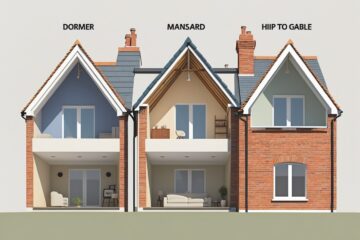
Victorian houses in London have so much potential when you blend their striking period character with modern touches. These homes, built between 1837 and 1901, show off bay windows, ornate cornicing, and original fireplaces—no wonder they’re in such high demand.
If you want to renovate your Victorian home, focus on preserving those key period features while adding the comforts you actually need. The trick is to respect the building’s heritage but still get modern essentials like efficient heating, a new kitchen, or an extra bathroom.
Your exact approach depends on whether your house is listed, sits in a conservation area, or is a standard terrace. Each one comes with its own permissions and quirks, but all can become gorgeous spaces that nod to the past and feel ready for the future.
Key Takeaways
- Great Victorian renovations keep original features but add modern functionality where it matters.
- Planning permissions and conservation rules in London can really shape what you’re allowed to do.
- It’s worth hiring contractors who know period properties inside out—they’ll help you get it right and stay on the right side of the law.
Understanding Victorian Property Features
Victorian homes often have formal reception rooms, servants’ areas, and plenty of ornate details like cornicing and original fireplaces. If you want to change anything, you’ll probably need to deal with planning permissions or conservation restrictions.
Typical Layouts
Victorian terraces usually stick to a familiar floor plan across several levels. The ground floor has a front parlour and a rear reception room, sometimes linked by sliding doors.
The kitchen sits at the back with a door to a small garden. Upstairs, you’ll find the main bedrooms, and the top floor was often set aside for servants or kids.
Many have a side-return extension where the old scullery used to be. In London, it’s common to have a basement for storage or even extra living space.
Hallways run along one side, with rooms opening off them. Staircases show off detailed balustrades and chunky newel posts. The rooms get smaller as you head upwards.
Period Details to Preserve
Original fireplaces anchor the reception rooms. Those cast iron surrounds, decorative tiles, and wooden mantels really boost your home’s character and value.
Cornicing and ceiling roses add intricate plasterwork and frame your rooms with that unmistakable Victorian charm.
Don’t forget the sash windows—their timber frames and glazing bars are classic. Those old floorboards, especially the wide pine ones, bring warmth and a sense of history underfoot.
Picture rails and dado rails split up the wall space in an old-school way. Stained glass panels in front doors and inside help filter light while keeping things private.
Conservation Guidelines
Your renovation plans hinge on the house’s listing and whether you’re in a conservation area. Grade II listed buildings need consent for most changes, even inside.
In conservation areas, you’ll have to get approval for things like new windows, roof work, or changing the front garden. Even paving can be a sticking point.
Some London boroughs use Article 4 directions, which means you lose permitted development rights. Always check with your local planning office first.
Approved materials lists tell you what you can use for windows, roofs, and external finishes. Using the wrong stuff can land you in trouble and lead to expensive fixes.
Big structural changes need building regs approval, no matter your planning status. Get a conservation officer involved early—it saves headaches later.
Restoring Period Features
Victorian homes are packed with features that give them real personality. If you want to restore sash windows, fireplaces, plasterwork, or original floors, you’ll need the right methods and materials to keep things authentic and practical.
Sash Windows
Start by checking your Victorian sash windows for rot, damage to the glazing bars, or frayed cords. If you spot problems, don’t panic—there are fixes.
Timber repair means splicing in new wood where needed, not ripping everything out. Use hardwood that matches the original—usually pine or oak.
To replace sash cords, you’ll have to remove the sashes and get to the weight boxes. Modern cords last longer, but strict conservation areas might insist on traditional rope.
Add draught-proofing with brush or compression seals in the rebates. You’ll get better insulation without changing the window’s look.
If you need to swap the glass, go for slim double glazing or keep the single panes and add secondary glazing inside. In conservation areas, you might need permission first.
Fireplaces
Victorian fireplaces can get buried under layers of paint, or the surrounds might be battered. Restoring them can bring back their wow factor.
Use chemical strippers or specialist blasting to remove paint from cast iron. Avoid harsh tools—they’ll wreck the details.
For surrounds, marble needs a pro for polishing and fixing cracks, while slate just needs a re-oil to revive its colour.
Restore grates by tackling rust, re-blacking the iron, and swapping out missing fire bricks. Original grates burn coal well, but you can fit a gas insert if you want.
Don’t forget the chimney. You might need to reline flues, repoint brickwork, or add cowls. Always get a HETAS engineer to check it’s safe before lighting up.
Cornicing and Ceilings
Cornicing and ceiling roses make a big difference but often get cracked or damaged by leaks or movement.
Clean out cracks and fill them with the right stuff—lime-based fillers let old houses breathe and move.
If you’re missing sections, a specialist can take moulds from what’s left and run new pieces to match. It’s fiddly, but worth it.
Ceiling roses sometimes hide under thick paint. Use gentle solvents to clean them up and reveal the details.
When adding new ones, match the patterns you find elsewhere in the house. Old Victorian pattern books can help you get it right for your era.
Flooring
Victorian floors are usually pine boards, parquet, or decorative tiles, and with some effort, you can bring them back to life.
Sand pine boards carefully to get rid of old paint or varnish. Drum sanders are gentler than belt sanders for the first pass.
For parquet, lift damaged blocks, clean the base, and find matching wood. Sometimes flipping the old blocks shows a fresh side.
Victorian tiles clean up well with specialist products that won’t damage the glaze. If you break one, try to source a period replacement—it’s tricky but doable.
Fill gaps between boards with paper strips and glue, or use flexible fillers that move as the house settles and shifts.
Modern Functionality In Victorian Homes
Victorian houses need clever upgrades to fit today’s way of living. Kitchen extensions open up the space, bathroom makeovers add comfort, and heating tweaks keep these big old houses warm and efficient.
Kitchen Extensions
If your Victorian kitchen feels cramped, you’re not alone. A single-storey rear extension is a popular way to get that open-plan kitchen-diner everyone wants.
Side return extensions work wonders for terraced houses. By reclaiming that narrow alley, you can add 2-3 metres of kitchen width without eating into the garden.
Go for a double-storey extension if you need bedrooms upstairs as well as more space below. Planning rules vary by borough, so check before you start drawing up plans.
Some folks opt for wraparound extensions that combine the rear and side return. They’re spacious but need careful design to stay in proportion with the original house.
Bi-fold doors are a great way to connect the kitchen to the garden. Pick powder-coated aluminium frames in heritage shades to keep things looking period-appropriate.
Install roof lights to bring in extra sunshine. Linear roof lights above the kitchen island make the space feel bright and lively.
Bathroom Upgrades
Victorian bathrooms can be awkward, short on storage, and stuck with ancient plumbing. A few smart upgrades will make a world of difference.
Switch to a combination boiler to lose the bulky hot water tank and free up space. Worcester Bosch and Vaillant are solid brands for period homes.
Add underfloor heating under ceramic tiles for toasty feet. Electric systems are thin and heat up fast—handy for bathrooms.
Walk-in showers with glass panels save space and look sleek. Recessed niches hold your shampoo without jutting out, and big tiles keep cleaning easy.
Wall-hung toilets and basins open up the floor and make cleaning less of a chore. Hide the cistern behind a false wall for a tidy look.
Pick a heated towel rail in chrome or brass for a traditional vibe that’s also practical. Vertical rails are good for tight spaces.
Heating Improvements
Victorian homes lose heat through single glazing, solid walls, and drafty floors. A few upgrades can slash your bills and make things much cosier.
Try secondary glazing to keep your sash windows’ look but boost insulation. Companies like Selectaglaze and Stadip make options for listed and conservation properties.
Stick internal wall insulation like Sempatap thermal wallpaper on the inside if you can’t insulate outside. It adds warmth without much thickness.
Fit smart radiator valves for room-by-room control. Brands like Drayton and Honeywell link to your phone, so you can tweak the heat from anywhere.
Add underfloor insulation in the cellar or basement to stop heat escaping through the boards. Sheep’s wool or recycled plastic both work well.
If you’re feeling ambitious, air source heat pumps can replace your whole system. They work best in well-insulated homes and might get you a government grant.
Seal up draughts around windows, doors, and floors. A pro draught-proofing job can cut heating bills by 10-15%—not bad for something so simple.
London-Specific Challenges
Renovating a Victorian house in London isn’t always straightforward. Strict planning rules, basement extensions, and tiny gardens make for a different set of challenges than you’ll find elsewhere in the UK.
Basements
Thinking about converting your Victorian basement? You’ll need Change of Use planning permission from your local London borough. Each council has its own requirements, and some—like Kensington and Chelsea—are especially strict on basement extensions.
Get a structural survey before you start any work. Victorian foundations usually need underpinning to achieve proper ceiling height and reliable waterproofing.
If your basement project affects your neighbours’ homes, you’ll need to serve Party Wall notices. This can add 2-6 months to your project timeline and cost anywhere from £3,000 to £8,000.
Drainage and ventilation are a headache in London’s clay soil. Pumped drainage systems and mechanical ventilation often run £15,000-£25,000.
Building Control wants detailed structural calculations. Your structural engineer has to show the work won’t mess with the building’s stability or put neighbours at risk.
Lofts
London’s Article 4 directions take away permitted development rights in many conservation areas. You can’t rely on standard loft conversion rights—you’ll need full planning permission.
Height restrictions change a lot between boroughs. Westminster and Camden usually limit dormer extensions, while some outer boroughs are a bit more relaxed.
Most Victorian roof structures need strengthening before you convert them. Original timber rafters often aren’t enough, so you’ll probably end up adding steel supports, which adds £8,000-£15,000 to your budget.
Fire safety regulations get tougher for conversions above 11 metres. You may have to create protected escape routes and fit extra fire doors throughout your house.
Party wall issues come up in most London loft conversions. Terraced Victorian houses share roof structures, so you need formal agreements with neighbours before you start.
Outdoor Spaces
Conservation area restrictions limit what you can do with front gardens and visible rear spaces. You can’t remove original Victorian railings or change front garden layouts unless you get consent.
Basement light wells eat up a lot of rear garden space in London Victorian homes. Modern building regulations demand bigger light wells than the originals ever had.
Landscaping a London Victorian garden? Drainage can be tricky. Clay soil and old Victorian drains limit your planting choices and mean you have to manage water carefully.
Planning permission is a must for any outbuilding over 2.5 metres high in conservation areas. Garden offices and studios face especially strict design controls in historic boroughs.
Space constraints are real—every square metre matters in a London Victorian garden. Multi-functional designs with storage, seating, and planting help you make the most of limited space.
Blending Period & Modern Styles
You can absolutely strike a stunning balance between Victorian charm and modern comfort in a London home. The trick is to respect original features while weaving in modern elements in a thoughtful way.
Start with what you’ve got. Keep original cornicing, ceiling roses, and picture rails if you can. These details give your home a character that new builds just don’t have.
Your colour palette should tie both eras together. Go for neutral base colours like soft greys or warm whites on the walls, then add richer Victorian-inspired colours through accessories and soft furnishings.
Modern furniture looks fantastic against period details. Try a contemporary sofa next to a restored Victorian fireplace. Sleek dining tables somehow just work with original sash windows.
| Victorian Elements | Modern Additions |
|---|---|
| Cast iron radiators | Underfloor heating |
| Original floorboards | Contemporary rugs |
| Period light switches | LED bulb technology |
| Stained glass panels | Minimalist blinds |
Technology needs a bit of stealth. Hide modern cables and devices in period-appropriate casings. Tuck smart home systems behind original features where you can.
Mix up your lighting. Pair restored Victorian pendant lights with modern track lighting, and use table lamps for a warm, layered look.
Textiles are your friend. Pick fabrics that nod to Victorian patterns but in up-to-date colours. Throw a modern blanket over a traditional armchair for a bit of contrast.
Storage takes some creativity. Built-in wardrobes in a style that echoes original panelling can look great. Modern organisational systems can fit inside restored period cupboards if you plan it right.
Listed Building Considerations
If you own a Grade I, II*, or II listed Victorian house in London, you’ll need Listed Building Consent for most changes. This even covers internal alterations that affect the building’s character.
Planning permissions required:
- Structural alterations
- Window replacements
- Kitchen and bathroom installations
- Heating system upgrades
- Roof modifications
Your local planning authority will look at how your plans affect the property’s historic significance. Conservation officers often visit in person to check your renovation plans.
Common restrictions include:
- You have to keep original window styles
- Use period-appropriate materials
- Modern extensions must have a sympathetic design
- Services installations need to be reversible
Get a conservation architect involved as early as you can. They know the heritage rules and can help design plans that work for both you and the planners.
Listed building insurance is pricier than standard cover. Specialist insurers understand the quirks and risks of historic homes.
Timeline considerations:
- Consent applications: 8-13 weeks
- Complex cases: up to 6 months
- Appeals: another 6-12 months if it comes to that
You can usually do minor like-for-like repairs using traditional materials without consent. But check with your conservation officer before you start—better safe than sorry.
Building control approval is a separate process from Listed Building Consent. You’ll probably need both for any structural or services work.
Victorian Renovation Costs In London
Renovating a Victorian house in London usually costs between £800 and £2,500 per square metre. Your final budget depends on the property’s condition and your renovation goals.
Basic renovations typically run £800-£1,200 per square metre. That covers essentials like rewiring, plumbing, and basic kitchen and bathroom refits.
Mid-range renovations cost £1,200-£1,800 per square metre. You’ll get better finishes, restored period features, and improved insulation while keeping the Victorian feel.
High-end renovations can hit £2,000-£2,500 per square metre or more. Think luxury materials, bespoke joinery, and painstaking restoration of original features.
| Renovation Element | Cost Range |
|---|---|
| Rewiring | £3,000-£8,000 |
| Central heating | £4,000-£12,000 |
| New roof | £8,000-£25,000 |
| Sash window restoration | £800-£1,500 per window |
| Period fireplace restoration | £1,500-£5,000 |
Location really matters. Properties in zones 1-2 often cost 15-30% more than those farther out, thanks to access issues and higher labour rates.
Set aside another 10-20% of your budget for surprises—Victorian homes are full of them. Structural problems, damp, and hidden damage to original features pop up all the time.
Planning permission fees go from £206 for householder applications up to £462 for full applications. If your place is listed, consent adds another £206.
Professional fees usually make up 10-15% of your total budget if you use architects and project managers.
Finding Specialised Contractors
You want contractors who really get Victorian properties. General builders often just don’t have the specialist know-how for period renovations.
Look for these qualifications:
- Experience with listed buildings
- Heritage restoration certifications
- Conservation area project portfolios
- Expertise in traditional building materials
Check their past work on similar Victorian homes. Ask for references from local period house projects.
The Society for the Protection of Ancient Buildings (SPAB) keeps a register of qualified professionals. Their members know traditional construction inside out.
Local conservation officers can point you to trusted contractors. They work with specialists who meet heritage standards all the time.
| Specialist Type | When You Need Them |
|---|---|
| Conservation builder | Structural work, roof repairs |
| Lime mortar specialist | Repointing, wall repairs |
| Traditional plasterer | Period wall finishes |
| Sash window expert | Window restoration |
| Heritage architect | Planning applications |
Get a few detailed quotes that spell out traditional materials and methods. Cheap quotes often mean modern materials that can damage a Victorian home.
Double-check their insurance covers heritage work. Standard policies might not protect you during a period renovation.
Timelines are longer for specialist work. Traditional methods take more time but they’re worth it for the integrity and value of your property.
Try booking consultations in winter—specialists are usually less busy then. Summer is when demand for heritage work really spikes.
Case Studies: Real Renovations
A Victorian terrace in Clapham got a new lease on life when the owners knocked through the wall between the kitchen and dining room. They kept the original cornicing and tucked underfloor heating beneath lovingly restored floorboards.
Your budget of £80,000 stretched to cover all the structural work, a brand new kitchen, and lighting that fits the period. The whole thing wrapped up in about four months.
Over in Islington, a family opened up their ground floor but kept the original staircase and ceiling roses. They put in bi-fold doors to the garden and completely updated the electrics.
Key challenge: Getting the new plasterwork to match the old Victorian details took some real specialists.
A Wandsworth renovation focused on a loft conversion and basement extension. They managed to keep the street-facing sash windows while sneaking in rooflights for more daylight.
Project highlights:
- Restored original fireplaces in two reception rooms
- Added modern bathrooms without losing that period charm
- Blended in smart home tech so it doesn’t stand out
The Hackney case study shows how a kitchen extension into the side return can work. They salvaged old Victorian floor tiles and relaid them in the new space.
Timeline breakdown:
- Planning permission: 3 months
- Construction: 6 months
- Final finishing: 2 months
Your neighbours in Richmond nearly doubled their living space with a carefully designed rear extension. Throughout, they kept original features like picture rails and wooden shutters.
Modern underfloor heating and better insulation ended up cutting energy bills by 40%—all while keeping that Victorian vibe.
Frequently Asked Questions
Victorian house renovations in London mean you’re always trying to balance the original character with what actually works for modern life. These common questions cover costs, planning permissions, design ideas, and what to expect if you’re working with a period property.
How can I blend modern design with original period features in my Victorian home renovation?
You can keep original skirting boards, cornicing, and ceiling roses while adding contemporary lighting and fitted wardrobes. Modern kitchen units look great with restored floorboards and period fireplaces.
Exposed brick walls pair well with sleek bathroom fittings and underfloor heating. You might keep original shutters and window frames but add double glazing for better energy efficiency.
Contemporary furniture works with period features if you stick to neutral colour palettes. Bold modern art can really pop against original picture rails and ornate plasterwork.
What are the key considerations for planning a sympathetic yet contemporary Victorian house renovation in London?
You’ll probably need planning permission for any external changes, and listed building consent if your home’s protected. Conservation areas have their own rules about materials and design tweaks.
Get a structural survey to check timber joists, foundations, and damp—Victorian homes often hide surprises. Budget for rewiring, new plumbing, and insulation to meet today’s standards.
Party wall agreements might be required for basement or loft work. Make sure your architect actually understands Victorian construction and local planning policies.
Could you give some inspiration for incorporating modern living solutions into a Victorian-style home?
Open-plan kitchen-dining spaces work especially well in rear extensions with bi-fold doors. You can add walk-in wardrobes and en-suites to bigger Victorian bedrooms.
Basements can turn into offices, gyms, or cinema rooms while the ground floor keeps its period feel. Loft conversions add master suites with contemporary bathrooms and smart storage.
Smart home tech fits in discreetly—think hidden wiring and wireless controls. Modern heating and LED lighting save on bills without messing up the Victorian look.
What are the estimated costs associated with renovating a Victorian property while retaining its character?
Full Victorian house renovations usually cost £150-300 per square foot, depending on the spec and how much structural work you need. Kitchens and bathrooms come in at £15,000-40,000 for good finishes.
Restoring original features like sash windows costs £2,000-8,000, and period fireplaces run £1,000-3,000. Major structural work—underpinning, roof repairs—can top £20,000.
Set aside 10-20% extra for unexpected issues like hidden damage or asbestos. Conservation work costs more, but it’s worth it for the value and character it preserves.
Can you suggest ways to update the exterior of my Victorian home without losing its historic charm?
Restore original sash windows with slim double glazing instead of swapping them for modern ones. Choose period-style front doors in classic colours for curb appeal and better security.
Repoint brickwork with lime mortar, not cement. Add subtle exterior lighting, and if you’re lucky enough to have original iron railings or gate posts, restore them.
Repair roof slates to keep the authentic look, but add modern insulation underneath. Even small front garden upgrades—Victorian-style tile paths, classic planting—boost kerb appeal and keep things feeling right.
What should I look for when buying a modern Victorian house to ensure it’s a good investment?
Check if previous renovations used the right materials and had all the proper permissions. Original features—fireplaces, cornicing, period doors—can really bump up the value.
Look closely at the roof, foundation, and any signs of damp. These structural things play a big role in renovation costs.
If the property sits in a conservation area or has listed status, you might run into strict rules on what you can change. That could limit your future plans, so it’s worth digging into early.
Location matters, too. Transport links, school catchments, and even neighbourhood regeneration plans can shape long-term value.
Honestly, it’s smart to commission a building survey before you buy. That way you’re not blindsided by hidden structural issues later.