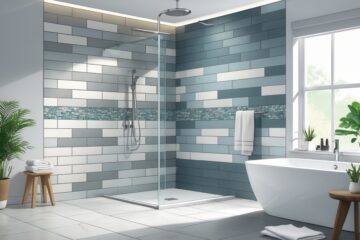
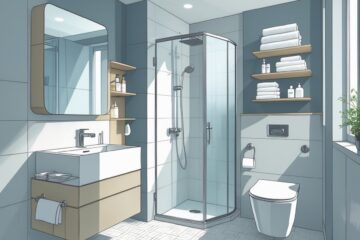
Your bathroom can totally become a relaxing retreat with the right upgrades. Wet rooms, walk-in showers, and spa tubs can turn an ordinary bathroom into a luxurious space that feels both stylish and practical.
These upgrades work in homes of any size. They can boost property value and add a surprising amount of daily comfort.
Modern luxury bathroom features like wet rooms and walk-in showers offer open, accessible designs that maximise space while creating a sleek, contemporary look. Instead of traditional bathrooms with boxed-in shower cubicles, these options give you a seamless flow that makes the space feel bigger and more inviting.
Cleaning gets easier, too, and these layouts can suit people with different mobility needs.
Spa tubs and premium finishes round out the luxury bathroom vibe. Whether you’ve got a compact ensuite or a huge master bath, you can pick upgrades that fit your space and budget.
It’s all about choosing features that fit your lifestyle and making sure they’re installed and waterproofed properly for the long haul.
Key Takeaways
- Wet rooms and walk-in showers give you open, modern spaces that work in any size bathroom.
- Good waterproofing and quality materials are a must for durability and easy cleaning.
- Luxury bathroom upgrades like spa tubs and premium finishes can boost home value and make daily life feel a bit more special.
The Appeal of Luxury Bathroom Upgrades
Luxury bathroom upgrades blend modern design trends with practical improvements. They’re all about creating spa-like spaces that look great and work well.
Modern Trends in Bathroom Design
Today’s bathroom design leans toward open, flowing spaces and steers away from boxed-in fixtures. Wet rooms are super popular right now, with fully waterproofed areas where the shower just blends into the rest of the room.
No need for shower doors or enclosures here.
Walk-in showers give a similar vibe but keep a bit of separation from the rest of the space. These designs make the room feel more spacious, especially in smaller bathrooms.
Popular design elements include:
- Level-access floors with built-in drainage
- Frameless glass panels or no barriers at all
- Natural materials like stone and timber
- Minimalist fixtures and hidden plumbing
- Neutral colours with a few accent features
Interior designers are really into these open-plan looks, whether it’s for high-end renovations or standard bathroom updates. It’s a streamlined style that fits contemporary homes and still works for everyday use.
Enhancing Home Value and Aesthetics
Bathroom upgrades can seriously pay off when it’s time to sell. Modern layouts and quality fixtures catch the eye of buyers who want homes that are ready to move into.
A well-installed wet room or walk-in shower shows you care about detail and quality. Spa baths and rainfall showerheads add those luxury touches that help your home stand out.
Looks matter as much as function, honestly. Sleek finishes, built-in lighting, and high-end materials give your bathroom an upscale look that photographs well for listings.
Accessibility and Comfort Features
Luxury upgrades often bring in accessibility features that help everyone out. Level-access wet rooms get rid of tripping hazards you find with old-school shower trays and bath edges.
Walk-in showers with built-in seating make bathing more comfortable for elderly family members or anyone with mobility challenges. Wide entrances allow for wheelchairs and walking aids without making the space look clinical.
Thermostatic shower controls help prevent sudden temperature changes. Anti-slip floors keep things safe without ruining the look.
The open design makes cleaning and maintenance less of a hassle, too.
Wet Rooms: The Ultimate in Luxury and Function
Wet rooms mix modern design with practical features, creating fully waterproofed bathroom spaces. These open-plan areas are accessible, easy to clean, and have a sleek vibe that fits modern homes.
What Is a Wet Room?
A wet room is basically a fully waterproofed bathroom where the shower area sits right at floor level. No raised trays, no bulky cubicles.
The floor stays level, with a slight slope to direct water to a single drain. This setup makes the space feel bigger and more open.
It works in any size bathroom—from tiny ensuites to big family bathrooms.
Waterproofing (or “tanking”) protects the walls and floor from water damage. Installers use specialist membranes before tiling to keep everything sealed.
Key Benefits of Wet Rooms
Wet rooms are easy for everyone to use, including people with limited mobility. There’s no step to trip over, and wheelchairs can roll right in.
Cleaning’s a breeze because there are no doors, tracks, or awkward corners. Just wipe down the surfaces and rinse. The open layout means better ventilation, which cuts down on mould and moisture.
The minimalist look can add value to your home. Wet rooms create a spa-like feel and make even small bathrooms look bigger.
Essential Wet Room Products
Drainage is the foundation of a good wet room. You’ll need a waste outlet sized for your water flow. Linear drains look sleek and work well with big tiles.
Here’s what you’ll need:
- Tanking kit – waterproof membranes for walls and floors
- Wet room tray – pre-formed base with a slope for drainage
- Shower screen – frameless glass or walk-in panels
- Drainage system – point drain or linear channel
- Non-slip flooring – textured tiles made for wet areas
Frameless glass screens keep splashes in check but don’t mess with the open feel. You can go with fixed panels, hinged screens, or even skip the screen for max openness.
High-quality shower valves and fixtures finish things off.
Customisation Options for Wet Rooms
You can really make a wet room your own. Tiles come in all styles—large-format porcelain, natural stone, mosaics, or textured finishes. Dark grout pops, while matching grout makes things look seamless.
Glass screens can be configured however you like. A single fixed panel fits tight spaces, while L-shaped screens work in bigger rooms. Tinted or frosted glass adds privacy but still lets in light.
Lighting makes a huge difference. Recessed ceiling lights brighten things up, and LED strips in niches add mood. Make sure any fixtures are waterproof—look for IP65 or higher.
Heated floors are a treat in winter. Built-in storage keeps your stuff organised and surfaces clear.
Rainfall showerheads, body jets, and thermostatic controls bring that luxury hotel feel to your daily routine.
Designing the Perfect Walk-In Shower Space
Walk-in showers need a bit of planning to get the balance right between style and practicality. The combo of tray depth, screen design, and enclosure type makes a big difference in how your shower space looks and works.
Walk-In Shower Versus Traditional Enclosure
Walk-in showers have an open design with no doors, so the bathroom feels seamless. Traditional enclosures use full frames and hinged doors to separate the shower from the rest.
The main perk of walk-in showers is easy access. You just step right in—no high threshold, no door to open. That’s safer for people with mobility issues and just easier all around.
Walk-in showers work in both small and large bathrooms. In small spaces, they make the room look bigger. In bigger bathrooms, you can go all out with benches, multiple shower heads, and tons of space.
Traditional enclosures keep water in better, but they need more cleaning. Door seals get mouldy, and hinges can get grimy. Walk-in showers need good drainage and smart screen placement to stop water from escaping.
Choosing Low-Profile Shower Trays
Low-profile trays sit almost flush with the floor, usually 25-40mm high. That minimal step makes getting in and out way easier than the old-school trays.
Most are made from stone resin, acrylic, or ceramic. Stone resin is tough and can be cut to fit weird spaces. Acrylic is lighter and cheaper but needs good support.
You’ll need enough floor depth for the tray and proper drainage. The waste pipe has to slope right to avoid puddles. On a concrete floor, you might have to raise the tray or cut a recess.
Square and rectangular trays fit most bathrooms. Quadrant trays are great for corners. Measure carefully—aim for at least 900mm wide for comfort.
Shower Screens and Glass Enclosures
Shower screens keep water in check but let you keep that open, airy feel. Most use toughened safety glass, 6-10mm thick.
Frameless glass screens look the cleanest, with hardly any metal. They attach straight to the wall and floor with small brackets. Framed screens cost less and offer more support, so they’re good if you want a really tall screen.
Common finishes:
- Chrome – classic, easy to find
- Matt black – modern, hides water spots
- Brushed nickel – looks smart and lasts
- Brushed brass – brings warmth to a neutral scheme
Screen height matters for keeping steam and spray under control. Around 1950-2000mm suits most ceilings, but you can go custom for odd spaces.
Place your screen to block the main spray. Usually, it runs parallel to the shower wall, leaving an open entry at one end. It should extend at least 200-300mm past the shower head to catch splashes.
Maximising Space and Accessibility in Small Bathrooms
Small bathrooms really benefit from open layouts. Get rid of barriers to create visual flow, and use smart design to make every inch count.
Wall-mounted fixtures, curbless showers, and corner setups can turn tight spaces into surprisingly luxurious ones.
Open Plans and Functional Layouts
A wet room design ditches the need for a traditional enclosure, so the floor plan stays open and uninterrupted. The whole space is waterproofed, and the floor slopes gently to a drain.
This is perfect for small bathrooms where big trays and doors would just eat up space.
Walk-in showers with frameless glass keep sightlines open but still control water spray. Put your shower in a corner to free up wall space for other stuff.
Wall-mounted toilets and floating vanities show off more floor area, which tricks your brain into thinking the room’s bigger.
Try a linear drain along the wall for a more gradual slope and more flexibility with where you put things. Heated floors add a touch of comfort and help the wet room dry faster.
Design Ideas for Compact Spaces
Use large-format tiles on walls and floors to cut down grout lines and create a seamless look. Light colours reflect more light, but honestly, darker tones can look amazing if you’ve got good lighting.
Mirrors help bounce light around and make the room feel bigger.
Built-in niches in the shower keep shampoo and soap handy without sticking out. Recessed medicine cabinets and shallow shelves keep essentials close but don’t clutter up the counter.
Corner shelves and wall-mounted caddies use vertical space efficiently.
A rainfall showerhead mounted overhead means you don’t need a protruding shower arm. Add a handheld on a slide bar for flexibility.
If you can’t do a wet room, sliding doors beat hinged ones since they don’t need extra clearance.
Creating a Spa Experience: Spa Tubs and Premium Finishes
A spa tub can turn your bathroom from just functional to a real retreat. Premium finishes add lasting elegance and comfort.
The right mix of materials, fixtures, and thoughtful details helps you create a spa vibe at home—even if you’re just brushing your teeth.
Freestanding and Built-In Spa Baths
Freestanding tubs really stand out as sculptural centrepieces in a luxury bathroom. They look best when you place them near windows to catch natural light or to frame a garden view.
People love cast iron with enamel, solid stone, and high-quality acrylic for these tubs. Each material brings its own vibe to the space.
Built-in spa baths have their own perks. You can add hydrotherapy jets for targeted water pressure that melts away muscle tension and boosts circulation.
A lot of these baths now come with chromotherapy lighting. Coloured LED lights help set a relaxing mood—some folks swear by them.
Modern spa tubs often use air jet systems that fill the water with thousands of tiny bubbles. The result is a gentler massage, and these systems run quieter than old-school water jets.
Maintenance is easier too. Adjustable jet settings let you tweak the intensity for just the right feel.
Heated surfaces in premium tubs keep your bathwater warm from start to finish. Some even offer heated backrests and armrests, which is a game changer for long soaks.
Luxury Materials and Tile Choices
Natural stone brings a genuine spa atmosphere into your bathroom. Travertine, marble, and limestone each have unique textures and earthy colours that just feel calming.
You can use these stones for floors, walls, or around the bath. They work almost anywhere, honestly.
Popular Stone Choices:
- Travertine – warm, textured finish with natural variation
- Marble – classic elegance with distinctive veining
- Slate – darker tones with subtle texture
- Limestone – soft, uniform appearance
Adding wood warms up the space without making it feel busy. Teak and bamboo both resist moisture, so they’re great for bath surrounds or shelving.
Just make sure you seal and ventilate wood properly. Otherwise, it won’t last.
Mosaic tiles add pops of interest—think accent strips, shower niches, or a splash behind the tub. Covering whole walls with them can feel overwhelming, though.
Matte finishes suit spa vibes better than glossy ones. They feel softer and more relaxed.
Large-format tiles help create a clean, streamlined look. Fewer grout lines mean easier cleaning and a sense of openness.
Finishing Touches for Relaxation
Heated flooring takes comfort up a notch. Underfloor heating warms up stone and tile, which can otherwise feel freezing.
These systems usually use less energy than radiators and keep the warmth steady. It’s a small luxury that makes a big difference.
Aromatherapy can really elevate your bath. Some spa tubs have built-in diffusers for essential oils like lavender or eucalyptus.
You can also go for a wall-mounted diffuser near the tub if your bath doesn’t have one built in.
Towel warmers are underrated. Heated rails dry towels between uses and keep them fresh, which helps prevent musty smells.
Freestanding towel warmers work if you don’t want to drill into your walls. It’s all about what fits your setup.
Smart controls make everything easier. You can set water temperature, jet strength, and lighting from a touchscreen or even your phone.
Some systems respond to voice commands, so you don’t have to lift a finger. Handy if you’re already in full relaxation mode.
Dimmable lighting helps set the mood. Use several light sources at different heights instead of just one overhead.
Waterproof LED strips around the tub add a soft, ambient glow. It’s subtle but makes a difference.
Installation and Maintenance for Longevity
How long your luxury bathroom lasts depends on good installation and regular upkeep. Professional waterproofing protects your investment, and smart drainage choices keep your wet room or walk-in shower looking fresh for years.
Professional Waterproofing and Tanking
Wet rooms need multi-layer waterproofing to avoid leaks and structural headaches. Professionals apply waterproof membranes to walls, floors, and every spot where pipes or drains poke through before tiling starts.
The tanking process needs extra care around corners, pipes, and drains. Any gaps let water sneak in and cause expensive damage.
Certified installers use approved products and follow strict methods to seal every surface. It’s not something to skimp on.
Critical waterproofing areas include:
- Floor surfaces sloped towards drains
- Wall joints and corners up to splash height
- Pipe entries for showers and taps
- Drainage connection points
Quality waterproofing systems often come with long warranties—but only if qualified installers do the job right. Following building codes and manufacturer specs is key.
Drainage Solutions and Easy Cleaning
Good drainage keeps your wet room dry and hassle-free. Linear and point drains both work if you slope the floor correctly—usually about 1:80 towards the drain.
Walk-in showers often use slim, low-profile trays with built-in drainage. You don’t have to alter the floor much, and water flows away fast.
Fewer joints in these trays mean less grime and soap buildup. That’s always a win.
Modern drains come with hair traps and removable grates. Cleaning takes just a few minutes.
Rinse the drain after each shower to clear out hair and soap. Weekly antibacterial cleaning keeps things fresh without harming surfaces.
Maintaining Shower Spaces Over Time
A few minutes of daily maintenance really pays off. Use a squeegee on glass and tiles after each shower to prevent water spots and keep humidity down.
Wipe down controls, seats, and grab rails with mild cleaners to avoid soap buildup.
Check grout lines and sealants once a year. Cracked grout or worn-out sealant lets water get behind tiles, and that’s never good.
Fix these issues quickly to keep your warranty valid and avoid water damage.
Look out for damp patches, slow drains, or hollow-sounding tiles. These are red flags for bigger problems.
If you spot them, call a pro before things get worse. Early fixes are way cheaper than major repairs down the line.
Frequently Asked Questions
Planning a luxury bathroom upgrade means thinking about design, materials, and technical stuff. Here are some common questions about wet rooms, walk-in showers, and spa baths.
What essential features should be considered when designing a wet room for a luxury home?
Start your wet room design with a good layout. Think about who’ll use the space and whether you need things like shower seats or grab rails.
The floor should fit your needs now but also work for the future. It’s worth planning ahead.
Drainage is crucial. Linear drains go well with big tiles and keep grout lines to a minimum.
Point drains work with mosaic tiles or spaces that need envelope cuts. Your choice changes how water moves in the room.
Ventilation stops moisture problems. Even if you’ve got windows, you still need an extractor fan.
Without it, you’ll end up with damp and mould. Nobody wants that.
Professional waterproofing keeps water from damaging your wet room. Every surface that might get wet needs tanking—floors, walls, and areas near the shower.
How does a walk-in shower differ from a traditional shower in terms of installation and design?
Walk-in showers often ditch doors and curtains. You can use a glass panel to split wet and dry zones without boxing everything in.
This makes the shower feel open and easy to access.
Installing a walk-in shower is usually simpler than a full wet room. Most of the time, you add a shower tray at floor level or slightly raised.
You’ll need to waterproof the walls around it, but not the whole room.
Walk-in showers have clearer boundaries than wet rooms. Water stays put, which is great if you share the bathroom or want to keep some spots dry.
In what ways can a spa tub enhance the luxury and comfort of a bathroom?
A spa tub turns your bathroom into a personal retreat. Hydrotherapy jets give a targeted massage that eases muscle tension and boosts circulation.
You can adjust the water pressure and jet patterns to fit your mood.
There’s more to it than just soaking. Warm water and jet massages help reduce stress and even manage pain.
With regular use, you get a spa-like vibe right at home.
Spa tubs also make a visual statement. Freestanding ones grab attention, while built-in tubs blend in for a sleek look.
Materials like acrylic, stone resin, or cast iron add to the luxury.
Are there any specific waterproofing concerns to address when upgrading to a wet room?
Waterproofing is absolutely critical for wet rooms. Skipping it leads to water sneaking into floors and walls, causing structural damage and mould.
Every wet room needs pro-grade tanking on all surfaces that get wet.
Floors need a gentle slope toward the drain—enough for water to flow but still comfortable to walk on. Usually, a gradient between 1:80 and 1:40 works.
Pay extra attention to joints and corners. These spots are most likely to let water through.
Use proper membranes, tapes, and sealants at every junction.
Professional installers know how to meet building codes and use the right materials. This protects your bathroom and saves you money in the long run.
Which materials are best suited for creating a high-end finish in a luxury bathroom upgrade?
Porcelain tiles are tough and handle moisture well. They come in lots of sizes and finishes, so you’ve got options.
Natural stone like marble or granite looks amazing but needs sealing and a bit more care.
Large-format tiles give a modern, seamless look with fewer grout lines. They’re great with linear drains.
Mosaic tiles work with point drains and add texture and pattern.
For walk-in showers, use toughened safety glass for panels. It stands up to daily use and stays clear.
Chrome, brushed nickel, or matte black fittings all work—it depends on your style.
Stick with quality materials from trusted suppliers. Choose things made for wet environments.
Products rated for outdoor use often handle wet rooms even better, thanks to their weather resistance.
What are the latest technological advancements in luxury bathroom design for items such as spa tubs and showers?
Digital shower controls let you preset water temperature and flow rates. You can even program several user profiles and start your shower remotely.
Some systems work with smart home tech, so you can use voice commands. It’s pretty wild to just tell your shower what to do.
Chromotherapy lighting in spa tubs brings in colored lights to boost relaxation. Each color sets a different mood and offers its own therapeutic vibe.
LED systems don’t just look good—they’re energy-efficient and last a long time.
Thermostatic shower valves keep your water temperature steady. No more surprise cold blasts if someone flushes a toilet elsewhere.
Anti-scald features keep things safe by stopping water from getting dangerously hot.
Water-saving tech is getting better all the time. Aerated shower heads mix air with water, so you still get good pressure but use less water.
Some spa tubs now come with advanced filtration systems. That means cleaner water for longer stretches—less hassle for you.
Heated floors in wet rooms are a game changer for comfort. Underfloor heating warms up the tiles before you step in, and helps everything dry faster after your shower.
Honestly, it’s impressive how much these features can turn a bathroom into a real retreat.