Planning a loft conversion in South London means you need to budget carefully if you want to avoid nasty surprises. Most loft conversions in South London fall between £30,000 and £70,000, depending on the type and complexity of your project.
A cost calculator gives you a rough estimate, but knowing the local market and your specific area makes planning way more accurate.
South London properties throw up some unique challenges that push prices around. Victorian and Edwardian homes in places like Clapham and Dulwich usually have good conversion potential, while newer builds might need more structural work.
Your exact location in South London matters too. Central areas tend to cost 15-20% more than the outer zones, mostly because of access headaches and higher labour rates.
Getting a solid estimate takes more than just plugging numbers into a calculator. You have to think about structural work, professional fees, building regulations, and possible planning permission costs.
Key Takeaways
- Loft conversions in South London usually cost £30,000-£70,000, depending on type and complexity
- Property age, location, and structural requirements have a big impact on your final costs
- Professional fees, building regs, and planning permission can add 10-20% to your base conversion cost
Using a Loft Conversion Cost Calculator Effectively
Online calculators give you quick, ballpark figures for loft conversions by crunching your requirements and local prices. They’re handy for South London homeowners who want budget guidance and a heads-up on what to expect.
How Cost Calculators Work
Most loft conversion calculators start by asking for basic info about your property and plans. You’ll usually need to enter your postcode, loft size, and conversion type—think Velux, dormer, or mansard.
The calculator runs those details against current material and labour costs. Regional differences matter, and South London’s prices are often higher than the UK average.
Key inputs usually include:
- Property type (terraced, semi-detached, detached)
- Loft size in square metres
- Conversion style you want
- Extras like ensuite bathrooms
- Staircase access requirements
Some calculators dig deeper, asking about things like headroom, roof type, or whether you’ll need planning permission.
Benefits for South London Homeowners
South London’s property market makes these calculators extra useful. In areas like Clapham, Dulwich, and Wimbledon, making use of your existing space often makes more sense than moving.
You can quickly compare different conversion types. Maybe a Velux conversion comes in at £27,500, while a mansard could shoot up to £65,000 for the same space.
Calculators offer:
- Instant budget estimates without waiting for contractors
- Comparison data for various conversion styles
- Local pricing for South London postcodes
- Project timeline estimates
Try out different scenarios before you even call a builder. This makes discussions with contractors easier and helps set realistic expectations.
You might find that a dormer conversion ticks your boxes without the price tag of a hip-to-gable.
Limitations of Online Estimates
Loft conversion calculators are a good starting point, but they don’t replace a professional survey. They use averages and standard scenarios, not the quirks of your own property.
Common limitations:
- No structural assessment of your roof timbers
- Standard pricing, so premium finishes aren’t really factored in
- Not much allowance for awkward access
- Rough estimates for electrics and plumbing
Your Victorian terrace might have issues a calculator can’t spot. Hidden structural problems, asbestos, or planning restrictions could all impact your real costs.
South London’s older homes sometimes need specialist materials or techniques that online tools just don’t consider.
Treat calculator results as a rough guide. Once a contractor checks out your place, quotes often swing 20-30% from what you saw online.
Understanding Loft Conversion Costs in South London
Loft conversions in South London usually range from £30,000 to £85,000, depending on type and complexity. Prices jump around a lot between boroughs—Wandsworth and Richmond often cost more than the outer areas.
Average Cost Per Square Metre
Loft conversion cost per square metre in South London sits between £1,200 and £2,500. It depends on the conversion type and the finishes you choose.
A basic Velux conversion starts at £1,200 per square metre. That’s using your existing roof, so it’s less invasive.
Dormer conversions come in at £1,500 to £2,000 per square metre. These need a bit more building work but add valuable floor space.
Hip-to-gable and mansard conversions are pricier, £2,000 to £2,500 per square metre, because they need a lot more structural work.
Going for high-end finishes? That could add another £200 to £500 per square metre. Premium materials and fancy fixtures push you up the scale.
Price Variation by Borough
Different South London boroughs have very different price tags. Central spots like Wandsworth and Lambeth can be 15-25% more expensive than the outer boroughs.
Premium boroughs (Wandsworth, Richmond, Kingston):
- Velux: £35,000-£50,000
- Dormer: £50,000-£70,000
- Mansard: £65,000-£85,000
Mid-range boroughs (Croydon, Merton, Sutton):
- Velux: £30,000-£45,000
- Dormer: £45,000-£60,000
- Mansard: £55,000-£75,000
Outer boroughs (Bromley, Bexley):
- Velux: £25,000-£40,000
- Dormer: £40,000-£55,000
- Mansard: £50,000-£70,000
Factors Influencing South London Pricing
A bunch of things affect your final loft conversion cost in South London. Property type is a big one.
Victorian and Edwardian homes are usually easier to convert. They tend to have better headroom and stronger roofs.
Modern homes sometimes need extra structural work, which can really bump up your construction costs.
Access and parking also have a say. Difficult sites can add 10-15% to your bill.
Quality of finishes makes a huge difference. Basic gets you by, but if you go luxury, expect to pay for it.
Planning permission rules change from one borough to the next. Some areas are much stricter, which can affect your design and cost.
The size and complexity of your loft extension will dictate how much structural work is needed. Bigger spaces mean more steel beams and reinforcement.
Types of Loft Conversions and Their Cost Implications
Different loft conversion types come with very different price tags. A basic Velux might start at £15,000, while a mansard can run up to £70,000 or more.
Your choice impacts both the upfront cost and how much usable space you’ll get.
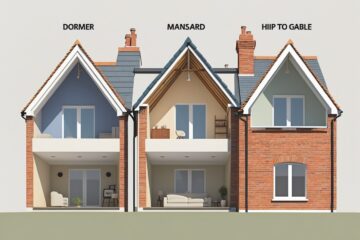
Dormer Loft Conversion Breakdown
Dormer loft conversions in South London usually cost £30,000 to £60,000. They extend out from your roof slope, giving you more headroom and floor space.
Dormer cost factors:
- Single dormer: £25,000-£45,000
- Full-width dormer: £40,000-£60,000
- Materials and labour: about 60% of the total
- Planning permission fees: £200-£500
Dormers work on most roof types and give you the headroom where you really need it. The look of your roofline changes, so you may need planning permission.
Dormer conversion perks:
- More usable floor space than Velux
- Better headroom
- Loads of natural light from those dormer windows
Mansard Loft Conversion Expenses
Mansard loft conversions cost between £45,000 and £70,000. They give you the most additional space but involve replacing your roof with a steep wall and a flat top.
Mansard cost breakdown:
| Component | Cost Range |
|---|---|
| Structural work | £20,000-£30,000 |
| Roofing materials | £8,000-£15,000 |
| Windows and doors | £3,000-£8,000 |
| Internal finishing | £10,000-£20,000 |
Mansards always need planning permission. If you share walls with neighbours, you’ll need party wall agreements. The process takes longer than other types.
Why mansards are pricier:
- The whole roof needs rebuilding
- Complex engineering
- Higher material costs
- Longer build, so more labour
Hip to Gable Loft Conversion Overview
Hip-to-gable conversions run £42,000 to £65,000 and work best for homes with hipped roofs. You swap out the sloping hip for a vertical gable wall to gain more internal space.
This type is great for semi-detached or end-of-terrace houses. Double-check if your hip end faces a road or boundary, though.
Hip-to-gable basics:
- Remove existing hip structure
- Build a new gable wall
- Add new roof covering and insulation
- Fit windows to the new gable end
Often, people combine this with a rear dormer for extra space. If you share a hip end wall with your neighbour, it affects the design.
Cost points for hip-to-gable:
- Planning permission is usually needed
- Structural calculations are a must
- You’ll need weather protection during construction
- Matching brickwork can increase costs
Comparing Conversion Types
Velux conversions are the most affordable—£15,000-£40,000. You keep the roofline and just add roof windows.
Space by type:
- Velux: Limited headroom, basic extra space
- Dormer: Good headroom where you need it
- Hip-to-gable: Decent space increase
- Mansard: Maximum space gain
Planning permission:
- Velux: Usually permitted development
- Dormer: Sometimes needs permission
- Hip-to-gable: Permission required
- Mansard: Always needs permission
Pick your conversion type based on your budget, how much space you want, and your property’s quirks. Dormers often hit the sweet spot for most South London homes.
Key Elements Included in Your Budget
Knowing the main cost components helps you plan your South London loft conversion without getting blindsided. Construction, staircase access, natural light features, and interior finishes all need their own budget lines.
Structure and Construction Costs
Construction costs are usually the biggest chunk. You’ll need to pay for structural changes to support your new living space.
Roof alterations for a 30m² conversion typically run £5,000-£8,250. That covers strengthening timbers and putting on new coverings.
Steelwork for support averages £6,000. Most conversions need steel beams to handle the extra load.
Internal prep work is about £7,000. That includes removing old materials, making new openings, and prepping surfaces.
Scaffolding isn’t cheap—budget around £4,750. It stays up for the whole build.
Project management fees are about £4,000. A coordinator keeps things on track and ensures you meet building regs.
Staircase Installation Expenses
Staircases need careful planning and skilled carpentry. Figure about £2,750 for a standard straight staircase in South London.
If you need to save space, spiral staircases cost £3,000-£5,000. They’re a good fit for narrow Victorian terraces.
Traditional timber staircases with handrails range from £2,500-£4,000, depending on wood and design.
Building regs set specific measurements for tread depth and riser height. Your carpenter has to get these right to avoid expensive fixes later.
Modifying floor access adds £500-£1,200. You might need to move joists or make new openings.
Skylights and Juliet Balconies
Skylights bring in the daylight you’ll want upstairs. Velux windows cost £400-£800 each, installation included.
Juliet balconies add style and value to dormer conversions. Expect to pay £1,200-£2,500 for a good steel or glass one.
You might need planning permission for Juliet balconies, especially if they face a neighbour. Check with your local council.
Double-glazed roof windows keep things warm. Budget another £200-£400 per window if you want high-performance glass.
If you want electric openers for hard-to-reach windows, that’ll set you back £300-£600 per window.
Finishes, Flooring, and Fixtures
Quality finishes really shape how your conversion looks and feels. Plastering for a 30m² loft runs about £2,750.
Flooring prices jump around, from £20 up to £80 per square metre. Engineered wood suits lofts, while carpet adds warmth and muffles sound.
Electrical and plumbing work average £3,250. That covers lighting, sockets, and any bathroom bits.
Joinery for built-in storage hits about £4,500. Custom wardrobes help you use up those awkward eaves.
Decorating costs come in at roughly £1,750. This covers primer, paint, and pros for the walls and ceilings.
Bathroom fixtures add anywhere from £2,000 to £8,000, depending on your choices. Compact ensuites often work best in loft conversions.
Additional Professional Fees and Legal Considerations
Loft conversions in South London bring a bunch of professional and legal costs. Planning applications usually cost £206, while Building Regulations approval ranges from £150 to £500, depending on your council.
Planning Application Fees
Most loft conversions fall under Permitted Development Rights, so you often skip planning permission. But if you’re in a conservation area or pushing the limits, you’ll need approval.
The standard planning application fee sits at £206 for householder applications. Most loft conversions that need formal consent fall under this.
You might need specialist reports, too:
- Heritage statements: £500-1,500 for listed buildings
- Design and access statements: £300-800
- Structural calculations: £400-1,200
Some councils tack on extra for pre-application advice—usually £50-200. This helps you spot issues before you go all in.
Building Regulations Compliance
You can’t dodge Building Regulations approval for loft conversions. It’s there to make sure your place is safe.
Local authority fees vary by borough:
- Lambeth: £180 plan check + £360 inspection
- Southwark: £200 plan check + £400 inspection
- Croydon: £150 plan check + £300 inspection
Approved Inspector services run £400-600 in total. Lots of people go this route—it’s usually quicker and more flexible than the council.
Other compliance costs include:
- Structural engineer reports: £800-2,000
- Fire safety calculations: £300-600
- Acoustic testing: £400-800
Party Wall Agreements and Surveyors
If your loft conversion touches shared walls, you’ll need a party wall agreement. This is super common in South London’s terraced houses.
Party wall surveyor fees range from £700-1,500 per property affected. If your neighbour hires their own, you pay for both.
The process goes like this:
- Serve formal notices (2 months before work starts)
- Surveyor checks and schedules the condition
- Draw up and sign the agreement
If neighbours object, costs can rocket to £3,000-8,000. Most folks settle things through negotiation, but legal battles get pricey.
Party wall awards usually spell out access rights, working hours, and how to handle any damage claims.
Maximising Value and Long-Term Considerations
A loft conversion can add 15-25% to your home’s value in South London. Good insulation and energy efficiency make things even better for comfort and savings.
Home Improvement Benefits
A loft extension brings immediate lifestyle perks. You get another bedroom, home office, or storage—no moving needed.
Extra space helps cut down on crowding in the rest of your house. Kids might get their own rooms, and adults can finally work in peace.
Practical perks:
- No need for temporary accommodation during the build
- Turns wasted attic space into something useful
- Better layout and flow
- More natural light from new windows
Loft conversions help solve common South London housing headaches. Victorian and Edwardian homes especially benefit.
Most projects wrap up in 6-8 weeks. That’s pretty fast, and you’re not living in chaos for long.
Impact on Property Value
Loft conversions almost always add more value than they cost in South London. On average, you see a return of £75,000 to £130,000 for a £55,000 investment.
Value jumps by property type:
- Victorian terraced: 20-25% increase
- Edwardian semi: 18-22% increase
- Modern homes: 15-18% increase
Buyers love the extra space. Families, especially, want that spare bedroom or study.
You’ll need to meet building regulations to keep the value up. Shoddy work can actually hurt your property’s worth.
Postcodes like SW4, SW11, and SE22 tend to get the best returns. In some cases, you’ll recoup costs within a year.
Energy Efficiency and Insulation
Modern loft conversions boost your home’s thermal performance. Good insulation can cut heating bills by 15-20% a year.
New regs require high-performance insulation. Expect 270mm loft insulation and double-glazed windows as standard.
Energy-saving features:
- LED lighting
- Efficient heating
- Better ventilation
- Draught-proofing
These upgrades help your whole house, not just the loft. Less heat escapes through the roof after proper insulation.
Your EPC rating usually jumps up a band or two. That’s a plus for eco-minded buyers and helps with long-term costs.
Smart heating controls let you heat the loft only when you need to. That means even less wasted energy.
Frequently Asked Questions
Loft conversion costs in South London range from £60,000 to £130,000. Your final price depends on structure, materials, and what you want from the space.
What factors typically influence the cost of a loft conversion in South London?
Where you live in South London affects labour and material costs. Tight streets or tricky parking can push up delivery and build expenses.
The type of conversion matters a lot. Velux is cheaper than dormer or mansard.
Older homes, like Victorian or Edwardian, usually need more structural work.
The size of your loft affects both materials and labour time. Bigger spaces just cost more.
How can the existing structure of a property affect the budget for a loft conversion?
Your roof structure decides if you need extra beams. Older houses often need reinforcement, adding £5,000 to £15,000.
Low ceilings might mean you have to raise the roof or lower floors. That’s expensive.
Where your current stairs sit affects where new ones can go. Moving plumbing or electrics to fit stairs adds to the bill.
If you’ve got load-bearing walls, you’ll need steel beams. That requires building control approval and an engineer.
What are the potential financial benefits of investing in a loft conversion?
Loft conversions usually add 15% to 20% to your property value in South London. That’s often more than you’ll spend.
You get extra living space without moving, so you dodge estate agent fees, stamp duty, and moving costs.
It’s almost always cheaper than buying a bigger place. The price gap between homes is often wider than conversion costs.
If you add an ensuite, you might even rent out the room for extra income.
Are there specific planning permissions required for loft conversions in South London, and how might they impact the overall expense?
Most loft conversions don’t need planning permission thanks to permitted development. Conservation areas and listed buildings are stricter, though.
You’ll always need building regulations approval, which costs £500 to £1,500. This covers safety and insulation standards.
If your conversion affects shared walls, party wall agreements cost £1,000 to £3,000 for surveyors.
Some boroughs add their own restrictions. Always check with your local council before starting—nobody wants a costly delay.
How do variations in material choices and finishes affect the overall cost of a loft conversion?
Budget finishes keep things around £55,000 to £70,000 for a basic job. Go mid-range, and you’re looking at £80,000 to £100,000.
Premium finishes and fittings can push costs over £120,000. Fancy bathrooms and wardrobes add up fast.
Insulation quality matters for both upfront cost and future bills. Better insulation costs more now, but saves you later.
Flooring choices really swing the final bill. Carpet starts at £20 per square metre, hardwood can reach £100. Your call.
Can the intended use of the converted loft space play a role in the budgeting process?
If you’re thinking about turning your loft into a bedroom, you’ll usually spend less on plumbing compared to adding an ensuite. Tackling a new bathroom? That’ll bump up your costs by anywhere from £8,000 to £15,000.
Home office conversions can get pricey too. You’ll need more sockets and probably some networking cables, which could set you back another £1,000 to £3,000.
Multi-purpose lofts? Those are a whole different beast. You’ll want flexible lighting, maybe zoned heating, and if you go for smart home tech, that number on your budget sheet creeps higher.
Storage is another thing that can sneak up on you. Custom wardrobes and shelving systems can run between £2,000 and £8,000.