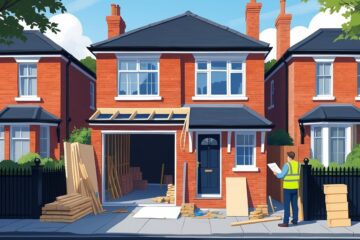
Victorian terraced houses can feel pretty cramped in the kitchen, but a good extension changes everything. These old homes have special features, so you’ll need to plan carefully when adding space.
The upside? There are loads of ways to create a kitchen that works for modern life, but still keeps that classic Victorian charm
The best Victorian kitchen extensions really nail the layout, use natural light smartly, and make sure the new space flows with the old. You can go for a side return, rear extension, or even mix the two, depending on your house and what you’re after.
Each option has its own perks for storage, dining space, and connecting to the garden. Knowing what’s possible helps you pick the right design, materials, and layout.
This guide shares practical ideas that actually work in real Victorian terraces, from simple tweaks to bigger structural changes.
Key Takeaways
- Victorian terraces are perfect for side return and rear extensions that add kitchen space but keep that period feel.
- Good extensions balance rooflights and glazing for natural light with enough wall space for storage and units.
- Smart layout moves, like shifting internal walls or stairs, can make more space without huge building projects.
Key Considerations for Extending a Victorian Terrace
Victorian terraces have some unique structural quirks and rules that can shape your extension plans. You’ll need to get to grips with the original layout, figure out how to deal with load-bearing walls and foundations, and navigate planning rules that often apply to these period homes.
Understanding the Victorian Terrace Layout
Victorian terraces usually follow a set floor plan. Most are long and narrow, with rooms running from the front to the back.
They’re typically about 3.5 to 5 metres wide. You’ll often find a side return—a skinny strip of land between the house and the boundary wall.
This bit is usually 1 to 1.5 metres wide and runs the length of the property. The back of these homes often has a small outrigger or projection, which is a single-storey bit that used to be the kitchen or bathroom.
Many have a rear yard or garden, accessed through the outrigger.
Common layout features:
- Front reception rooms with high ceilings (2.7 to 3 metres)
- Central staircase splitting the house
- Rear kitchen or dining area, usually with a lower ceiling
- Cellar under the ground floor
- Load-bearing party walls shared with next door
Knowing these features helps you choose the right extension. Side return extensions fill in that wasted corridor, while rear extensions can replace the outrigger and push further into the garden.
Assessing Structural Implications and Foundations
Victorian terraces sit on shallow brick foundations—usually just 600mm to 900mm deep. If you’re building an extension, you’ll need much deeper foundations to meet today’s building regs.
The party wall you share with your neighbour carries loads for both houses. If you want to touch it, you’ll need a Party Wall Agreement before starting any work.
Most of these homes have solid brick walls, about 225mm (9 inches) thick. Rear walls usually carry less weight than the party walls.
A structural engineer can tell you which walls you can safely knock through or change.
Key things to check:
- How deep and solid the foundations are
- Where the load-bearing walls sit
- Any signs of movement or settlement
- Where the drains run underground
- How close you are to your neighbour’s foundations
Floor levels often don’t match between the main house and the outrigger. Some people step down into the extension, while others raise the floors to keep things level.
Planning Permission and Conservation Area Constraints
Lots of Victorian terraces are in conservation areas. That means you can’t just build whatever you want without planning permission.
In these zones, you’ll usually need to submit a planning application for any extension. The council will look at your materials, roof style, windows, and the overall look.
If your house isn’t in a conservation area, you still face some limits. Rear extensions can usually go out 3 metres (for terraces) under permitted development. Side extensions need planning permission if they’re over certain sizes or if you’re in a special area.
You’ll probably need planning permission if:
- You’re in a conservation area
- You want to go more than 3 metres out the back
- You’re changing the front
- You want to add another storey
- Previous extensions have already used up your permitted development rights
If your home is listed, you’ll need listed building consent as well as planning permission.
Check your local authority’s planning portal to see if you’re in a conservation area. It’s worth contacting the planning department early to talk through your Victorian renovation plans before you spend on drawings.
Popular Types of Kitchen Extensions for Victorian Terraces
Victorian terraces have a few extension options that really work with their structure. Side return extensions fill in those narrow alleyways. Rear extensions push out into the garden. Wraparound designs combine both for the most space.
Side Return Extensions
A side return extension fills that skinny strip between your house and the neighbour’s boundary. It’s usually right next to your kitchen and about 1 to 2 metres wide.
Building into this space can turn a poky galley kitchen into an open-plan room that feels way bigger. Most people go for a single-storey side return with big glazed doors or windows to let in loads of light.
The extension usually runs along the whole ground floor, adding around 3 to 6 square metres. Glazed side extensions are great for darker Victorian homes.
Big glass panels or roof lights bring in daylight all year. You can also pick bi-fold or sliding doors that open up to the garden, making the space feel even bigger.
In many areas, you can build a side return extension under permitted development, so you might not need full planning permission. Conservation areas and listed buildings have stricter rules though.
Rear Extensions
Rear extensions go straight out the back into the garden. A single-storey rear extension usually adds 3 to 6 metres of space for a bigger kitchen or dining area.
These are a good choice if you want to keep your side return, or if there’s no alley to build into. The roof might be flat or pitched to match what you already have.
A lot of people choose floor-to-ceiling glazing across the back wall for garden views and loads of natural light. Some add roof lanterns or skylights to brighten up the middle of the room.
Permitted development usually lets you go out 3 metres for terraces, but you can often get permission to go further. The more you extend, the less garden you’ll have and the more you’ll need to think about light for upstairs rooms.
Wraparound and Side Infill Designs
A wraparound extension mixes a side return with a rear extension, making an L-shaped space. This is the way to go if you want a big open-plan kitchen and dining area.
Wraparounds suit families who need a lot more room or want to totally change the ground floor. You can get 15 to 30 square metres of extra space, depending on your plot and garden.
This design lets you rethink the whole ground floor, often knocking through several walls for one big space. Side infill extensions are like a smaller version—just filling part of the side return or linking it to a smaller rear extension.
These are handy if your budget or planning rules won’t allow a full wraparound. Most wraparound and side infill extensions need planning permission because of their size.
Costs usually start at £65,000 and can go up to £90,000 or more, but they add a ton of value and make Victorian terraces work for modern life.
Maximising Natural Light and Space
Light can totally transform a Victorian terrace kitchen extension. The right windows, skylights, and layout can turn a dark add-on into a bright, sociable space.
Integrating Skylights and Rooflights
Skylights bring daylight into the parts of your kitchen that regular windows can’t reach. In Victorian terraces, neighbours are close, so side windows often don’t do much.
A single rooflight (about 1m x 1.5m) can light up to 10 square metres below. Place your rooflights above worktops or dining tables for the best effect.
Using a few smaller rooflights spreads the light more evenly than one big one. Fixed rooflights are cheaper and better for insulation, but opening ones give you ventilation, which is handy for cooking smells and steam.
Go for double-glazed skylights with a U-value of 1.4 or less to keep your extension cosy all year.
Using Glass Roofs and Roof Lanterns
Glass roofs make a real statement and draw your eyes up, making the space feel bigger. Roof lanterns are raised above the main roof, with glass on all sides to catch light from every angle.
They work best in bigger extensions—at least 3m x 3m—so they don’t overwhelm the space. Roof lanterns look great with vaulted ceilings, adding height and a bit of wow factor.
They also help with ventilation, as warm air rises and escapes. Modern glass roofs often have self-cleaning coatings and solar control glass, so maintenance isn’t a nightmare and you won’t roast in summer.
Expect to pay between £2,000 and £5,000 for a good roof lantern, depending on size and features.
Open-Plan Kitchen-Diner Concepts
Knocking through walls between your new extension and the old part of the house really opens things up. An open-plan kitchen-diner means the kitchen, dining, and even living areas all flow together, making the whole ground floor feel bigger.
Leaving some original features—like exposed brick or old ceiling beams—keeps the character even in an open space. You can use different floors or ceiling heights to mark out zones without blocking light or sightlines.
Think about where you’ll put big furniture and appliances early on. Kitchen islands or peninsulas divide up the space without closing it off, giving you more worktops and storage.
Blending Old and New: Materials and Architectural Detailing
Pulling off a great Victorian terrace kitchen extension comes down to picking the right materials and details. Victorian houses have special touches—like fancy brickwork and sash windows—that set the tone.
Matching Materials and Preserving Victorian Features
If you want your extension to blend in, matching the existing brick is key. Try to find reclaimed bricks from the same period, or work with suppliers who can get the colour, texture, and size just right.
Victorian brickwork often uses lime mortar, not modern cement. Lime lets the walls breathe and helps avoid damp issues.
Match the mortar colour and joint style for an authentic look. Keep original windows, doors, and mouldings where the extension meets the old house.
You can copy these details in the new space with modern materials that insulate better but still look the part. Inside, hang onto features like ceiling roses, cornicing, and picture rails where the old meets the new.
These little touches bridge the gap between spaces and nod to the home’s history.
Modern Contrasts and Statement Designs
A modern extension can sit right next to your Victorian terrace and not try to copy it. Large areas of glazing in slim aluminium frames create a bold contrast that actually highlights both styles.
This works especially well for rear extensions, where the addition isn’t visible from the street. Structural glazing and glass box extensions bring loads of natural light into Victorian kitchens.
The mix of solid Victorian brickwork and transparent modern materials keeps things interesting. Powder-coated frames in anthracite grey or black nod to traditional cast iron but offer way better thermal performance.
Contemporary materials—think polished concrete floors, steel beams, minimalist joinery—all make a statement. Honestly, don’t apologize for the modern bits.
Let the clean lines and honest materials speak for themselves, just keep the proportions and scale respectful of the original building.
Render, Cladding, and Decorative Finishes
Render gives you options when you want to set the extension apart but still keep things harmonious. A smooth white or light grey render on the new part contrasts with Victorian brickwork but doesn’t clash.
This trick works best when the extension steps down or back from the main house. Timber cladding brings warmth and texture to modern extensions.
Horizontal boards—natural or painted—soften the look and clearly mark old from new. Go for tough woods like Western Red Cedar or thermally modified timber that’ll weather nicely.
You might want to echo some decorative brick detailing from the original house. Victorian terraces often have dentil courses, decorative headers, or contrasting brick bands.
Replicating these patterns in a simpler way on your extension gives a nod to the old architecture without just copying it.
Functional Kitchen Design Solutions
Victorian terraces aren’t exactly known for generous space, so smart design matters. It’s all about squeezing out every bit of room while keeping a good flow between cooking, dining, and storage.
Layout Planning for Narrow Spaces
Victorian terrace kitchen extensions are usually long and kind of narrow, so you need a plan. The most effective approach puts tall storage on one wall and base units with worktops opposite.
This creates a corridor that actually feels open. Side return extensions are often about 2.4 metres wide.
Put your sink at the back wall where plumbing already lives. The hob and oven fit along the side wall, creating a work triangle that really works.
Keep at least 1.2 metres between opposing units so you’re not bumping into things. If your extension is angled, don’t fight it—use the shape.
An angled wall can hold bench seating or a breakfast bar that follows the room’s line. Floor-to-ceiling units give you storage without making things feel crowded.
Push-to-open doors are a lifesaver in tight spots—no handles sticking out into walkways.
Breakfast Bar and Kitchen Island Options
A kitchen island totally changes how you use your space. If your room is 4 metres wide or more, a 400mm x 1900mm island fits well and gives you extra workspace and casual seating.
Islands can hide wine fridges, dishwashers, or sinks, depending on your plumbing. Breakfast bars shine in narrower extensions where a full island just won’t fit.
A peninsula extending from your base units splits the cooking and dining zones. You’ll want 300mm depth for knees and about 600mm width per person for seating.
Built-in bench seating along your dining table makes the most of skinny spaces. Fixed seating means no chairs cluttering up the walkways.
Incorporating Utility Rooms and Storage
Utility rooms keep bulky appliances out of your main kitchen. Victorian houses often have cellars or under-stair areas you can turn into compact utility spaces.
A 1.8-metre ceiling is enough for washing machines, dryers, and cleaning stuff. Full-height larder units made from old external walls offer lots of storage without eating up the floor.
Tongue-and-groove doors blend with Victorian details and hide modern storage. Place these units in the darker parts of your kitchen, saving the bright spots for work areas.
Original cellar access can become your utility entrance, keeping laundry tucked away but still handy. Storage walls with seamless cupboard doors keep lines clean and make small spaces feel bigger.
Glazing and Access: Connecting Indoors and Out
The right doors and glazing totally change how your Victorian terrace extension connects to the garden. Big glass panels pull natural light deep into your home and make the transition from kitchen to outdoors feel effortless.
Choosing Bifold or Sliding Doors
Bifold doors fold back in sections, opening up nearly a whole wall. They’re perfect if you want to throw the doors open for parties or just let the outside in.
You can stack the panels to one or both sides, depending on your layout. Sliding doors run on tracks and need less space to open.
They’re better in tight spots where bifold panels would get in the way. Modern slim-frame aluminium sliders give you big glass panels with barely-there sightlines.
Consider these factors:
- Space available: Bifolds need room to stack; sliders need a clear wall to slide along
- Opening width: Bifolds can span 2-6 metres; sliders usually suit 2-4 metre gaps
- Daily use: Sliders open fast for quick access
- Budget: Sliding doors are usually cheaper than bifolds
Both types keep the heat in with double or triple glazing. Steel-look aluminium frames fit Victorian houses nicely, mixing period style with modern efficiency.
Framing Garden Views and Outdoor Flow
Position your glazed doors to grab the best garden views and bring in the most light. Putting glass on two walls at a corner creates a super-bright space, though you’ll need to think about the structure.
Floor levels matter for outdoor flow. Match your inside floor to the patio, or just add a single step—multiple steps break things up too much.
A wide threshold blurs the line between inside and out. A glass roof or roof lantern above your doors doubles the light.
This is a winner in Victorian terraces where neighbours block side light. The overhead glazing brightens up the kitchen’s deeper spots, while the doors give you garden access and fresh air.
Pick door frames that work with your roof design so everything feels like it belongs together.
Structural Innovations and Advanced Features
Modern engineering means you can do a lot with Victorian terraces while still keeping their character. Steel frames open up spaces, roof designs affect light and height, and vertical extensions add a bit of drama.
Steel Frames and Openings
A steel frame gives you the support to take out load-bearing walls and open things up. Usually, this means steel beams go across your extension so you can knock through between the old kitchen and new space.
You can get up to 6-metre spans without needing posts in the way. The steel carries the weight of upper floors and the roof, freeing up your layout.
Steel frames also make big glass areas possible. You’ll see this in Crittall-style doors and tall windows that connect kitchen and garden.
The slim steel profiles don’t hog visual space but support heavy glass. Most steel frames need fire-resistant boarding to meet building regs.
Your builder usually boxes these in with plasterboard, making them flush with your walls.
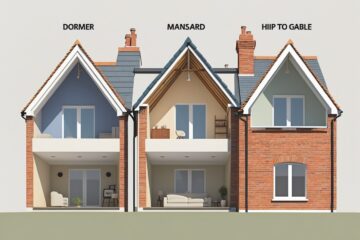
Pitched and Flat Roof Extension Solutions
Pitched roofs work if you want to echo your Victorian home’s roofline. A double-pitched roof creates a classic gable end that suits period architecture.
This is often the way to go for two-storey extensions or if planners want a sympathetic design. Flat roofs are simpler and usually cheaper.
They’re not totally flat—there’s a slight slope for drainage. Flat roofs bring clean lines that contrast with Victorian details and give a modern vibe.
Your roof choice changes ceiling height inside. Pitched roofs let you go for vaulted ceilings, while flat roofs usually mean a 2.4-metre ceiling.
Both can have rooflights, but placement is different—flat roofs get horizontal ones, pitched roofs can have angled glass following the slope.
Double-Height and Vaulted Spaces
Double-height spaces make for dramatic kitchen extensions by opening up to the floor above. You’ll need a two-storey extension for this, with big windows upstairs that pour light into your kitchen.
This works especially well in narrow Victorian plots where side windows aren’t an option. Vaulted ceilings follow the roof pitch, creating a lift that makes the room feel bigger.
The ceiling usually rises from about 2.4 metres at the edge to 3.5-4 metres at the top. You don’t need planning permission for this like you would for a full double-storey extension.
Both options need careful structural planning. Your architect has to factor in the taller walls and extra forces.
Exposed roof beams can become a feature—paint them or leave them natural for character.
Frequently Asked Questions
Victorian terrace kitchen extensions take some planning around heritage features, natural light, and practical layouts. Balancing period character with modern needs is tricky, but it’s doable.
What are the best ways to maintain the architectural integrity of a Victorian terrace when planning a kitchen extension?
Pick materials that work with your home’s original features. Matching brick is key for side return extensions, so find bricks that are close in colour and texture.
Crittall-style doors and windows are a great alternative to huge modern glass panels. The steel frames channel Victorian industrial style and bring in light.
They look even better with original features like exposed brick or old floorboards. Keep internal features that give your home its Victorian vibe.
Corbels, cornicing, and picture rails can stay even if you’re opening up the space. The threshold between old and new is a chance to show off the building’s history.
Respect your neighbours’ proportions. Your extension should sit comfortably next to theirs and not take over the street or garden.
How can lighting be optimised in a kitchen extension for a Victorian terrace house?
Skylights are a game-changer for dark spots in Victorian terraces. A few smaller rooflights spread light better than one big one.
Industrial-style wall lamps add light in side returns where wall space is tight. These nod to Victorian factory lights and are practical for worktops.
Consider an up-and-over rooflight for dining areas. It stretches across the ceiling and connects you to the sky, making the space feel bigger.
Layer your lighting. Use overhead lights, under-cabinet strips for work areas, and pendants over islands or tables.
Dimmer switches let you set the mood, which is honestly underrated.
What considerations should be taken into account for planning permissions when extending the kitchen of a Victorian terrace?
Check if your home is in a conservation area. These zones have stricter rules on materials, windows, and exterior changes.
Permitted development rights cover many single-storey rear extensions, but side returns often need planning permission. That’s because they can affect the street view.
Neighbours matter. Your extension shouldn’t block their light or invade their privacy.
Sometimes, you’ll need to angle extensions away from boundaries. If your terrace is listed, you’ll need listed building consent.
This process checks how your plans might affect the building’s historical or architectural value. Submit detailed drawings, material specs, and photos with your application.
Planning officers want to see exactly what you’re changing.
What are the most space-efficient kitchen layout options for terraced house extensions?
Galley layouts are perfect for narrow side returns. Put tall storage on one wall, base units and worktops on the other.
This keeps everything close and maximises storage. Islands split cooking and dining zones.
A slim island—400mm by 1900mm—fits even in modest extensions and can house a wine fridge or dishwasher. Full-height cupboards hide storage needs and keep things tidy.
Push-to-open doors mean no handles sticking out. Place your sink at the rear wall near plumbing connections.
This also gives you a view of the garden while you wash up. Changing the staircase layout can free up more space for your kitchen.
Turning stairs across the house instead of along it opens up a longer area for your layout.
How can modern amenities be integrated into a kitchen extension while respecting the traditional features of a Victorian terrace?
Hide appliances behind made-to-measure cabinetry that matches your period look. Integrated dishwashers, wine fridges, and washing machines disappear behind doors that nod to Victorian design.
Create a separate utility room to keep laundry out of sight. If your house has a cellar with good headroom, use it for laundry so your kitchen stays focused on cooking and gathering.
Choose modern fittings that have roots in history. Belfast sinks, for example, fit Victorian kitchens and handle modern needs.
Use traditional materials in updated ways. Tongue-and-groove panels on cabinet doors tie into Victorian joinery but work with modern storage.
Keep tech tucked away. Charging stations, smart home controls, and entertainment systems can hide in drawers or cupboards—no need to put them on display.
What are effective methods for ensuring energy efficiency in Victorian terrace kitchen extensions?
Start with high-performance glazing in any new windows or doors. Triple glazing usually insulates better than double, and both leave old single panes in the dust.
Don’t skip insulation—get it sorted right from the beginning. Underfloor heating works best under well-insulated floors and saves you from cramming radiators along the walls.
Think about which way your extension faces. South-facing glass pulls in free solar heat during winter, while north-facing windows let in steady light without turning the place into a greenhouse.
Thermal blinds or shutters can make a big difference for large windows and doors. They help trap warmth on chilly nights and block out excess sun when summer hits.
Pick appliances that actually save energy—look for those high efficiency ratings. Induction hobs, for example, use less power than gas and give you way more control over the temperature.
Don’t forget about ventilation—nobody wants damp or stuffy air. Mechanical ventilation with heat recovery can swap out stale air while keeping most of the warmth inside.