Plenty of homes in Dulwich have spaces that just sit there, gathering dust. Garages turn into storage zones for stuff you barely use, and lofts? They’re often just empty air above your head.
Turning these forgotten spots into bedrooms, offices, or living areas gives you more space—without the headache of moving house.
These projects solve real problems for growing families or folks now working from home. If you need ground-floor space, a garage conversion is a solid option.
A loft conversion makes sense if you want to expand upwards. Both options can bump up your property value while making your home fit your actual life.
Knowing what each conversion involves helps you pick the right one for your needs and wallet. There’s planning, design, and finding tradespeople who won’t drive you mad.
With the right help, you can turn wasted space into a room that actually gets used.
Key Takeaways
- Garage and loft conversions add real living space to your Dulwich home, no need to move
- Each type comes with different perks depending on layout, budget, and how you’ll use it
- The process covers planning, choosing pros, and making design decisions that work for you
The Benefits of Garage and Loft Conversions in Dulwich
Garage and loft conversions are a practical answer for Dulwich homeowners who crave more room but don’t want to pack up and leave. These projects add usable space, boost property value, and help homes keep up with modern living needs.
Maximising Living Space and Property Value
Converting your garage or loft gives you more square footage without stretching your house further into the garden. In Dulwich, a lot of the old Victorian and Edwardian houses have the height and bones needed for a proper conversion.
A loft conversion can add a whole extra floor. In East Dulwich, those big roof spaces are just begging to be used.
Most conversions create between 300 and 600 square feet of new space, depending on your roof. Property values here run higher than the London average, so adding a bedroom through a conversion can bump your home’s market value by 10 to 20 percent.
That return often covers or beats the cost of the project. Estate agents say homes with extra bedrooms or flexible living areas attract more buyers.
A converted space makes your house stand out, letting you stay put instead of hunting for a bigger place in a pricier area.
Adapting to Evolving Lifestyles
Modern life needs flexible rooms. Your new garage or loft can be a home office, gym, guest room, playroom, or studio—whatever fits your life now.
Remote work is pretty much the norm for many in Dulwich. A loft conversion gives you a quiet workspace away from the noise downstairs.
That separation helps keep your work and home life from blurring together. Families with growing kids love the extra bedroom.
Instead of moving and disrupting everyone’s routine, you just expand what you’ve got. The new space gives teenagers some privacy or makes room for a new baby.
Garage conversions are great for ground-floor additions. If you need accessible living space without stairs, they’re ideal for elderly relatives or anyone with mobility issues.
Enhancing Aesthetic Appeal
Both garage and loft conversions can seriously improve your home’s look—inside and out—if you design them well. Modern loft conversions use roof lights, dormers, or mansard styles that fit Dulwich’s classic vibe and bring in loads of daylight.
Inside, you get to decide on the finish and style. Exposed beams, slick fixtures, built-in storage, and ensuite bathrooms can turn a basic loft into a standout room.
Garage conversions let you ditch ugly old doors and create a seamless front elevation. Swapping the garage for a proper room with matching brickwork and windows makes your home look more polished.
If you live in a conservation area, you’ll need to choose designs that respect local rules. Working with experienced builders helps you get a modern, attractive space that still fits Dulwich’s charm.
Comparing Garage and Loft Conversions: Choosing the Right Option
Garage and loft conversions aren’t the same. Garage projects usually cost £10,000-£20,000, while loft conversions run higher, from £25,000-£50,000.
Your choice depends on your budget, how much space you need, and what you want to use the room for.
Differences in Structure and Potential Uses
Garage conversions use what’s already there—walls and a roof. Most of the work is insulation, floors, and finishes.
They’re usually quicker, taking 4-8 weeks. Loft conversions are a bigger job.
You’ll need to strengthen the floor, put in a staircase, and often change the roof with dormer additions. Dormers add headroom and floor space.
Garage conversion ideas:
- Home offices with separate entrances
- Ground-floor bedrooms or guest rooms
- Playrooms with garden access
- Home gyms or studios
Loft conversion ideas:
- Master bedrooms with en-suites
- Teen bedrooms with study nooks
- Home offices tucked away from the rest of the house
- Guest suites with their own bathrooms
Garage conversions work best for rooms that need ground-level access or garden views. Loft conversions are better when you want a private space away from the main action.
Factors Affecting Suitability
Your home’s structure will usually decide what’s possible. Lofts need at least 2.2m head height at the tallest point and a decent roof pitch.
Garages must have solid foundations and be dry enough for living space. Budget matters too.
Basic garage conversions can start at £5,000-£10,000 if you keep things simple. A loft extension with dormers can hit £35,000-£60,000 because of all the extra work.
Planning points to think about:
- Where will you park if you lose the garage?
- Getting building regs approval for both options
- Planning permission for dormer lofts
- How the build will affect your neighbours
Loft conversions usually add more value—about £35,000-£50,000 more, compared to £15,000-£22,000 for a standard garage conversion. Plus, you’ll keep your parking and storage if you go for a loft.
Popular Conversion Ideas in Dulwich
Lots of folks in Dulwich turn garages into home offices with garden views. Having a separate entrance is handy for client meetings.
Ground-floor guest bedrooms are also popular, especially for elderly relatives who can’t do stairs. Loft extensions often become master suites.
A dormer loft can fit a king-size bed, fitted wardrobes, and an ensuite. Families with teens use converted lofts for bedrooms with study spaces and their own bathrooms.
Trending Dulwich conversions:
- Garage studios for artists and makers
- Loft home cinemas with soundproofing
- Garden room offices in converted garages
- Loft playrooms to keep toys out of the main living space
Double garages are flexible—you can keep one bay for parking and convert the other. That way, you don’t lose storage but still gain a new room.
Pick what fits your family and your house, not just what’s trendy.
Types of Loft Conversions Available in Dulwich
Dulwich homeowners have a few solid loft conversion options, each with its own perks. The right one depends on your roof, your budget, and how much space you actually need.
Dormer Loft Conversions
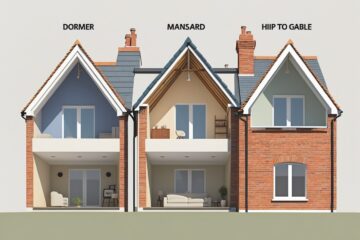
Dormer conversions are a big favourite in Dulwich. A dormer is a box-shaped extension that sticks out from your roof, giving you more headroom and space inside.
This style works well for the semi-detached and terraced homes around here. The extra vertical space makes it easier to add a staircase and gives you standing room throughout.
Why people like dormers:
- More ceiling height where the roof slopes
- Space for big windows and lots of light
- Room for an ensuite or walk-in closet
- Rear dormers often don’t need planning permission
Dormer loft conversions usually start at £55,000, depending on size and finishes. If you want a front dormer, you’ll probably need planning permission—check with Southwark Council first.
Mansard Loft Conversions
Mansard conversions rebuild your roof at a steep 70-degree angle, creating a nearly vertical wall and loads of extra floor space.
This approach gives you the most room of any loft conversion. You get proper ceiling height almost everywhere, not just in the middle.
Mansard conversions work well for terraced houses in East Dulwich and Dulwich Village. The steep angle fits right in with period homes here.
Expect to pay £60,000 to £70,000 or more. You’ll need planning permission since the roofline changes a lot.
It takes a bit longer because of all the structural work, but the boost in property value usually makes it worth it.
Hip to Gable Loft Conversions
Hip-to-gable conversions turn the sloping side of your roof into a straight wall. That extends the ridge line and makes your loft much more usable.
Detached and semi-detached homes in Dulwich are perfect for this. By removing the hip, you get four high walls instead of sloped ceilings eating into your space.
What’s involved:
- Rebuild the side roof as a gable wall
- Full-height ceilings throughout
- Often paired with a rear dormer for max space
- Sometimes you can add French doors or a Juliet balcony
Hip-to-gable conversions usually cost £60,000 to £70,000. If your work affects a neighbour’s property, you might need a Party Wall Agreement.
If you keep the roof height and don’t overdo the extension, you might not need planning permission.
Velux and Roof Light Conversions
Velux or roof light conversions are the simplest way to use your loft. You just add windows to the existing roof slope—no big structural changes.
This works if you already have enough headroom (at least 2.2m). The job is mostly internal, so it’s cheaper and less disruptive.
Most Velux conversions don’t need planning permission, which is handy for conservation areas in Dulwich. Basic Velux conversions start at £15,000, making them the most affordable loft option.
They’re also quick to finish since you’re not messing with the roof’s shape. The main catch is headroom—if your loft is too low or the angles are awkward, a Velux conversion won’t give you much usable space.
In that case, a dormer or hip-to-gable is probably better.
Planning, Permissions, and Regulations
Most loft and garage conversions in Dulwich fall under permitted development rights. If you meet certain criteria, you won’t need planning permission.
But you will need building regs approval, and sometimes a party wall agreement with your neighbours.
Planning Permission Requirements
Your loft conversion probably qualifies as permitted development if your house isn’t in a conservation area and you stick to the volume limits. Terraced houses can add up to 40 cubic metres, and detached or semi-detached homes get 50.
You can’t go higher than your existing roof or extend past the slope that faces the street. Side windows need obscure glass and must sit at least 1.7 metres above the floor.
Materials should match your house, and you can’t add balconies or raised platforms. Garage conversions usually don’t need planning permission if you stay within the original walls.
If you want to extend or your property’s in a conservation area, you’ll need to apply to Southwark Council. Homes on Article 2(3) land—like conservation areas or National Parks—face tighter rules.
Always check with the local planning authority before you start.
Understanding Building Regulations
All loft and garage conversions need building regulations approval, no matter if you need planning permission. These rules cover structural safety, fire protection, insulation, ventilation, and escape routes.
Your conversion has to include stairs that meet width and headroom requirements. Loft conversions also need fire doors, smoke alarms, and escape windows.
The structure has to support extra weight, and you’ll need insulation that meets current energy standards. Building control will check your project at different stages.
You can use your local authority’s building control service or hire an approved inspector. Most conversions also need updated electrical certificates and proper ventilation.
Party Wall Agreements and Neighbours
If your conversion affects a shared wall with neighbours, you’ll need a party wall agreement. This covers structural work on walls that separate properties or excavations within three metres of a neighbour’s building.
Serve party wall notices to neighbours at least two months before starting work. The notice should explain what you’re doing and when you plan to begin.
Neighbours can consent or appoint a surveyor to agree on the work details and schedule. If there’s a dispute, you’ll need a party wall surveyor to prepare an award document.
This document protects both sides by recording the property’s condition and outlining how to resolve any damage.
The Conversion Process: From Design to Completion
Converting your garage or loft in Dulwich takes you from idea to finished space. Each stage needs planning, skilled construction, and checks to make sure your new room meets regulations.
Initial Consultation and Assessment
Your conversion starts with an assessment of your property. A specialist visits to measure the space and check if your loft or garage is suitable.
For lofts, you need at least 2.2 metres of internal height. They’ll look at the roof pitch, structural integrity, and access points.
You’ll discuss your goals for the space, like a bedroom, office, or playroom. These needs shape the whole project.
The team checks joists, beams, and foundations to see if you need reinforcements. They’ll also look for issues like drainage, damp, or structural limits.
You’ll get a feasibility report that shows what’s possible, estimated costs, timelines, and any planning or building approvals you might need.
Design and Planning Stage
Once you know the conversion is possible, the design phase starts. Your architect draws up layouts, windows, stairs, and where utilities will go.
You’ll choose the conversion type—maybe a dormer for extra space, or a Velux to keep the roofline. The design has to meet building regulations for structure, fire safety, insulation, and ventilation.
If you need planning permission, your team will handle the application. Most loft work in Dulwich is permitted development, but bigger changes need approval.
Lighting and storage get planned out in detail. Skylights or dormers bring in daylight, and built-in wardrobes save space.
Staircases must be safe and fit with your home. Heating, electrics, and plumbing routes are mapped out now.
Design and planning usually take 4-8 weeks, depending on how complex things get.
Construction and Structural Work
Once you have approvals, construction kicks off. The team puts in temporary supports for safety during structural work.
For lofts, they might strengthen joists or add steel beams. Garage conversions often need new insulation, windows, and floors.
If you’re adding dormers or changing the roof, the structure gets modified. New windows go in, and the space is made weathertight.
Staircases are built to fit, making sure they’re comfortable and safe. Next, utilities like radiators, lighting, and sockets get installed.
They add insulation to walls, floors, and ceilings to meet energy rules. High-performance materials help keep things cozy year-round.
Plasterboard goes up, and surfaces get plastered for decorating. Construction usually takes 8-12 weeks in Dulwich.
Final Inspection and Handover
When construction wraps up, inspectors check everything against standards. Building control officers look at structure, fire safety, and compliance.
They’ll check that windows, stairs, and electrics are installed right. Your conversion company does its own quality checks, too.
They inspect paintwork, flooring, and fittings for any issues. If they find problems, they fix them before handover.
You get completion certificates to prove your conversion meets building regulations. During handover, you’ll get instructions for things like heating, windows, and ventilation.
Your final inspection makes sure the space is safe, works well, and is ready to enjoy.
Choosing the Right Specialists and Services
Picking the right professionals for your conversion really matters. Specialists who know local building regulations and have experience in Dulwich usually deliver better results.
Garage Conversion Specialists and Services
Garage conversion specialists tackle the unique challenges of turning a garage into living space. They understand structural needs, damp-proofing, and insulation for garages.
Look for specialists who offer complete services, not just bits and pieces. Full-service teams usually handle planning, building regulations, and all construction phases.
This way, one team stays responsible for the whole project. Ask if they provide detailed quotes that break down costs for groundwork, walls, electrics, plumbing, windows, and finishing.
Transparent pricing helps you see where your money’s going and makes it easier to compare quotes. Check their experience with similar projects in Dulwich.
Specialists who know local planning and common issues with period properties can spot problems early and prevent them.
Loft Conversion Builders and Specialists
Loft conversion builders need different skills than general builders. They have to know roof structures, load-bearing walls, and how to create safe stairs in tight spots.
Many Dulwich specialists offer free surveys to assess your loft and explain your options. These visits let you judge if the builder communicates well and gets what you want.
During the survey, ask about their approach to keeping the structure strong and maximising headroom.
Key qualifications to check:
- Valid public liability insurance
- Membership in trade bodies
- Portfolio of completed loft conversions
- References from recent clients
Ask for fixed-price quotes instead of estimates if you can. Fixed prices protect you from surprise costs, but make sure the quote covers contingencies for hidden problems.
Ensuring Quality and Aftercare
Good specialists back up their work with guarantees and clear aftercare. Standard guarantees cover workmanship for at least two years, sometimes longer.
Ask about the project timeline and how they deal with delays. Reliable builders give realistic schedules and explain what might slow things down, like weather or material shortages.
Find out how they manage the site during the build. Good teams keep things tidy, protect your belongings, and communicate clearly.
You should have a single contact who gives you regular updates. Check if they handle building control inspections and final certificates.
The best specialists manage all the compliance and hand over the paperwork you need for insurance and future sales.
Key Design Considerations and Finishing Touches
The right materials and systems make your garage or loft conversion in Dulwich a success. Proper insulation, lighting, and flooring turn bare space into a comfortable part of your home.
Insulation, Heating, and Ventilation
You need proper insulation in every wall, floor, and ceiling to meet building regulations and keep the space comfortable.
For garage conversions, put a damp-proof membrane under the floor and insulate the walls where the garage door was. Heating options include extending your central heating or installing underfloor heating.
Underfloor heating works well in converted spaces since it saves wall space and gives even warmth. You could also use electric radiators or heat pumps if connecting to the main system isn’t practical.
Good ventilation prevents condensation and keeps air fresh. Fit trickle vents in windows and add mechanical ventilation if airflow is limited.
For lofts, roof vents help control temperature and stop moisture buildup. Any bathroom or kitchen needs extractor fans that vent outside.
Lighting, Flooring, and Walling Options
Natural light makes spaces feel bigger and more inviting. Add windows, skylights, or roof windows to bring in daylight.
For garages, swap solid walls for glazed sections if planning rules allow. Use a mix of ceiling lights, wall lights, and task lighting for different needs.
Flooring choices depend on your budget and how you’ll use the room. Popular picks are:
- Engineered wood – durable, works with underfloor heating
- Laminate – affordable, easy to clean
- Luxury vinyl tiles – water-resistant, comfy underfoot
- Carpet – warm and quiet, good for bedrooms
Walling finishes should match your home’s style. Plasterboard over insulation creates smooth walls for paint or wallpaper.
Light colours help make rooms feel larger and brighter. Add skirting boards and coving that match nearby rooms for a seamless finish.
Accessibility and Storage Solutions
Plan access to your new space before you start. Internal doorways from your home are most convenient and secure.
For lofts, you’ll need proper stairs—not ladders—to meet regulations. If space is tight, consider alternating tread stairs or a spiral staircase.
Losing your garage or loft means losing storage, so plan for that. Built-in wardrobes, shelves, and under-eaves cupboards help keep things tidy.
Multi-use furniture like ottoman beds or window seats with storage can be a lifesaver. If you need more storage, think about adding a garden shed.
Frequently Asked Questions
Converting a loft or garage in Dulwich takes planning and a good grasp of local rules. Most people want to know about building regs, costs, timelines, and how to avoid common mistakes.
What are the building regulations to consider for loft conversions in Dulwich?
Building regulations are required for all loft conversions in Dulwich, even if you don’t need planning permission. These cover structure, fire safety, insulation, and ventilation.
Your conversion must support the new floor and any changes to load-bearing walls. Fire safety rules call for protected escape routes, fire doors, and smoke alarms on every floor.
Insulation standards make sure your loft meets energy efficiency rules for walls, floors, and roofs. You’ll also need ventilation to prevent condensation and keep air quality up.
Staircases have to meet building regulations for size, headroom, and handrails.
Most loft specialists in Dulwich handle building control applications for you. A building control officer will inspect the work at different stages.
Can I convert my garage into a living space without planning permission in Dulwich?
Most garage conversions in Dulwich fall under permitted development, so you usually don’t need planning permission. This applies if you’re converting an attached or detached garage that’s part of the original property or has been there for years.
You’ll need planning permission if your property is listed, in a conservation area, or if previous extensions have used up your permitted development rights. You can’t increase your home’s footprint beyond allowed limits.
Even if you don’t need planning permission, you still have to meet building regulations for structure, insulation, damp-proofing, and electrics. Your local planning authority can confirm your situation.
Flats and maisonettes usually need planning permission for garage conversions. It’s always worth checking with Southwark Council before you start, just to be safe.
What is the average cost of converting a loft or garage in Dulwich?
Loft conversions in Dulwich usually land somewhere between £30,000 and £60,000. The price really depends on what you want—basic roof light conversions cost less, while dormer or mansard conversions, which need more structural work, are pricier.
Garage conversions tend to be easier on the wallet. Most people spend between £15,000 and £35,000 for these projects. Things like the size of your garage, the materials you pick, and whether you’re adding a bathroom or kitchen all play a part in the final bill.
Dulwich itself isn’t the cheapest spot, honestly. Property values and labour costs here run higher than in some other places. You’ll also need to budget for architect fees, structural engineer reports, building control applications, and maybe planning permission if your plans require it.
If you’re after high-end finishes, custom storage, or an en-suite, brace yourself for higher costs. It’s smart to get detailed quotes from at least three local specialists so you can get a feel for what’s realistic for your project. Here’s a link with more info.
How long does a typical garage or loft conversion take to complete in the Dulwich area?
Most loft conversions in Dulwich take about 6 to 12 weeks once the crew starts. If you’re going simple with a roof light conversion, you might finish in 6 to 8 weeks. Dormer or mansard conversions usually stretch out to 10 or even 12 weeks.
Garage conversions wrap up faster—think 4 to 8 weeks for most jobs. The real timeline depends on how complicated things get, the weather, and whether you’re adding plumbing or electrics.
Planning and design stages can drag things out before construction even starts. You’ll need time for quotes, designs, building control applications, and maybe planning permission.
If you hit structural surprises or other hiccups, expect delays. It’s worth asking your contractor for a timeline up front, but take it with a pinch of salt—things rarely go perfectly to plan.
What are the potential pitfalls to avoid when planning a loft or garage conversion?
Not every loft is a good candidate for conversion. If you don’t have enough headroom or your roof’s the wrong type, you might need pricey structural changes. Trussed roofs in particular can be a headache, and older houses sometimes need extra reinforcement.
Going with the cheapest quote can backfire. Sometimes you get shoddy work, delays, or surprise costs. Check that your contractor has insurance, knows what they’re doing, and can show you references from other Dulwich projects.
Skipping building regulation approval is a big mistake. If you sell later, buyers’ solicitors will ask for proof the work’s above board.
Bad insulation or ventilation leads to condensation, mould, and higher bills. And if you don’t plan the stairs well, you’re stuck with wasted space or awkward layouts.
People often forget to budget for things like new heating, lighting, flooring, and decorating. That’s how projects end up unfinished. Always add at least a 10% contingency for those unexpected “oh no” moments.
How can I maximise the energy efficiency of my new loft or garage conversion?
Start with good insulation. Put quality insulation in the walls, floors, and roof.
For loft conversions, stuff insulation between and under the rafters. Garage conversions need a lot of wall and floor insulation if you want them to feel as warm as the rest of your house.
Windows matter more than most folks think. Double or triple glazing with low-emissivity coatings cuts down heat loss.
If you’re adding roof windows, don’t skimp on their thermal properties. Cheap skylights can make the room chilly and cause annoying condensation.
When it comes to heating, try not to just bolt your new space onto the old system. Underfloor heating or electric radiators with their own controls often work better.
That way, you only heat the room when you actually use it. It saves energy and, honestly, feels a bit smarter.
Switch to LED lighting everywhere. LEDs use way less electricity than old-school bulbs.
Think about where sunlight will hit during the day. Place windows to take advantage of it, so you don’t have to turn on the lights until evening.
Ventilation’s a big deal, too. You want enough airflow to stop condensation, but not so much that you get cold draughts.
Some ventilation systems even grab heat from outgoing air to warm up fresh air coming in. That can give your efficiency a nice little boost.