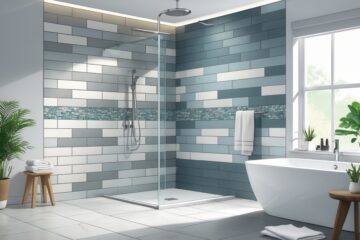
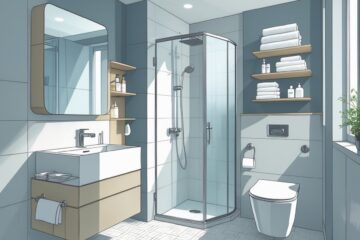
Your bathroom renovation is a great chance to make choices that help both the planet and your wallet. Water-saving fixtures and sustainable materials can cut your water use by up to 40%, all while giving you a stylish, modern space.
These upgrades aren’t just about being eco-friendly—they save you money on bills and make your home more attractive to buyers who care about sustainability.
You don’t have to give up comfort or good design to go green. Modern water-efficient toilets, taps, and showerheads work just as well as the old ones, but use way less water.
Sustainable materials like bamboo flooring, recycled tiles, and low-VOC paints help you avoid harsh chemicals. Whether you’re planning a full remodel or just a few upgrades, eco-friendly choices make your home run smoother.
More people are waking up to the need for resource conservation and healthier living spaces. Even small changes, like installing low-flow showerheads or using reclaimed wood, can shrink your environmental footprint right away.
Key Takeaways
- Water-saving fixtures can cut your usage by up to 40% and bring down utility bills fast.
- Sustainable materials like bamboo, recycled tiles, and low-VOC paints make bathrooms healthier.
- Eco-friendly renovations boost your home’s value and attract buyers who care about the environment.
Key Benefits of Eco-Friendly Bathroom Renovations
Going green in your bathroom brings real benefits. You’ll use less water and energy, and your space will be healthier thanks to better materials and smarter fixtures.
Environmental Impact and Water Conservation
Old-school bathrooms waste a ton of water with outdated fixtures and less-than-ideal design. Low-flow toilets use just 4.5 litres per flush, way down from the 13 litres older models need.
Water-saving showerheads can drop your flow rate to 7.5 litres per minute without making showers feel weak. Just swapping out fixtures can shrink your water use by 30-50%.
That’s thousands of litres saved each year for most households. Dual-flush toilets give you more control, with separate buttons for liquid and solid waste.
Tap aerators and sensor faucets help too. Every litre saved means less energy used to pump, treat, and heat water in your home.
Cost Savings and Long-Term Value
You’ll notice lower water bills within the first month of installing water-saving fixtures. Most households save £200-400 a year on water and energy.
Switching to energy-efficient lighting, like LEDs, can cut your electricity use by up to 75%. The upfront cost for eco-friendly fixtures usually pays off in two to four years.
Your property value gets a bump since buyers love sustainability and lower running costs. Plus, modern fixtures last longer and need less maintenance.
Better ventilation and efficient lighting add to the savings over time. You’ll spend less on repairs and replacements, and honestly, who doesn’t want that?
Healthier Indoor Air Quality
Low-VOC paints and sealants don’t release nasty chemicals the way traditional products do. VOCs can cause headaches, breathing problems, and worse.
Natural materials like bamboo and recycled glass tiles don’t give off toxic stuff. Good ventilation systems pull out extra moisture and keep mold away.
Energy-efficient exhaust fans run quietly and maintain good air flow. You’ll probably notice fewer allergens and just fresher air in your bathroom.
Natural cleaning products and sustainable materials make things healthier, especially in small bathrooms where air doesn’t move much.
Water-Saving Fixtures for Maximum Efficiency
Modern water-efficient fixtures can cut your bathroom water use by 30-50% without compromising performance. Swapping in low-flow toilets, showerheads, taps, and smart systems brings real savings on both your bills and your environmental impact.
Low-Flow Toilets and Dual-Flush Systems
Toilets make up about 30% of household water use, so they’re a top target for water-saving upgrades. Old toilets use 13-19 litres per flush, but modern low-flow models use 4.8 litres or less.
Dual-flush toilets give you two options: a smaller flush (3-4 litres) for liquids and a full flush (6 litres) for solids. That can save up to 67,000 litres per year for a typical household.
Low-flow toilets rated at 1.28 gallons per flush (about 4.8 litres) use advanced designs to keep flushing power strong. Pressure-assisted toilets use compressed air to boost efficiency with less water.
Look for WaterSense or similar certifications when you shop. Those models meet strict standards and don’t need double-flushing.
Efficient Showerheads and Water-Saving Showers
Old showerheads use 15-25 litres per minute. Low-flow showerheads can bring that down to 6-9 litres per minute.
That’s up to 60% less water used per shower, without losing pressure. Aerated showerheads blend air with water for a strong spray that feels good.
Laminar-flow models deliver steady streams without mixing air, which helps keep water warm. Showers with flow restrictors limit output automatically.
Some even have pause buttons so you can stop the water while you lather up or shampoo. That little feature can save a surprising amount of water.
Smart shower systems let you set temperature and duration. Digital controls help you track usage and keep things efficient.
Low-Flow Taps and Aerators
Bathroom taps can waste plenty of water during daily routines. Standard taps flow at 10-15 litres per minute, but low-flow taps cut that to 6 litres or less.
Aerators are cheap and screw right onto your tap. They mix in air, so you still get good pressure but use 30-50% less water.
Most aerators cost under £10 and are super easy to install. Low-flow faucets have built-in restrictors and keep the flow steady, no matter your water pressure.
Aerated taps give you a softer, splash-free stream that feels fuller than it is. Honestly, you probably won’t even notice you’re saving water.
Sensor and Smart Tap Innovations
Sensor taps use infrared to sense your hands and turn water on or off automatically. No more taps left running by accident—and you don’t have to touch anything, which is great for hygiene.
They usually shut off after 30-60 seconds of inactivity. Residential versions focus on saving water, while commercial ones might run a bit longer.
Smart taps with digital displays show the water temp and flow. Some connect to home automation so you can track daily use and set limits.
Temperature-controlled smart taps heat water instantly to your preferred setting. That means no more running the tap while you wait for hot water—less waste, more convenience.
Sustainable and Eco-Friendly Materials
The materials you pick for your renovation can really lower your environmental impact and make your bathroom a healthier place. Bamboo and cork are super renewable, while reclaimed wood and recycled glass give your space character and sustainability.
Bamboo and Cork Options
Bamboo grows incredibly fast—just three to five years to mature—so it’s one of the most renewable resources out there. Bamboo flooring is water-resistant if sealed right and stands up well in damp bathrooms.
Cork flooring comes from tree bark that regrows, so the tree stays healthy. It feels warm and comfy underfoot, and naturally resists mold and mildew.
Cork’s antimicrobial properties make it perfect for bathrooms where moisture and bacteria can be tricky. Bamboo isn’t just for floors; you can use it for vanities, cabinets, and even accessories like bamboo toothbrushes.
The natural grain adds warmth to any bathroom style. Both bamboo and cork need less processing than synthetic stuff, which helps shrink your renovation’s carbon footprint.
Reclaimed Wood and Reclaimed Materials
Reclaimed wood brings unique personality to bathrooms and keeps materials out of landfills. Salvaged timber from old buildings or barns often has cool grain patterns and weathering you just can’t fake.
Every piece tells a story with its imperfections and aged look. Reclaimed materials aren’t just wood—think vintage mirrors, salvaged fixtures, and repurposed metal.
Using these materials means less new stuff needs to be made, which is always a win. You’ll find reclaimed wood for vanities, shelves, and wall panels at salvage yards or specialty shops.
Seal reclaimed wood well to protect it from moisture. Go for non-toxic sealants to keep the look while adding water resistance.
Recycled materials like old metal can become towel bars or cabinet handles, adding a bit of industrial flair and supporting a circular economy.
Recycled Glass and Glass Tiles
Recycled glass tiles turn old bottles and windows into beautiful bathroom surfaces. They’re as tough as regular ceramic tiles but use less energy and resources to make.
The manufacturing process for recycled glass uses way less heat than starting from scratch. These tiles come in tons of colours, sizes, and finishes, letting you get creative with your design.
Glass is non-porous, so it naturally resists mold and stains. You can use recycled glass for shower walls, backsplashes, or accent strips.
Recycled glass also works great for countertops and vanities, especially when mixed with resin or concrete. You get a unique sparkle and depth that’s hard to beat.
Many brands now label the recycled content clearly, so it’s easier to make a sustainable choice.
Low-VOC and Eco-Friendly Paints and Sealants
VOCs (volatile organic compounds) are chemicals that evaporate and pollute indoor air. Regular paints release these for months, causing headaches and breathing issues.
Low-VOC paints have way less of these chemicals but still give good coverage. VOC-free paints go even further, and they’ve gotten a lot better in recent years.
Eco-friendly paints might use plant oils, clay, or mineral pigments. Natural sealants made from plant oils and waxes protect against water without synthetic stuff.
Look for certified products to make sure they’re actually sustainable. These sustainable materials help keep your indoor air cleaner, which matters a lot in small, steamy bathrooms.
Advanced Water Recycling and Management
Some modern bathrooms now use systems that capture and reuse water, slashing overall consumption by 30-50%. Greywater recycling, rainwater collection, and waterless toilets all help save thousands of litres each year.
Greywater Systems and Greywater Recycling
Greywater systems collect water from your sink, shower, and bath to reuse for flushing toilets or watering the garden. This water makes up 50-80% of household wastewater, but it’s not as dirty as toilet water.
A basic greywater system costs about £800-£3,000 to install. It filters out hair, soap, and debris, then stores the water in a tank.
You’ll need space for a 100-300 litre tank, usually in the basement, garage, or buried outside. Some systems just filter for garden use, while advanced ones treat the water so it’s safe for toilet flushing.
It’s important to use biodegradable, low-phosphate soaps and shampoos to keep the system running smoothly. Building codes require proper installation and backflow prevention, so don’t skip the details.
Regular maintenance—like cleaning filters and checking the tank—keeps things working well. Aim for a check every 3-6 months.
Rainwater Harvesting Solutions
Rainwater harvesting grabs roof runoff for non-potable bathroom uses, mainly toilet flushing. A typical UK home can collect anywhere from 24,000 to 100,000 litres a year, depending on roof size and local rainfall.
You’ll need guttering, a storage tank (1,500-10,000 litres), filtration, and a pump. Underground tanks save garden space but can cost more to install (£2,500-£6,000) compared to above-ground tanks (£1,500-£4,000).
A first-flush diverter helps remove debris and leaves from the first bit of rainfall. Water quality stays high enough for toilet flushing with just basic filtration.
The system runs independently from mains water but still needs a backup for dry spells. Payback usually takes 10-15 years, mostly through lower water bills.
Composting Toilets and Alternative Approaches
Composting toilets ditch water use entirely, turning waste into compost by aerobic decomposition. They’re ideal for off-grid bathrooms, garden studios, or anyone really committed to saving water.
Modern composting toilets stay odour-free thanks to ventilation fans and separate chambers for liquid and solid waste. Self-contained units cost £800-£2,500 and need weekly maintenance.
Split systems with external composting chambers handle more waste and need monthly servicing. These usually cost £3,000-£8,000.
You’ll need to add carbon-rich material like sawdust or coconut coir after each use to keep decomposition working right. Composting takes 6-12 months before it’s safe for the garden.
Composting toilets work best in well-ventilated spots with outside wall access for venting. Building regulations can restrict installation in main homes, so you might need planning permission.
Energy-Efficient Lighting, Heating, and Ventilation
Switching to energy-efficient options in your bathroom can seriously cut utility bills and shrink your environmental footprint. LED lighting, natural light, smart heating, and proper ventilation all play a part in creating a comfortable, efficient space.
LED Lighting and Energy-Efficient Fixtures
LED lighting uses up to 75% less energy than old-school bulbs and lasts way longer. LEDs work great in bathrooms—they turn on instantly and don’t mind damp conditions.
You can go for LED downlights, mirror lights, or strip lighting around your vanity. Many include dimmer switches so you can tweak the brightness.
Motion-sensor lights are a smart move for bathrooms. They come on when you enter and switch off after a set time.
Energy-efficient lighting options:
- LED downlights for general lighting
- LED mirror cabinets with built-in lights
- Motion-sensor ceiling lights
- Dimmable LED spotlights
- Energy-saving wall sconces
The upfront cost for LEDs is higher, but they pay off over time with lower electricity bills. LEDs often last 15 to 25 years with normal use.
Maximising Natural Light and Skylights
Natural light cuts your need for artificial lighting during daylight hours. Skylights are a solid option for bathrooms that lack windows or have limited wall space.
Adding a skylight brings in sunlight and can make the room feel bigger. Modern skylights have double glazing and rain sensors that shut them automatically.
Some even come with built-in blinds for privacy and light control. If a skylight just won’t fit, try a sun tunnel.
Sun tunnels use a roof dome and reflective tube to bring sunlight into smaller bathrooms. Frosted or textured glass windows let in light but keep things private.
Mirrors placed opposite windows help reflect daylight around the room.
Smart Heating and Underfloor Solutions
Underfloor heating spreads warmth evenly across the floor. It uses less energy than radiators since it runs at lower temperatures but still keeps the space cozy.
Electric underfloor heating mats are easy to install during renovations. Pair them with a programmable or smart thermostat to control when the heat comes on.
Set it to warm up before you wake up and turn off when you leave. That way, you only use energy when you need it.
Heating options to consider:
- Electric underfloor heating with programmable controls
- Heated towel rails with timers
- Smart thermostats that learn your routine
- Solar water heating systems for hot water
Solar water heating uses roof panels to heat water and can provide up to 60% of your hot water needs yearly. It works with your boiler or as a backup for electric showers.
Electric showers heat water on demand, so you only use energy for the water you actually need.
Effective Ventilation and Humidity Control
Good ventilation keeps mould at bay and clears out excess moisture. Energy-efficient ventilation systems move air well while using very little electricity.
Install an extractor fan with a humidity sensor. These fans kick in when moisture rises and run until it’s safe again.
They use less energy than fans on fixed timers. Natural ventilation—just opening a window—works when the weather allows.
After showering, crack a window to release steam. But let’s be real, mechanical ventilation is a must for those times when opening a window isn’t practical.
Modern extractor fans sometimes have heat recovery features. They grab warmth from outgoing air and transfer it to fresh air coming in.
Fans with low wattage ratings and ball-bearing motors run quietly and last longer. Place your extractor fan near the shower or bath where most moisture builds up.
Accessorising Your Sustainable Bathroom
Bathroom accessories can really help cut environmental impact without sacrificing style or function. Small choices—like the right towels, tech, or cleaning products—can round off your eco-friendly renovation.
Eco-Friendly Towels and Accessories
Organic cotton towels keep harmful pesticides and chemicals out of your bathroom and offer great absorbency and durability. They’re grown without synthetic fertilisers and use less water than regular cotton.
Look for GOTS (Global Organic Textile Standard) certification to make sure your towels meet strict standards. Bamboo towels are another good choice.
Bamboo grows fast, doesn’t need pesticides, and uses very little water. Its fibres naturally resist bacteria and odours, so you don’t have to wash them as often.
Sustainable accessories to consider:
- Bamboo toothbrush holders and soap dishes
- Recycled glass storage containers
- Natural loofah or hemp shower accessories
- Cork bath mats that naturally resist mould
- Ceramic dispensers for liquid soap and shampoo
Swap disposable stuff for reusable alternatives. Cloth makeup remover pads, refillable soap dispensers, and metal razor handles can really cut down plastic waste.
Smart Technology and Bathroom Upgrades
Smart mirrors with LED lighting use up to 75% less energy than traditional bulbs and give you better light for your morning routine. Many have anti-fog features, so you won’t need to keep the ventilation running.
Motion sensor taps shut off automatically to prevent water waste, cutting water use by up to 70%. Some let you preset water temperature, so you don’t waste water waiting for it to heat up.
Digital shower controls let you set water temperature and flow rates exactly how you like. You can even set timers to track shower duration and keep water use in check.
Some systems connect to smartphone apps that monitor your water consumption. Smart ventilation fans with humidity sensors only run when needed, improving air quality and saving electricity.
Certain models even have heat recovery systems to capture warmth from extracted air.
Maintaining a Healthy and Sustainable Space
Plant-based cleaning products keep your bathroom clean without harming your health or the environment. White vinegar, bicarbonate of soda, and castile soap handle most jobs just fine.
These natural alternatives skip harsh chemicals that can pollute waterways. Natural air fresheners like essential oil diffusers or bowls of bicarbonate of soda clear odours without aerosols or synthetic scents.
Indoor plants like spider plants or peace lilies filter air and soak up extra moisture. Microfibre cleaning cloths do a great job with just water—no chemical cleaners needed.
One microfibre cloth can replace hundreds of disposable wipes over its life. Check for leaks monthly, clean aerators every few months, and service your water heater once a year.
These habits help your bathroom upgrades last longer and run efficiently.
Frequently Asked Questions
Water-saving showerheads with air-injection tech can give you strong pressure at 1.5-1.8 gallons per minute. Dual-flush toilets using 1.28 gallons per flush meet WaterSense standards.
Recycled glass tiles, reclaimed wood vanities, and cork flooring are all practical ways to add sustainable materials to your bathroom without giving up durability.
What are the best low-flow showerheads to reduce water usage without compromising on pressure?
The best low-flow showerheads use air-injection tech to keep the pressure up while cutting water flow to 1.5-1.8 gallons per minute. This mixes air with water for a full spray.
Look for WaterSense certification, which means a max flow rate of 2.0 GPM and strict performance standards. Brands with air-injection systems usually deliver a satisfying shower at these lower flow rates.
The trick is finding fixtures that balance efficiency and comfort. A 5-minute shower with a 2.0 GPM WaterSense head uses just 10 gallons—compared to 25 gallons with a standard 2.5 GPM head.
Can you recommend water-efficient toilets that meet modern environmental standards?
Dual-flush toilets with WaterSense certification are the go-to for water efficiency in UK bathrooms. They use 1.28 gallons per flush or less for solids, and even less for liquids.
WaterSense toilets get independently tested for efficiency and performance—waste removal, bowl cleaning, and drainline transport. These high-efficiency toilets can save nearly 13,000 gallons of water a year versus older models.
Advanced flush valves and bowl designs make sure you only need one flush.
How can I incorporate recycled materials into my bathroom renovation?
Recycled glass tiles are a great option for walls and backsplashes, keeping waste out of landfills. They come in lots of colours and patterns, so you can get creative.
Reclaimed wood is perfect for vanities and shelves if it’s sealed against moisture. Salvaged timber from old buildings prevents deforestation and adds character.
Recycled glass and concrete make solid choices for countertops and sinks. Concrete countertops with recycled content are tough and eco-friendly.
Copper fixtures with up to 80% recycled content are another sustainable pick.
What types of sustainable flooring options are available for bathrooms?
Cork flooring is a renewable option harvested from bark without hurting the tree. It’s naturally antimicrobial and comfy underfoot, but it does need proper sealing.
Bamboo grows fast—ready in 3-5 years. Pick FSC-certified bamboo with low-VOC glues to avoid formaldehyde. Bamboo is water-resistant, though not totally waterproof.
Natural stone and ceramic tiles made from earthen materials don’t emit VOCs. True linoleum (from linseed oil, wood flour, and cork dust) is a natural alternative to vinyl.
Recycled glass tiles work especially well in bathrooms thanks to their water resistance and eco benefits.
Which water-saving taps offer the most efficient performance for bathrooms?
Water-saving taps with aerators cut flow rates while keeping the pressure feeling strong by mixing air into the stream. These can slash water use by 30-50% compared to regular taps.
Look for taps with flow rates of 1.5 litres per minute or less for basins. Many modern taps have built-in flow restrictors to limit water output without hurting performance.
Sensor-activated taps stop water waste from taps left running and let you control exactly how long they run. Stainless steel and solid brass taps are durable and highly recyclable, with stainless steel often containing around 60% recycled content.
Are there any particular brands that specialise in eco-friendly bathroom fixtures?
A handful of manufacturers really lean into water-efficient bathroom fixtures with legit sustainability chops. Moen, for example, uses Eco-Performance tech in their showerheads and taps.
Hansgrohe’s got their own thing going with EcoSmart systems. These tweak spray patterns so you use less water but still get a decent shower.
Both brands offer WaterSense-certified products, which means they actually meet EPA efficiency and performance standards. If you’re browsing, check if the manufacturer shares details about recycled content in their materials or how they make their stuff.
Some brands even go further and use sustainable metals like stainless steel, solid brass, or reclaimed copper. If you want to make sure the fixture’s really eco-friendly, look for certifications like WaterSense, FSC for any wood, or GreenGuard for low-VOC materials.
It’s not always easy to tell what’s greenwashing and what’s real, but those certifications help cut through the noise.