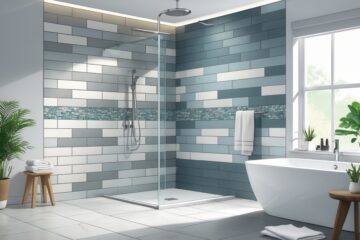
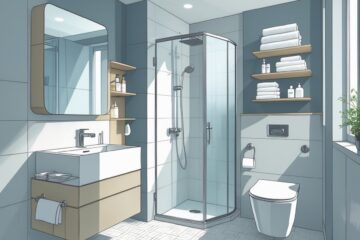
Renovating your bathroom starts with picking the right suite. The options out there can take your space from tired to truly impressive.
A bathroom suite is a matching set of fixtures—usually a toilet, basin, and either a bath or shower enclosure—designed to work together in both style and function. Whether you’re working with a cramped cloakroom or a roomy family bathroom, the right suite will help you make the most of your space and even add value to your home.
Choosing a bathroom suite isn’t just about what looks nice. You’ll need to think about your available space, water pressure, budget, and how the suite will fit into your everyday life.
From bold Victorian vibes to ultra-modern fixtures, bathroom suites come in all sorts of styles for different tastes and needs.
This guide covers everything you’ll want to know about picking the best bathroom suite for your renovation. We’ll talk about types of suites, how to plan your space, which materials hold up best, and how to make choices that won’t wreck your budget.
Key Takeaways
- Bathroom suites bundle matching toilets, basins, and baths or showers for a coordinated look—plus, you’ll usually save money compared to buying bits separately.
- Planning is key: measure carefully, know your water pressure, and look at space-saving options to make sure your suite fits and works properly.
- Quality materials, styles that fit your home, and a realistic budget help you build a bathroom that looks great and functions well, without overspending.
What Is a Bathroom Suite?
A bathroom suite is a matching set of sanitaryware—basically, the main fixtures you need for a working bathroom. Typically, you get a toilet, basin, and bath, all in coordinated styles and finishes.
These suites are built to look good together and work well as a set. You get matching proportions, shapes, and colors, so you’re not stuck trying to mix and match random pieces.
Most bathroom suites include:
- Toilet (close-coupled, back-to-wall, or wall-hung)
- Basin (pedestal, wall-mounted, or vanity unit)
- Bath (straight, corner, or shower bath)
Some suites throw in taps, waste fittings, or even extras like mirror cabinets or storage. What’s included depends on the brand and price.
Bathroom suites make shopping easier by packaging up pieces that work together. You don’t have to worry about mismatched waste outlets or awkward installation heights.
Suites come in styles to match your taste. Modern suites keep it sleek and simple. Traditional ones lean into decorative details and classic shapes. Contemporary options often blend both, with softer lines and neutral colors.
Consistency is the big win here. Every piece shares the same design language, so your bathroom feels pulled together. Plus, you usually spend less than if you bought everything separately.
Core Components of Bathroom Suites
A bathroom suite brings together the essential fixtures you need, all designed to work as a set. Each piece does its job while keeping the look unified—think toilets, basins, baths, showers, and all those little fittings.
Baths and Showers
Your choice between a bath, shower, or combo depends on your space and how you use the bathroom. Standard baths are 1700mm long, perfect for family spaces where soaking is a must.
P-shaped and L-shaped baths let you have a proper shower and bath in one, which is handy in mid-sized rooms. Walk-in showers give a modern touch and fit well in smaller bathrooms, needing at least 900mm x 900mm of floor space.
Enclosed shower cubicles keep water contained and tuck nicely into corners or alcoves to save space. Suites that include baths and showers often come with matching screens, panels, and trays.
Acrylic baths are light and keep water warm longer than steel. Stone resin shower trays are flat, slip-resistant, and tougher than basic acrylic.
Toilets and Loos
Toilets come in three main types, each changing how much floor space you use and how your bathroom looks. Close-coupled toilets have the cistern right on the pan—pretty standard in the UK and usually stick out 650-700mm from the wall.
Back-to-wall toilets hide the cistern in furniture or the wall, giving a sleeker look. Wall-hung loos fix to a hidden frame and float above the floor, reducing the projection to about 500mm and making cleaning a breeze.
Modern toilets use water-saving flushes, usually 4-6 litres per go, much less than older models. Soft-close seats are common now, too—no more slamming lids.
Basins and Sinks
The basin you pick affects storage and the whole look. Pedestal basins hide pipes in a column and work for both classic and modern styles. They stick out about 450-550mm from the wall.
Wall-hung basins mount straight to the wall, creating a floating vibe that’s great for modern spaces. Countertop basins sit on furniture or worktops and often come with vanity units for extra storage.
Semi-recessed basins are partly set into countertops, giving you some depth without sticking out too much. Corner basins are a lifesaver in tiny cloakrooms, using up awkward spaces. Basin widths go from 400mm for small cloakrooms up to 800mm for double sinks.
Taps, Fittings, and Accessories
Taps control water flow and temperature for all your fixtures. Mixer taps blend hot and cold water in one spout, while pillar taps keep them separate.
Bath fillers sometimes have built-in shower heads for flexible washing. The finish matters, too—chrome is easy to keep shiny and matches most styles, but brushed nickel or matt black look sharp in modern rooms (though you might end up wiping off more water marks).
Thermostatic shower valves keep water at a steady temp and stop scalding. Accessories like towel rails, soap dispensers, loo roll holders, and mirrors round out your suite, all in matching finishes.
Popular Types of Bathroom Suites
Bathroom suites come in a bunch of styles, each with its own vibe and features. Whether you want something super sleek or more traditional, there’s a suite out there for you.
Modern Bathroom Suites
Modern bathroom suites go for clean lines, minimalist shapes, and clever features. You’ll spot wall-hung toilets, floating vanities, and frameless glass showers that make the room feel bigger.
These suites usually stick to neutral colors and finishes like chrome or matt black. Fixtures are often geometric—think sharp edges and smooth surfaces. Some even add smart tech like digital showers and sensor taps.
Storage hides away in built-in cabinets and concealed cisterns. Modern suites work especially well in new homes or flats where space is tight and you want everything tidy.
Traditional Bathroom Suites
Traditional suites bring in old-school charm with Victorian or Edwardian-inspired details. Expect ornate touches, curved edges, and vintage-style fixtures.
You’ll see high-level or low-level toilets with ceramic cisterns, roll-top freestanding baths, and pedestal basins with decorative patterns. Taps often have crosshead handles and come in brass, gold, or chrome. The materials lean classic—lots of ceramic and period styling.
These work best in older homes or places where you want to keep some historic character. The fixtures tend to be bigger and bolder than modern ones. Add patterned tiles or wood panelling for a true heritage look.
Luxury Bathroom Suites
Luxury suites mix premium materials with standout features and serious craftsmanship. You’ll find things like stone basins, copper or cast iron baths, and designer fixtures that really pop.
Expect spa-like extras—rainfall shower heads, body jets, thermostatic controls. Materials go beyond basic ceramics, with marble, granite, and stone resin finishes. High-end suites last longer and look incredible.
Storage usually comes as custom vanity units with soft-close drawers and built-in lighting. You might get coordinated accessories, heated towel rails, even underfloor heating. Luxury costs more, but if you want to make a statement, it’s worth it.
Family Bathroom Suites
Family bathrooms have to balance practicality, safety, and accessibility for everyone. You’ll want a suite with both a bath and separate shower to cover all bases.
Durability and easy cleaning are big priorities. Four- or five-piece suites work well—think toilet, basin, bath, and shower enclosure. Storage is a must, so go for vanities with plenty of cabinet space.
Safety features matter here. Look for slip-resistant shower trays, thermostatic valves to avoid scalds, and rounded edges on fixtures. Wall-hung toilets make cleaning the floor easier, and soft-close seats stop little fingers from getting squished.
Space-Saving Solutions and Cloakroom Suites
Small bathrooms need clever fixtures that squeeze every bit of function out of the space. Corner toilets, wall-hung vanities, and slim basins can turn even tiny rooms into usable, stylish spaces.
Cloakroom Suites
Cloakroom suites are perfect for downstairs loos and guest bathrooms where space is at a premium. These compact sets usually offer a short projection toilet and a mini basin, with solid options running £150 to £300.
Corner toilet and sink suites fit snugly into tight spots—think under the stairs. You can get a combined set for £180 to £280 and make use of tricky corners.
Wall-hung vanity units keep the floor clear, making the room feel bigger. Expect to pay £265 to £600, depending on size and finish. The 410mm wall-hung vanity with WC starts at £265.
If you want to save water and space, 2-in-1 toilet and sink combos reuse handwashing water for flushing. These start at £229 and are a smart eco choice.
Compact and En Suite Designs
Slimline vanity units offer storage without taking over the room. These narrow fixtures combine a basin with drawers or cupboards, costing about £100 to £250, depending on what they’re made of.
Back-to-wall toilets tuck the cistern away behind a unit, giving a clean, modern look while freeing up floor space. Pair them with a freestanding vanity, and you’re looking at £350 to £620 for a coordinated set.
Short-projection toilets stick out less than standard ones—handy for squeezing into small family bathrooms. Toilet and basin sets usually cost £230 to £350.
L-shaped shower bath suites are the answer when you can’t fit separate fixtures. You get a full-size bath with a standing area for showering, and compact versions run £500 to £750.
Shower Enclosures and Layout Options
Corner entry shower enclosures work well in rooms where you don’t have much space for doors to swing open. Sliding doors save even more space, and corner installs keep the floor clear. Prices range from £260 to £700 for smaller models.
Complete bathroom suites with storage bundle everything you need: toilet, basin or vanity, and a bath or shower enclosure. You can pick up one of these all-in-one packs for £265 to £400. They’re great for renters or anyone doing a quick DIY update.
Always measure your floor plan before buying shower enclosures. Make sure there’s room for doors, drawers, and plumbing. Quadrant enclosures fit nicely in corners, while offset designs help make the most of odd-shaped rooms.
Choosing Materials and Quality for Bathroom Suites
The materials you pick will shape how your bathroom looks, how long it lasts, and how much upkeep it needs. From budget ceramics to high-end natural stone, each option brings its own pros and cons.
Ceramic, Porcelain, and Acrylic
Ceramic is still the most common material for toilets and basins in UK bathrooms. Its smooth, glazed finish resists stains and cleans up easily with everyday products.
You can expect ceramic sanitaryware to cost between £150 and £600 for a full suite. Porcelain offers similar perks but is denser and tougher.
It’s less porous, so it shrugs off chips and scratches better. You’ll spot porcelain in modern and traditional bathroom suites where durability is a top priority.
Acrylic works especially well for baths because it’s lightweight and keeps heat in. An acrylic bath weighs about 60% less than cast iron, which makes installation easier.
It holds water temperature longer than ceramic or steel, though it does scratch more easily than harder surfaces.
Natural Stone and Composite Materials
Natural stone basins really stand out in luxury bathrooms. Granite, marble, and limestone each have their own unique look and feel.
Stone needs sealing every 6 to 12 months to stop water soaking in and causing stains. Composite materials mix natural minerals with resins for a durable, non-porous surface.
They resist scratches better than acrylic and keep that stone-like vibe. Composite sanitaryware usually costs 30% to 50% more than standard ceramic, but it tends to last longer.
Stone effect finishes give you the look of natural materials, minus the heavy maintenance. You’ll see these on modern vanity units and shower trays.
Maintenance and Durability
Ceramic and porcelain toilets and basins just need regular cleaning with gentle products. These materials handle most household cleaners well and keep their finish for 20 to 30 years if you take care of them.
Acrylic baths need a bit more caution—use mild cleaners and skip the scouring pads. You can buff out small scratches with special acrylic polish.
Natural stone is fussier than manufactured materials. You have to reseal it regularly and wipe up spills quickly to avoid stains.
Stone can last for decades, but only if you keep up with maintenance. Look for even glaze on ceramic, consistent thickness in acrylic, and a smooth waste outlet on all sanitaryware.
Planning, Installation and Budget Considerations
Setting a realistic budget and knowing what installation involves can make or break your bathroom renovation. Professional fitting often takes up 40 to 60 percent of total project expenses.
Budgeting for Your Bathroom Renovation
You’ll need to budget for the suite, installation labour, and extra components. Entry-level suites start at £150 to £600 and suit smaller spaces or rentals.
Mid-range options run from £600 to £1,500 and give you better materials and more design choices. High-end suites over £1,500 come with designer finishes and premium materials for luxury projects.
Installation usually adds another £500 to £2,500, depending on how tricky the job is and where you live. In London and the South East, expect to pay 15 to 25 percent more.
Accessories like taps, shower heads, towel rails, and mirrors can add £200 to £800 to your bill. Tiling, flooring, lighting, and ventilation upgrades may tack on another £1,000 to £3,000, depending on the room and materials.
Certified Plumber and Professional Installation
Bathroom suite installation needs Gas Safe plumbers for anything involving water heaters or boilers. Qualified electricians handle lighting and electric showers.
A certified plumber makes sure everything meets Building Regulations Part G for sanitation and water use. Most standard bathrooms take three to seven days to fit professionally.
If you’re moving pipework or making structural changes, it can stretch to two weeks. Your installer should sort out plumbing and electrics before fitting anything, then test all systems carefully before wrapping up.
Wall-hung toilets and concealed cisterns call for precise wall reinforcement and careful measurements. Get this wrong, and you could face leaks or expensive repairs.
Always check your tradesperson’s certifications and insurance before any work starts.
Common Mistakes to Avoid
Choosing style over function can backfire. If a suite looks great but doesn’t fit your daily routine, it just wastes money and space.
Measure your bathroom carefully and think about door swings—you need at least 600mm of clear space for doors to open. Ignoring your current plumbing setup can get expensive fast.
Moving waste pipes and water supplies can add £500 to £1,500 to your labour costs. Stick with suites that match your existing layout if you can.
Don’t skip ventilation upgrades. Without good airflow, you’ll get mould and materials will break down faster.
Fit an extractor fan that matches your room size—usually 15 litres per second for bathrooms under 8m².
Frequently Asked Questions
Space, durability, and budget drive most bathroom renovation choices. Accessibility needs and eco-friendly options are worth thinking about too.
What are the most space-efficient layouts for a small bathroom renovation?
Corner installations make the most of tight spaces. Quadrant or triangular shower enclosures tuck neatly into corners, and corner basins fit awkward spots.
Wall-hung toilets and sinks open up more floor area since they don’t have bulky bases. That makes cleaning underneath a breeze.
Sliding shower doors save space compared to hinged ones that need extra clearance. Combined units with a sink and toilet cistern in one piece of furniture cut down on wasted space.
If you’re really squeezed, consider skipping the bath for a roomy shower. Space-saving suites with slimline furniture and mirrored cabinets help you stash stuff without making the room feel cramped.
How do different materials impact the longevity of bathroom suites?
Ceramic is still the go-to for sinks, toilets, and baths because it resists water damage and stains. Quality ceramic from highly-rated bathroom brands can last decades.
The thickness of glass in shower enclosures matters—a lot. Screens range from 4mm to 10mm thick, and the thicker ones hold up better.
Toughened safety glass is a smart pick for family bathrooms, since it resists chips and cracks better than standard glass. Frameless glass looks sleek but can chip more easily than framed types.
Stone and marble sinks look amazing but need more upkeep than ceramic. Hard water areas make cleaning tougher, no matter what material you choose.
Acrylic baths cost less but scratch or stain more easily over time. Honestly, the quality you can afford often matters more than the material itself.
Which bathroom suite features offer the best value for a mid-range renovation budget?
Dual-flush toilets cut water use without costing much extra. Soft-close toilet seats stop slamming and tend to last longer.
Mixer taps give you better temperature control than separate hot and cold taps, and they’re usually just a bit pricier. Wall-mounted taps add style without the big spend of freestanding ones.
Vanity units combine storage with a sink, so you get more function for your money. They hide ugly pipework and give you extra surface area.
Standard-sized shower trays and enclosures are much cheaper than custom options. If you plan your layout around common sizes, you’ll save without giving up quality.
Thermostatic shower valves keep water temperature steady and prevent scalding, which is a big plus for families. Glass coatings that cut down on soap build-up cost more upfront but save you cleaning headaches over time.
What are the latest trends in eco-friendly and water-saving bathroom fittings?
Dual-flush systems on toilets let you pick a full or partial flush, cutting water use. That’s a win for your bill and the environment.
Low-flow shower heads keep up the pressure but use less water per minute. These days, you don’t have to sacrifice performance for efficiency.
Aerated taps mix air with water, so you get strong flow but use less water. You still wash just as well.
Digital showers offer precise temperature control and can include timers to limit shower time. Some even remember settings for different family members.
Rainwater harvesting for toilet flushing costs more to set up but saves a lot of water long-term. It’s ideal for new builds or big renovations.
Sensor taps stop water waste from taps left running—great for families with kids.
How do I choose a bathroom suite that will complement the style of my home?
Traditional claw-footed, roll-top baths work beautifully in period homes. Classic close-coupled toilets keep that vintage vibe but still function like modern fixtures.
Contemporary homes look great with wall-hung toilets and floating sinks with crisp lines. Frameless glass shower enclosures add to the minimalist feel.
Vessel or counter-top sinks make a statement in both modern and transitional styles. Pair them with wall-mounted or waterfall taps for extra flair.
Don’t underestimate your tap choice—it can really define the look of your suite. A bold tap can turn even a basic sink into a feature.
Freestanding baths stand out in bigger bathrooms and come in both classic and modern shapes. Fitted baths work better for smaller spaces and busy family bathrooms.
Think about how your bathroom flows with the rest of your home. Keeping some design elements consistent ties everything together nicely.
What are the key considerations for ensuring a bathroom suite is accessible to individuals with mobility issues?
Wall-hung toilets let you choose the height, which really helps if someone struggles with standard low toilets. Honestly, most standard toilets just aren’t high enough for comfort if mobility’s a challenge.
Walk-in showers with level access take away the hassle of stepping over a bath edge or shower tray. Wet rooms, as long as the drainage is sorted, make life way easier for wheelchair users.
Grab rails need to be fixed securely to the wall—don’t guess their placement after tiling, plan ahead. It’s smart to put rails near the toilet, shower, and even the bath if you’re keeping one.
Shower seats come in handy for anyone who can’t stand for long. Built-in seats usually feel sturdier than the portable ones, though both have their place.
Thermostatic shower valves keep the water temperature steady, so you don’t get any nasty surprises. It’s a must-have for folks with reduced mobility, but honestly, who enjoys a sudden blast of hot or cold water?
Wheelchair users need enough space to turn comfortably. Aim for at least 150cm of clear floor space in diameter—anything less feels cramped.
Lever taps beat twist taps hands-down for people with limited hand strength or arthritis. Single-lever mixer taps? Easiest of all, really.