Home renovations give you a chance to transform your living space and boost your property’s value. But let’s be honest—things can spiral into expensive disasters fast if you don’t plan properly.
If you avoid common costly home renovation mistakes, you can save thousands and skip months of stress and delays.
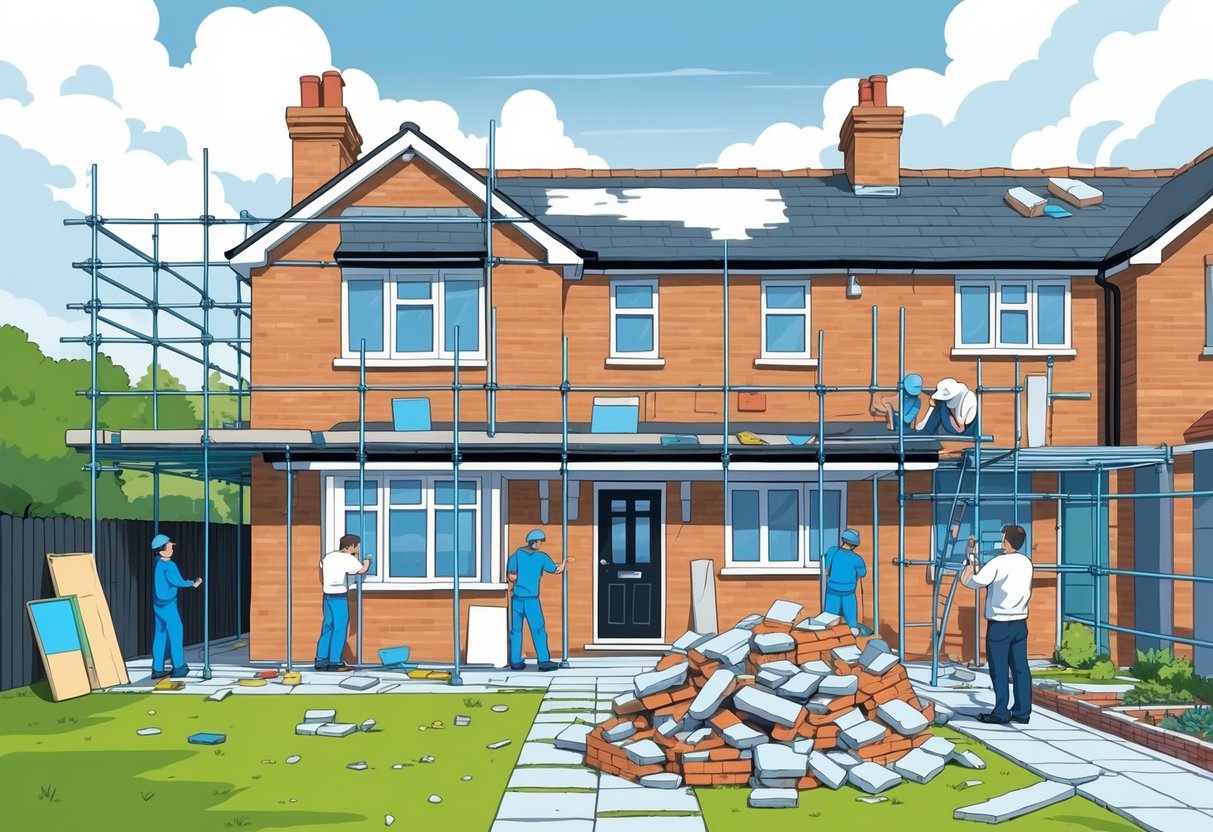
Plenty of UK homeowners underestimate how tricky renovations can get. There’s planning regulations, budgets, and picking the right contractors—it’s a lot.
Simple oversights with structural checks, permits, or materials can mean big, costly fixes later. If you get familiar with these pitfalls before you start, you’ll give yourself a much better shot at a smooth, on-budget project.
1. Ignoring a detailed renovation plan
Diving into renovations without a real plan is a classic, expensive mistake. People often start with just a rough idea and then run into costly changes and delays as things unfold.
If you skip a detailed plan, it’s tough to set a realistic budget. That’s usually when costs balloon and your finances take a hit.
Your renovation plan should spell out your goals. You need to figure out exactly what you want before anyone swings a hammer.
Lay out a timeline so trades don’t overlap and cause chaos. For example, if electricians show up before the plasterers finish, you’ll pay extra and lose your patience.
List out materials, fixtures, and finishes in advance. Picking these on the fly during construction always ends up costing more.
Bringing in professionals like architects or interior designers can help. They catch issues early and, in my experience, can save you a bundle.
Check building regulations and planning permissions before you start. It’s way better to sort out compliance issues now than to have the whole job grind to a halt halfway through.
2. Underestimating the renovation budget
Budget mistakes are everywhere in home renovations. Most people base their numbers on the best-case scenario and forget about all the little things that can go wrong.
Studies say most projects end up 20-40% over budget. Why? Because unexpected issues pop up—like hidden structural problems or ancient wiring.
Add at least a 20% contingency to whatever you think you’ll spend. That buffer is a life-saver when the inevitable surprises show up.
Material prices jump around a lot, and labour costs change depending on where you live. What looked affordable at first might be way pricier by the time you start.
Don’t forget VAT, planning fees, or even the cost of somewhere to stay if you need to move out. People always seem to miss these in their early calculations.
Get detailed quotes from a few contractors. Avoid vague estimates—you want a clear breakdown of labour and materials.
Also, think about when you’re scheduling the work. Prices and contractor availability can change a lot depending on the season.
3. Skipping professional structural inspections
It’s tempting to think you’ll spot structural problems yourself, but that’s risky. Structural engineers see things most of us would totally miss.
Foundation cracks, damaged load-bearing walls, or roof issues can hide under paint or flooring. A new coat of paint won’t fix those.
If you skip a professional inspection, you could get halfway through your project and then hit a wall—literally—when a big issue pops up.
Structural problems can ruin your home’s safety and value. Spending £500 on an inspection feels small compared to emergency repairs that can run into the thousands.
Plus, inspections help you budget properly. You’ll know what needs fixing before you spend money on the fun stuff.
Some issues need sorting out before anything else can happen. Finding them early saves time, money, and headaches.
And if you ever need to make an insurance claim or sell your place, those inspection reports come in handy.
4. Overlooking electrical and plumbing checks
Your electrical and plumbing systems need a good look before you do anything else. Skipping this step is asking for trouble later.
Old wiring can’t always handle new appliances, and it might not meet current safety standards. Sometimes you’ll need to rewire everything, which gets expensive fast.
Plumbing issues like corroded pipes or bad drainage usually stay hidden until you start ripping out walls. That’s when plans go sideways.
Have a qualified electrician check your setup before you add outlets or appliances. It keeps you from overloading circuits and needing last-minute upgrades.
Plumbers can spot dodgy pipes or other headaches before they mess up your schedule or budget. They’re worth every penny.
Building rules say electrical and plumbing work has to meet certain standards. If you don’t check early, you might have to redo work to comply—and that’s never cheap.
Book these inspections during your planning phase. Catching problems early lets you budget and tweak your plans before things get messy.
5. Choosing unqualified tradespeople
Hiring someone who’s not qualified is a recipe for disaster. Fixing bad work costs more than doing it right from the start.
Always check credentials. Ask for qualifications, insurance, and proof of trade memberships.
Look at past projects and talk to recent clients. The good ones are proud to show off their work and happy to give references.
If someone knocks on your door out of nowhere, be careful. Pros don’t usually need to cold call for jobs.
Get a few quotes so you can compare. If a price seems too low, there’s probably a catch.
Don’t pay big deposits upfront. Reliable tradespeople usually take a small deposit and the rest after the job’s done.
Check online reviews, but look for patterns—not just one or two complaints. If you see the same issue mentioned a lot, that’s a bad sign.
Make sure everything’s in writing—quotes, contracts, the lot. It protects both sides if something goes wrong.
Going cheap now often means paying more later. Quality work from real pros is worth it for your wallet and your sanity.
6. Buying cheap, low-quality materials
It’s easy to think you’ll save money with bargain materials, but that usually backfires. Cheap stuff wears out fast and ends up costing more to replace.
Your floors could get scratched in months, or your bathroom tiles might crack under normal use. Not fun.
Poor materials also make your home look worse. Cheap paint fades, plastic fixtures look tacky, and low-grade wood warps or splits.
Replacing these things adds up. You’ll pay for labour again and have to live through more disruption—nobody wants that.
When buyers see obvious cost-cutting, your home’s value takes a hit. Estate agents always notice.
It’s smarter to go for mid-range materials that last. Spend a bit more in areas like kitchens and bathrooms where durability really matters.
Do your homework before buying. Check reviews, compare warranties, and ask your tradespeople what they’d recommend for your situation.
7. Failing to obtain necessary permits
Starting work without proper permits is a shortcut that can get expensive fast. Councils need permits for most structural, electrical, or plumbing changes.
Skipping permits might seem like a time or money saver, but the risks are huge.
You could get hit with big fines from the council. Sometimes, they’ll even make you stop work on the spot.
In the worst cases, you’ll have to tear down work that doesn’t meet building regulations. That’s money down the drain.
Insurance probably won’t cover damage from unpermitted work. If something goes wrong, you’re on your own.
When you try to sell, buyers’ solicitors will ask for certificates. Missing permits can stall or kill a sale.
Always check with your local building control before starting. They’ll let you know what permits you need and how to get them.
Permit fees are minor compared to the cost of fixing mistakes. Getting approval protects your investment and keeps everything above board.
8. Not planning for unexpected costs
Renovations always seem to uncover surprise expenses. Maybe it’s dodgy wiring, hidden structural issues, or plumbing nightmares you never saw coming.
Most people only budget for what they can see. That’s why so many projects run into financial trouble halfway through.
Add a contingency fund of 15-20% on top of your budget. So if you’re planning to spend £30,000, make sure you’ve got at least £36,000 ready for surprises.
This extra cash stops you from having to cut corners or pause the project when something unexpected crops up.
Older homes almost always have hidden problems. Previous DIY jobs or old building methods can make things even trickier.
If you don’t plan for these surprises, you might have to choose between finishing the job right or sticking to your budget. A little extra cushion means you can keep things moving, no matter what pops up.
9. Neglecting energy efficiency upgrades
Most people get caught up with how their home looks and forget about energy efficiency during renovations. This mistake can cost you hundreds each year in higher utility bills.
Upgrading insulation is one of the most overlooked steps. When your loft or walls aren’t properly insulated, heat just escapes, and your heating has to work overtime.
Good insulation can cut energy bills by up to 25%. That’s not pocket change.
Single-glazed windows let out loads of heat. Swapping them for double or triple-glazed units makes a huge difference in keeping warmth inside.
Sure, it’s an upfront investment, but lower heating costs mean you’ll start making that money back pretty quickly.
Old boiler systems are often ignored. An inefficient boiler burns through money and still doesn’t heat your home well.
Modern condensing boilers use less fuel and give you better performance overall. It’s worth considering if your system is ancient.
People forget about lighting, too. Swapping to LED bulbs uses 75% less energy than old-school incandescents, and they last much longer.
Smart thermostats are another upgrade that gets missed. These clever gadgets learn your schedule and keep the heating off when you’re not home.
Energy-efficient improvements also raise your property value. Buyers these days want homes with good energy ratings and low running costs.
10. Ignoring proper waste disposal regulations
It’s easy to assume any skip will do for your renovation rubbish, but UK councils have strict rules about disposal. Messing this up can lead to hefty fines before you know it.
Different waste needs different disposal methods. You can’t just toss everything into one skip and hope for the best.
Hazardous stuff like asbestos, paint tins, or electricals need specialist disposal. Regular skips won’t take these, and getting it wrong can cost you over £5,000 in penalties.
Lots of people forget about skip permits if they’re putting one on the road. Councils require permits for skips on public highways, and skipping this step brings instant fines.
Overfilling skips is another expensive error. Skip firms charge extra if you go over the limit, and the council might add penalties too.
Check your council’s waste disposal guidelines before starting any work. Each area has its own rules about materials, permits, and collections.
Book your skip early and pick the right size. Leaving it to the last minute often leads to bad choices and extra costs.
11. Taking shortcuts on repairs
It’s tempting to cover up problems to save time or cash. But shortcuts on structural repairs almost always come back to haunt you.
If you hide dodgy wiring behind new plasterboard, you’re not fixing the issue—you’re just creating a fire risk. That’s not something you want hanging over your head.
Painting over damp patches or boxing in leaky pipes only delays the pain. The real problems keep getting worse, and the eventual fix will be much pricier.
Bring in professionals to check your home’s structure, plumbing, and electrics before you start renovating. Spending a bit upfront beats scrambling for emergency repairs later.
Handle foundation issues, roof leaks, and electrical problems right from the start. These jobs aren’t for enthusiastic DIYers—sometimes you just need an expert.
Shortcuts might save you some cash now, but you could be looking at thousands in damage down the line. Emergency repairs and callouts are way more expensive than doing it right the first time.
Make sure your renovation budget covers proper repairs, not just the fun cosmetic stuff. Factor in assessments and quality fixes to avoid ugly surprises.
Insurance claims can get rejected if shortcuts caused the damage. Protect your investment and your family by doing things properly.
12. Not factoring in project timeline realistically
Most people underestimate how long renovations really take. That “two-week” kitchen refurb can easily drag on for months.
Delays are almost inevitable. Materials might arrive late—especially if you’ve ordered custom items. Weather can mess up outdoor work, and sometimes even indoor jobs.
Planning permission and building regs can add weeks. These processes move at their own pace, no matter how much you want to speed things up.
Tradespeople aren’t always available exactly when you need them. Good contractors get booked up months ahead, especially in spring and summer.
Add a 20-30% buffer to your timeline. That way, when delays pop up, you won’t be completely thrown off or scrambling for temporary accommodation.
Keep seasonal factors in mind. Outdoor work slows down in winter, and some materials just don’t perform well in certain weather.
Careful coordination between trades is crucial. Poor scheduling means workers stand around waiting, and you end up paying more for nothing.
Trying to rush the job or stick to an unrealistic schedule usually means you’ll accept shoddy work or pay extra for last-minute fixes. Neither is a good outcome.
13. Inadequate communication with contractors
Bad communication causes the majority of construction disputes and delays. You really need clear, regular contact with your contractors right from the start.
Set up weekly progress meetings or calls. Don’t just assume your contractor gets what you want—if you haven’t said it, they probably don’t know.
Ask about timelines, materials, and any changes to the plan. Your contractor should keep you in the loop about progress and any hiccups.
Keep a written record of discussions and decisions. Texts or emails are great for tracking important conversations about your project.
If something looks off, say something straight away. Waiting until everything’s finished makes fixing mistakes far more expensive.
Figure out who your main point of contact is, especially with multiple trades on site. Having one go-to person helps avoid confusion and crossed wires.
Regular check-ins help you catch issues early and keep things moving. Plus, they build trust with your contractor team.
14. Over-customising to personal tastes
It’s easy to go overboard designing your home around your own tastes. But too much personalisation can really hurt your property’s resale value.
Maybe you love bold colours or quirky built-ins. That’s great for you, but future buyers might not be wild about purple walls or custom furniture.
Think about how long you plan to stay before making big changes. If there’s a chance you’ll move in five years, stick to neutral choices that suit more people.
Custom features can be risky. That fancy wine cellar or home cinema might not add as much value as you’d hope.
Try personalising with things you can easily swap out. Furniture, art, and soft furnishings let you show your style without making permanent changes.
Find a balance between creating a space you love and keeping broad market appeal. Neutral base colours with personal touches through accessories usually work best.
Your renovation should boost your home’s value, not limit it to a handful of buyers with the exact same taste.
15. Skipping building insurance
Lots of homeowners forget to update their building insurance before starting renovations. If something goes wrong, you could face huge financial losses.
Standard home insurance often doesn’t cover renovations or structural work. Without the right coverage, you might be liable for damage to neighbours’ properties or injuries to workers.
Renovation work brings extra risks. Fire from electrical jobs, water leaks, or structural problems can all crop up.
Talk to your insurer before you start. Tell them what the project involves and ask about extra coverage. Some companies offer specific renovation policies.
Make sure your contractor has public liability insurance too. Always check their documents—this protects you if they damage your property.
Don’t just assume your policy covers everything. Read the fine print or call your provider to confirm what’s included during renovations.
The extra cost for proper insurance is tiny compared to potential claims. Paying a little more now can save you thousands if disaster strikes mid-project.
Understanding Home Renovation Regulations in the UK
UK building regulations set minimum standards for construction work. Planning permission controls what you can build and where. If you own a listed building, expect even more restrictions that can really affect your plans and costs.
Navigating Planning Permission and Building Regulations
Planning permission decides whether you can go ahead with your renovation. You’ll need it for extensions, loft conversions, and major structural changes.
Most internal work doesn’t require planning permission. But things like dormer windows or rear extensions usually do.
Building regulations make sure your work meets safety and construction standards. These apply to most structural jobs, electrics, and plumbing changes.
You have to submit building regulation applications before starting. The council will inspect at key stages to check you’re following the rules.
Key differences:
- Planning permission = what you can build
- Building regulations = how you must build it
Common building regulation requirements include:
| Work Type | Typical Requirements |
|---|---|
| Electrical work | Part P compliance, qualified electrician |
| Structural changes | Engineer calculations, steel beam specifications |
| Insulation | Minimum thermal performance standards |
| Windows/doors | Energy efficiency ratings, escape routes |
If you skip proper approvals, you could face enforcement action and expensive remedial work.
Complying with Listed Building Restrictions
Listed buildings need listed building consent for almost any change, inside or out. This covers Grade I, II*, and II properties.
Even small things like changing windows or internal doors need permission. The process is more complicated and takes longer than regular planning permission.
Conservation areas have extra rules. You’ll need planning permission for work that’s usually allowed elsewhere.
Historic England and local conservation officers look at applications closely. They care more about preserving history than making things easy for you.
Common restrictions include:
- You have to keep original window styles
- Modern materials might not get approved
- You can’t remove old fireplaces or features
- They might specify colour schemes
Professional heritage consultants can help you get through the process. Their advice often speeds things up a lot.
Financial Planning Strategies for Renovations
Good financial planning keeps your renovation project from spiraling out of control. It’s the best way to avoid budget overruns and unnecessary stress.
Set a realistic budget and leave room for surprises. Contingency funds help protect you from those sneaky costs that always seem to pop up.
Establishing an Accurate Renovation Budget
Start by digging into current UK renovation costs for your project. Kitchens usually cost between £10,000 and £30,000.
Bathrooms? You’re looking at roughly £3,000 to £15,000, depending on what you want done.
Get at least three detailed quotes from different contractors. This gives you a solid baseline and helps you spot anything that looks off.
Break your budget into clear categories:
- Materials (40-50% of total budget)
- Labour costs (35-45% of total budget)
- Design and planning fees (5-10% of total budget)
- Permits and approvals (2-5% of total budget)
Don’t forget a contingency fund of 15-20% on top of everything else. That buffer can save you if you run into structural issues or sudden price hikes.
Track your expenses in a spreadsheet or budgeting app. Try to update your costs at least once a week so you can see how you’re doing versus your plan.
Avoiding Hidden Costs and Unexpected Expenses
Hidden costs pop up all the time during renovation projects. They can add thousands to your final bill before you even realize it.
Structural surveys done before you start work can reveal issues like dampness or electrical problems. Plumbing complications have a way of slipping in, too.
Common unexpected expenses include:
- Planning permission delays (£150-£500 in extra fees)
- Building regulation compliance (£300-£2,000)
- Temporary accommodation if you need to move out for major work
- Storage fees for your furniture and belongings
Review your home insurance policy before you kick things off. Many policies just don’t cover renovation-related damage or theft of materials, which feels like a bit of a trap.
Set aside a buffer for price fluctuations in materials. Timber, steel, and other basics can go up by 10-15% during a long project. It’s frustrating, but it happens.
Try to book contractors well in advance. If you wait until the last minute, you’ll probably pay 20-30% more than if you’d scheduled ahead.