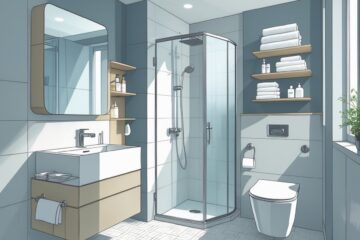
Choosing the right wall tiles can turn your bathroom from a strictly utilitarian spot into a place that feels both practical and beautiful. Your tile choice impacts everything—moisture protection, cleaning, and the vibe you get every morning.
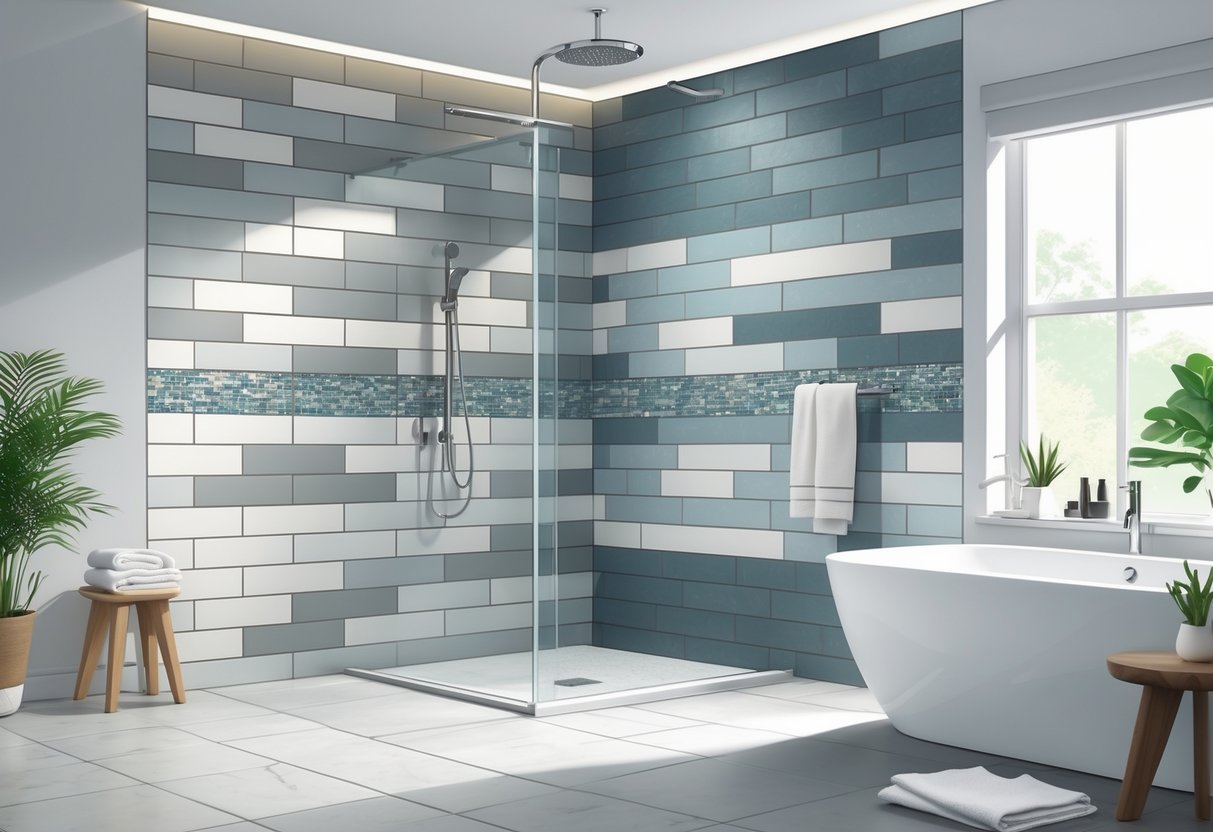
Porcelain and ceramic tiles usually give you the best mix of water resistance, toughness, and style for bathroom walls. Porcelain stands out for moisture protection, while ceramic’s a budget-friendly champ. Knowing the differences between porcelain, ceramic, natural stone, and glass helps you choose what fits your budget and look.
This guide walks you through picking bathroom wall tiles, comparing materials, and peeking at design trends for 2025. There’s info on tile sizes, installation, and keeping your walls looking sharp for years.
Key Takeaways
- Porcelain tiles offer the highest water resistance, with absorption rates below 0.5%. Ceramic tiles are affordable and reliable for most bathrooms.
- Mosaic tiles, textured designs, and warm neutrals are big for 2025, bringing spa vibes and practical perks.
- Using waterproof adhesives and cleaning with pH-neutral products keeps your tiles in great shape for decades.
Why Wall Tile Selection Matters in Bathroom Renovation
Wall tile choice really shapes how your bathroom handles moisture, sets the mood, and affects how much work you’ll put into cleaning. Wall tiles aren’t the same as floor tiles—they have their own rules for wet spaces.
Role of Wall Tiles in Wet Areas
Wall tiles act as a shield against moisture, steam, and splashes. Waterproofing behind the tiles is crucial, especially in showers and around tubs where water’s always present.
Skip quality wall tiles and you’ll risk water sneaking in, damaging walls, and growing mould. Showers need full tile coverage up to the ceiling. Tiles behind sinks and basins should resist water and stains.
Smooth, glazed tiles wipe clean fast and don’t let soap scum stick around. Fewer grout lines mean less scrubbing and fewer places for water to hide.
Water Resistance Versus Load Bearing
Wall tiles are a different beast from floor tiles. They’re thinner (usually 6-10mm) and lighter, since they don’t need to handle heavy feet or slips.
This opens up more style options. You can go glossy, try delicate materials, or use fancy patterns that would never last on the floor. Glass tiles, thin ceramics, and shiny surfaces all work great on walls.
Porcelain and ceramic tiles, when glazed, barely absorb water—usually less than 0.5%. Natural stone needs sealing, but if you keep up with it, it works well too.
Visual Impact on Bathroom Style
Your wall tiles basically set the whole bathroom’s look. Lighter shades—white, cream, pale grey—make small bathrooms feel bigger and brighter. If you want drama, bold colours like navy or forest green can turn a wall into a feature.
Big tiles (600x300mm or more) create a sleek, modern look with fewer grout lines. Metro tiles and smaller sizes bring classic charm. Patterns add flair, but they’re best for accents or bigger rooms.
Some tile choices that really shape the vibe:
- Neutral tones are flexible and survive style changes.
- Marble effect tiles add sophistication with their natural patterns.
- Glass tiles bounce light around, which helps smaller spaces.
- Mosaics bring texture and interest to feature walls.
Tiles are a long-term investment. They’ll influence how you feel about the space every single day.
Types of Bathroom Wall Tiles: Material Comparison
Different tile materials bring their own strengths—some are waterproof champs, others offer more design freedom. Your pick depends on budget, style, and how much water the wall will see.
Porcelain Tiles: Durability and Modern Appeal
Porcelain tiles are super water-resistant, so they’re perfect for wet spots like showers. They’re denser and less porous than ceramic, so water just doesn’t get in.
Porcelain’s tougher than ceramic, but you’ll pay more upfront. It shrugs off stains and scratches, staying fresh for years.
Modern porcelain can look just like wood or stone, without the hassle of real timber or marble. But it’s a pain to cut, so unless you’re handy with tools, you’ll probably want a pro to fit them.
Ceramic Wall Tiles: Versatility and Affordability
Ceramic tiles are a go-to for walls because they’re affordable and do the job. The glaze keeps water and stains out, and they’re easy to clean.
They’re lighter than porcelain, so installing them’s a bit easier. Ceramic tiles come in endless styles, from classic metro to funky geometric patterns.
Formats to consider:
- Metro tiles: Slim rectangles, classic and versatile.
- Large format: Fewer grout lines for a seamless look.
- Finger mosaics: Small strips for a touch of elegance.
- Scallops and shapes: Eye-catching for statement spots.
Ceramic’s perfect for walls that don’t get soaked all day. It’s cheaper than porcelain but still protects your walls.
Natural Stone and Marble Tiles: Luxury and Timelessness
Marble tiles bring a real sense of luxury, thanks to their unique veining. No two are the same, which is pretty cool if you ask me. Real stone looks expensive because, well, it is—and it’ll bump up your property value.
Stone’s porous, so you’ll need to seal it regularly or water will sneak in and cause trouble. Skipping the sealer is asking for stains and damage.
Popular natural stone picks:
- Marble (for classic, high-end style)
- Travertine (warm, textured look)
- Slate (moody, rustic vibes)
- Limestone (neutral and subtle)
Stone and marble cost more, both to buy and install. You’ll want a pro for these, since they’re tricky to cut and handle.
If you like the look but not the hassle, onyx-effect porcelain gives you the glam without the maintenance.
Mosaic Tiles: Creative and Textural Features
Mosaic tiles let you get creative with patterns and colour. They’re tiny (usually 2.5×2.5cm or less) and come on mesh sheets, which helps with installation.
You can mix materials—glass, ceramic, stone—all on one sheet. This makes mosaics perfect for accents behind sinks or in shower niches.
Installation’s pricier because it’s fiddly work. More cuts, more grout, more time.
Glass mosaics bounce light around, which is great for bathrooms with little daylight. They’re waterproof and easy to clean, though water spots show up more on glossy finishes.
Mosaics shine when used as accents—think splashbacks, borders, or feature strips. Covering whole walls with them can get pricey and a bit overwhelming.
Design Trends and Style Choices for 2025
In 2025, bathroom tiles lean toward spa-like calm, eco-friendly materials, and bold patterns. Designers are steering away from cold minimalism and heading toward warmer, textured spaces that mix modern and natural elements.
Large Format Tiles for Spacious Looks
Large format tiles make bathrooms look bigger and cleaner. Fewer grout lines mean less to clean and a smoother feel.
Textured natural stone tiles in big sizes are hot for 2025. Limestone, slate, and travertine all look great in larger formats. Less grout keeps things modern and uncluttered.
Big tiles trick your eyes into thinking the room’s more spacious. Pair them with underfloor heating and you get that luxury spa vibe.
Using large tiles on both walls and floors creates a sense of flow and keeps the space from feeling chopped up.
Timeless Classics and Traditional Styles
Subway tiles aren’t going anywhere, but now you can get them in deep greens, burgundy, or matte black. No need to stick with plain white.
Switching up the layout—like herringbone or vertical stacks—gives subway tiles a modern twist. You get texture and depth but keep that classic feel.
Marble tiles are still a favourite. Darker marbles, like Nero Marquina or deep green Verde Alpi, bring drama and elegance. The natural patterns never really go out of style.
Chair rails are popping up again, adding a touch of old-school class. Try them to separate different tile patterns or highlight mirrors and vanities.
Patterned and Textured Tiles
Shapes are getting more adventurous. Curves and diamonds open up new pattern options, whether you want bold colours or subtle neutrals.
Statement backsplashes can turn your sink area into a showpiece. Moroccan zellige or Art Deco tiles add serious style. Handcrafted, glazed tiles make plain walls pop.
Textured tiles aren’t just for looks—they add grip. Tumbled travertine or textured slate are both stylish and practical.
Geometric patterns are everywhere, especially for accent walls or shower features. They add personality without making things too busy.
Colour and Finish Selection
Earthy tones are everywhere for 2025. Soft greens, terracotta, and muted beige set a relaxing, spa-inspired mood. These shades pair well with natural stone.
Bold colours are back for showers and accents. Deep blues, emerald, even red—if you’re feeling brave. Keep the rest of the palette neutral so it doesn’t get overwhelming.
Metallic finishes—think gold, bronze, silver—add a bit of glam. They really shine in showers, especially when the water catches the light.
Matte finishes are getting more popular too. They’re elegant, hide water spots, and feel more natural. Try pairing metallic accents with simple fixtures for a chic, uncluttered look.
Practical Considerations: Size, Layout and Room Conditions
Your bathroom’s layout, lighting, and flooring all affect which tiles will work best. Tile size changes how big the room feels, and colours can look different depending on the light. You’ll want your wall and floor choices to play well together.
Choosing Tile Size for Small and Large Bathrooms
Small bathrooms really benefit from larger tiles. Fewer grout lines make the space feel more open and less busy.
Tiles sized at 30cm x 60cm or 60cm x 60cm work well in tight bathrooms. Smaller tiles, like mosaics, tend to make tiny bathrooms feel even more cramped.
But, mosaics can look great as accent strips or feature walls when you pair them with bigger tiles. That combo keeps things interesting without going overboard.
Large bathrooms give you more freedom with tile sizes. You can go for oversized tiles up to 120cm long for a modern, seamless style.
Mixing different tile sizes also helps create separate zones within a big bathroom. It’s a neat way to break things up visually.
Think about your wall height when choosing tile dimensions for your bathroom. Vertical rectangular tiles can make low ceilings seem higher.
Horizontal layouts might make a narrow bathroom feel wider. It’s worth playing around with samples to see what works.
Effect of Lighting on Tile Appearance
Natural light shows the true colour of your tiles. Artificial lighting can completely change how they look.
North-facing bathrooms get cooler light, which can make white tiles look a bit grey or blue. South-facing rooms get warmer light, bringing out cream and beige shades.
Try tile samples in your actual bathroom at different times of day. Stick them on the wall where you plan to install them.
Check how they look in morning daylight, afternoon sun, and under your bathroom lights at night. You might be surprised by the difference.
Glossy tiles bounce more light around, which can brighten up dark bathrooms. But in rooms with strong sunlight, they might cause glare.
Matt and textured finishes soak up light, giving a softer look that works well in bright spaces. Sometimes, it’s just a matter of taste.
LED lights with various colour temperatures also change tile appearance. Cool white LEDs (4000K-5000K) make colours pop and look crisp.
Warm white LEDs (2700K-3000K) create a cosier, more relaxed vibe. It’s worth trying both if you’re not sure.
Coordinating Wall and Floor Tiles
Your wall and floor tiles should work together but don’t have to match exactly. Using the same tile everywhere can make a small bathroom feel bigger, but it sometimes gets a bit dull in a larger space.
Pairing lighter wall tiles with darker floors is a popular move. It creates contrast and helps define the room’s boundaries.
Darker floors also hide dirt and water marks better than pale ones. That’s practical, honestly.
Some handy strategies:
- Tonal matching: Different shades from the same colour family
- Contrasting textures: Smooth wall tiles with textured floor tiles
- Size variation: Larger tiles on walls, smaller ones on floors
- Accent coordination: Pull a colour from a patterned floor tile for solid wall tiles
Floor tiles need a higher slip resistance rating than wall tiles. Look for R10 or R11 rated tiles for bathroom floors, even if your wall tiles are super shiny.
Installation and Maintenance Essentials
Good installation and regular care decide whether your bathroom tiles last decades or need replacing sooner. The right adhesives, waterproofing, and cleaning habits protect your investment and keep things looking sharp.
Proper Installation Methods for Longevity
Every tile job starts with surface prep. Make sure the walls are clean, dry, and level before you even think about adhesive.
If the surface isn’t flat, tiles can crack over time as stress builds in certain spots. Nobody wants that.
Professional installation means proper prep and waterproofing. Cement board backing works best for wet areas since it resists moisture damage way better than plain plasterboard.
Plan your tile layout before you start sticking anything to the wall. Begin in the centre and work outwards to keep things symmetrical around fixtures and edges.
This method helps avoid awkward cuts in visible spots. Tile spacers keep the gaps between tiles even for grout lines.
These gaps let tiles expand and contract with temperature changes, stopping cracks. Most bathroom walls use 2-3mm spacers for grout.
Let the adhesive cure fully before grouting. If you rush, the tiles might not stick well and could fall off months or years later.
Waterproofing, Adhesives and Grout
Polymer-modified thin-set adhesive is the go-to for bathroom walls. It’s flexible and can handle slight building movement.
Standard adhesive doesn’t flex as much and might fail in humid spots. Always apply a waterproof membrane behind tiles in showers and around baths.
That barrier keeps moisture from reaching the wall structure, which helps prevent rot and mould. Extend the membrane at least 150mm past the wet area.
Epoxy-based grouts block moisture better than traditional cement-based grouts. They resist stains and don’t need sealing, so they’re perfect for showers and sinks.
If you use cement-based grout, seal it within 72 hours. The sealer keeps out water and stains but still lets vapour escape.
Reapply the sealer every year to keep your protection strong.
Routine Care and Cleaning Tips
Wipe down tiles after every shower with a squeegee to get rid of excess water. This stops water spots and cuts down on the moisture that mould loves.
Clean your tiles weekly with pH-neutral cleaners. These won’t harm glazed surfaces or eat away at grout sealer.
Skip acidic cleaners like vinegar on natural stone tiles—they’ll etch the surface and leave permanent marks. Use a soft brush or microfiber cloth instead of anything abrasive.
Porcelain and ceramic tiles need minimal care if you stick to these gentle methods. Run your extractor fan during showers and for 20 minutes after.
Good ventilation keeps humidity in check, which helps prevent mould and grout damage.
Final Tips for Selecting the Best Bathroom Wall Tiles
Picking the right tile means balancing style with practical needs, sticking to your budget, and testing samples before you commit.
Balancing Aesthetics with Practicality
Your tiles should look good and work well. Porcelain and ceramic tiles give you the best water resistance for bathrooms, so they’re usually the smart choice.
Think about your household. If you’ve got kids, glossy tiles show water spots more than matt ones.
Busy family bathrooms do better with bigger tiles—less grout to clean. Lighting matters too.
Dark tiles can look amazing in a bright bathroom, but in a dim space, they might feel a bit claustrophobic. Light colours are a safer bet for small or low-light bathrooms.
Maintenance is another thing. Natural stone tiles need regular sealing and careful cleaning, while porcelain is pretty much set-and-forget.
Be honest about how much time you’ll spend maintaining your bathroom before you pick a high-maintenance material.
Budgeting and Sampling
Set a realistic budget that covers tiles, adhesive, grout, waterproofing, and installation. Ceramic tiles usually run £15-£45 per square metre.
Premium porcelain can cost anywhere from £35-£100 per square metre. Always order samples first.
Colours look different in your bathroom’s lighting than in a showroom or online. Get at least three samples and compare them side by side.
Order 10% more tiles than you think you’ll need to cover cuts, breakages, and future repairs. Keep a few spares for touch-ups down the line.
Professional installation adds £20-£40 per square metre, depending on the job. It’s usually worth it for big tiles or tricky waterproofing.
Key Takeaways for a Successful Renovation
Essential prep:
- Measure your bathroom walls carefully, including around fixtures
- Check wall condition and budget for any repairs
- Plan waterproofing for showers and baths
- Schedule deliveries so tiles don’t sit around in damp conditions
Material priorities:
- Go for porcelain in high-moisture areas (it only absorbs about 0.5% water)
- Ceramic is a good, affordable option that still performs well
- Use glass tiles as accents, not for whole walls
- Avoid decorative-only tiles in direct water zones
Buy all your tiles from the same batch for consistent colour. Batch numbers are on the packaging—mixing batches can leave you with visible colour differences.
Frequently Asked Questions
Porcelain and ceramic tiles are the most durable for bathroom walls. Tile size really depends on your space and how you want it to look.
What are the most durable types of wall tiles suitable for bathroom renovations?
Porcelain tiles are the toughest option for bathroom walls. With a water absorption rate under 0.5%, they’re super resistant to moisture.
Ceramic and porcelain tiles form a strong, impermeable barrier that keeps water from reaching your home’s vulnerable spots. Porcelain is denser than ceramic, so it’s stronger and lasts longer.
Stone tiles are also durable and bring a natural warmth to your bathroom. They can handle daily wear and moisture for years.
How does one choose the appropriate size and shape of tiles for a small bathroom space?
Large format tiles are great for small bathrooms. Fewer grout lines make the space look bigger and cleaner.
Measure your walls accurately before picking tile sizes. Try the gauging stick method to see how tiles will fit and to plan for symmetry.
Horizontal rectangular tiles can make narrow bathrooms feel wider. Vertical tiles help low ceilings look taller.
What are the advantages of using porcelain tiles in a bathroom over other materials?
Porcelain tiles keep water out better than most materials. Their low porosity stops moisture from seeping into walls and causing mould or damage.
They need very little upkeep compared to natural stone. You don’t have to seal them regularly or worry about stains from bathroom products.
Porcelain tiles hold their look for decades, rarely fading or chipping. They also work well with underfloor heating.
Could you advise on the latest trends in bathroom wall tile colours and textures?
Matt finishes are definitely on trend for bathroom walls in 2025. They give a sophisticated look and hide water spots and fingerprints better than glossy tiles.
Natural stone textures and earth tones are huge right now. Warm neutrals—think beige, taupe, soft grey—create a calming vibe.
Blue tiles are still a classic. From deep navy to powder blue, they fit both modern and traditional bathrooms.
What are the best options for water-resistant and low-maintenance bathroom wall tiles?
Glazed ceramic tiles are great for water resistance and don’t cost a fortune. The glaze repels water and resists soap and shampoo stains.
Porcelain tiles are the lowest-maintenance option. You can clean them with regular household cleaners and not worry about damage.
Glass mosaic tiles give complete water resistance and don’t harbour bacteria. They’re easy to wipe clean and stay shiny with little effort.
How can one effectively combine different tile styles for a bathroom renovation?
Start with a neutral base tile for most of your wall space. That way, you can bring in accent tiles without making the room feel too busy.
You can create unique layouts with different tile shapes, and still keep things visually balanced. Try using mosaic tiles as borders or on a feature wall to add some flair—just don’t let the styles fight each other.
Stick to two or three tile types at most. If you match either the colour palette or the finish across your tiles, your design will feel more pulled together.