


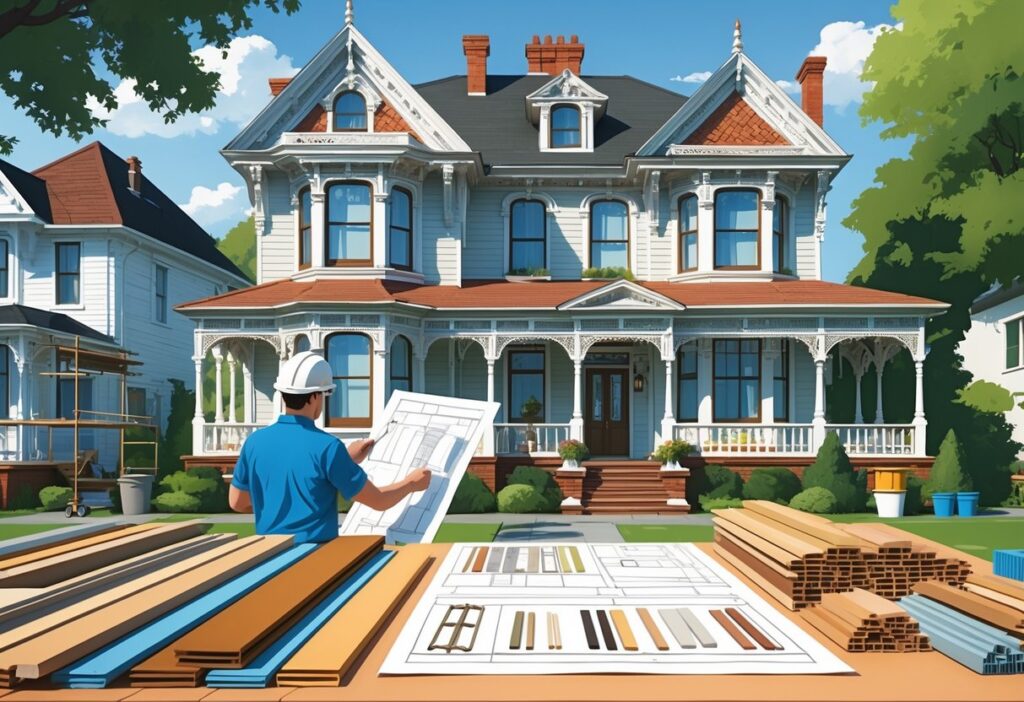
Renovating a Victorian house takes a careful eye for materials if you want to keep that historical vibe while still enjoying modern comforts. The secret? Pick period-appropriate materials for things like slate roofing or clay tiles, but don’t be afraid to sneak in modern stuff where it won’t mess with the home’s character.
Plenty of homeowners get stuck trying to balance the original charm with practical needs like insulation or energy efficiency. It’s a real challenge.
Choosing the right materials for period property restoration means figuring out which elements really make Victorian architecture special. Some things can be modernised without losing the soul of the house.
Your renovation success often depends on when to splurge for historically accurate materials versus when a modern alternative will do the trick.
The wrong material choices can wreck a Victorian home’s character. You might even run into planning permission headaches if you get it wrong.
This guide will help you sort through Victorian renovation materials—from authentic brickwork to heating systems that don’t ruin the period feel.
Key Takeaways
- Victorian renovations work best when you mix authentic period materials with smart modern upgrades.
- Exterior details like roofing and brickwork need historically accurate materials to keep the architectural vibe intact.
- Use modern materials in hidden spots to boost function but keep the character front and center.
Understanding Victorian Houses: Key Features and Architectural Details
Victorian houses have their own unique design language and building techniques. Knowing these original materials and preservation needs helps you make smarter renovation choices that respect the home’s roots.
Historic Character and Architectural Details
Victorian houses feature steep, pointed slate roofs that really make them stand out. These rooflines often sport decorative ridge tiles and ornate finials—details you can’t miss from the street.
Outside, you’ll see patterned brickwork in shades of red, yellow, or brown. Many have brick patterns and designs you just don’t see in new builds.
Bay windows jut out from the front, giving you extra space inside and letting in loads of light. They’re usually timber-framed with several small panes separated by glazing bars.
Decorative barge boards on gable ends bring a bit of drama to the roof. These carved boards often show off scrolls or geometric shapes.
Terracotta plaques and tiles add color and texture to many Victorian facades. These decorative elements might show off flowers, geometric patterns, or even little sculptures.
Inside, you get high ceilings with detailed cornicing, picture rails, and fancy ceiling roses. Fireplaces usually have cast iron surrounds and colorful tiles.
Common Original Building Materials
Victorian builders used solid brick construction for exterior walls, usually about 225mm thick with lime mortar pointing. Lime mortar lets the walls breathe and flex a bit.
Welsh slate dominated the roofing scene thanks to its toughness and weather resistance. If you look after it, this stuff can last over a century.
Floors inside used suspended timber construction—joists with floorboards on top. On the ground floor, you might find quarry tiles or geometric encaustic tiles in the hall or kitchen.
Timber windows were made from softwood, usually pine, with putty glazing and classic joinery. The frames are slim, letting in as much light as possible.
Lime-based plasters covered the walls, layered over timber laths. This finish breathes with the building, handling moisture naturally.
Cast iron pops up in railings, gutters, and sometimes in big roof trusses on larger homes.
The Role of Preservation Guidelines
If your Victorian place is listed, you’ll need to follow conservation area restrictions that protect its historic look. These rules affect your choices for materials, windows, and exterior changes.
Planning permission requirements shift depending on your home’s listing grade. Grade I and Grade II* buildings have stricter rules than Grade II.
Like-for-like replacement guides material choices for historic homes. You should match the old materials in look, performance, and how they’re put together—wherever you can.
Heritage officers will check applications for big changes to listed buildings. They’ll want to see that your material choices keep the property’s historic feel and value.
Approved materials lists spell out which products you can use for different jobs. This might include certain slate suppliers, traditional brick makers, or timber window systems that get the green light.
Building regulations still apply to Victorian renovations, but sometimes you can use alternative methods that respect traditional construction and still meet safety rules.
Setting Priorities: Balancing Authenticity and Modern Necessities
Victorian homes make you weigh original features against what we expect from houses today. Balancing preservation with modernisation means picking your battles—what to keep, what to update for comfort or safety.
Assessing Original Elements Worth Preserving
Start by looking at the bones of your Victorian home. Sash windows, cornicing, ceiling roses, fireplaces—these details really set the scene.
High-Priority Features to Preserve:
- Original timber floors and skirtings
- Cast iron radiators and period fixtures
- Stained glass panels and door furniture
- Decorative plasterwork and architraves
Check the condition of each part. Solid timber joinery often just needs a little TLC, not full replacement. The quality of Victorian craftsmanship usually beats what you get today.
Take photos before you start. They’ll help contractors see what matters most to you.
When to Consider Replacement:
- Window frames that are too far gone to fix
- Lead pipes that need updating for safety
- Plasterwork that’s so damaged it’s not safe
Historic homes really benefit from tradespeople who know period techniques. Their skills help you get repairs that look right and last.
Identifying Where to Introduce Modern Materials
Sometimes, modern materials just work better—especially where old Victorian solutions fall short. Focus your updates on hidden systems and spots where comfort or safety matter most.
Priority Areas for Modern Updates:
| System | Modern Solution | Victorian Challenge |
|---|---|---|
| Insulation | Breathable modern insulation | Poor thermal performance |
| Electrics | Updated wiring and sockets | Safety hazards |
| Plumbing | Modern pipes and fittings | Lead pipes, poor pressure |
| Heating | Efficient boiler systems | Draughty, inefficient heating |
Bathrooms and kitchens are where you’ll need to compromise most between authenticity and function. Modern sanitaryware and appliances make daily life easier, but you can still choose period-style fixtures to keep the look consistent.
Choosing the right materials is about durability and looks. Aim for modern stuff that plays nicely with the original features.
Make updates as invisible as possible. Hide new services in out-of-sight places, and pick contemporary materials that match the home’s proportions and color scheme.
Exterior Elements: Choosing the Right Materials for the Facade
The facade really sets the mood for your Victorian renovation. Original brickwork needs careful restoration, timber elements should get period-appropriate replacements, and roofing materials have to balance authenticity with modern standards.
Brickwork and Masonry Restoration
Victorian brickwork is the backbone of most homes from this period. The bricks were usually handmade, so they’re a bit uneven and full of character—modern bricks just can’t fake that.
Lime mortar is a must for real restoration. Victorian builders picked lime-based mortar because it lets the building breathe and move. Cement mortars are too hard and can actually harm the old bricks over time.
If you need replacement bricks, hunt for reclaimed Victorian ones or specialist reproductions. These will have the right:
- Size (a bit smaller than today’s bricks)
- Color and weathering patterns
- Surface texture and quirks
Repointing technique really matters. Use lime mortar mixed to match the house’s original color. The joint should sit just below the brick face—not flush, not sticking out.
Stone details like window sills and decorations need careful material choices for durability. Match the original stone—usually limestone or sandstone in Victorian builds.
Timber, Siding, and Render Options
Victorian timber features need the right wood species and profiles to look legit. Original sash windows, bargeboards, and doors used slow-grown hardwoods like oak or sometimes softwoods like pine.
Window restoration should focus on repair first. You can draught-proof original timber sash windows and even fit slim double glazing while keeping their classic appearance.
If you do need to replace timber parts:
- Pine: Good for painted elements like window frames, and easy on the wallet
- Oak: Best for unpainted, structural stuff—it’s tough and looks great
- Accoya: A modern, treated timber that’s super durable
Render systems on Victorian homes were usually lime-based. Lime render lets moisture move and helps prevent damp. Cement renders? Not a good idea—they can trap moisture and cause headaches.
When restoring Victorian homes with authentic materials, match the original thickness and texture of the render. Three-coat lime render systems are your best bet for both authenticity and performance.
Decorative timber details like fretwork and bargeboards really define Victorian style. Get exact reproductions made with traditional joinery, not simplified modern versions.
Roofing Materials: Slate, Tile, and Alternatives
Welsh slate dominated Victorian roofing. It still sets the standard for authentic restoration today.
Original slate can last over 150 years with good care. Despite the higher upfront cost, it offers great value in the long run.
Slate specifications matter significantly:
- Welsh slate: Premium option, perfectly matches original materials
- Spanish slate: More affordable alternative with similar appearance
- Reclaimed slate: Cost-effective but requires careful grading
Clay tiles appeared on many Victorian homes, especially where slate wasn’t easy to get. Original Victorian tiles were handmade, with uneven surfaces and rich color variation.
Replacement tile options include:
- Handmade clay tiles: Most authentic but expensive
- Machine-made heritage tiles: Good compromise of cost and appearance
- Concrete tiles: Budget option but visually different
Modern alternatives like composite slates can work if your budget’s tight. They don’t have the subtle color shifts or weathering you get with natural materials, though.
Lead work around chimneys, valleys, and flashings should use traditional methods. Lead-coated copper is a cheaper option that still looks and performs like the real thing.
Preservation guidelines usually prefer original materials. Planning authorities may even require exact matches for listed buildings or conservation areas.
Windows and Doors: Materials That Keep Victorian Charm
Choosing materials for Victorian windows and doors means balancing authenticity with modern standards. The right timber, glazing, and hardware will keep your home’s character while improving energy efficiency.
Restoring or Replacing Wooden Sashes
Victorian sash windows were usually made from slow-grown softwoods like Baltic pine or English oak. If you’re restoring Victorian windows, these remain the best picks for staying true to the original look.
Timber Options for Victorian Windows:
- Baltic Pine: Original choice for most Victorian homes
- European Oak: Premium option for high-end properties
- Accoya: Modern treated timber with excellent durability
- Sapele: Hardwood alternative with good weather resistance
If you live in a conservation area, you’ll likely need approval for window replacements. It’s best to check with your local planning authority before making any changes to original features.
You can add draught-proofing to restored sash windows without changing their look. Modern brush seals fit into rebates and keep those slim Victorian sight lines intact.
Professional restoration usually costs 30-40% less than a full replacement. With the right care, original timber frames can last for decades yet.
Glazing and Glass Types for Energy Efficiency
Victorian windows started out with single glazing—crown glass or early cylinder glass. Modern replacements have to balance energy savings with keeping the period look.
Glazing Options:
- Slim double glazing (14-16mm units)
- Secondary glazing behind original panes
- Heritage glass with subtle imperfections
- Low-E coatings on inner surfaces
When choosing energy-efficient windows for Victorian homes, you can usually hit U-values between 1.4-1.6 W/m²K without losing authenticity. Standard double glazing units are often too thick for original sash frames, though.
Heritage glass mimics the slight waves and flaws of old Victorian panes. It keeps the look but gives you better insulation.
Secondary glazing is a good workaround if you need to keep the original glass. Magnetic systems let you remove panels seasonally, with barely any impact from outside.
Door Materials and Period-Appropriate Hardware
Victorian front doors were mostly solid timber, with raised panels and glazed tops. Pine, oak, and mahogany were common, depending on how fancy the house was.
Traditional Door Construction:
- Mortise and tenon joints
- Raised fielded panels
- Glazed upper lights
- Solid timber construction (typically 45-50mm thick)
Period hardware includes rim locks, thumb latches, and cast iron strap hinges. Repro fittings are easy to find and often tougher than modern stuff, honestly.
Authentic Hardware Elements:
- Cast iron strap hinges
- Rim locks with ornate keeps
- Period door knockers and letterboxes
- Thumb latches for internal doors
Paint colors should reflect Victorian tastes. Deep greens, burgundy, or black were favorites. Modern microporous paints last longer than old oil-based ones and still look right.
Draught seals can hide around door frames. Brush strips or compression seals boost insulation without messing up the door’s look or feel.
Interior Materials: Floors, Walls, and Decorative Details
Victorian homes need materials that respect their history but fit modern life. Quality hardwood flooring, authentic wall finishes, and restored details lay the groundwork for a successful renovation.
Flooring Options: Wood, Tiles, and Carpets
Hardwood floors are still the top choice for Victorian renovations. Herringbone or dark-stained planks really bring out the period vibe and hold up well.
Oak and mahogany were popular back then. Reclaimed boards match old dimensions and grain better than new timber. Victorian floorboards tend to be wider than modern ones.
Period-appropriate tiles work great in hallways and kitchens. Encaustic tiles with geometric patterns were all the rage, and they’re tough against moisture and wear.
Quarry tiles fit utility spaces like sculleries, with their reddish-brown color and rough texture—classic Victorian practicality.
Carpets make bedrooms and formal rooms cozy. Go for deep shades like burgundy, forest green, or navy blue. Thick wool carpets with floral or geometric patterns nail the Victorian look.
Persian and Turkish rugs were a big deal in parlours. Layering smaller rugs over wood floors gives that period style, too.
Wall Finishes: Plaster, Panelling, and Sustainable Paints
Traditional lime plaster lets old stone or brick walls breathe. It helps prevent the damp issues you see in historic homes. Three-coat systems give the smoothest finish for decorating.
Modern gypsum plaster works on stud walls, but it’s not as flexible as lime. Lime mortar repairs blend in better with the original stuff.
Wood panelling set the tone in Victorian interiors. Wainscoting usually reached chair rail height in dining rooms and halls. Full-height panelling was for libraries and studies.
Pine panelling painted dark gives that real Victorian atmosphere. Stripped and varnished oak looks richer but costs more, no surprise there.
Low-VOC paints keep indoor air quality up and still offer period colors. Deep jewel tones—emerald, sapphire, ruby—were everywhere. Two-tone schemes with lighter tops and darker bottoms were common.
Wallpaper’s another solid option. Rich patterns add a real Victorian touch to feature walls.
Restoring Mouldings, Cornices, and Joinery
Original architectural details are what make a Victorian home special. Ceiling roses and cornices really show off the craftsmanship—don’t remove them unless you absolutely have to.
Plaster mouldings often get cracked or lose pieces over time. Skilled plasterers can copy damaged profiles using old-school methods. They take moulds from the intact bits to get it just right.
Ceiling medallions frame light fixtures and add drama to main rooms. Clean them gently before painting. If you’re missing one, get a reproduction that matches the size and style.
Window and door casings frame openings and hide joints. Victorian casings have layered, decorative profiles. Strip old paint carefully to keep those crisp details.
Skirtings and architraves protect walls and anchor the room visually. Victorian skirtings are usually 150-200mm tall. When replacing sections, match the profile to keep things consistent throughout the house.
Modern Upgrades: Integrating New Materials Carefully
Victorian homes need modern systems to work well today, but it’s always a balancing act. You want comfort and efficiency, but you can’t lose that historic charm.
Insulation Solutions for Victorian Properties
Original Victorian walls have no insulation, so they’re cold and expensive to heat. You have to add thermal protection without harming old features or trapping moisture.
Internal wall insulation is usually best for listed buildings. Sheep’s wool and wood fibre boards breathe and won’t cause damp. They work with the old lime mortar and brick construction.
Cavity wall insulation only fits if your home has cavity walls (post-1870). Many Victorians don’t—check before you start. Blown-in mineral wool or recycled paper does the job if you have cavities.
Loft insulation is the easiest upgrade. Use natural stuff like sheep’s wool or recycled paper. Avoid plastics that don’t breathe. Keep gaps at the edges for airflow to stop condensation.
Floor insulation can be a pain with old boards. Lift them gently and tuck breathable materials underneath. Hemp or wood fibre batts fit well between joists.
Skip modern materials that trap moisture. Polystyrene and plastic membranes can cause damp in old houses.
Heating, Plumbing, and Electrical Upgrades
Modern systems can transform a Victorian home, but you have to plan carefully. Work with the building, not against it.
Heating systems should use existing pipe routes. Cast iron radiators look the part and work efficiently. Underfloor heating is fine in new extensions, but avoid it under original boards.
Electrical upgrades mean rewiring the whole place. Plan cable runs to avoid damaging decorative plaster. Use the spaces between floors and walls when you can.
Plumbing improvements may need new pipes and drains. Copper pipes last longer and match the home’s character better than plastic.
Smart technology can hide in Victorian interiors. Wireless sensors and controls keep period features intact and add convenience. Pick systems that don’t need major changes to the structure.
Honestly, it’s smart to work with people who know old buildings. They’ll upgrade things without ruining the details or risking structural headaches.
Sustainable and Eco-Friendly Material Choices
Eco-friendly upgrades fit right into Victorian renovations. Many original materials are surprisingly sustainable and often work better in these old buildings than newer stuff.
Natural insulation materials like sheep’s wool, cork, and wood fibre are a great match for Victorian homes. They breathe with the house and help regulate humidity, so you don’t end up with damp issues.
Reclaimed materials keep things authentic and cut down on environmental impact. Old bricks, tiles, and timber usually outperform new versions. They’ve already stood the test of time in the building.
Lime-based products stick with the original building methods. Lime mortar, renders, and plasters let walls breathe and flex. Modern cement is too rigid and can crack the old brickwork—never a good look.
Low-VOC finishes boost indoor air quality and still keep that period vibe. Linseed oil paints and natural waxes work beautifully on woodwork. They’re healthier and way more sustainable than synthetic options.
Renewable energy systems need a thoughtful approach. Solar panels fit better on back roof slopes or outbuildings. Heat pumps can work well in well-insulated Victorian homes, but you have to get the system design right.
Frequently Asked Questions
Victorian house renovations bring a lot of tricky choices—materials, costs, and how to keep things true to the past while meeting modern needs. Here are some common questions that pop up when you’re working on one of these beauties.
What are the key considerations for preserving historical features during a Victorian house renovation?
Before you start, document all the original features. Snap detailed photos and jot down measurements of things like cornicing, skirting boards, and other architectural details.
Decide what you can restore and what actually needs replacing. Original plaster mouldings usually need a specialist to repair them, not just a straight swap.
Use traditional materials as much as possible. Lime mortar just works better with Victorian brick than modern cement does.
Hire craftspeople who know period properties inside and out. Their experience helps you avoid damaging irreplaceable features.
Always check if you need listed building consent. Lots of Victorian homes are protected, so you can’t just change stuff on a whim.
How should one approach integrating modern amenities into a Victorian home without compromising its period character?
Try to hide modern services inside what’s already there. Run cables and pipes through floor voids or behind the original skirting if you can.
Pick fixtures that suit the Victorian style. Reproduction taps, light switches, and radiators help everything look right.
Install modern heating systems as discreetly as possible. Underfloor heating keeps rooms looking original, unlike bulky radiators.
Put contemporary elements in less noticeable spots. Keep modern kitchen appliances out of your main period rooms if possible.
Use reversible methods for any installations. That way, future owners can change things without harming the original features.
What is the typical cost range for renovating a Victorian property in the UK?
Basic renovations usually run £20,000 to £50,000. That covers essentials like rewiring, plumbing, and basic decoration.
Bigger projects can hit £100,000 to £300,000. These involve structural work, new kitchens and bathrooms, and restoring period features.
High-end jobs go over £500,000. Think bespoke joinery, specialist lime plastering, and top-end materials everywhere.
In London, expect to pay 20-30% more than elsewhere. Both labour and material costs jump in the capital.
Working on a listed building adds 15-25% to your bill. You need specialist materials and approved contractors, which bumps up expenses.
Can you provide guidance on the best practices for undertaking a Victorian house exterior renovation?
Start by choosing period-appropriate roofing materials like Welsh slate or clay tiles. Modern ones just don’t look the same.
Repoint brickwork with lime mortar, not cement. Lime lets the building breathe and helps prevent moisture problems.
Restore original sash windows if you can. Double-glazed replacements rarely get the proportions or details right.
Clean stonework carefully using gentle methods. Aggressive cleaning can permanently damage soft Victorian stone.
Match paint colours to what Victorians actually used. Turns out, they liked deeper, richer shades than most people think.
What factors should be taken into account when planning a Victorian house renovation in London?
Get planning permission sorted before you start. London boroughs have strict rules for period homes.
Sort out party wall agreements if you’re doing structural work. Terraced houses share walls, so you need your neighbour’s buy-in.
Watch out for parking restrictions for tradespeople. A lot of London streets limit access during the day.
Budget for higher costs—materials and labour are just pricier in London.
Sometimes you find archaeological surprises, so be prepared. Some postcodes need monitoring because of their history.
And don’t forget conservation area restrictions. Even if your house isn’t listed, there might be limits on what you can change outside.
What are the most recommended materials to use when restoring the authenticity of a Victorian-era home?
Try to use reclaimed materials if you can’t restore the originals. Architectural salvage yards often have period-appropriate pieces, though it can take some digging to find the right fit.
Go for natural materials instead of synthetics. Timber, stone, and lime-based products age in a way that feels right with old buildings.
Pick traditional paint finishes, like linseed oil-based paints. They usually look and feel better on original surfaces than modern acrylics do.
Install period-style hardware—think door knobs, window fittings, and ironmongery. Modern mass-produced stuff just doesn’t have that Victorian look or quality.
Look for handmade tiles for floors and walls. Those little irregularities in handmade tiles? They give a space that unmistakable period character.
Stick to traditional joinery techniques for repairing woodwork. Modern adhesives and fixings often clash with how these houses were built.