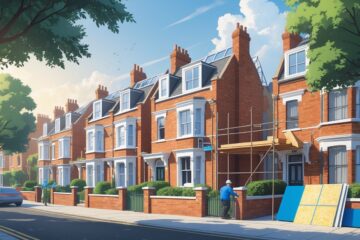
Kitchen extensions have exploded in popularity among London homeowners in 2025. Over 40% of renovation projects now focus on expanding these vital spaces.
The modern kitchen isn’t just for cooking anymore—it’s the heart of the home. Families gather here, friends drop by, and more people are working from home at the kitchen table than ever before.
London’s housing stock is truly unique, from Victorian terraces to sleek modern flats. These homes offer some fantastic opportunities for kitchen extensions that can turn cramped quarters into bright, functional areas—and add serious value, too.
Maybe you’re working with a narrow galley kitchen in a period property. Or perhaps you dream of an open-plan living space.
The right extension design can totally change how you use your home. It’s all about finding what fits your space and lifestyle.
From striking glass box extensions that blur the line between inside and out, to practical side return designs that reclaim wasted space, these ten kitchen extension ideas are tailored for London homes.
Each approach factors in the quirks of the capital—planning rules, architectural style, and those classic space restrictions.
Key Takeaways
- Kitchen extensions bring cooking, dining, and living together in one flexible hub for modern family life.
- Smart design choices—think glazed roofs and bifold doors—flood the space with light and connect you to the garden.
- Popular options include single-storey rear extensions, side returns, and wrap-around designs that work well with London’s older homes.
Transformative Kitchen Extension Concepts
Three extension types really stand out for shaking up your London home’s layout and feel. Each one unlocks a different kind of potential and opens up the kitchen in a big way.
Single-Storey Rear Extensions
A single-storey kitchen extension pushes out into your garden, creating a smooth flow between indoors and out. It can turn a poky galley kitchen into a generous open-plan space that’s perfect for busy family life.
Key Features:
- Extends 4-6 metres from the rear wall (property type matters here)
- Big glazed doors open to the garden
- Brickwork usually matches the house
- Roof lights bring in natural light
This extension style works especially well for Victorian and Edwardian terraces. Suddenly, you’ve got space for a kitchen island, dining table, and a comfy seating spot.
Planning Considerations:
- Often allowed under Permitted Development Rights
- 6-metre depth limit for detached homes
- 4-metre limit for terraces
- No planning permission needed most of the time
Designs often use bi-fold doors across the whole width. When the weather’s good, your kitchen just spills out into the garden.
Wrap-Around Extensions
Wrap-around extensions join a side return and rear extension to make an L-shaped space. For London terraces, this is a dramatic transformation.
This single-storey kitchen extension can totally rework your ground floor. Suddenly, you’ve got a huge kitchen-dining-living area that feels like a new house.
Typical Layout:
- Kitchen runs along one wall
- Central island for prepping
- Dining area near the garden doors
- Comfy seating area
It’s a big investment, but the payoff is huge. You’ll easily host 12+ people for dinner while keeping separate zones for different activities.
Design Elements:
- Loads of structural glazing for light
- Level changes help define spaces
- Continuous flooring ties it all together
- Several ways to access the garden
You’ll need a good architect for this one—the structure is complex. The build is a major job, but the end result is genuinely impressive.
Side Return Kitchen Extensions
Side return extensions reclaim that narrow alleyway beside many Victorian and Edwardian homes. This kitchen extension idea turns wasted space into something useful.
Space Gains:
- Usually adds 1.5-2 metres in width
- Can double your kitchen’s floor area
- Makes space for a dining table
- Lets you create a proper kitchen triangle
The extension fills the gap between your rear addition and the boundary wall. Brickwork almost always matches the original house for a seamless look.
Essential Design Features:
- Glazed roof over the new bit
- Roof lights keep things bright
- Plan utility moves early
- Sort out drainage at the start
Planning Benefits:
- Usually counts as Permitted Development
- Doesn’t eat up much garden
- Quick to build
- Great value per square metre
This works even better when you also do a rear extension. The side return adds width, and the rear adds depth—you end up with a roomy open-plan kitchen.
Structural glazing in the roof brings daylight right into the old part of the house. That way, you don’t end up with dark, gloomy rooms after the build.
Maximising Natural Light in Extensions
Light can totally transform a kitchen extension, turning it from cramped and gloomy into a bright, inviting family hangout. Where you put glazing and how you design the space makes all the difference for natural light.
Skylights and Structural Glass Roofs
Skylights are probably the best way to get more light into your extension. They pull daylight in from above, so you don’t have to sacrifice wall space for windows or lose storage.
Try putting skylights where your old house meets the new extension. That way, the middle rooms won’t go dark when you build out.
Glass roofs work especially well over kitchen islands or dining tables. Structural glazing isn’t just practical—it’s a real architectural feature and floods the space with daylight.
Modern rooflights are surprisingly efficient. Good glazing keeps things cool in summer and warm in winter.
Fixed rooflights can be massive and almost frameless. You get more glass, cleaner lines, and a contemporary feel.
For flat roof extensions, think about roof lanterns. These raised glass features add height and drama, and they channel light deep into the kitchen below.
Bi-Fold and Sliding Doors
Bi-fold doors really open up the kitchen to the garden. On a sunny day, you can fold them right back and blur the line between indoors and out.
Today’s bi-folds have slim frames, so you get more glass and better views. Natural light just pours in, and you can enjoy your garden even when you’re inside.
Sliding doors have even slimmer frames than bi-folds. More glass, less frame—so the light just keeps coming.
Full-height glazed doors run from floor to ceiling. This makes the space feel bigger and brings in sunlight all day long.
Corner glazing wraps doors and windows around two walls. It’s a bold look, but the amount of daylight is incredible.
Just remember, big glazed doors mean less wall space for kitchen units. You’ll want to plan your layout to keep the right balance between light and storage.
Orangery Kitchen Extensions
Orangery extensions mix solid walls with glazed roof sections. You get plenty of natural light, but also more wall space for cabinets than a full glass box.
Traditional orangeries use brick or stone pillars to hold up the glass above. Modern versions go for minimal supports to let in even more light.
The raised roof creates a lantern effect, drawing in light from every angle. This is great for north-facing kitchens that don’t see much direct sun.
Dwarf walls at the base give structure and privacy, and let you put kitchen units beneath the glazing. It’s a practical touch that keeps the space functional.
Orangery extensions fit older homes where a full glass box might look out of place. They combine classic proportions with modern glazing for the best of both worlds.
Mixing vertical and overhead glazing means your kitchen stays bright and airy year-round. Where you place the glass panels really matters for getting light into both the cooking and dining zones.
Planning and Permissions for London Kitchen Extensions
Most London kitchen extensions come under permitted development rights. That means you can build without formal planning permission, as long as you stick to certain size limits.
You’ll still need to know about building regulations and when you might need full planning permission.
Understanding Permitted Development Rights
Permitted development rights let you extend your London home without planning permission. But there are rules you’ll need to follow.
Single-storey extensions can go up to 6 metres from the rear wall for terraced or semi-detached houses. Detached homes can go up to 8 metres, but you can’t go higher than 4 metres.
Double-storey extensions have tighter limits—only 3 metres beyond the original rear wall. Height rules get trickier and often mean you’ll need permission.
You can’t cover more than half your garden with extensions. Side returns can’t go past the front or rear walls of your house.
Important note: If your property is listed, in a conservation area, or a national park, you’ll almost always need full planning permission, no matter the size.
Always check with your local council before you start. Rules change, and some homes have extra restrictions.
Navigating Planning Permission Requirements
If your kitchen extension is bigger than permitted development allows, you’ll need planning permission. That means submitting detailed plans to your local council.
Architectural design is key here. You’ll need drawings showing what’s there now and what you want to build. A good architect will know London’s planning policies inside out.
The application usually takes 8-13 weeks, but it can take longer if things get complicated—especially in conservation areas or if neighbours object.
Key things to keep in mind: Impact on neighbours, how your extension fits with the existing building, and parking. Don’t block your neighbours’ light, or you’ll hit trouble.
Planning fees start at £206 for householder applications. Bigger or more complex projects cost more. Sometimes you’ll need extra surveys for heritage or environmental reasons.
Make sure your drawings and documents are spot-on. Messy or incomplete applications get delayed or rejected, and that’s just frustrating.
Ensuring Compliance with Building Regulations
Building regulations make sure your kitchen extension is safe and energy efficient. You need building control approval, even if you don’t need planning permission.
A structural engineer has to check foundations, load-bearing walls, and roof structure. They’ll provide calculations to prove your extension is sound.
Building regs cover insulation, ventilation, electrics, and fire escape routes. Your extension has to meet current energy standards.
The process: You submit plans, then schedule inspections. Building control officers will check the foundations, structure, insulation, and the finished job.
Costs run from £400 to £1,500, depending on how big and complex your extension is. You can use approved inspectors or your local council’s building control team.
Don’t start work until you’ve got approval. If you build without it, you might have to tear it down—or worse, face legal action.
Designing a Functional Kitchen Layout
Creating an effective kitchen layout really sets the tone for any successful extension project. The right design squeezes the most out of your space and brings in modern touches like islands and smart storage.
Open-Plan Living Solutions
Open-plan kitchens turn your extension into the heart of your London home. This layout blurs the lines between cooking, dining, and just hanging out.
Zoning is essential for open-plan success. Try using different flooring—maybe kitchen tiles that switch to hardwood for the dining space.
Think about sight lines when you plan your layout. Put the hob where you can keep an eye on the kids or chat with friends while you cook.
Lighting creates separation without needing walls. Hang pendant lights over the dining table, and use under-cabinet LEDs for the kitchen zone.
Ventilation’s a big deal in open-plan spaces. A strong extractor hood keeps cooking smells from drifting through your whole living area.
Noise matters, too. Go for quieter appliances—dishwashers with low decibel ratings help. Soft furnishings can absorb some of the clatter from hard kitchen surfaces.
Integrating Kitchen Islands
Kitchen islands give you extra workspace and storage. They really shine in rooms at least 3 metres wide.
Standard clearances help everyone move easily:
- 100cm minimum between island and cabinets
- 120cm for multiple cooks
- 90cm for walkways only
Islands aren’t just for prepping food. Add seating for casual meals, or tuck in appliances like a dishwasher to boost efficiency.
Plumbing and electrical need early planning. Sinks need drainage through the floor, and you’ll want a pro to install electrical outlets for safety.
Think about your island’s main job. If it’s for cooking, you’ll need ventilation above. If it’s for prep, built-in bins and knife storage make life easier.
Waterfall edges look stunning in stone or quartz. They’re not cheap, but wow—they really make an impact.
Smart Storage Solutions
Good storage turns a cluttered kitchen into an organised space. Modern solutions help every centimetre count, especially in London’s tight homes.
Pull-out drawers beat fixed shelves in base units. You won’t have to kneel or reach awkwardly to grab things at the back.
Tall units up to the ceiling give you loads of storage. Use the highest shelves for stuff you barely need, and maybe add a built-in ladder for safety.
Corner solutions tackle awkward spaces:
- Magic corners with pull-out mechanisms
- Lazy Susans for easy access
- Diagonal drawers in corner bases
Drawer organisers keep utensils and cutlery tidy. Adjustable dividers let you set things up your way.
Integrated appliances keep storage lines clean. Built-in microwaves and coffee machines free up the worktop and look sharp.
Pantry units with shelves store dry goods efficiently. Wire baskets let veggies breathe and keep things from getting lost at the back.
Small Kitchen Extension Ideas for Period and Modern Homes
Small kitchen extensions need smart planning to make every square metre work. Clever storage and ways to boost light can turn compact spaces into efficient, attractive kitchens—whether you’re in a Victorian terrace or a modern build.
Space-Efficient Designs
Built-in seating gives you furniture that does double duty—saving floor space and hiding storage underneath. Corner banquettes or window seats are great for small extensions, offering dining space without taking up much room.
Multi-level worktops help you prep in tight kitchens. Pull-out surfaces or fold-down breakfast bars give extra workspace when you need it, then disappear to keep walkways clear.
Vertical storage solutions use wall height to your advantage. Floor-to-ceiling cupboards, magnetic spice strips, and hanging pot racks keep essentials close but off the worktop.
Narrow galley layouts fit nicely in side return extensions. Put appliances on one wall and storage on the other to create efficient work triangles.
Sliding doors save space versus traditional hinged ones. Pocket doors or sliding panels between the extension and main house let you use every bit of floor area.
Light-Enhancing Features
Glass roofs fill small extensions with daylight. Roof lanterns or structural glazing keep spaces from feeling boxed in and help with headroom.
Reflective surfaces bounce light around small kitchen extensions. Glossy cabinets, mirror splashbacks, and stainless steel appliances all help brighten things up.
Large glazed doors to the garden make small spaces feel bigger. Bi-fold or sliding doors open fully, merging indoors and outdoors.
Light-coloured materials keep compact kitchens bright. White or pale grey units, light stone worktops, and neutral walls reflect more light than darker choices.
Strategic window placement brings in light from different angles. High-level windows keep privacy but let daylight reach deep into the extension.
Tailored Bespoke Kitchens
Custom-fitted units make the most of every centimetre. Bespoke designs fit awkward corners, sloped ceilings, and odd spaces that standard units just can’t handle.
Integrated appliances keep things looking streamlined in small kitchens. Built-in ovens, dishwashers, and fridges save floor and worktop space.
Tailored storage solutions solve specific problems in small extensions. Custom drawer dividers, spice racks, and corner carousels keep essentials organised and use space well.
Period-appropriate details suit older homes. Shaker doors, brass handles, and painted timber finishes keep the Victorian or Edwardian vibe intact.
Modern minimalist designs fit contemporary homes. Handle-less units, integrated lighting, and seamless surfaces help small spaces feel open and uncluttered.
Achieving Exceptional Style and Comfort
Blending beauty and practicality in a kitchen extension takes real attention to materials, lighting, and the link between indoors and out. Quality finishes, smart lighting design, and a smooth garden connection can turn a functional space into a place you love to hang out.
Material and Finish Choices
Your material selection really sets the mood and durability of your extension. Premium materials pull the look together and add value to your London home.
For the outside, matching your existing brickwork keeps things looking right. Victorian and Edwardian homes look best with reclaimed London stock brick for a seamless blend.
Some top material picks:
- Flooring: Large porcelain tiles or engineered oak planks
- Worktops: Quartz composite or natural stone like Carrara marble
- Cabinetry: Painted timber or wood veneer
- Windows: Powder-coated aluminium frames in anthracite or bronze
Using the same flooring from kitchen to patio makes the space feel bigger. It’s a simple trick, but it works.
Inside, finishes should play nicely with your home’s period features. Exposed brick or original beams add real character if you restore them well.
Seamless Indoor-Outdoor Connections
Big glazed openings really blur the lines between kitchen and garden. This makes the extension feel airy and brings in loads of natural light.
Bifold doors spanning 4-6 metres can totally change the vibe. Open them up, and suddenly inside and outside are one. Slim aluminium frames give you more glass and keep things sturdy.
Floor levels matter for this transition. If you match inside and outside heights, you get a smooth flow. Sometimes a single step down to the garden is all you need for weatherproofing and continuity.
Try these connection ideas:
- Threshold details: Flush thresholds with barely-there weather bars
- Material continuity: Let your internal stone or tiles run out onto the terrace
- Roof overhangs: Add shelter while keeping the outdoor space feeling like an extension of the indoors
Task and Ambient Lighting
Good lighting mixes practical task lighting with softer ambient light. This layered setup means your kitchen works for everything from cooking to evening hangouts.
Task lighting targets work areas. Under-cabinet LEDs light up worktops, and pendant lights over islands help with food prep.
Ambient lighting sets the mood. Recessed spotlights give general light, while wall uplighters bounce a softer glow off the ceiling.
Natural light is still king in any extension. Roof lights stop corners from getting gloomy, and clerestory windows high up bring in daylight without sacrificing privacy.
Lighting tips to keep in mind:
- Dimmer controls: Change brightness for different moods
- Colour temperature: Warm white (2700K-3000K) feels inviting
- Control zones: Separate switches for task, ambient, and accent lighting
Frequently Asked Questions
Planning a kitchen extension in London can get tricky—light from neighbours, planning rules, and tight spaces all play a part. Homeowners are getting creative with bi-fold doors, smart storage, and sustainable materials to make extensions that actually work in the city.
How can I maximise natural light in my kitchen extension in a typical London home?
Add roof lights or skylights to pull in light from above—especially important in terraced houses where side windows aren’t an option. This is a lifesaver when neighbours block your sunlight.
Install big glazed panels or bi-fold doors facing the garden for maximum daylight. Even a tiny courtyard can bring in a lot of light if you design it right.
Try internal glazed screens between the extension and main rooms. That way, borrowed light can flow through your home, but you still get separate spaces when you want them.
Go for light-coloured surfaces and reflective materials on worktops and splashbacks. White or pale stone really helps bounce light around.
Put mirrors opposite windows or glazed doors. This doubles the daylight effect in small London extensions.
What are the most space-efficient designs for small kitchen extensions in London?
Try a galley-style layout with units on one wall and an island or peninsula opposite. You get lots of worktop space and easy movement.
An L-shaped extension that wraps around existing walls can add floor area without eating up your whole garden.
Single-storey wraparound extensions—combining side return and rear extension—work well for Victorian terraces with narrow side passages.
Use built-in bench seating instead of dining chairs. It saves floor space and gives you storage underneath.
Pick compact appliances made for small spaces. Drawer dishwashers and combo ovens free up room for storage or worktops.
Which building regulations should I be aware of when planning a kitchen extension in London?
You’ll need to submit building regulations applications for structural calculations and construction drawings to Building Control. This is separate from planning permission and helps ensure safety standards are met.
Make sure you meet energy efficiency requirements, especially for insulation and glazing. New extensions have to hit current thermal performance standards for walls, roofs, and windows.
Install proper ventilation systems, like extractor fans and background ventilation. Kitchens need specific air change rates to prevent condensation and keep the air fresh.
Connect your extension to existing drainage and waste water systems. You’ve got to avoid causing any drainage issues for your neighbours.
If your extension affects shared boundaries, consider party wall agreements. This legal step protects both you and your neighbours during the build.
What innovative storage solutions are popular for kitchen extensions in 2025?
Pull-out pantry systems work wonders in narrow spaces between appliances. Tall, slim units can squeeze storage into spots where standard cupboards just won’t fit.
Kitchen islands with integrated storage are still going strong. Deep drawers, wine racks, and built-in appliance housing all help keep things organised.
Some people go for floor-to-ceiling storage walls, tucking away appliances and adding integrated lighting. It’s a great way to keep worktops clear while using every bit of wall space.
Corner carousel units and magic corner systems make awkward corners actually useful. These rotating shelves let you reach the back of deep corner cupboards without a struggle.
Try building storage into window seats or bench seating. It’s especially handy in bay window extensions or breakfast nooks—extra seating with hidden storage underneath.
How do I maintain a balance between indoor and outdoor spaces with my kitchen extension?
Bi-fold doors that open all the way can really blur the line between kitchen and garden. Go for slim profiles to maximise the glazed area when the doors are closed.
Use the same or similar flooring materials inside and out. Large format tiles or polished concrete create a continuous feel from kitchen to patio.
Covered outdoor areas, like pergolas or canopies, right next to your extension are a smart move. You get a sheltered dining spot that feels like part of the kitchen.
Think about sight lines from your kitchen to the garden or seating areas. Even when the doors are closed in winter, you’ll still feel connected to the outdoors.
Why not add outdoor kitchen features like built-in barbecues or a pizza oven near the extension? It makes outdoor cooking easy and complements your indoor setup.
What are the latest sustainable materials and technologies being used in London kitchen extensions?
Go for reclaimed wood when you’re picking out structural beams or cabinetry. This choice cuts down on environmental impact and, honestly, gives the space a bit more soul.
Reclaimed materials just seem to bring character, don’t they? Plus, they fit right in with the whole circular economy vibe.
Bamboo flooring and worktops are popping up everywhere as a solid alternative to traditional hardwoods. It grows at a crazy-fast rate and somehow still manages to look great and hold up under pressure.
Why not specify triple-glazed windows and doors with advanced thermal breaks? These upgrades make a big difference—energy efficiency jumps way past what you get with regular double glazing.
Smart home tech is pretty much becoming the norm now. Automated lighting and heating controls adapt to how you actually use the space, tweaking energy use based on who’s around or how much sunlight’s pouring in.
Terrazzo surfaces, made from recycled glass and stone chips, are a bit of a showstopper. They bring in vibrant colors and, at the same time, put waste materials to good use in your kitchen design.